This year’s Venice Biennale has unfolded against a backdrop of geopolitical turmoil and personal tragedy. The first major crisis came with the sudden death of its artistic director Koyo Kouoh, the Swiss-Cameroonian curator who was to become the first African woman to lead the event. Since then, the jury has resigned, the traditional awards have been replaced by a people’s choice prize, and public protests disrupted the opening week.
Nevertheless, the 2026 Biennale ultimately fulfils Kouoh’s artistic vision. Realised by her team of five curators and close collaborators, In Minor Keys focuses on artists from the Global South. Rather than privileging spectacle, it encourages slower, more attentive engagement. Across its two main venues — the Arsenale shipyards and the Giardini parklands — artists explore collective trauma, resistance, memory, healing and human connection.
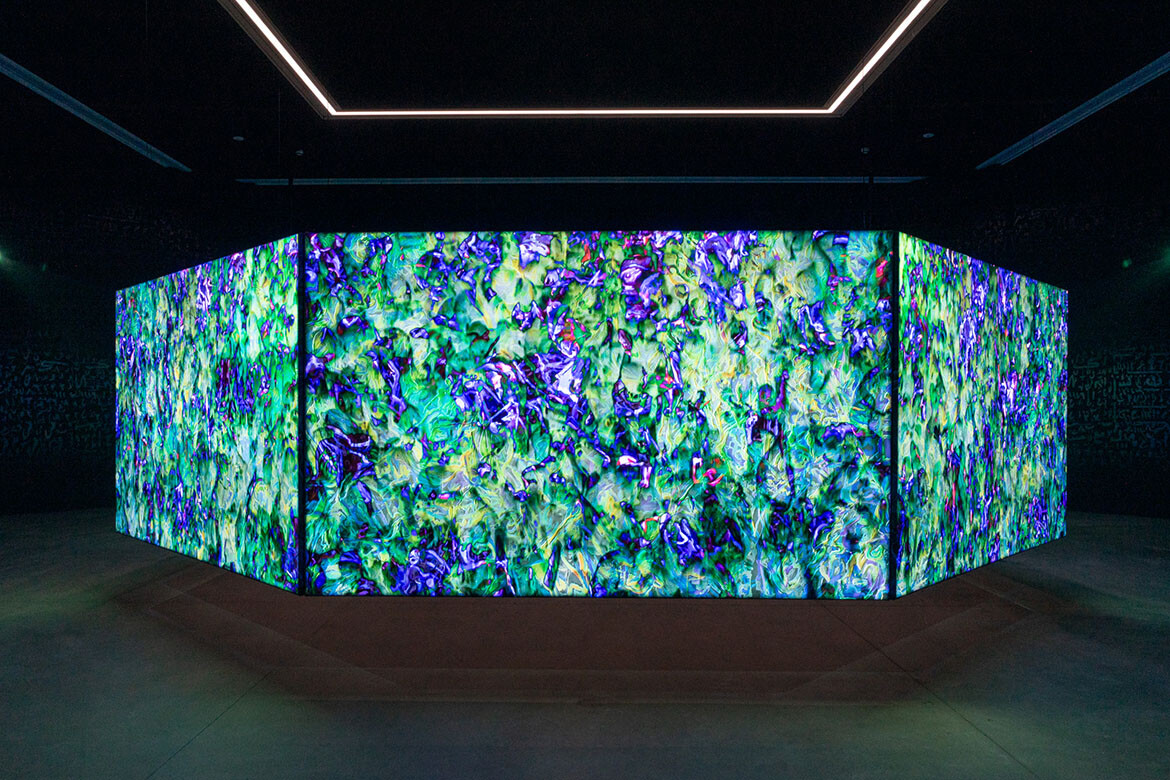
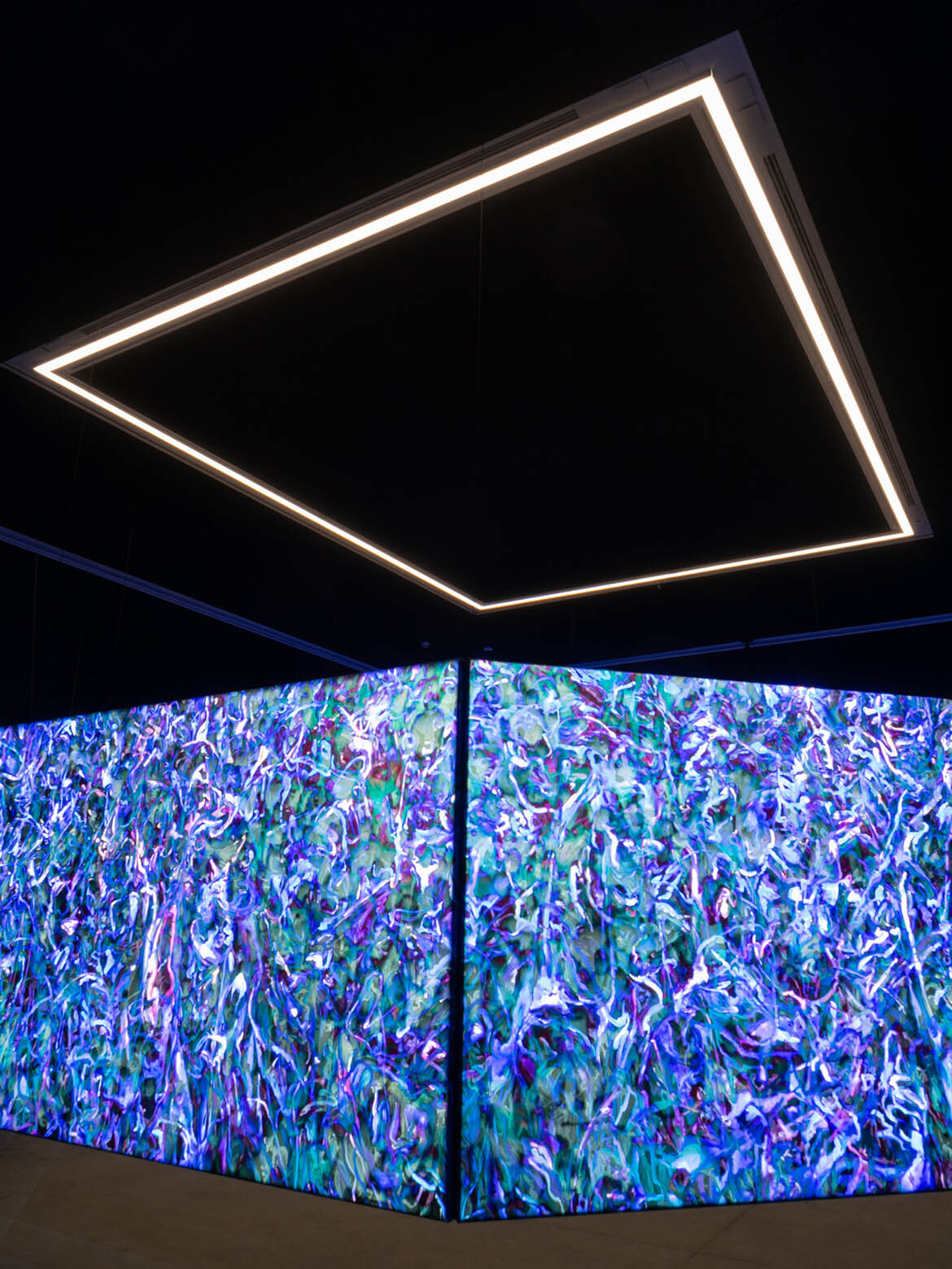
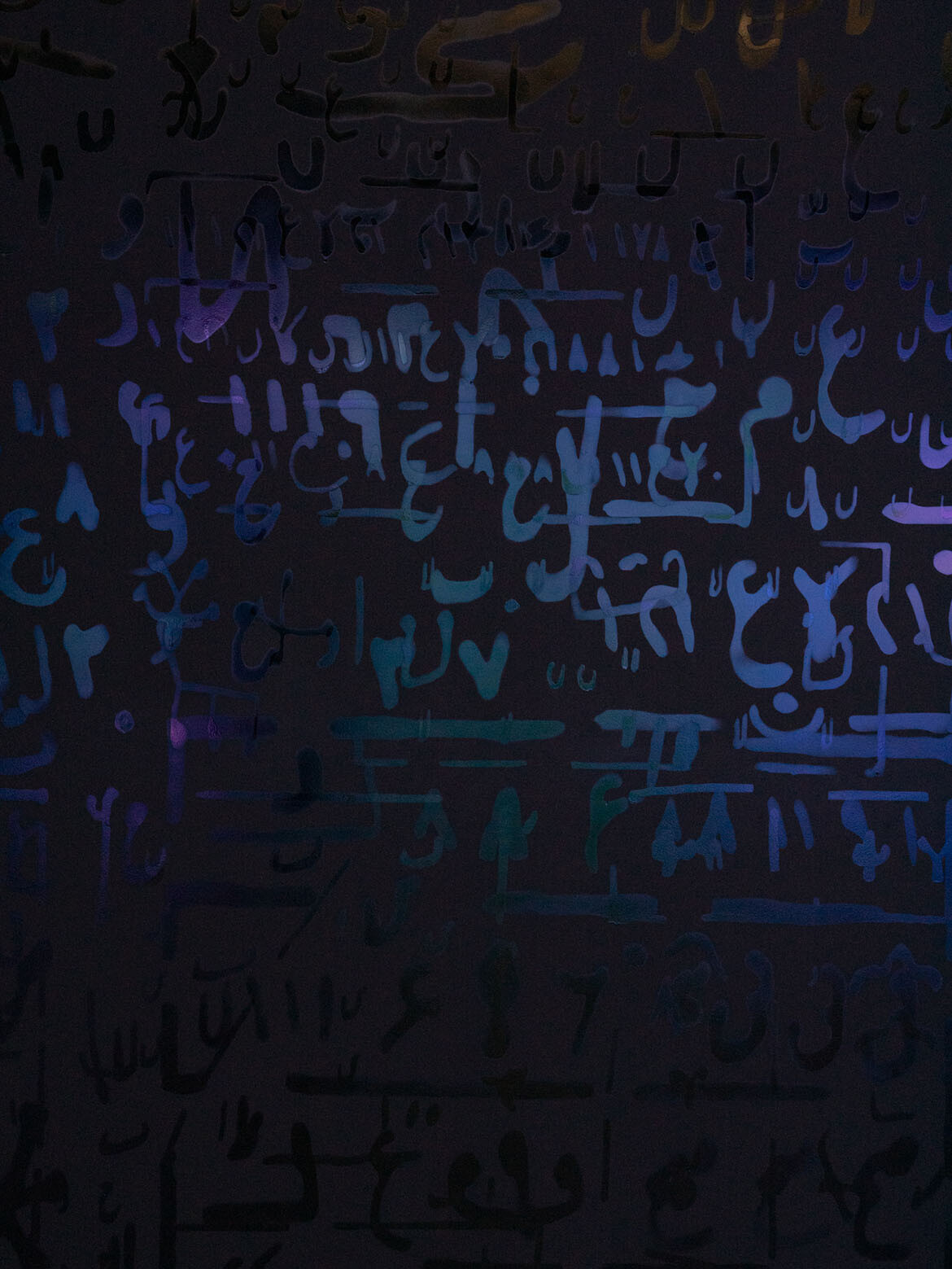
Australian-Lebanese artist Khaled Sabsabi makes an immediate impression at the entrance to the Arsenale with Khalil (friend or companion in Arabic). An immense hexagonal painted structure is animated by drifting projections of figures that emerge and dissolve across its surfaces, accompanied by a low pulsating soundtrack. Drawing on Sufi traditions, Khalil and its companion installation, Conference of Oneself, in the Australian Pavilion, share Kouoh’s emphasis on contemplation, healing and social cohesion.
As viewers adjust to the darkened space, the work gradually reveals itself as an immersive sensory experience, the visuals and audio intimating the underlying flow and rhythms of life. Given Creative Australia’s temporary ban of the artist, its inclusion here feels particularly significant.
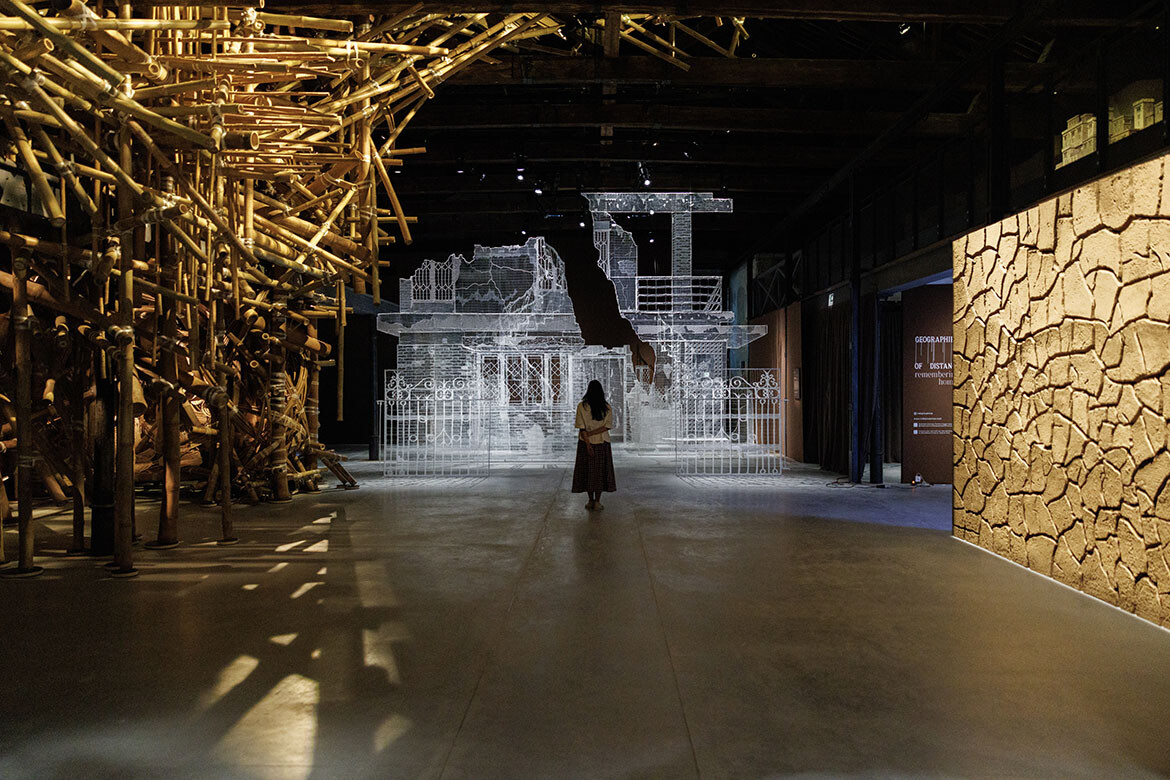
Many Biennale exhibitions favour organic materials and textiles over digital technology. The vast group exhibition in the former rope-making halls of the Arsenale can feel overwhelming, but several installations linger in the memory. India’s Geographies of Distance: Remembering Home responds to Kouoh’s theme of displacement and memory. Sumakshi Singh reconstructs her demolished family home entirely in embroidered thread, with translucent windows, doors and staircases transforming architecture into something fragile and ghostlike. Nearby, Ranjani Shettar suspends monumental amber flowers and seed pods that appear to float effortlessly through the gallery.
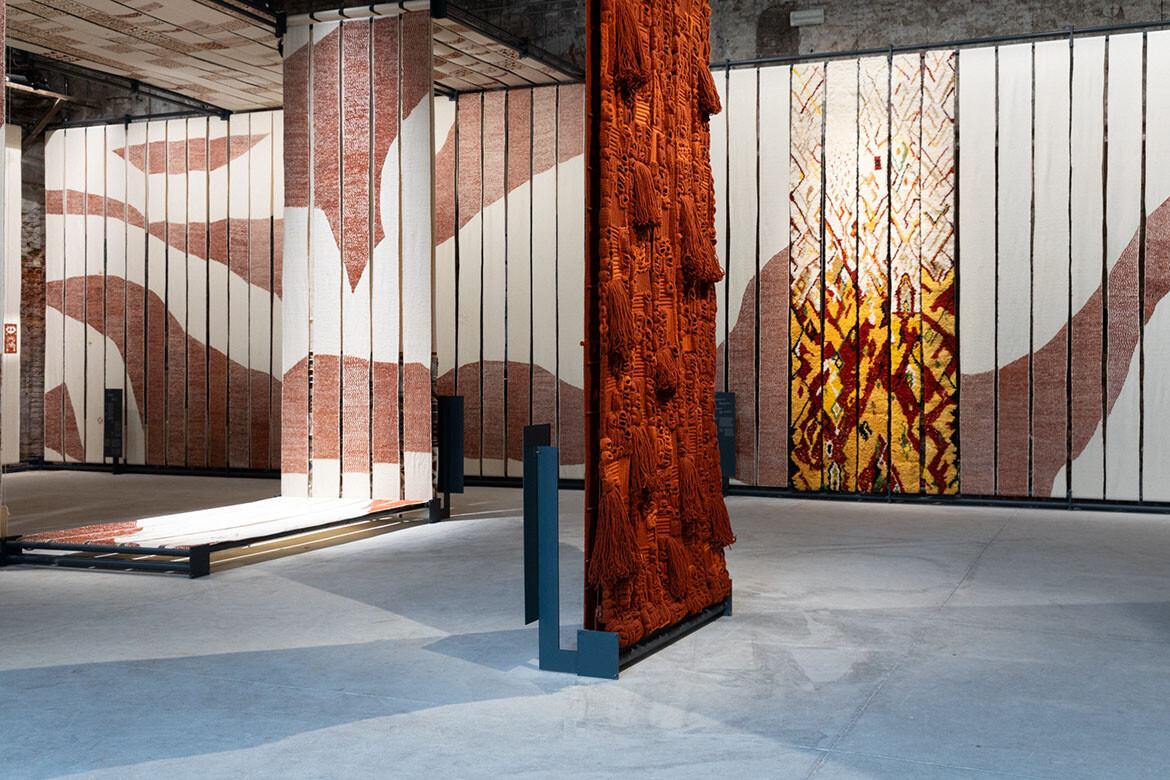
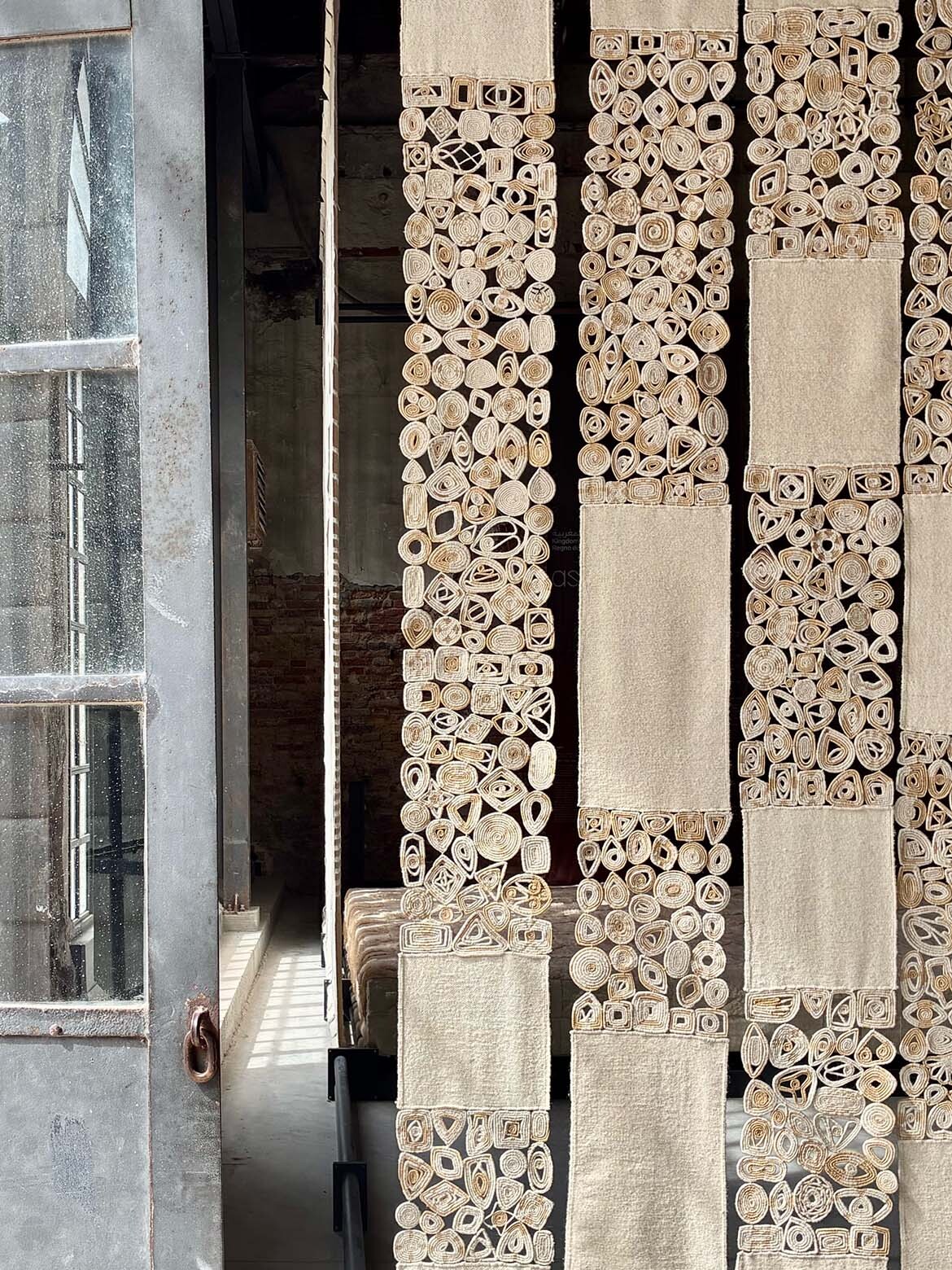
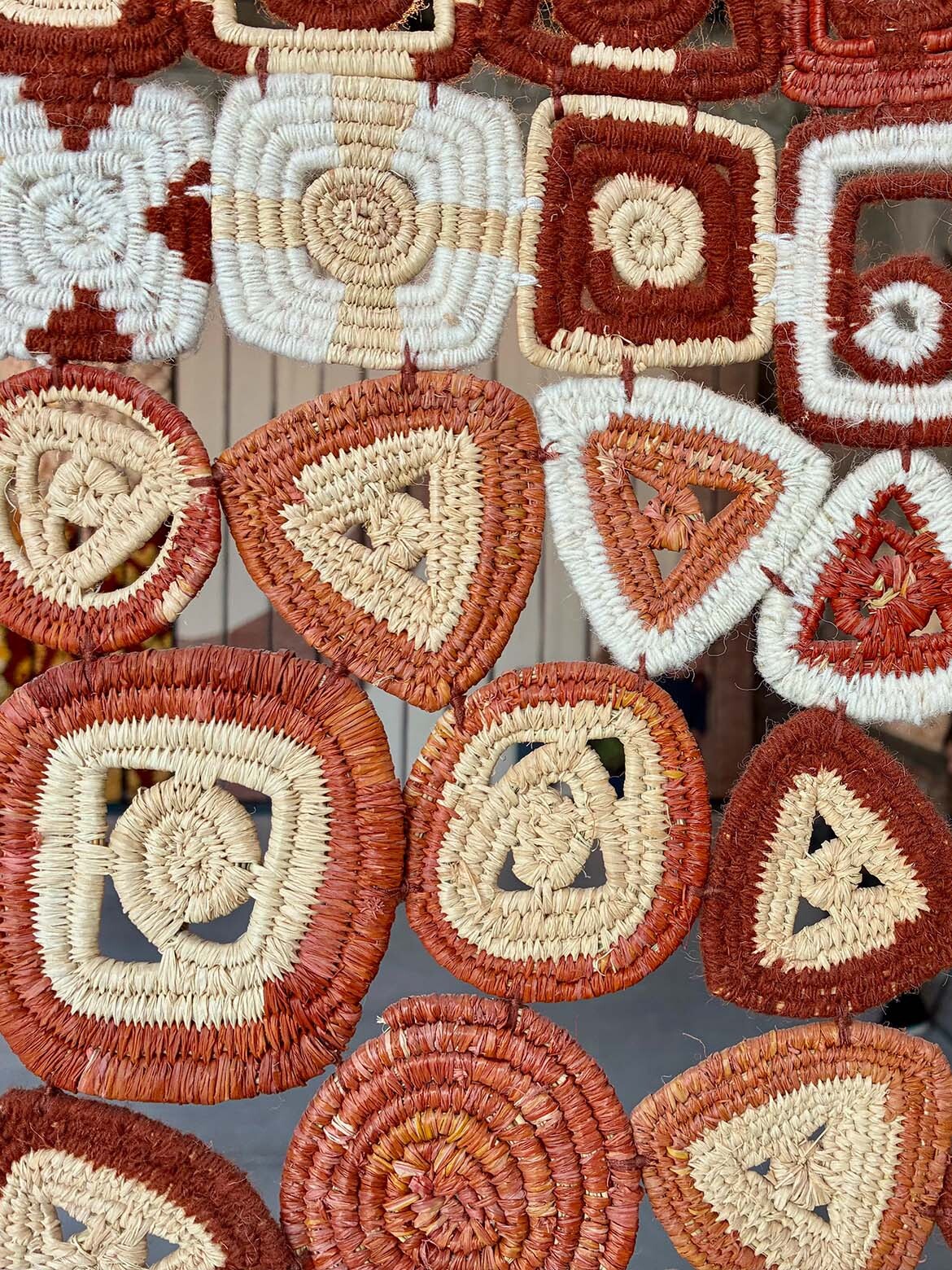
Morocco’s first national pavilion at the Arsenale is equally compelling. Multidisciplinary artist Amina Agueznay’s Asetta explores traditional Amazigh weaving through immense patterned textiles stretching across ceilings, floors and walls. Created with Indigenous artisans and local communities, the installation transforms weaving into an immersive spatial experience. Agueznay describes it as a dialogue between textile, structure and architecture, and the result feels both timeless and contemporary.
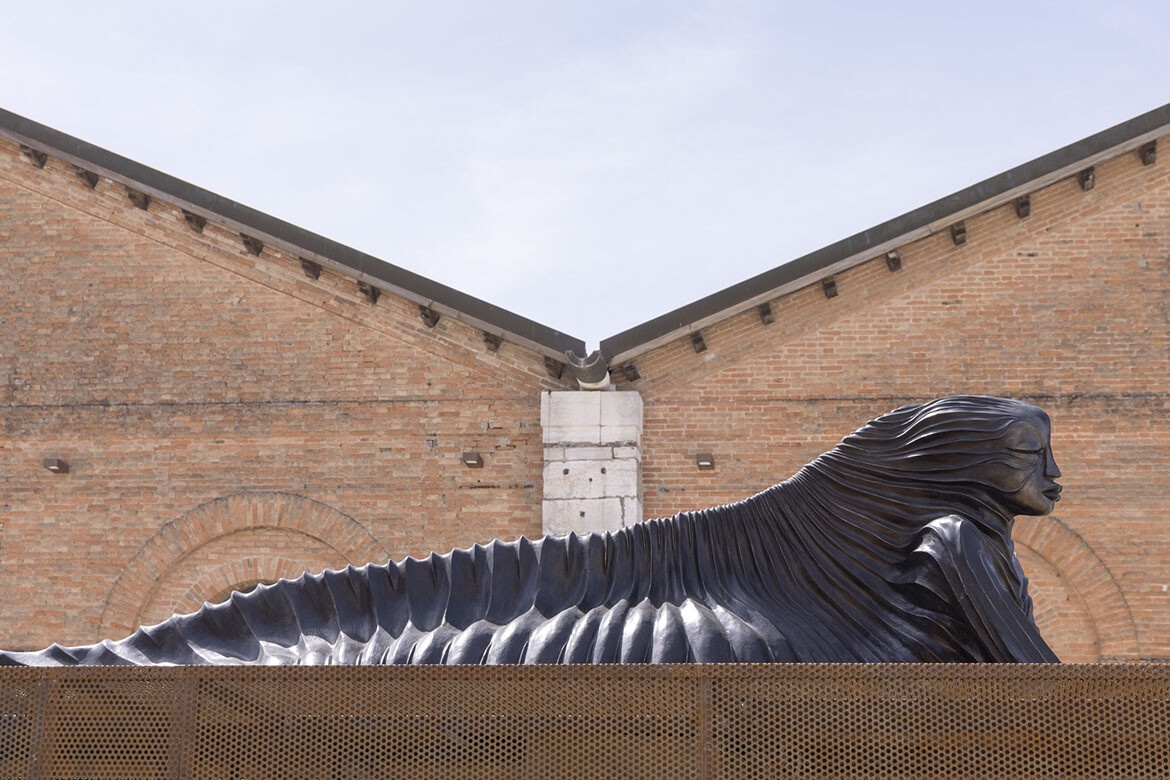
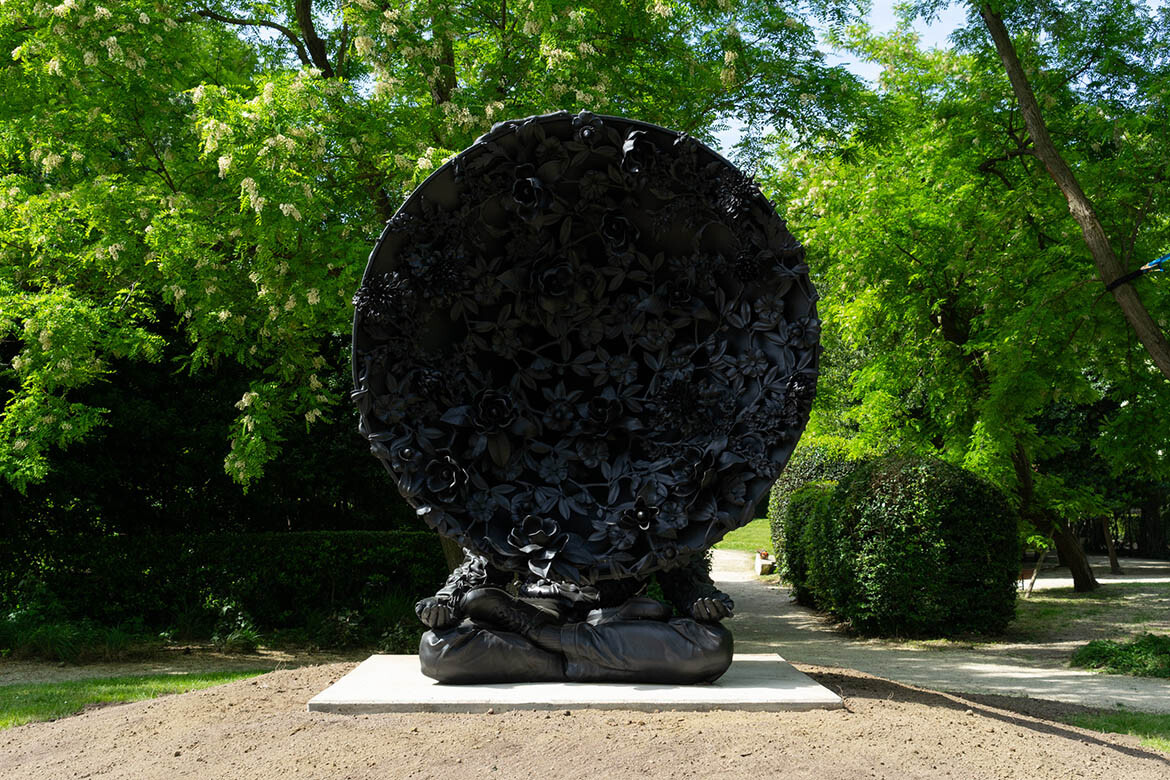
Sentinel figures recur throughout the Biennale as symbols of resilience. Nick Cave’s outdoor bronze Amalgam (Origin) is among the most commanding. The artist has cast his own body, but from his head erupts a canopy of branches filled with flowers and migratory birds, transforming himself into a human tree. Nearby, Kenyan artist Wangechi Mutu’s bronze Simbisiren — part mermaid, part tree root, part sphinx — gazes defiantly across the Arsenale harbour.
Related: Jason Gibney reflects on a visit to 3daysofdesign
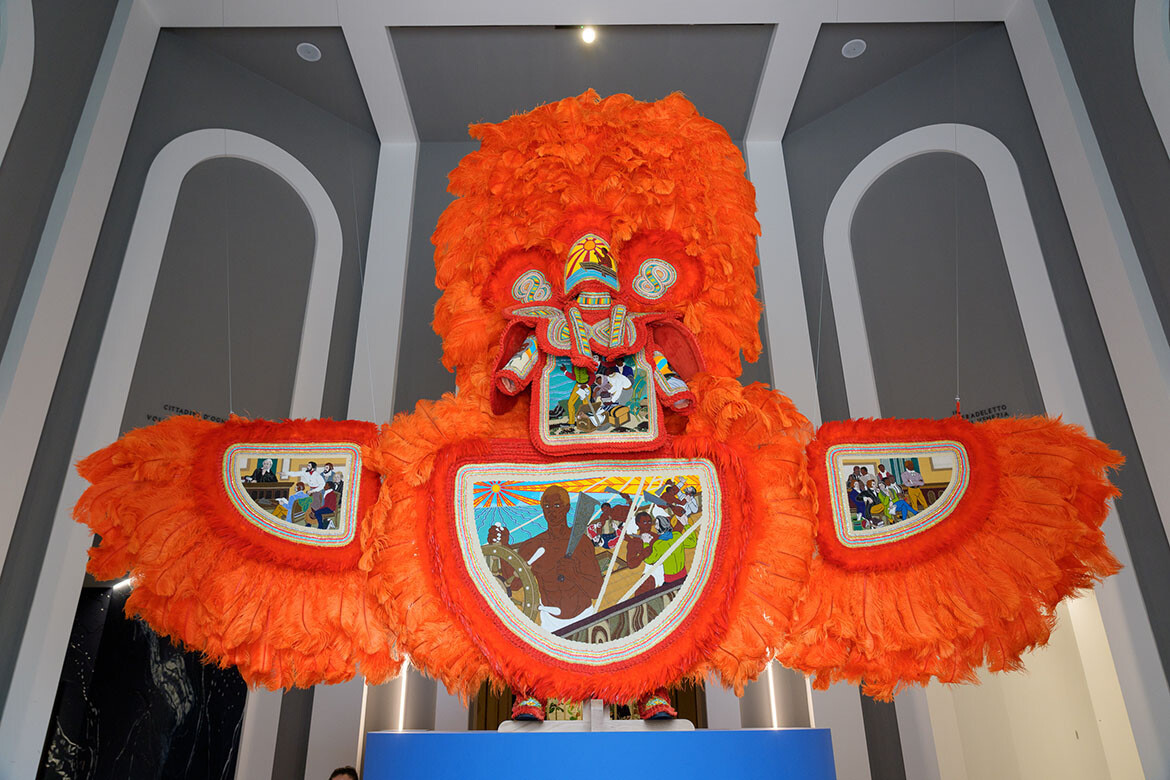
Visitors entering the Giardini’s central exhibition hall are greeted by Big Chief Desmond Melancon’s monumental orange feathered suit, Amistad Takeover (2026). Inspired by New Orleans’ Black Masking tradition, its intricate beadwork honours Native American communities who aided enslaved Africans.
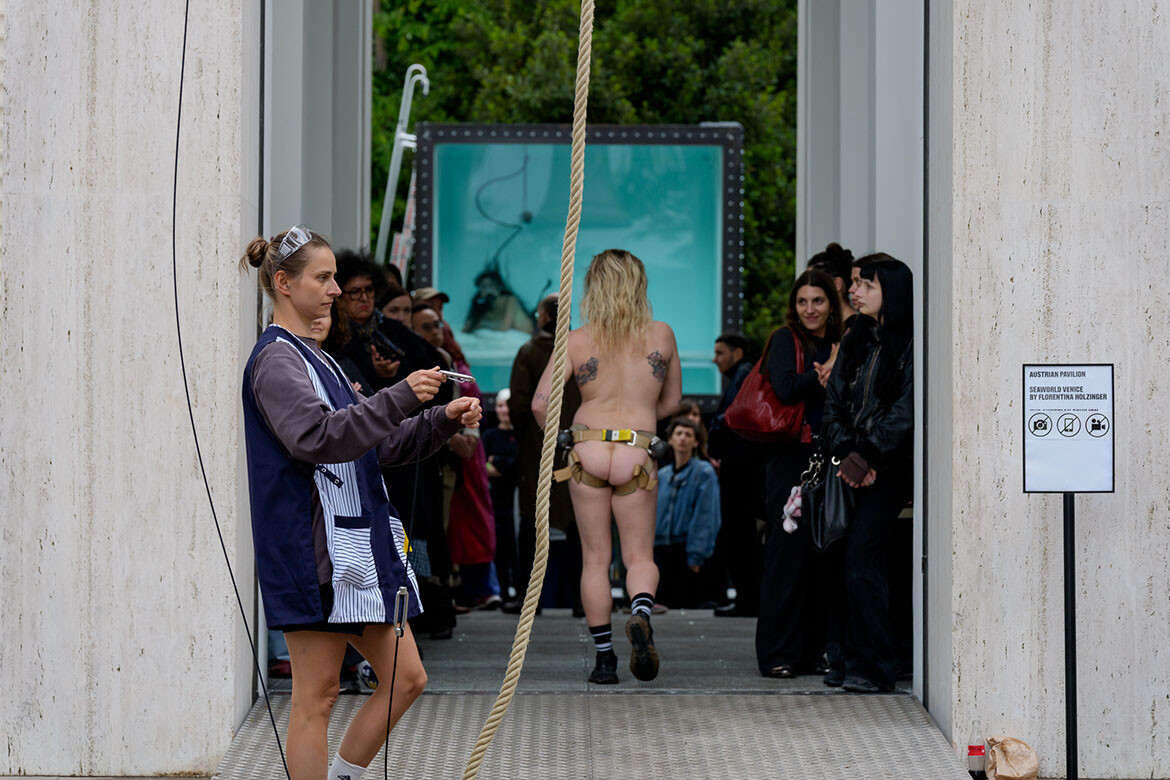
Performance art is another Biennale highlight. The most talked-about work is Florentina Holzinger’s Seaworld in the Austrian Pavilion. Every hour the naked artist rings a giant bell with her body, while inside the pavilion other nude performers ride jet skis in water tanks and immerse themselves in contaminated water. The theatrical spectacle evokes an unsettling vision of climate collapse and ecological degradation.
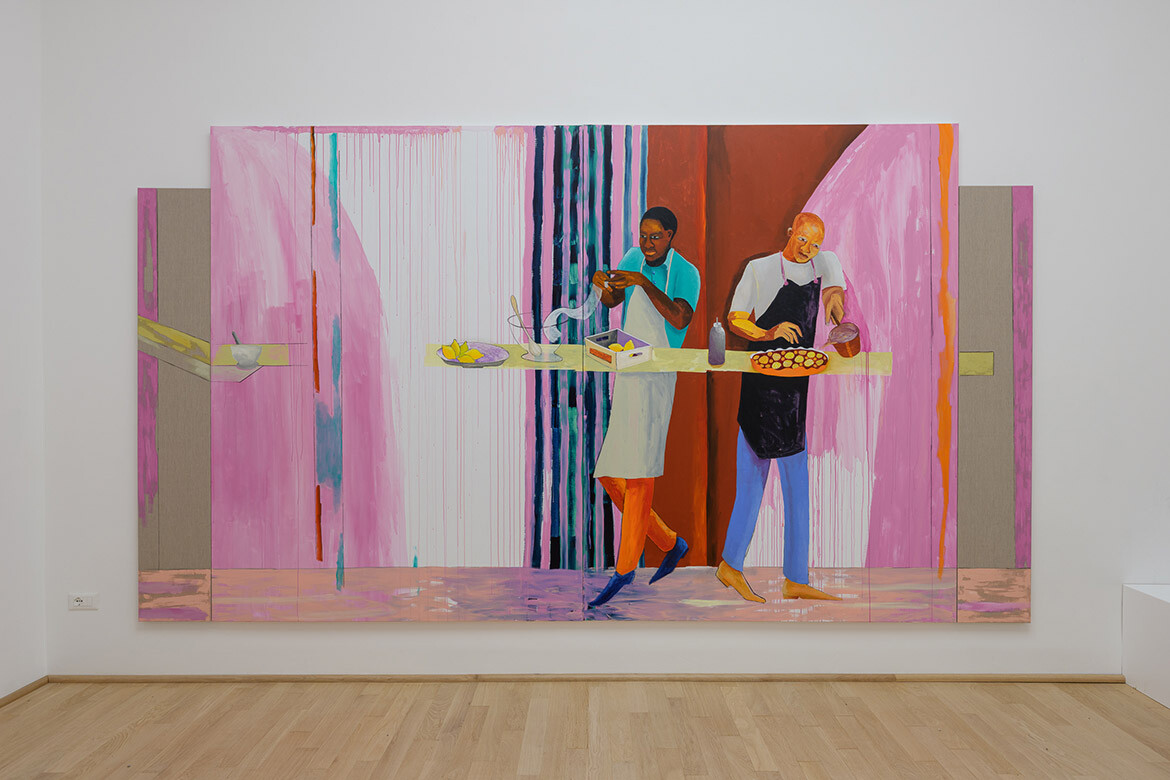
In the British Pavilion, Turner Prize winner Lubaina Himid presents vibrant multi-panel paintings depicting everyday life within Black migrant communities. Chefs, gardeners, architects, boatbuilders and tailors are portrayed not as symbols but as individuals creating new forms of belonging far from their homelands.
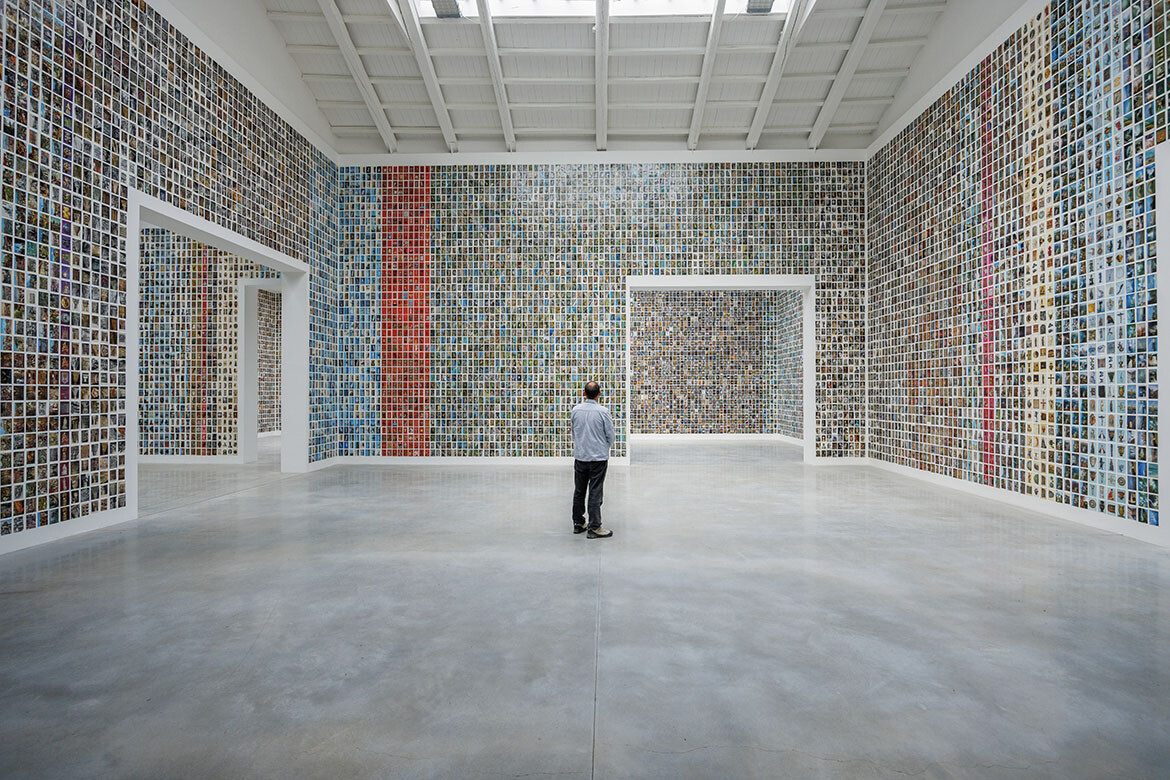
Meanwhile, Spain’s pavilion offers one of the Biennale’s most moving meditations on memory. Oriol Vilanova’s Los restos (The Remains) is built from postcards collected over more than 20 years. Once written, sent and discarded, they now cover entire walls in dense fields of colour. From a distance the installation resembles an abstract mural; close up, each card becomes a fragment of someone’s forgotten life.
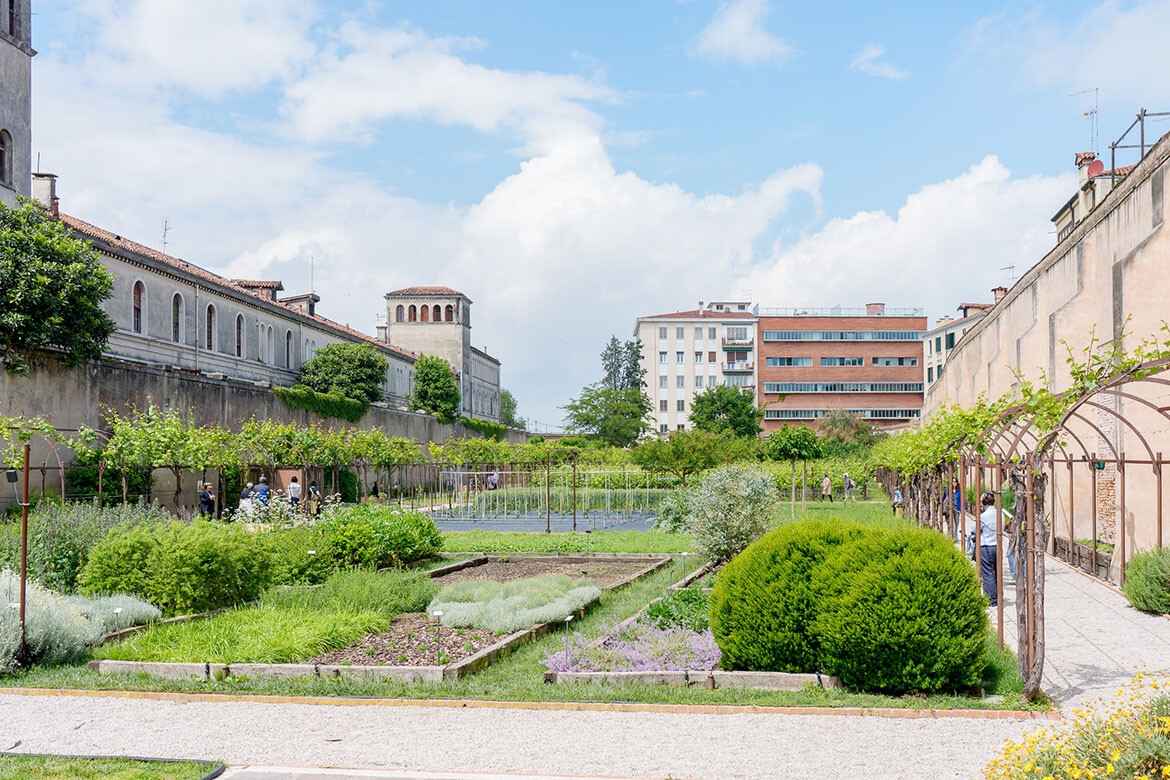
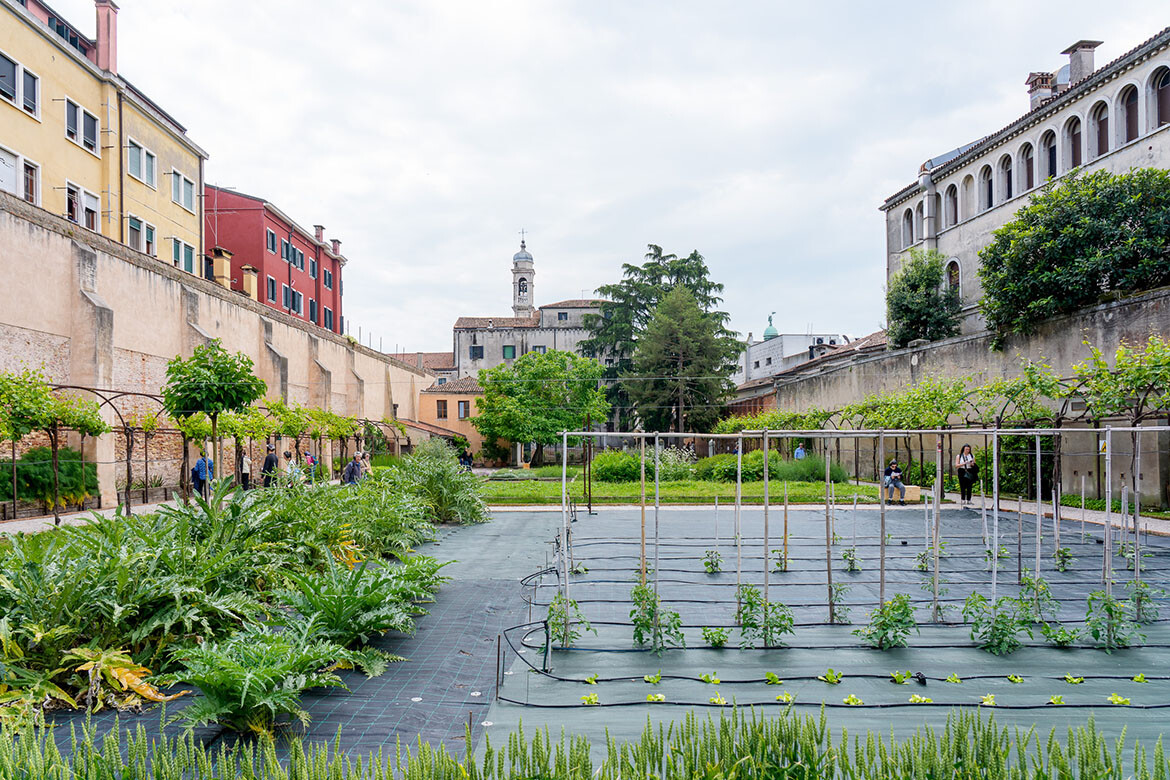
A final theme running through the Biennale is the garden as sanctuary. The most affecting example lies away from the main venues. The Holy See’s pavilion occupies a Carmelite monastery hidden beside Venice’s railway station. Titled The Ear Is the Eye of the Soul, it is a sound installation featuring compositions by Patti Smith, Brian Eno and others, inspired by the writings of the 12th-century mystic Hildegard of Bingen. Listening to the soundtrack, whilst wandering through the fragrant foliage of the enclosed garden, creates an atmosphere of reverential awareness and stillness.
Experiencing the hundreds of works across the 61st Venice Biennale is no mean feat, made even more challenging by the city’s countless satellite exhibitions. Yet after days of looking, listening and reflecting, it was the Holy See pavilion that lingered most powerfully. Unlike many contemporary artworks that explain their intentions at length, this installation simply embodied its message. In a Biennale shaped by protest and political uncertainty, that quiet sense of refuge felt both rare and uplifting.
Venice Biennale
labiennale.org
Photography
As credited (courtesy of La Biennale di Venezia)