The home of architecture and design in the Asia-Pacific
Get the latest design news direct to your inbox!

Get the latest design news direct to your inbox!
Annie Reid takes a look behind the doors of some of Melbourne’s key landmarks as part of Melbourne Open House.
August 3rd, 2011
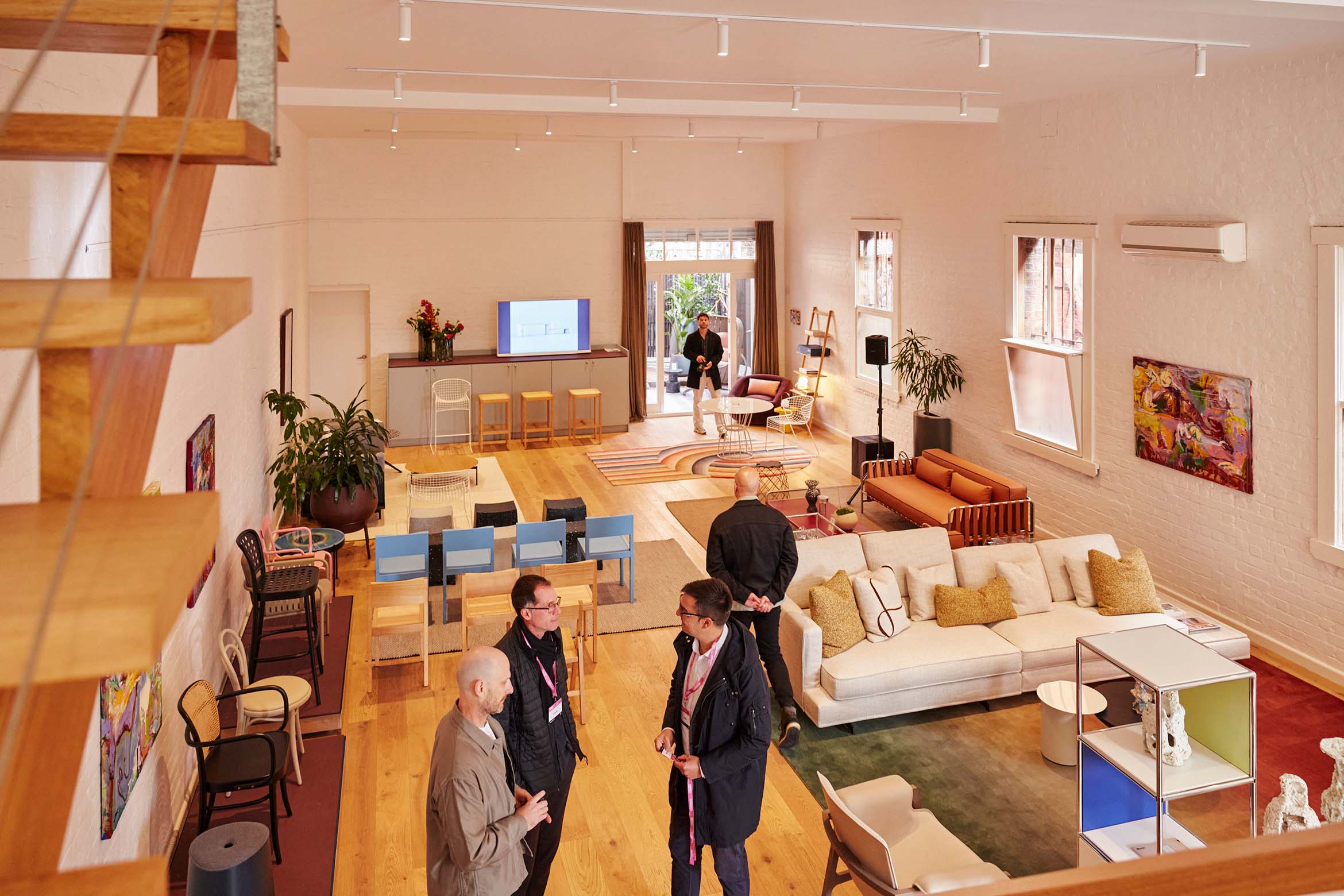
If ever there was a weekend to declare your love – as the MOH slogan suggests – last one was it.
The popular State of Design event was back for the fourth time, and Melbourne opened its doors to an adoring public keen to explore some hidden delights.
With 500 volunteers decked out in (very warm looking) bright red scarves and more than 100,000 visitors, the event was bigger and better than ever – and as always the queues, albeit with some improved balloting and ticketing systems, were impressive.
With 75 buildings open, I focussed on secret spaces, inspired by a recent conversation about remembering the nooks and crannies from our childhood homes.
The Russell Place Substation was first.
Each year the queues stretch ever longer, but it’s worth the wait.
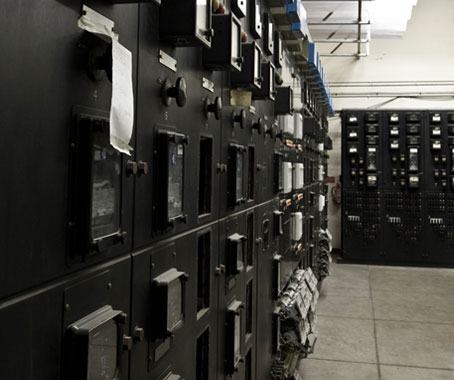
Who doesn’t fancy donning a hardhat, hairnet and coat? I couldn’t resist, and waited impatiently as our group finally descended three flights down to the city’s underbelly.
Flanked by chambers of prehistoric-looking generators, transformers and colossally thick cords, this live station once powered much of the city, but is now manned only for maintenance.
Special mention must go to the sci-fi mercury arc rectifiers, which the guys switch on just for MOH. These eerily blue-lit transformers flicker electric light and fire up with an almighty clunk.
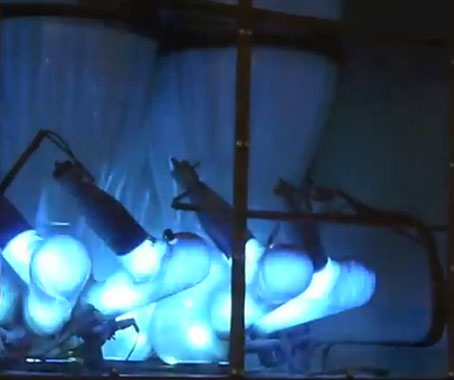
Strangely reminiscent of Ridley Scott’s alien pods, they’d be just at home on the set of Lang’s Metropolis.
A newbie this year was the Royal Melbourne Hospital Tunnels.
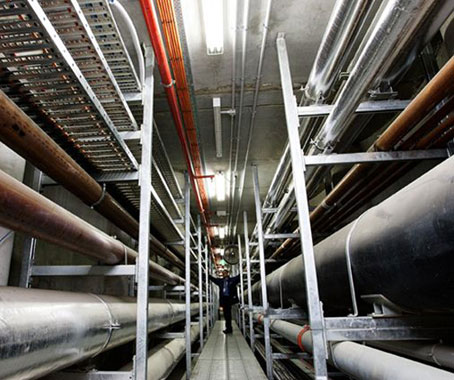
Resident expert Michael took us below the almighty complex, leading us around mammoth control rooms that power the building and some of the 3km of corridors.
We asked if rumours about spy tunnels, body pathology corridors and ghosts were true, but disappointingly Michael said none were founded.
However, some of the tunnels doubled as crucial air raid shelters during World War II.
Much like a ship, the hospital is mainly steam powered, and we wandered down corridors with some of the labyrinth’s 1000 pipes by our side.
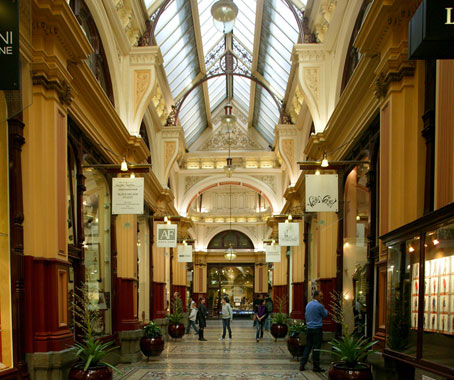
It was time to explore above ground, and a very passionate Beth showed off ’her’ Block Arcade.
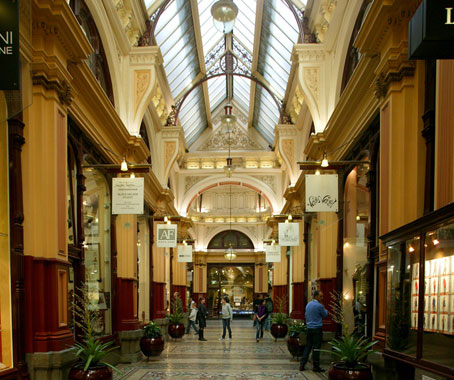
Showcasing the handcrafted timber staircase, rich panelling and old lift that she operated for ten years, she also walked us through the ’rabbit warren’ of offices once occupied by artisans and now used by barristers and solicitors.
A final visit to the Myer Mural Hall with its sweeping staircase and Art Deco details, and my tour is done.
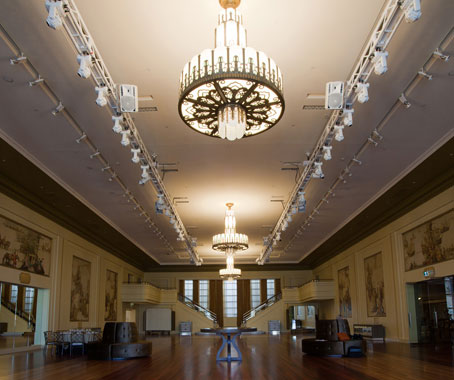
As impressive as it is peering into each space, it’s just as inspiring meeting the people behind the scenes. We look forward to more building owners, sponsors and partners throwing their doors open next year.
Melbourne Open House
melbourneopenhouse.org
INDESIGN is on instagram
Follow @indesignlive
A searchable and comprehensive guide for specifying leading products and their suppliers
Keep up to date with the latest and greatest from our industry BFF's!
The internet never sleeps! Here's the stuff you might have missed