They say that too many cooks in a kitchen can spoil a broth, but what about too many designers creating their office? This was a question that Studio 103 – a New South Wales-, Victoria- and Queensland-based interior design practice specialising in commercial projects – had to consider when designing a new shared office space in Melbourne for themselves and McCormack, a family-owned building service company.
“The biggest challenge was having so many decision makers on both teams – everyone had strong opinions and ideas,” explains Vanessa Serruto, an associate at Studio 103 and lead designer on this project.
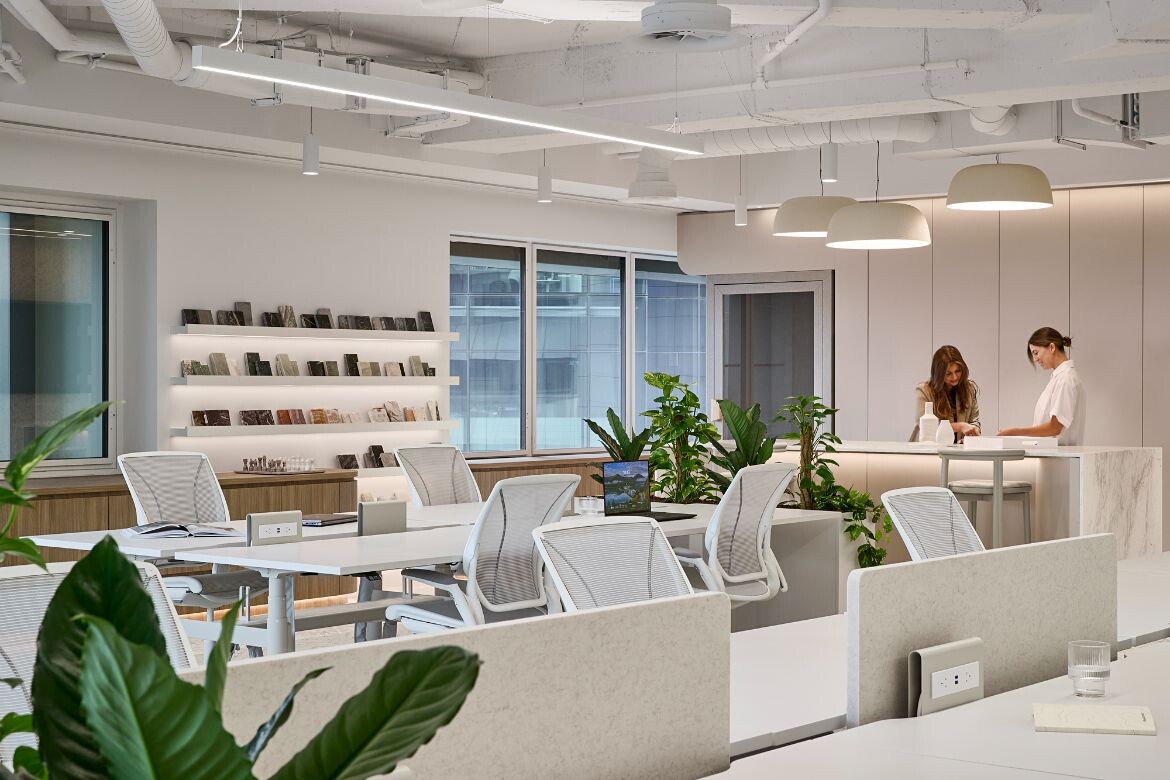
To allow for all the designers and builders’ inputs, rigorous staff surveys were conducted, capturing the teams’ needs and aspirations for the new space, as well as frustrations with their old offices. The feedback revealed that McCormack was looking for a “warm, sophisticated and more hospitality-driven” design, says Serruto. Meanwhile, Studio 103 “wanted something fresh and wellness-focused.” Both teams were looking for spaces that support collaboration and performance.
Taking this feedback into account, Serruto and her team developed a design that divided the space in such a way that McCormack and Studio 103 “could sit by side-by-side but still retain their own distinct identities.”
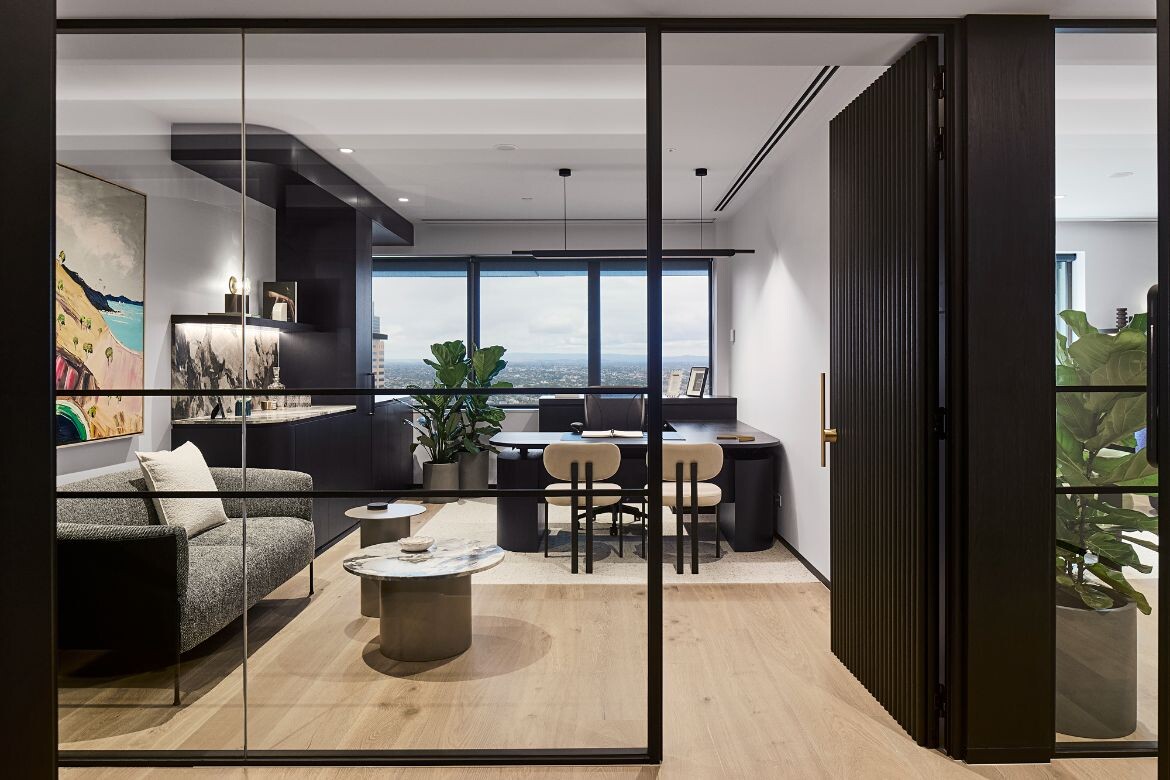
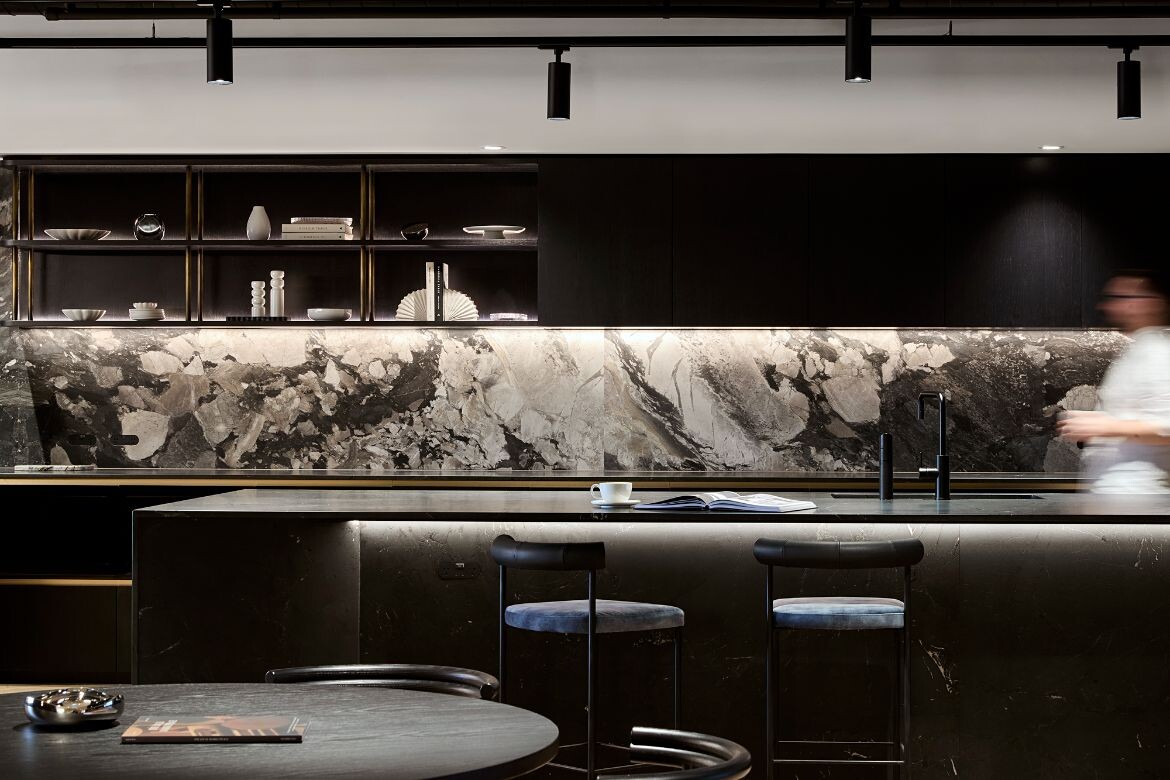
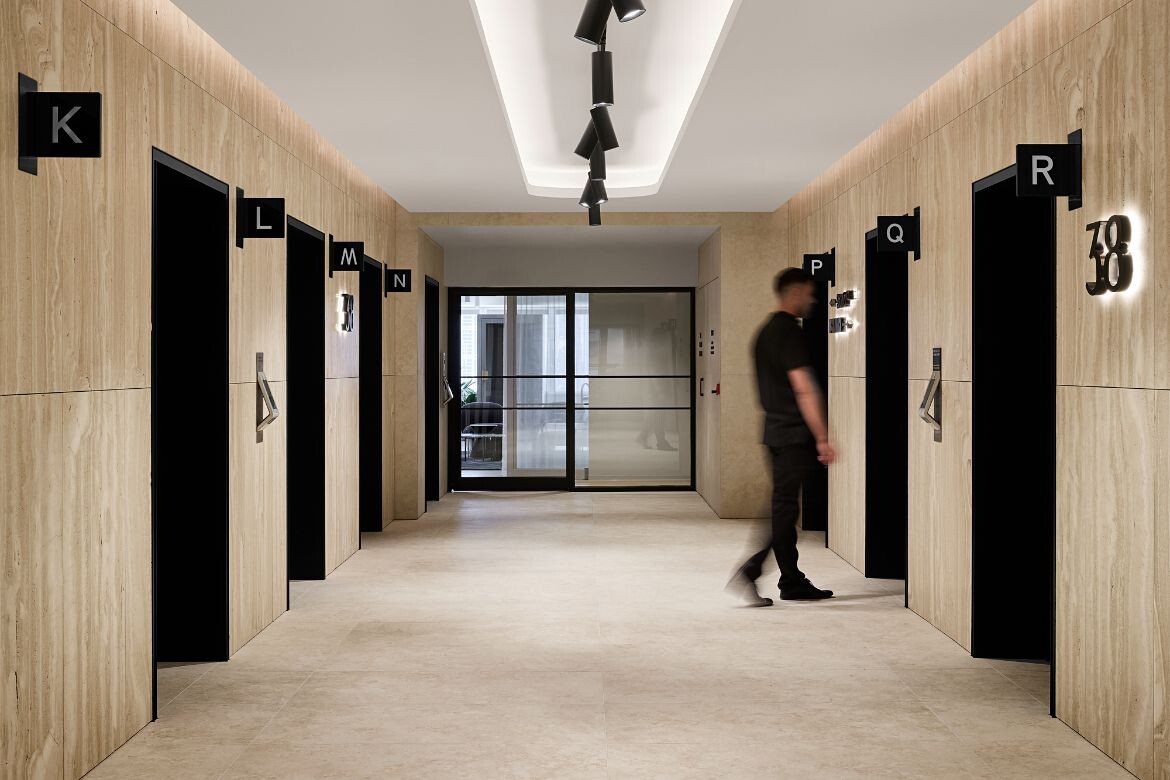
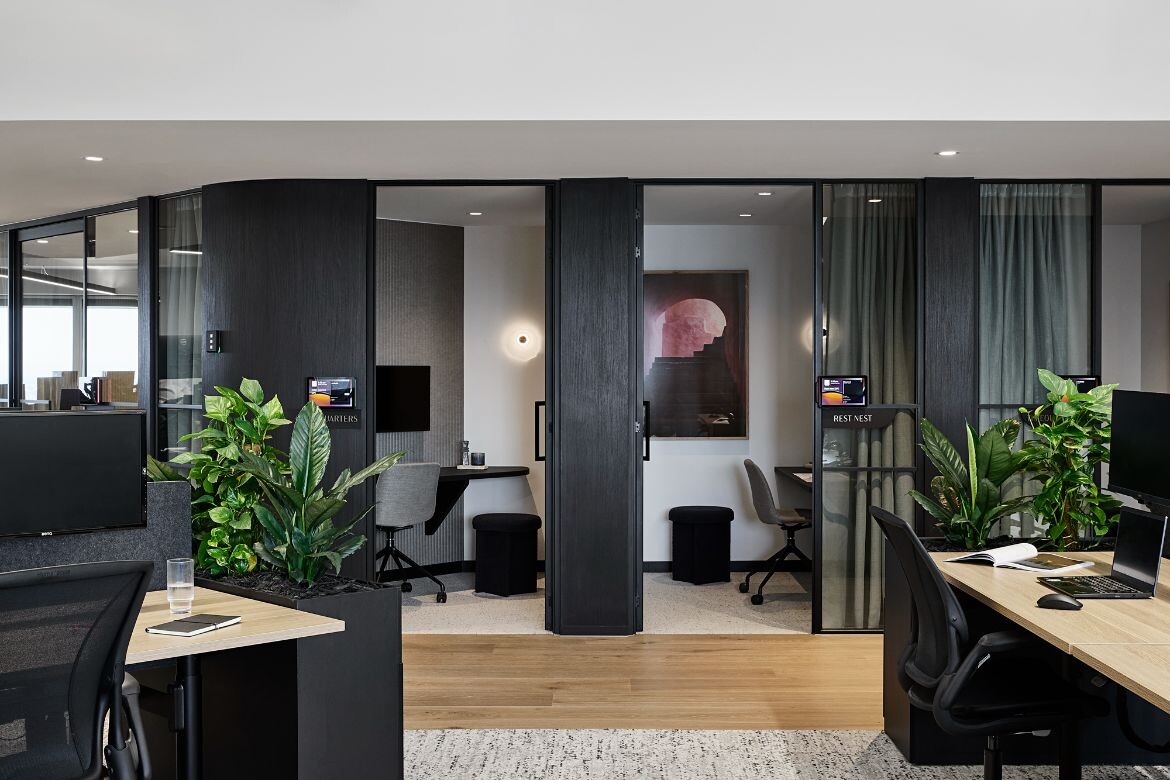
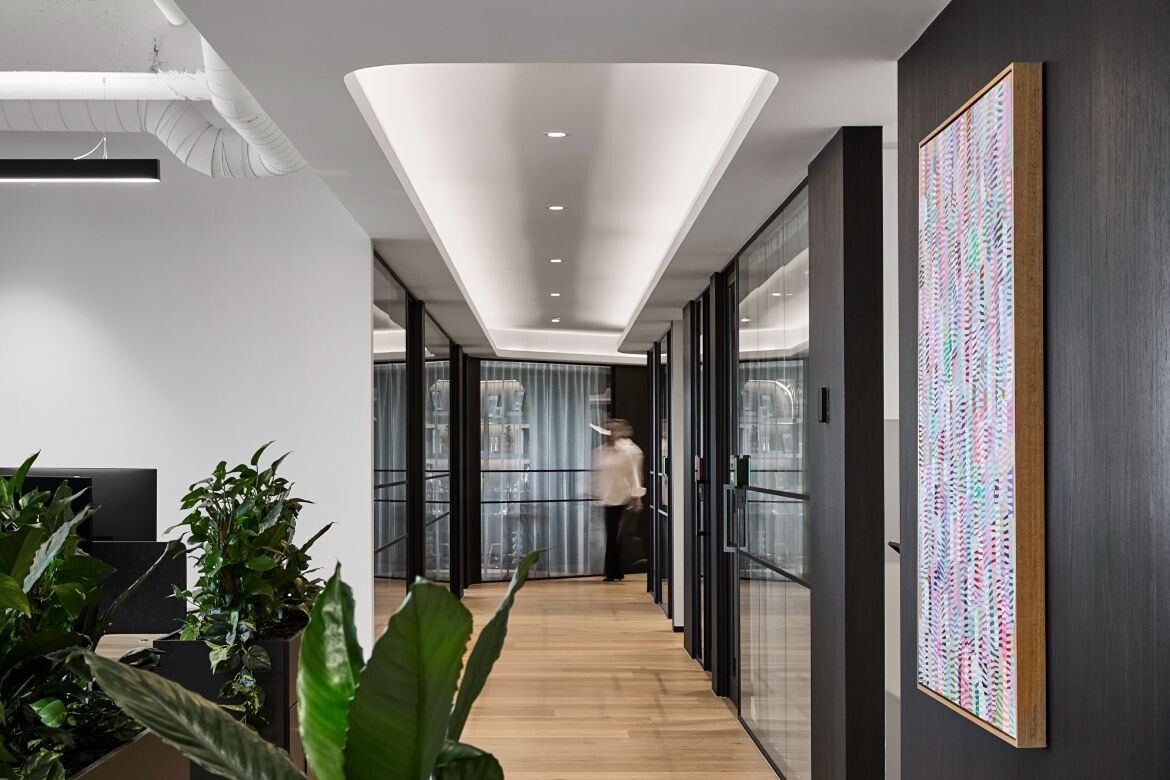
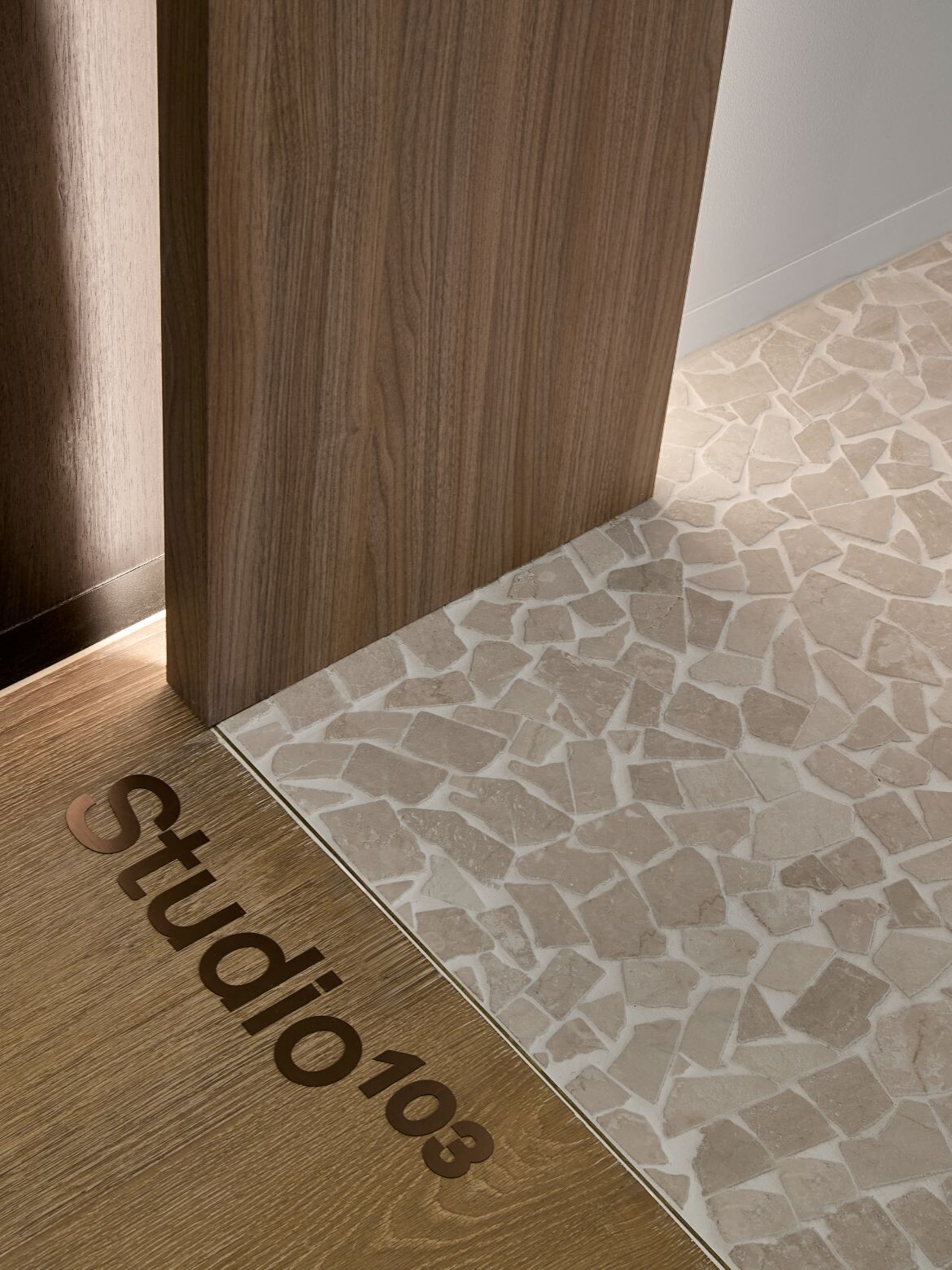
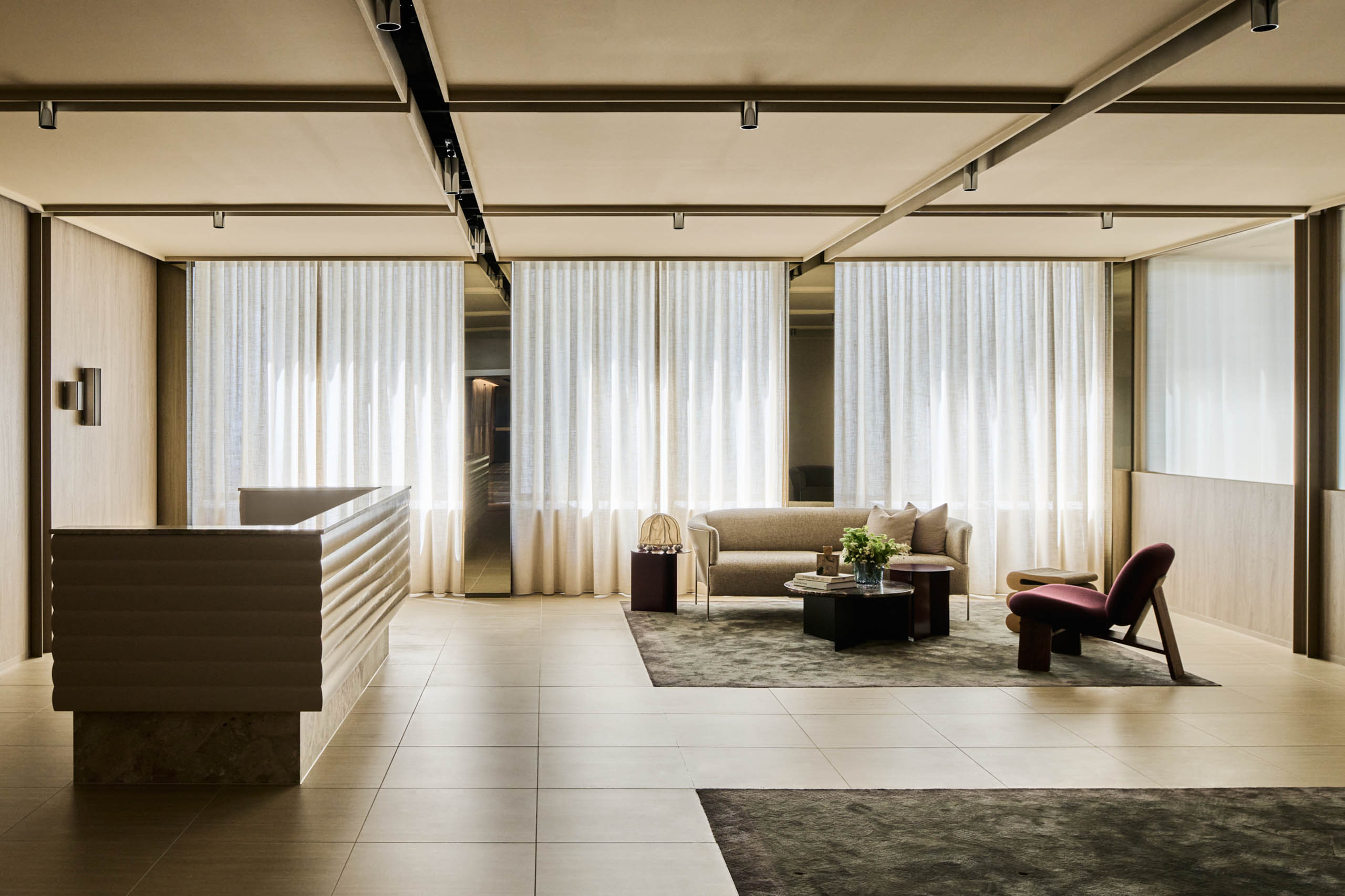
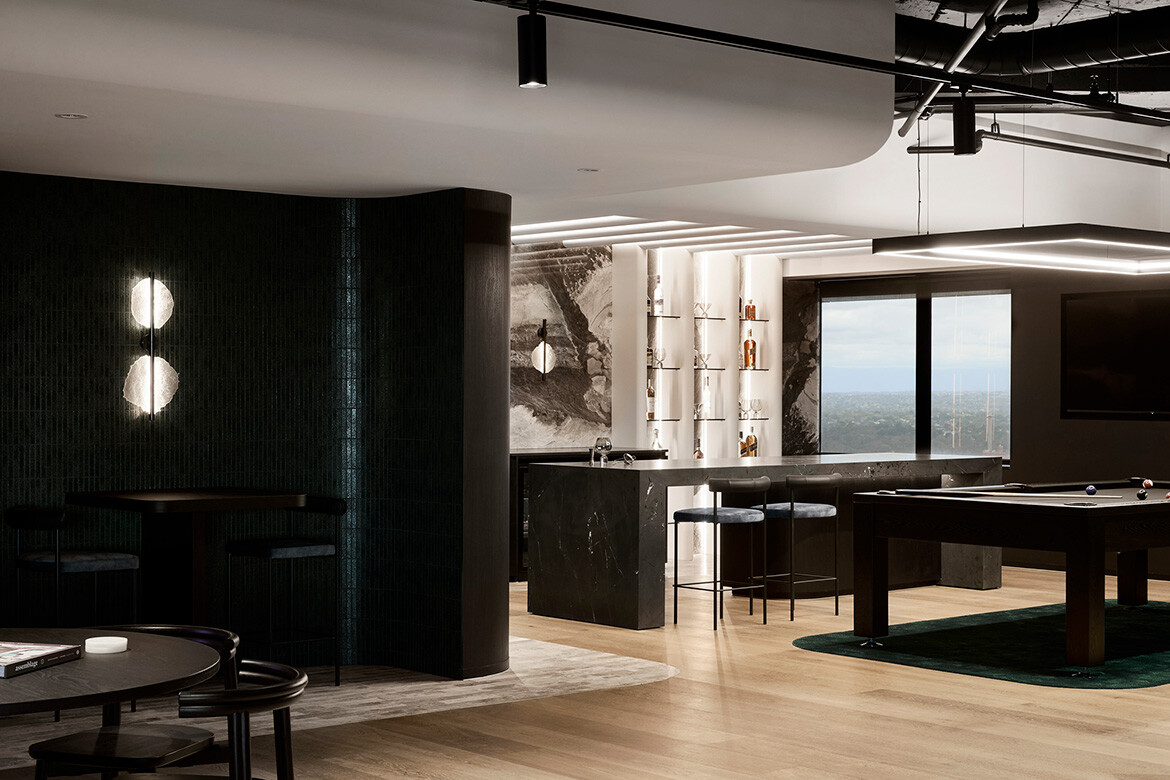
A continuous timber floor wraps around the core of the offices, acting as both a unifying material and a subtle wayfinding element. The curved and sculptural ceiling that undulates in height similarly “became a defining architectural thread, flowing seamlessly from the entrance and boardroom then connecting through to the shared spaces of the kitchen, bar and breakout spaces.”
While the two offices differ in feel, it was integral to both that the finishes, details and fittings were well refined as the spaces will be used as a kind of working showroom to demonstrate the possibilities and qualities of diverse material application to clients. “Every material, finish and detail, from textured walls to a single door handle, was intentionally chosen to create layered, purposeful zones,” says Serruto.
Related: Highlights from Saturday Indesign 2025
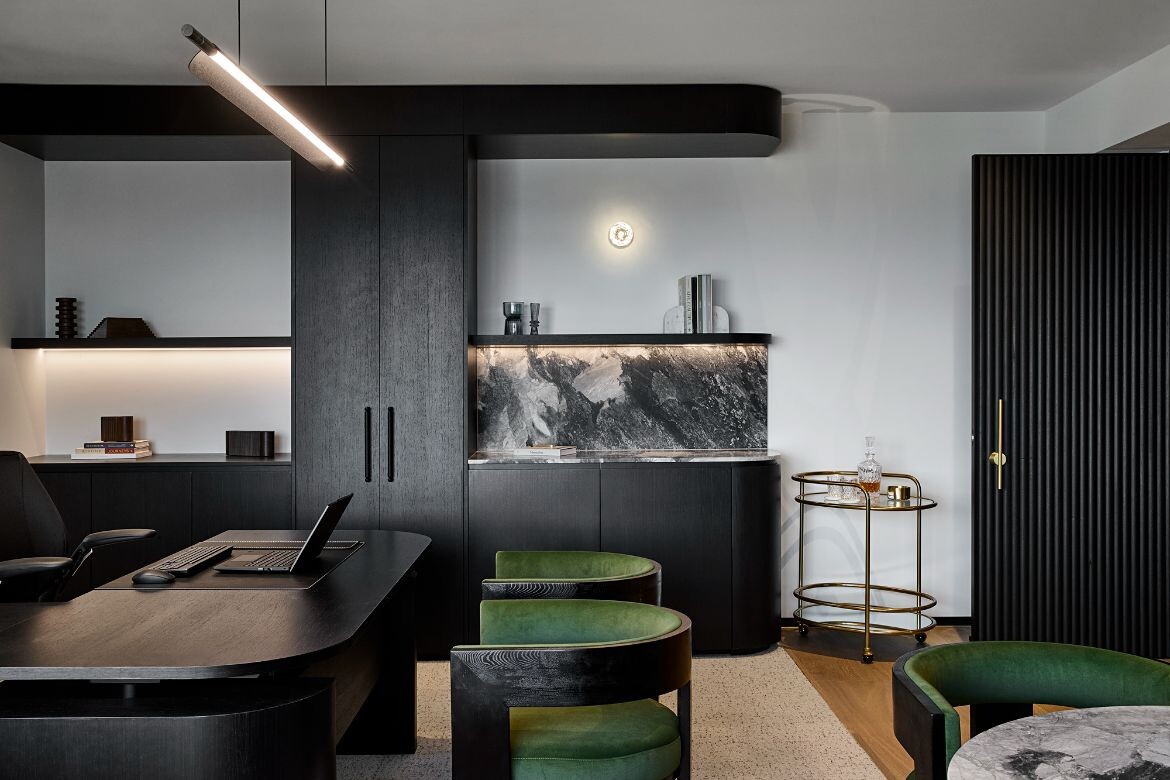
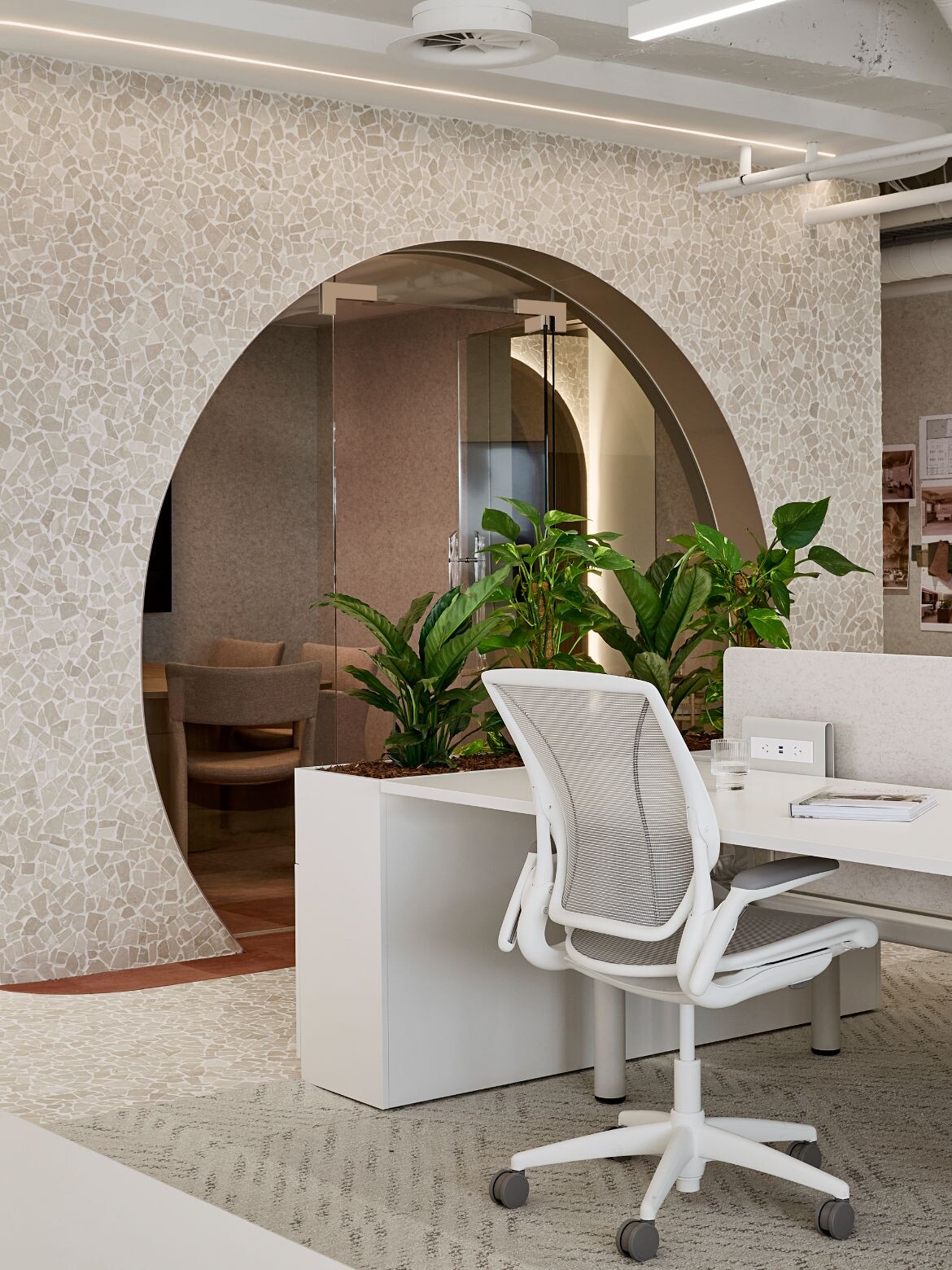
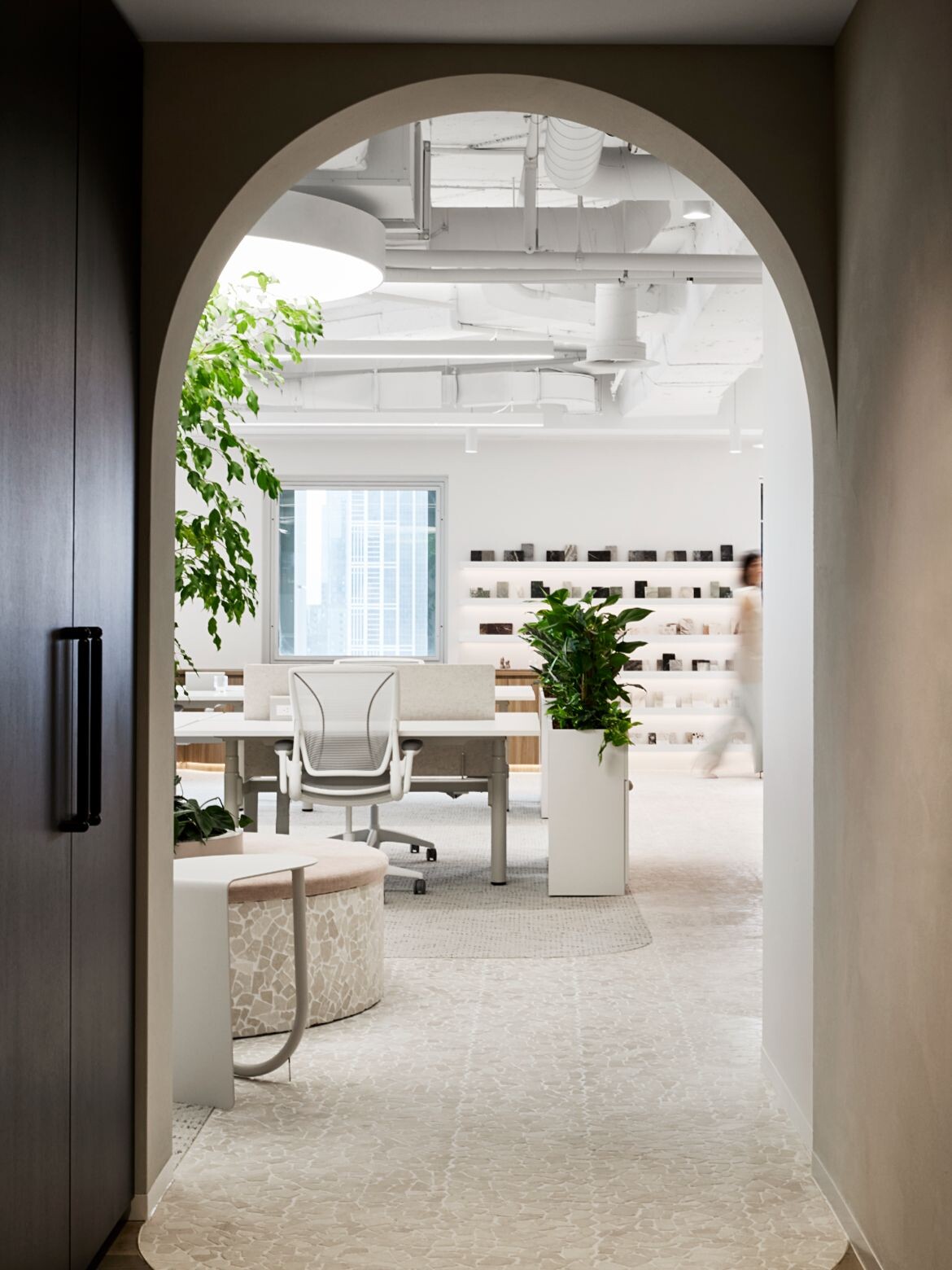
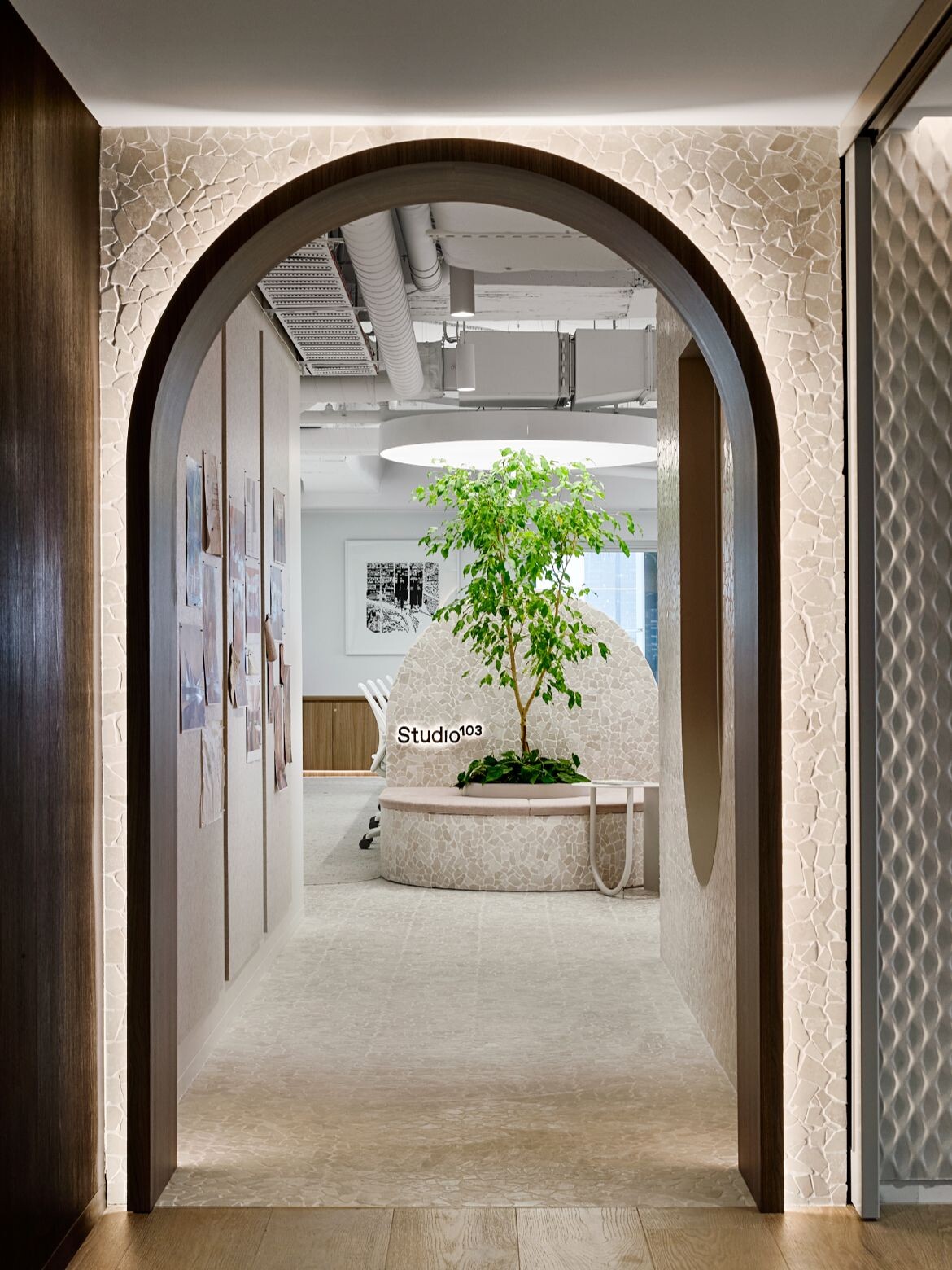
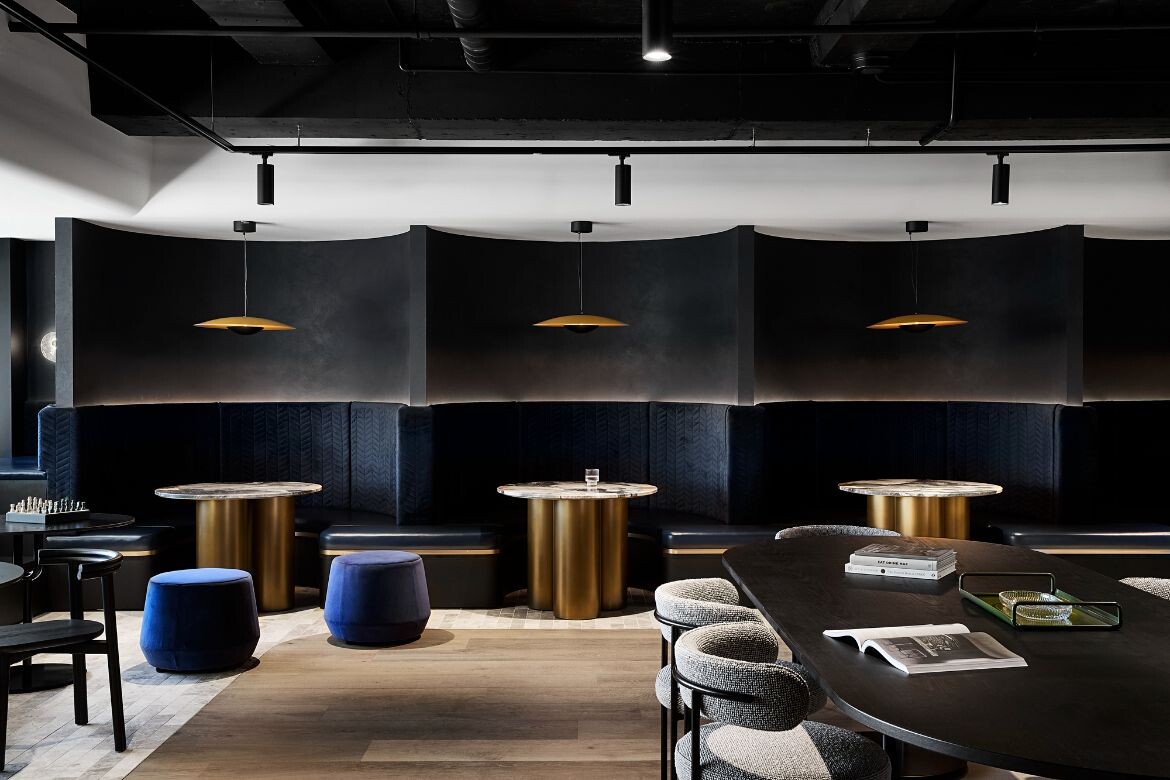
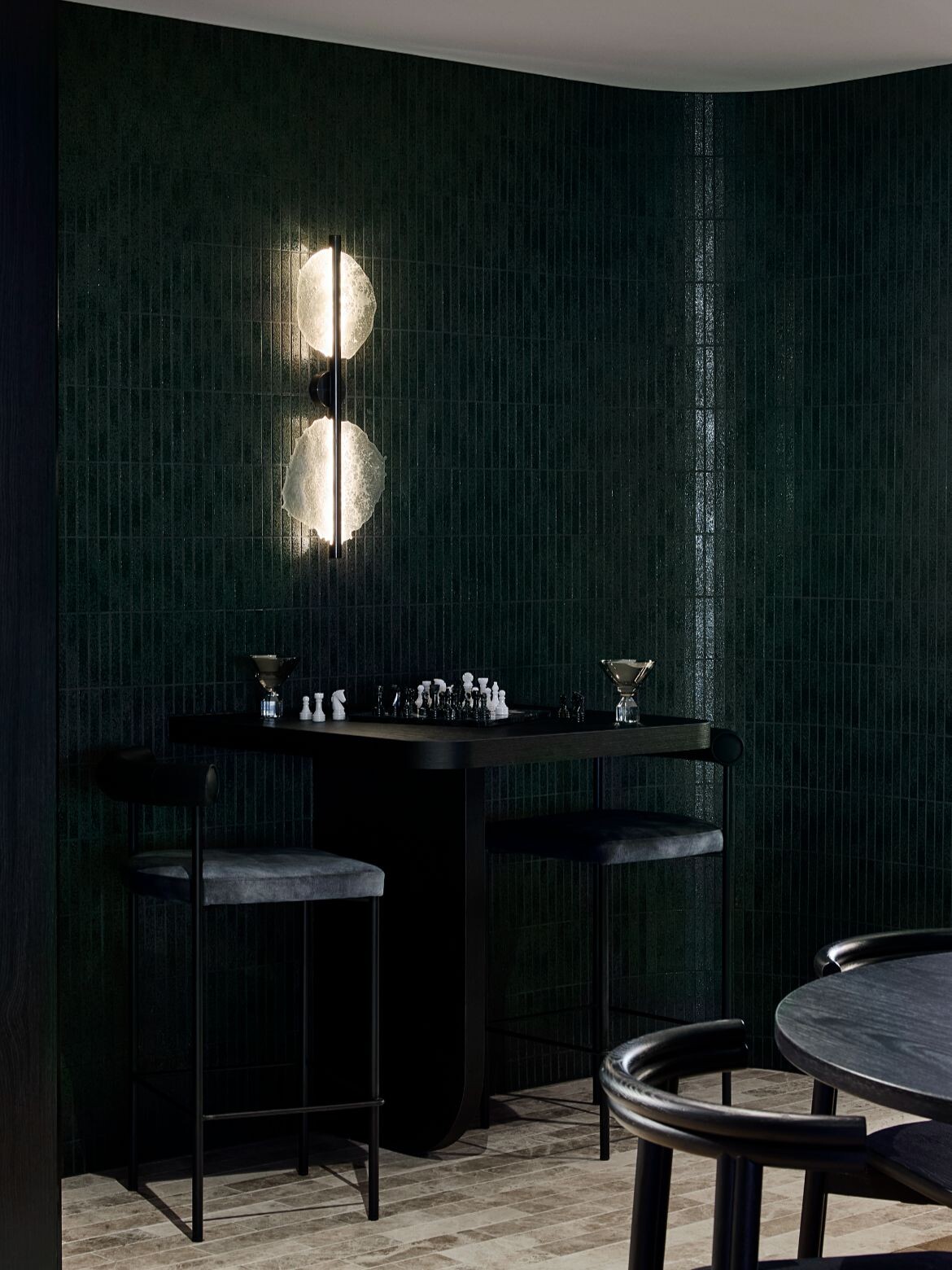
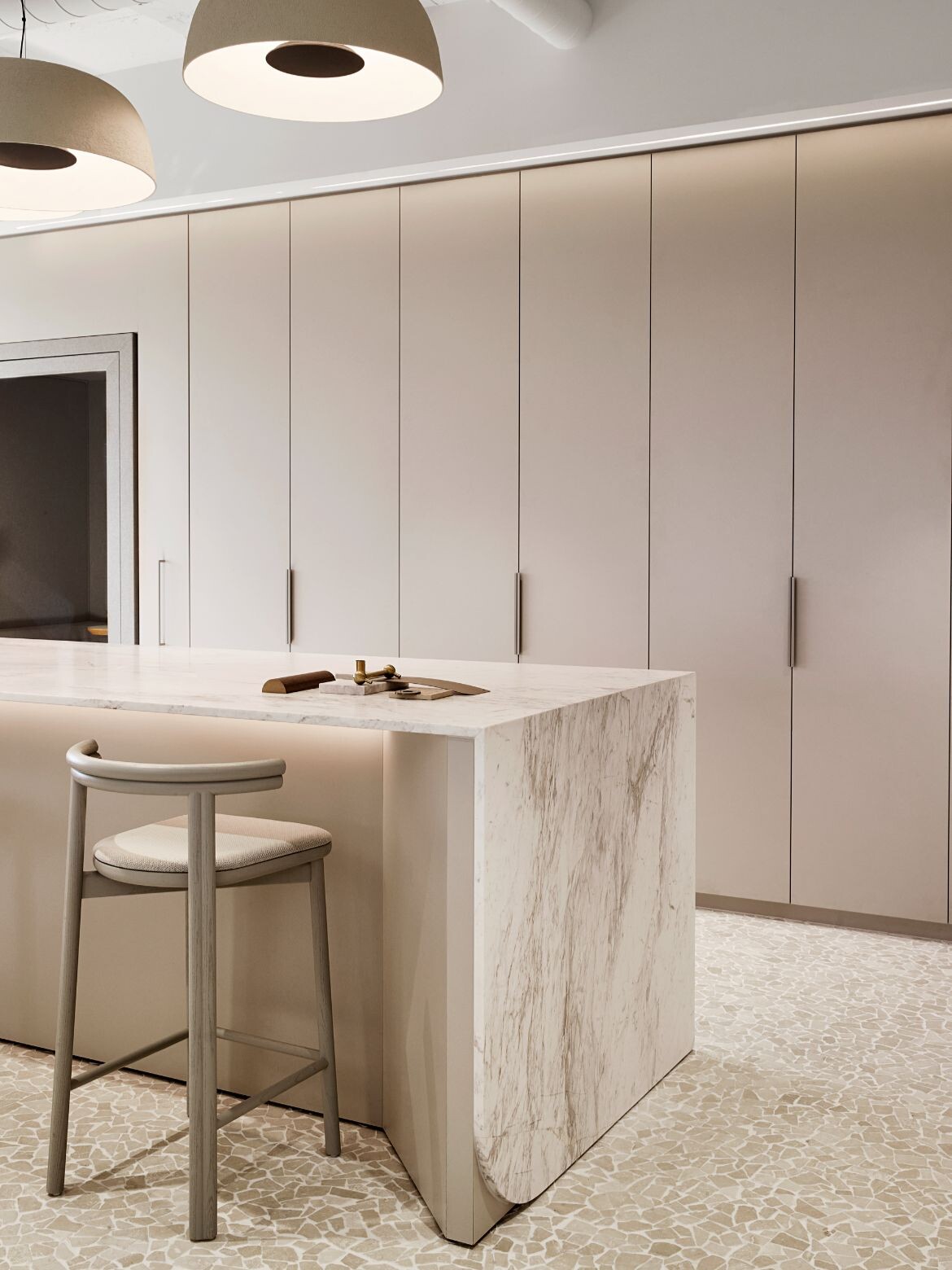
In McCormack’s office, darker timbers, textured finishes and leathers were chosen. While Studio 103’s space contrasts this with lighter timbers, a consistent use of white and natural tones and terrazzo style tiling on the floor. The arched and circular doorways and curved inbuilt shelving nooks and cabinetry also add a distinctive and fresh feel. Both teams drew on their strong relationship with suppliers which “allowed us to explore a wide range of finishes across joinery, furniture, flooring and walls – it was a real privilege,” reflects Serruto.
While designing an office with many designers can be challenging, it also provided a level of freedom and flexibility that is unusual when working for an external client. “We were able to adapt the design in real time as site conditions were revealed,” Serruto explains.
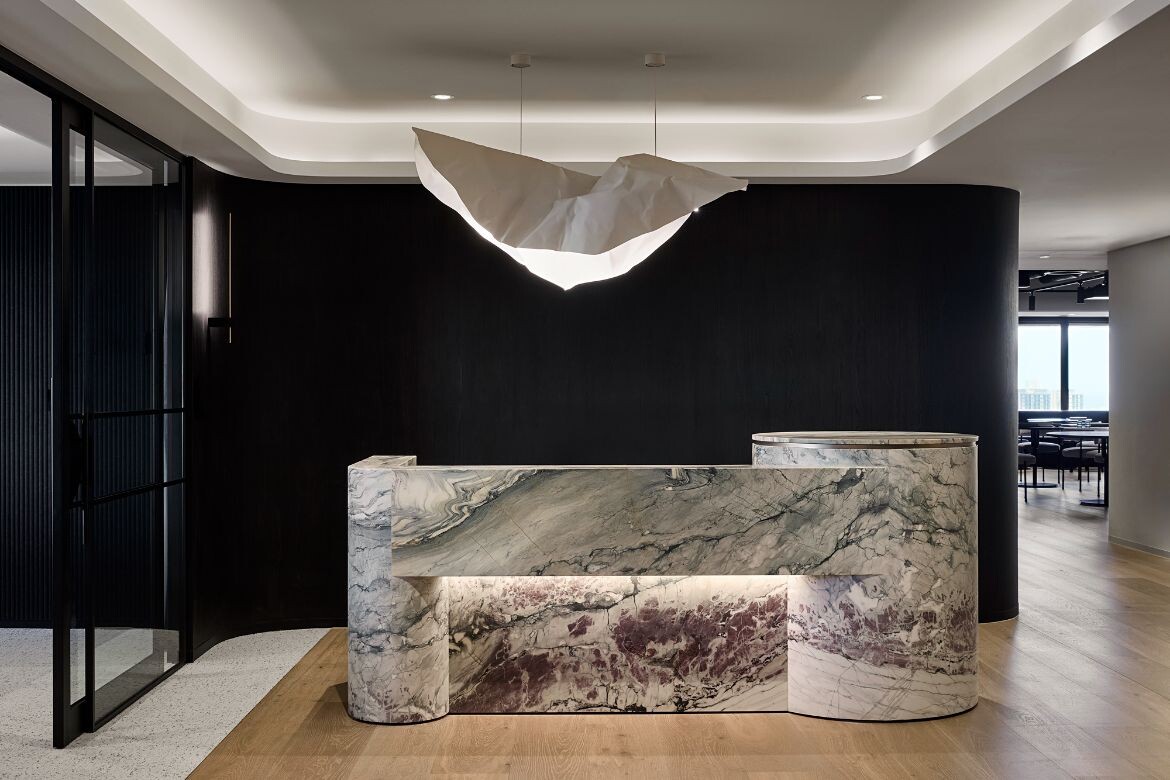
Some of the outcomes of this freedom included adjusting meeting room sizes once demolition revealed extra space, refining the ceiling heights and lighting details to conceal fixtures more elegantly, incorporating builder and trade feedback on site around centring furniture, resolving wall thickness and optimising joinery detail. “This freedom allowed the final product to be even more refined than the original plans,” Serruto reflects.
“The power of collaboration – involving the whole team from junior staff members through to tradespeople, enriched the design process and ensured the final space reflected collective needs,” Serruto concludes, adding that this is an approach they will be taking forward into future office design commissions – working with their clients to ensure that many opinions and ideas do not spoil the broth, but strengthen it.
Studio 103
studio103.com.au
McCormack
mccormack.com.au
Photography
Shannon Mcgrath