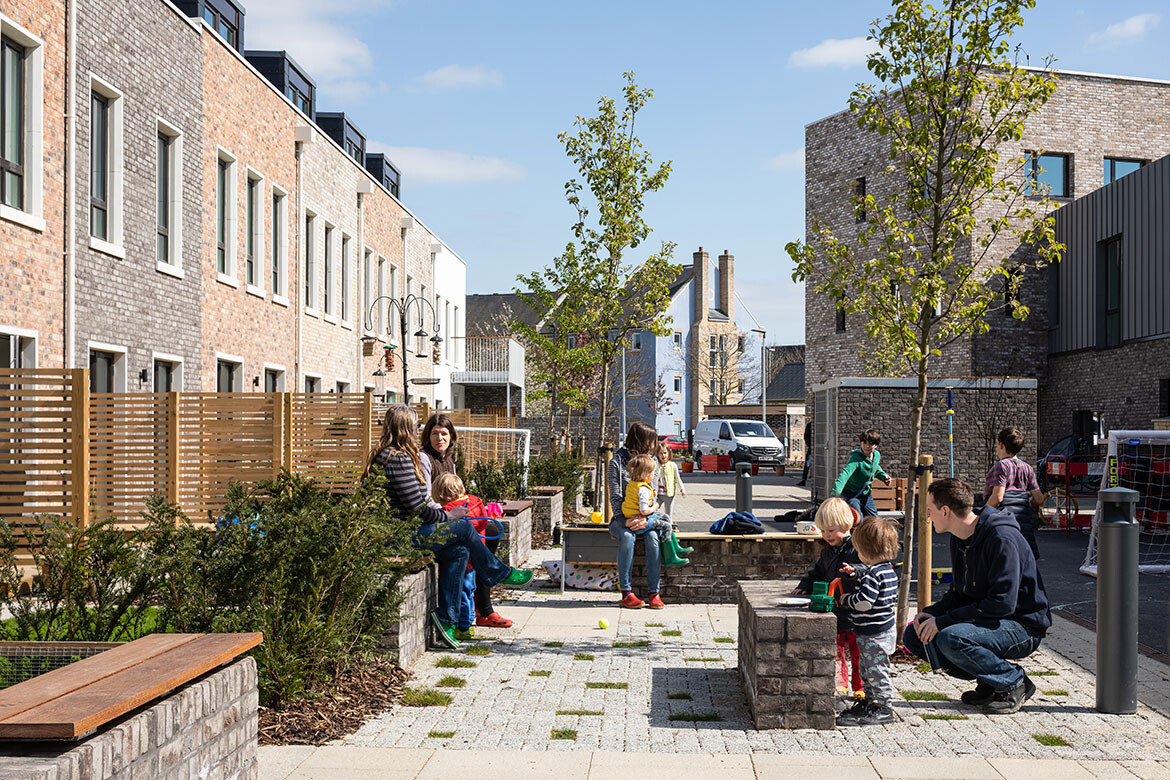
‘Come Together’ takes a global view of multigenerational design, an increasingly popular phenomenon with some especially notable examples in Australia.

_featurep.18top_MoleArchitects,PhotoDavidButler,ComeTogether,gestalten2021
November 18th, 2025
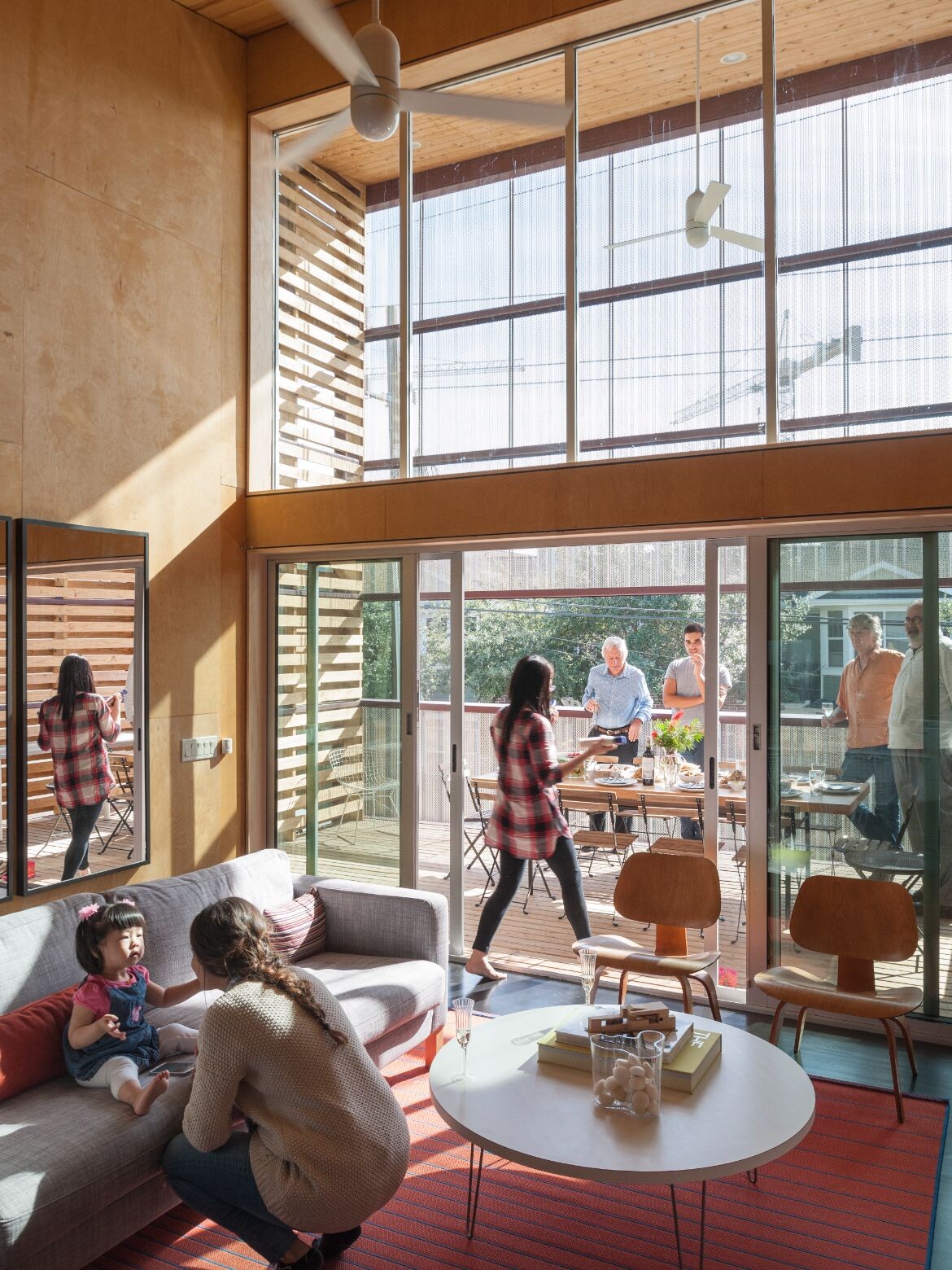
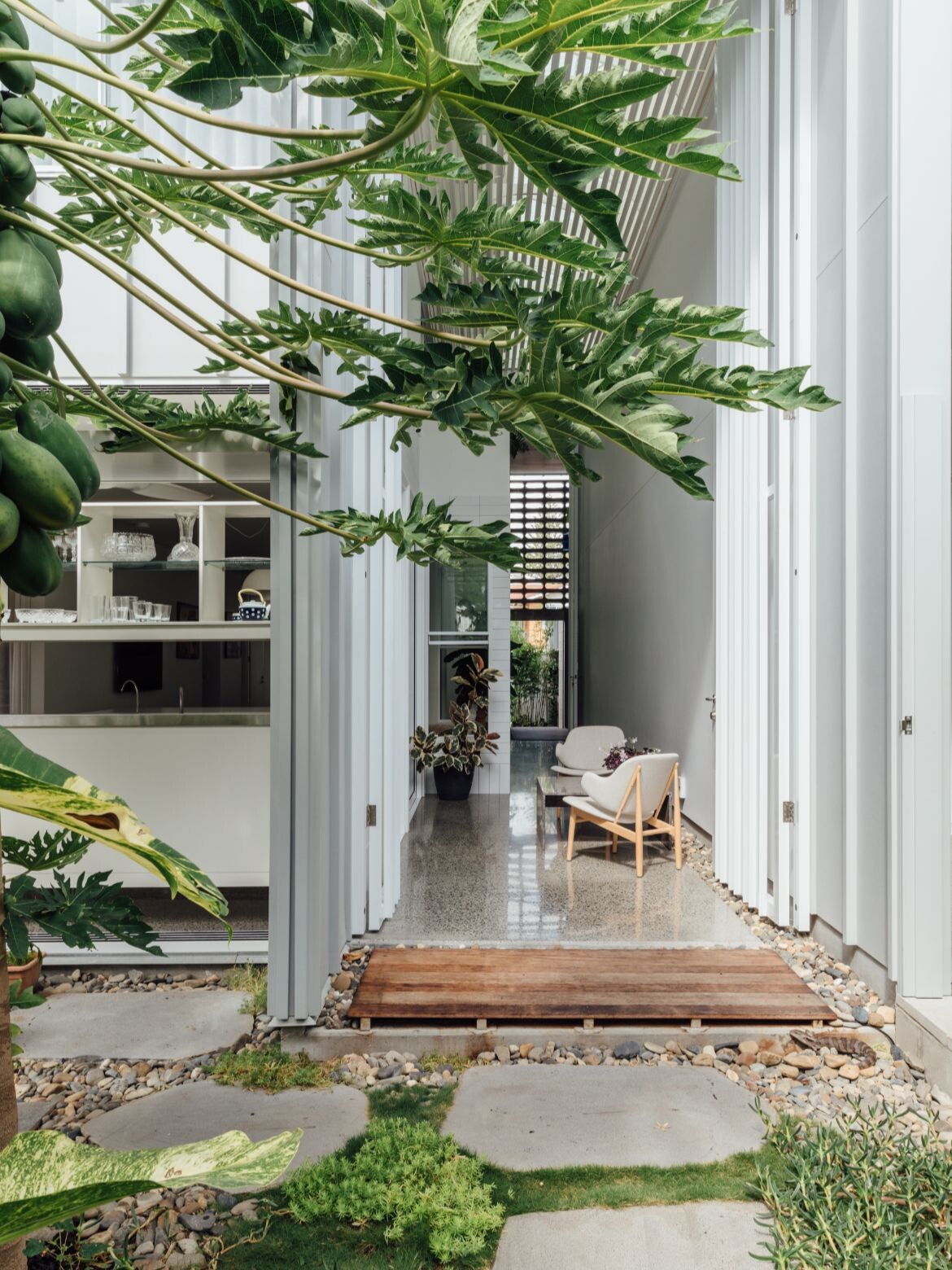
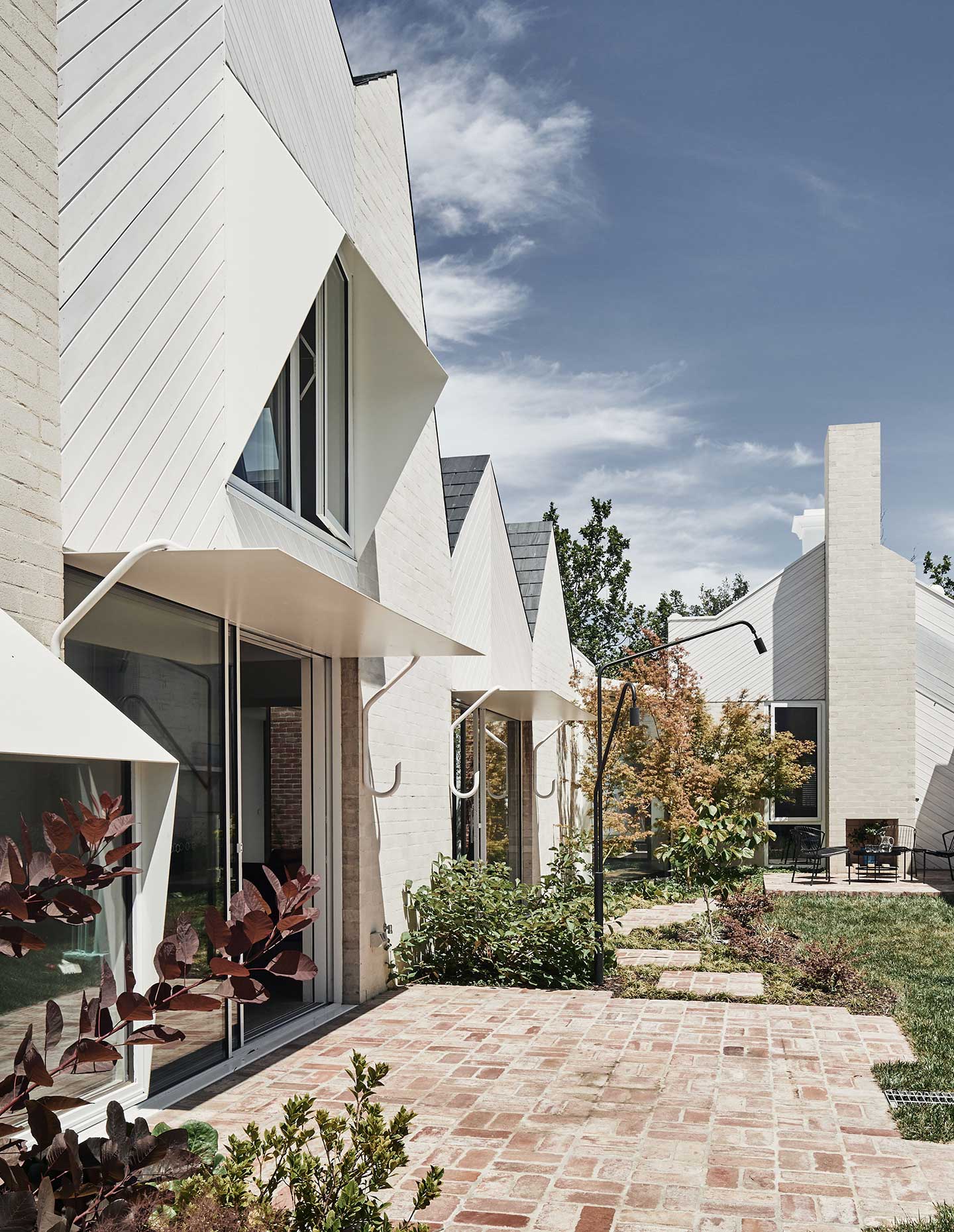
Conceived, edited and designed by gestalten, Come Together is a timely book that brings a curated focus on multigenerational residential architecture. Joann Plockova writes the introduction, with a project by Melbourne’s Austin Maynard Architects, photographed by Peter Bennetts, adorning the front cover.
The idea of multigenerational design is, in one sense, not remotely new. It’s a form of dwelling that humans have used since, well, forever. However, there is a definite timeliness and relevance in the context of contemporary architectural design.
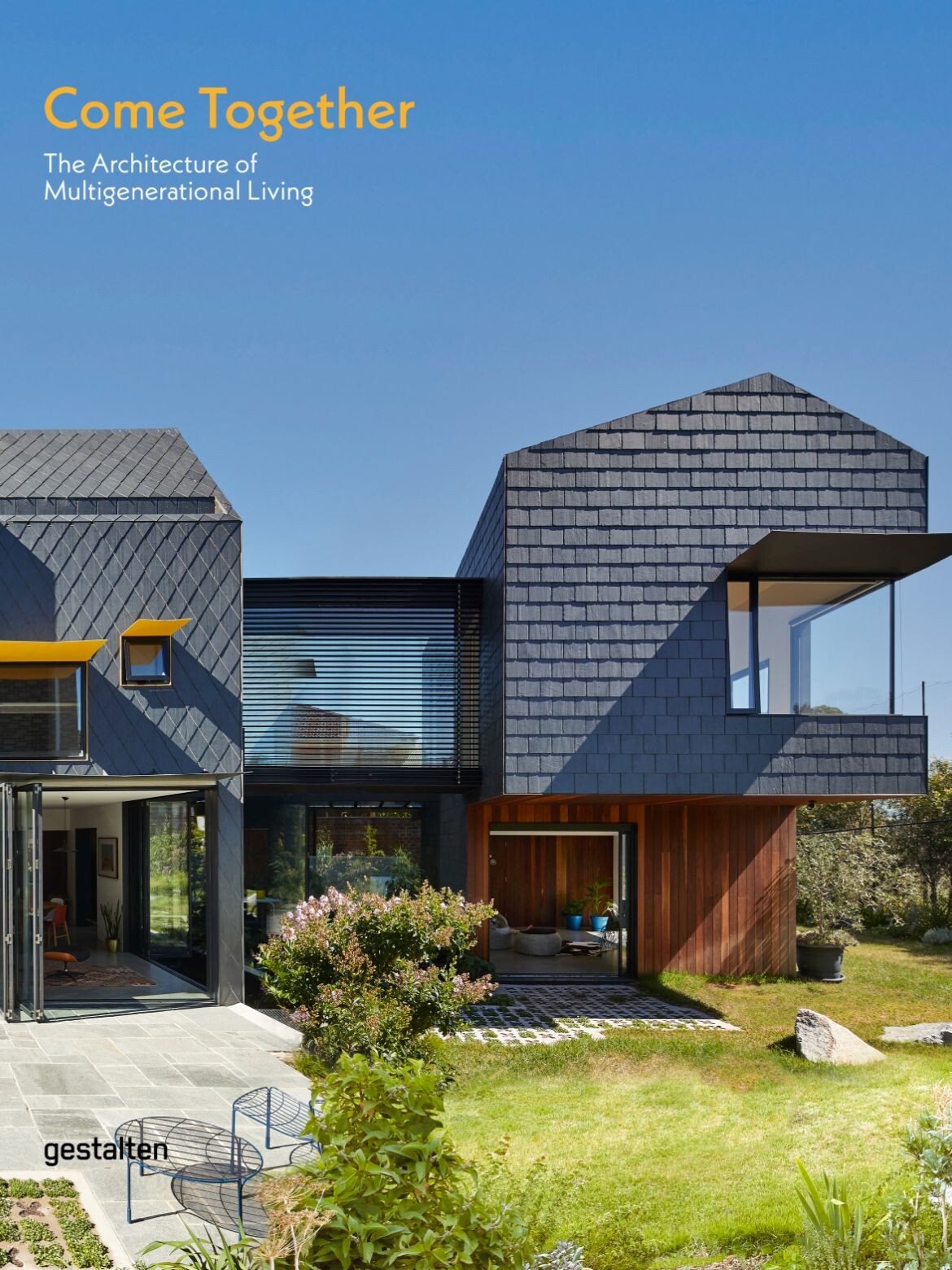
People around the world are increasingly questioning staid models of the nuclear suburban home, and more experimental or unconventional models of living are finding a keen audience. Then there is the rather more concrete context of housing affordability crises in cities such as Sydney and Melbourne.
“It’s important to note upfront,” writes Plockova in the introduction, “that multigenerational housing is a choice for some, but for many more it’s a decision made out of economic necessity.”
Related: Auckland Design Week 2026 launches with bold vision for People + Place
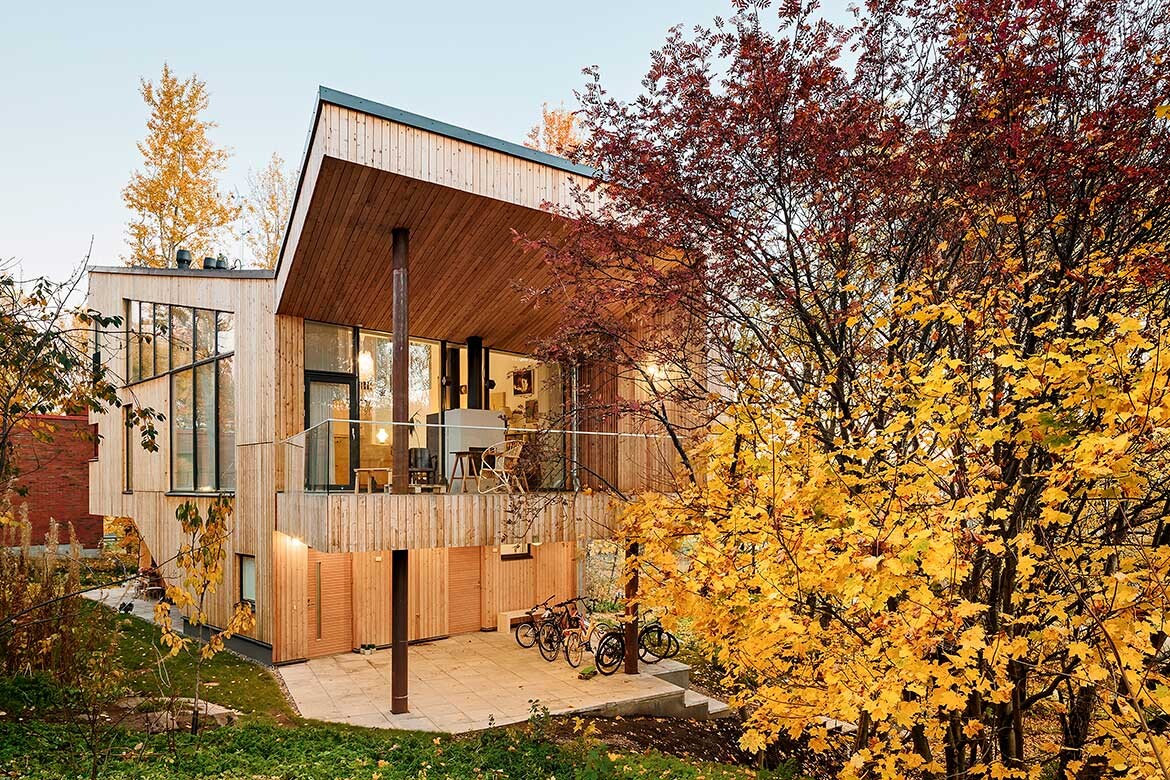
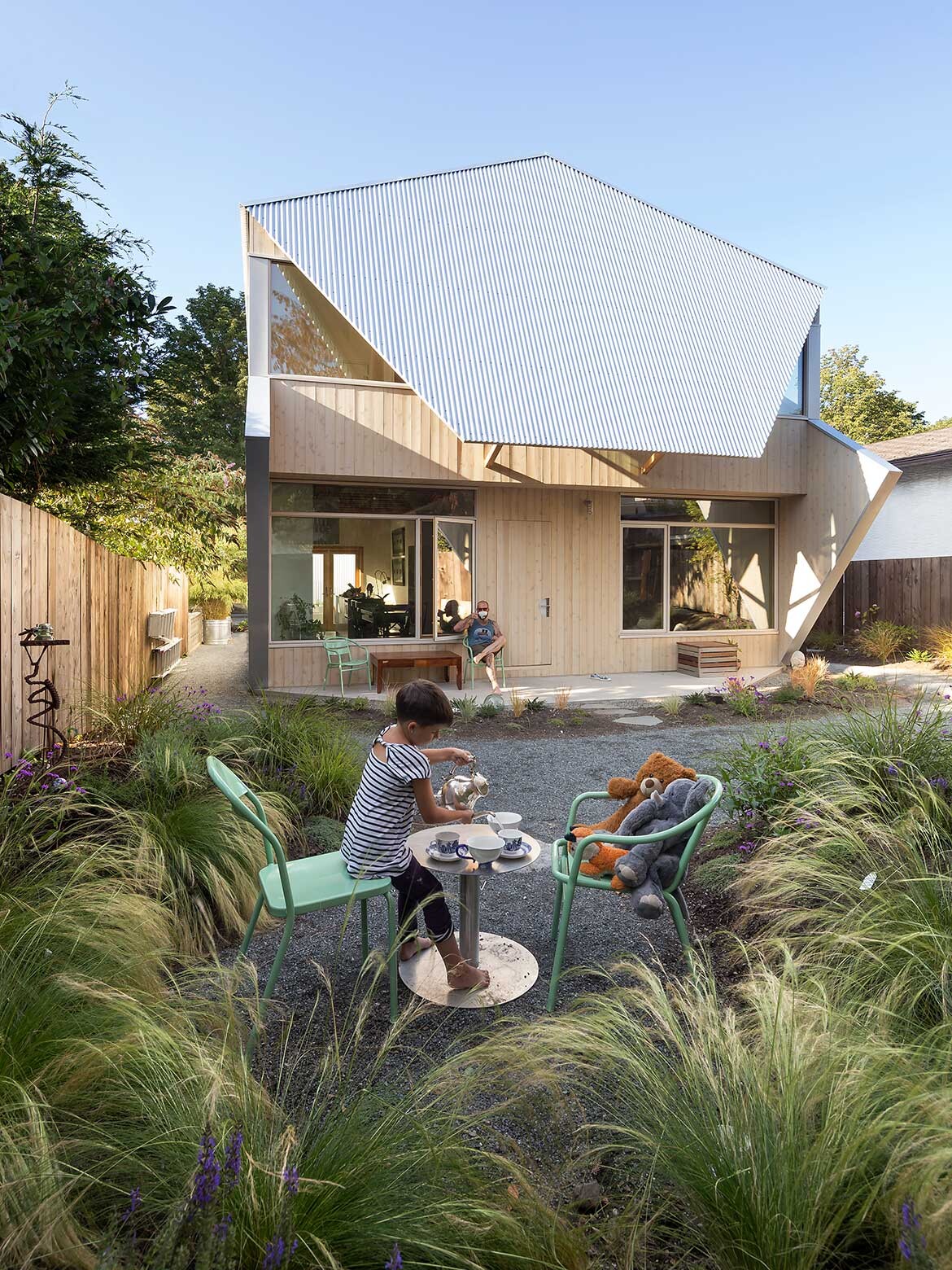
Multigenerational residential design provides a strong response for people in cities around the world looking for a well-designed home but struggling to afford one as a standalone pair. Spurred on by this economic backdrop, a new wave of multigenerational houses are catching design eyes everywhere.
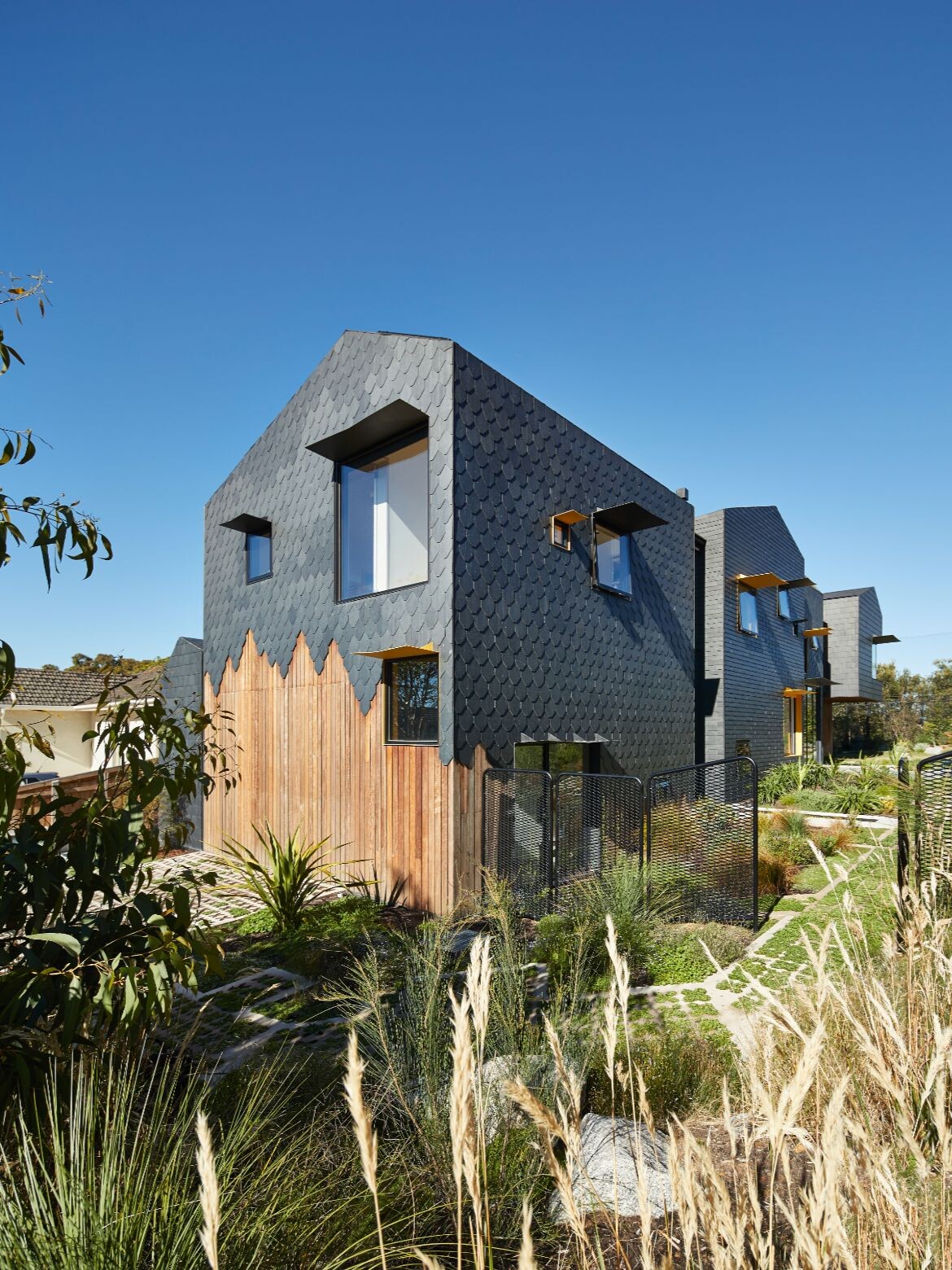
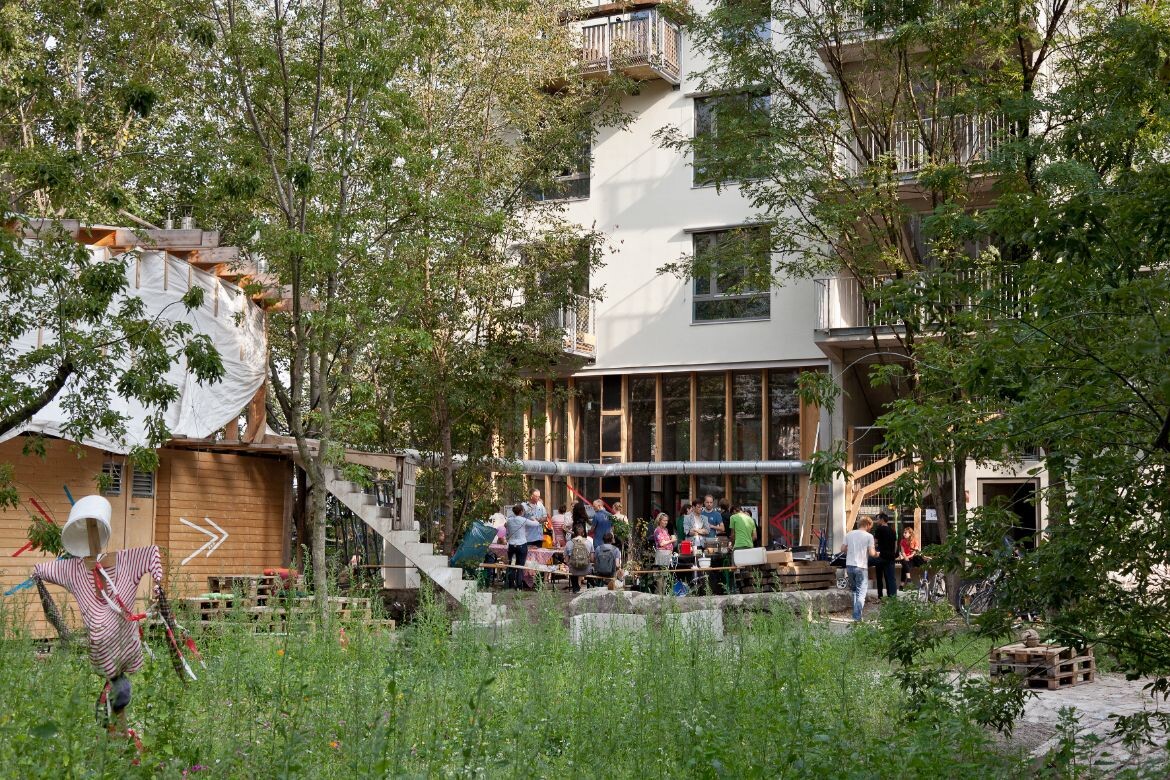
Come Together is organised into sections such as Neighborly Living, Centuries-Old Multigenerational Living and Reimagining the Australian Dream. From India, Japan and Vietnam to the US and Australia, the book covers a wide geographic and contextual range. Readers in our region will be especially interested to see multiple projects by Austin Maynard Architects as well as Cera Stribley Architects, Fox Johnston and others.
gestalten
gestalten.com
INDESIGN is on instagram
Follow @indesignlive
A searchable and comprehensive guide for specifying leading products and their suppliers
Keep up to date with the latest and greatest from our industry BFF's!
Merging two hotel identities in one landmark development, Hotel Indigo and Holiday Inn Little Collins capture the spirit of Melbourne through Buchan’s narrative-driven design – elevated by GROHE’s signature craftsmanship.
For those who appreciate form as much as function, Gaggenau’s latest induction innovation delivers sculpted precision and effortless flexibility, disappearing seamlessly into the surface when not in use.
For a closer look behind the creative process, watch this video interview with Sebastian Nash, where he explores the making of King Living’s textile range – from fibre choices to design intent.
At the Munarra Centre for Regional Excellence on Yorta Yorta Country in Victoria, ARM Architecture and Milliken use PrintWorks™ technology to translate First Nations narratives into a layered, community-led floorscape.
From radical material reuse to office-to-school transformations, these five projects show how circular thinking is reshaping architecture, interiors and community spaces.
Designed by Woods Bagot, the new fit-out of a major resources company transforms 40,000-square-metres across 19 levels into interconnected villages that celebrate Western Australia’s diverse terrain.
In an industry where design intent is often diluted by value management and procurement pressures, Klaro Industrial Design positions manufacturing as a creative ally – allowing commercial interior designers to deliver unique pieces aligned to the project’s original vision.
The internet never sleeps! Here's the stuff you might have missed
With the opening of the 2026 INDE.Awards program, now is the time to assess your projects, ensure photography is at hand and begin your submissions.
After more than two decades at Architects EAT, Eid Goh launches AIR, a new Melbourne-based studio focused on adaptive reuse, hospitality and human-centred design across commercial and civic projects.
Located in the former Madam Brussels rooftop, Disuko reimagines 1980s Tokyo nightlife through layered interiors, bespoke detailing and a flexible dining and bar experience designed by MAMAS Dining Group.
BLP’s new Sydney Children’s Hospital, Randwick building brings together paediatric care, family-centred design and Australia’s first Children’s Comprehensive Cancer Centre in a major addition to the Randwick Health & Innovation Precinct.