The home of architecture and design in the Asia-Pacific
Get the latest design news direct to your inbox!

Get the latest design news direct to your inbox!
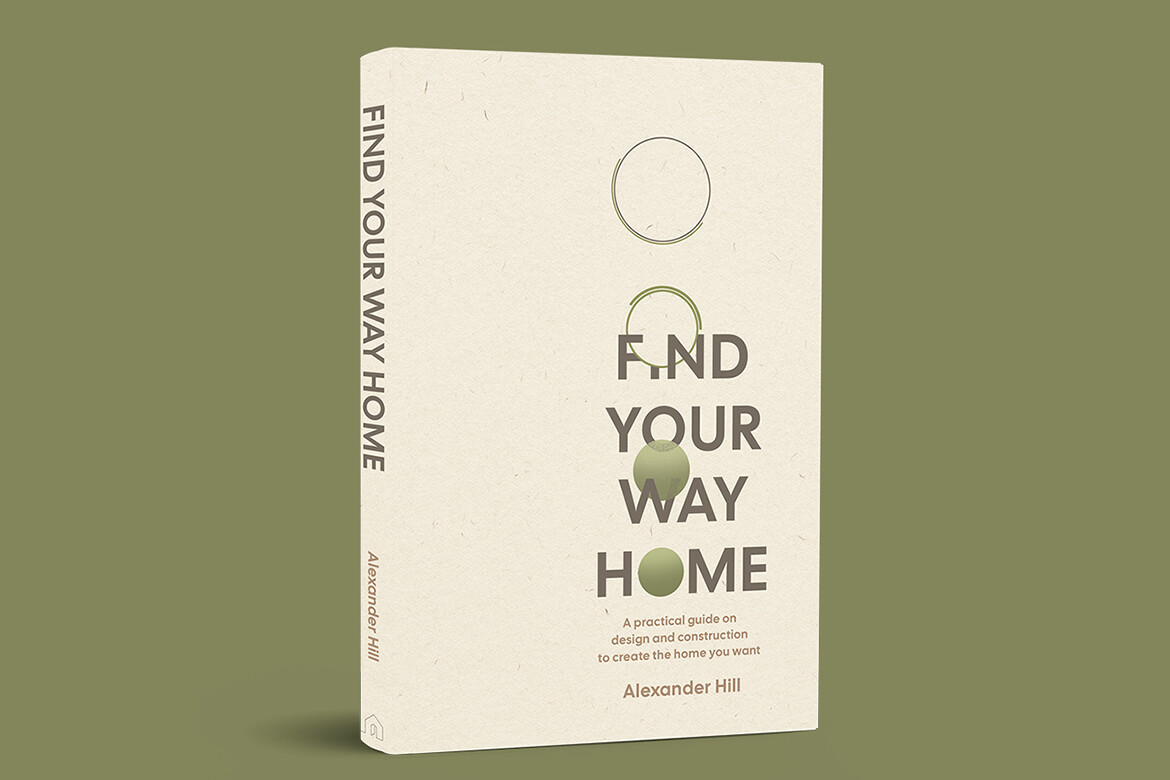
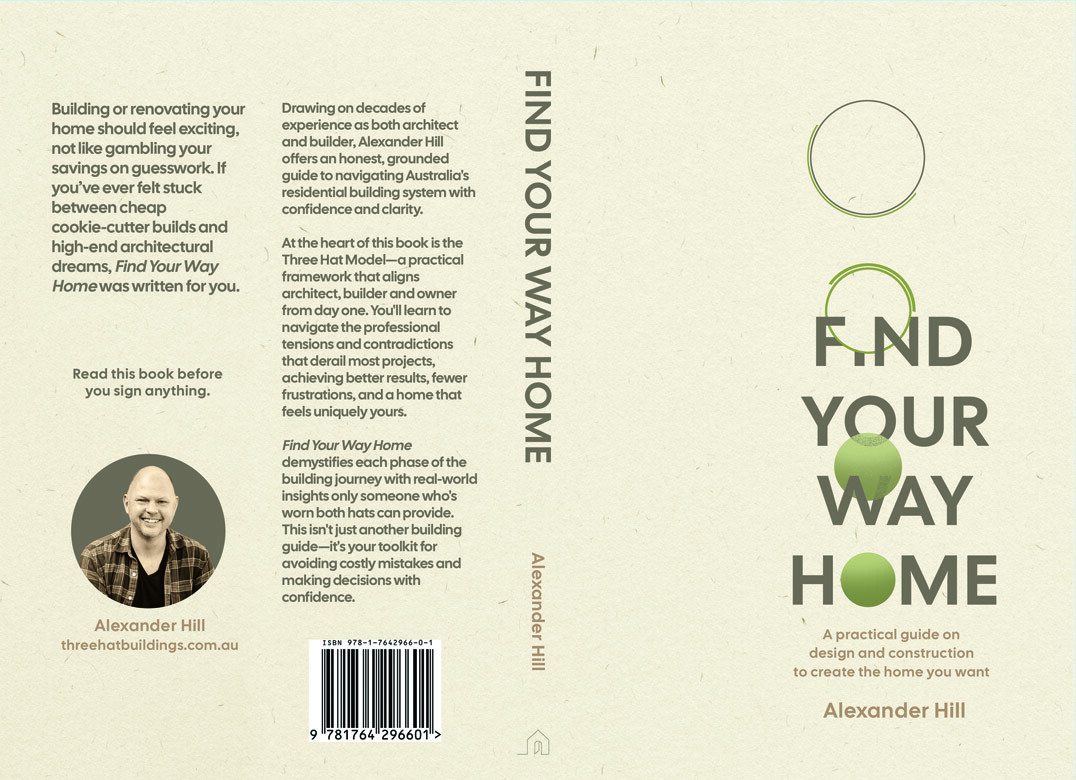
‘Find Your Way Home’ is a comprehensive guide to designing, renovating and building your own home in Australia based on the ‘Three Hat Approach.’

March 9th, 2026
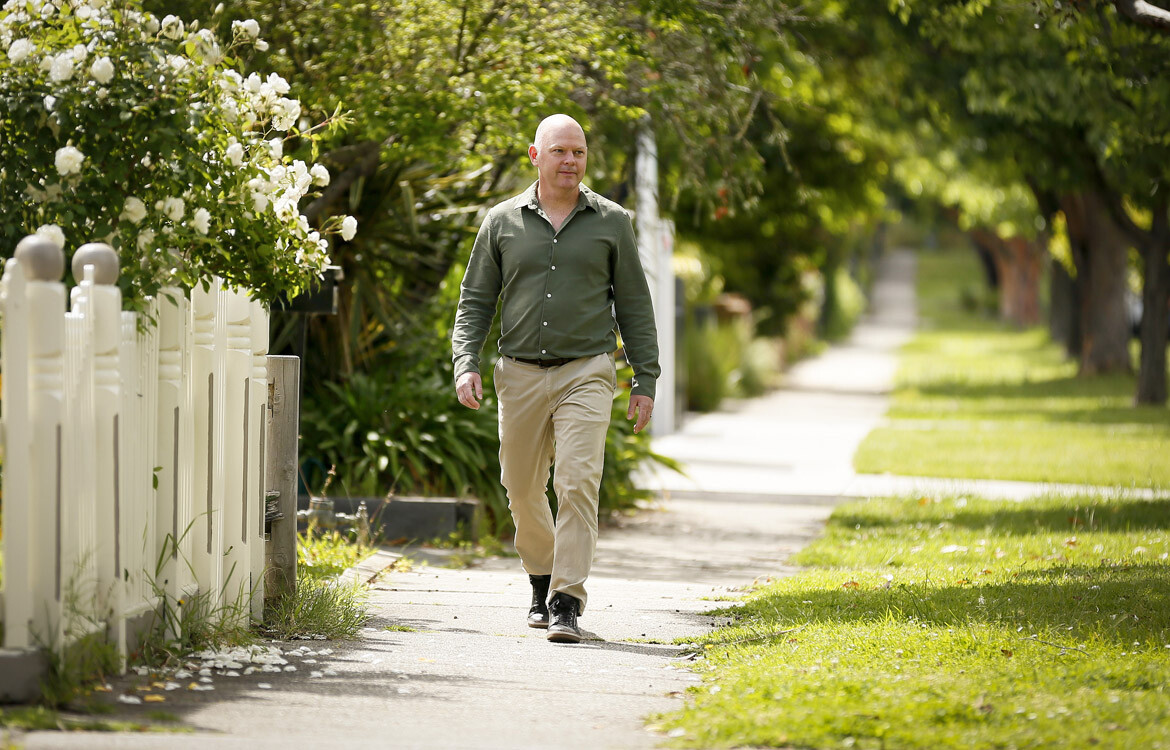
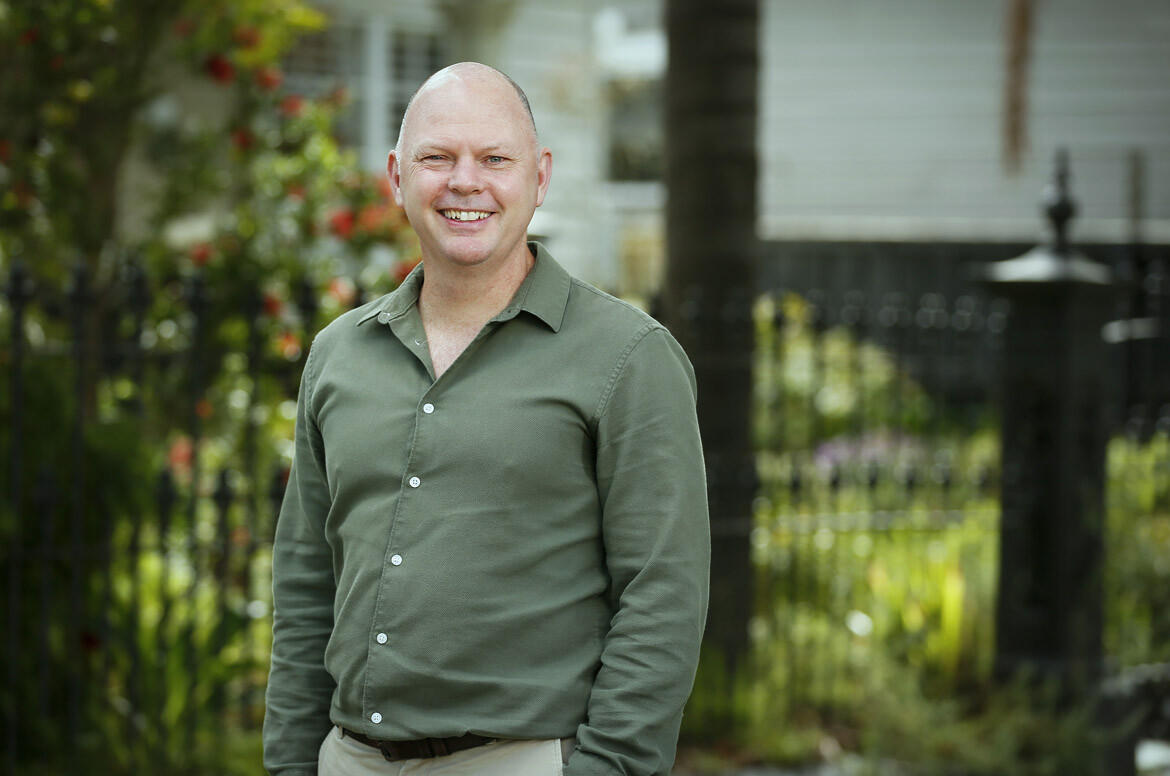
Melbourne-based architect Alexander Hill has released a Find Your Way Home, a new book published by his own Three Hat Buildings platform. The trio in question are the client/owner, architect and builder, with the book aiming to provide a methodology and framework for understanding these roles as integrated and complementary.
“The owner holds the dream, the land and the capital, without which nothing begins,” as Hill writes in Chapter 3 of the book. “The architect listens and interprets, shaping space from nothing. The builder makes the abstract real and tangible, coordinating trades and managing risk. Everyone brings something vital.”
In a world of hyper-specialisation, it’s a refreshing approach – a reminder that the built environment has always been collaborative and indeed might function better if the different players were brought into contact more often.
Find Your Way Home begins by addressing the confusion many homeowners face before starting a project, caught between volume building and high-end architectural services where design is often undervalued. It introduces the Three Hat Approach as a way to clarify roles, align expectations and establish a strong foundation through clear priorities, realistic budgets, thoughtful scale and careful team selection.


It then examines the broader building system, explaining how industry structures tend to prioritise speed and efficiency over individuality and long-term liveability. Rather than choosing between design and construction perspectives, the book argues for understanding the tension between them, showing how informed owners can navigate the system more effectively and keep human needs – not market logic – at the centre of decision-making.
The Three Hat Model is presented as a practical pathway that integrates – or at least aligns – owner, architect and builder roles while preserving their distinct responsibilities. By introducing structure, sequencing and clear communication, the framework addresses common causes of underperforming projects such as fragmented roles, poor timing of decisions and loss of design intent.
Related: Piers Taylor on the podcast

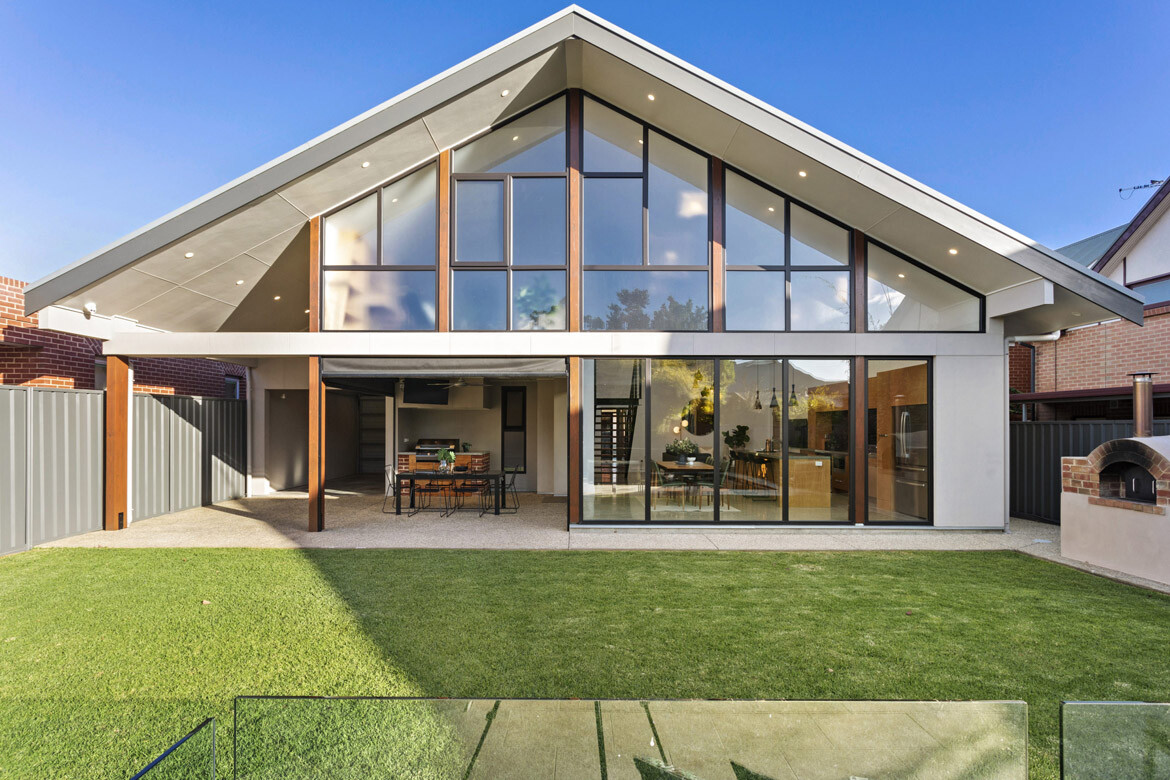
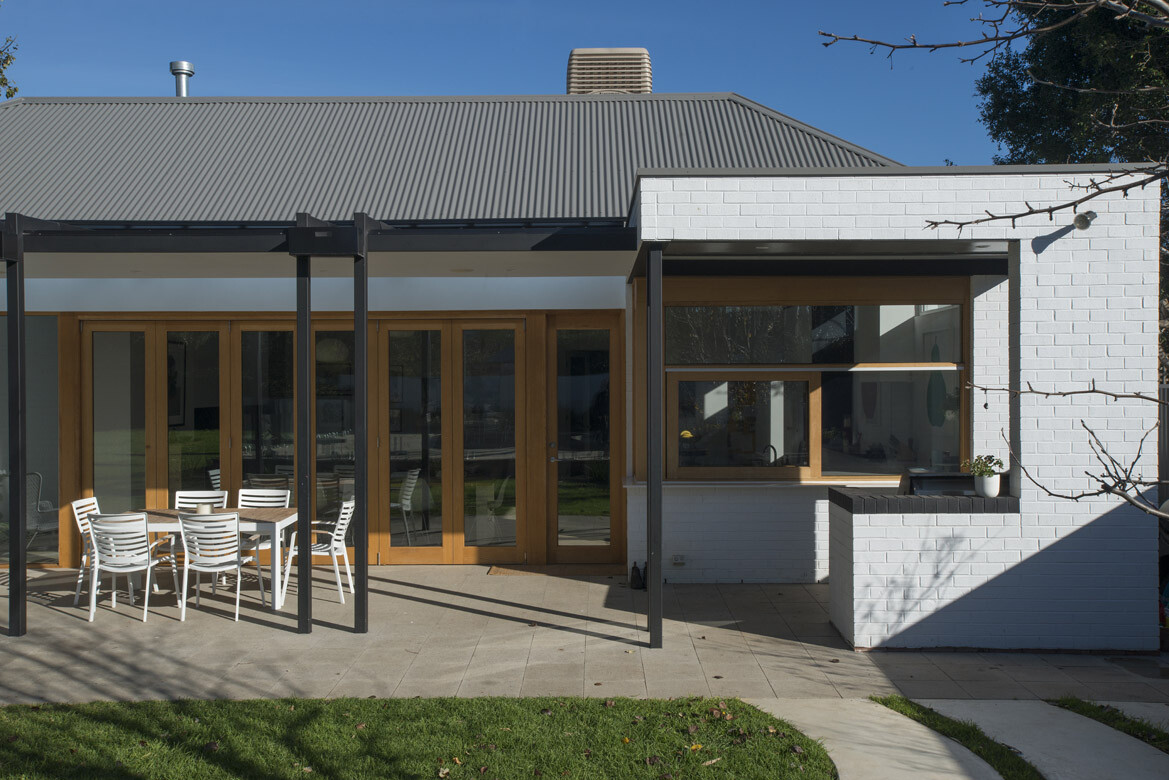
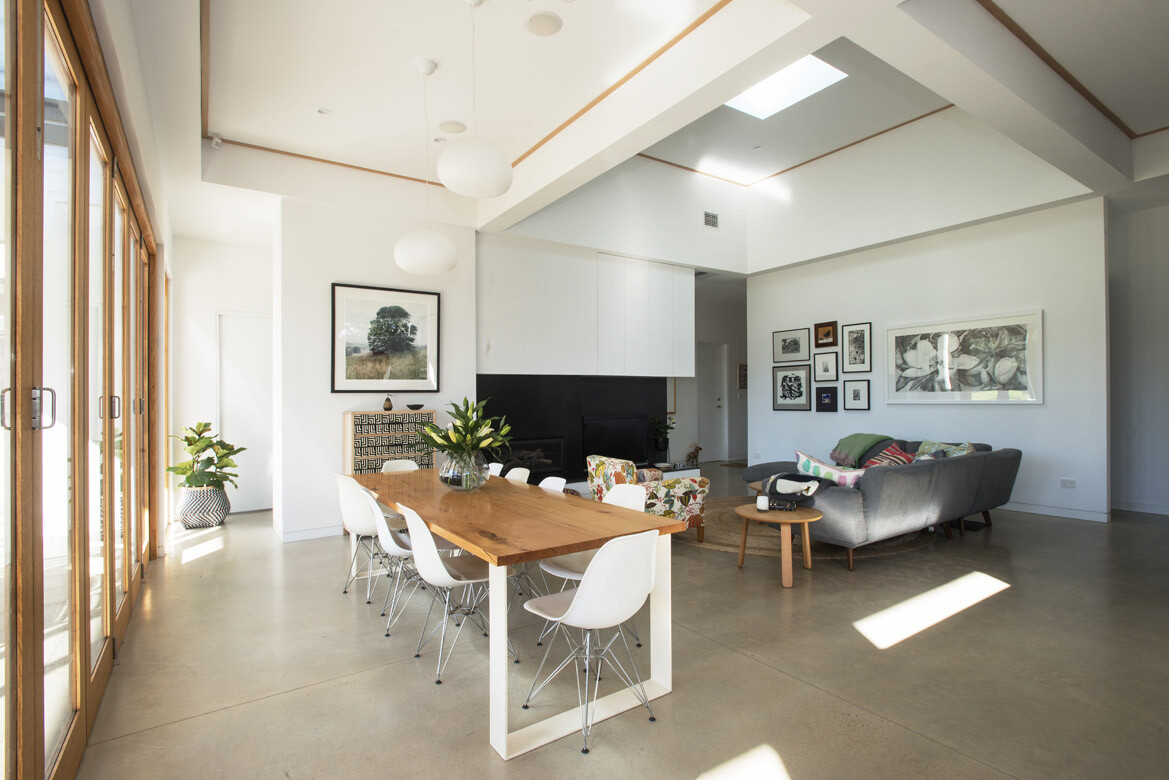
Drawing on real-world experience, the book then explores why projects succeed or fail in practice, highlighting the importance of honest trade-offs, early alignment between design and cost, and the strength of collaborative relationships. Hill emphasises that risk is reduced when responsibilities are clear and when shared accountability replaces rigid control, recognising that outcomes are shaped as much by people and communication as by drawings and contracts.
Finally, the book looks beyond process to the enduring qualities of good homes, arguing that successful design supports changing life patterns rather than simply delivering a finished product. By prioritising thoughtful design, comfort, flexibility, sustainability, light and flow, the Three Hat Approach frames building as an ongoing act of care, where long-term value comes from decisions that allow a home to adapt and continue serving those who live within it.
Three Hat Buildings
threehatbuildings.com.au

INDESIGN is on instagram
Follow @indesignlive
A searchable and comprehensive guide for specifying leading products and their suppliers
Keep up to date with the latest and greatest from our industry BFF's!
The internet never sleeps! Here's the stuff you might have missed