“It’s been quite a journey,” says Ed Lippmann, sitting at a café in Surry Hills just down the road from his long-time office. “Digging through the archives and reflecting on the projects was cathartic – it’s been a hell of a ride, as I said the other night [at the launch]. From houses to cities, delivering such a variety of projects is pretty unique for a company of our size”.
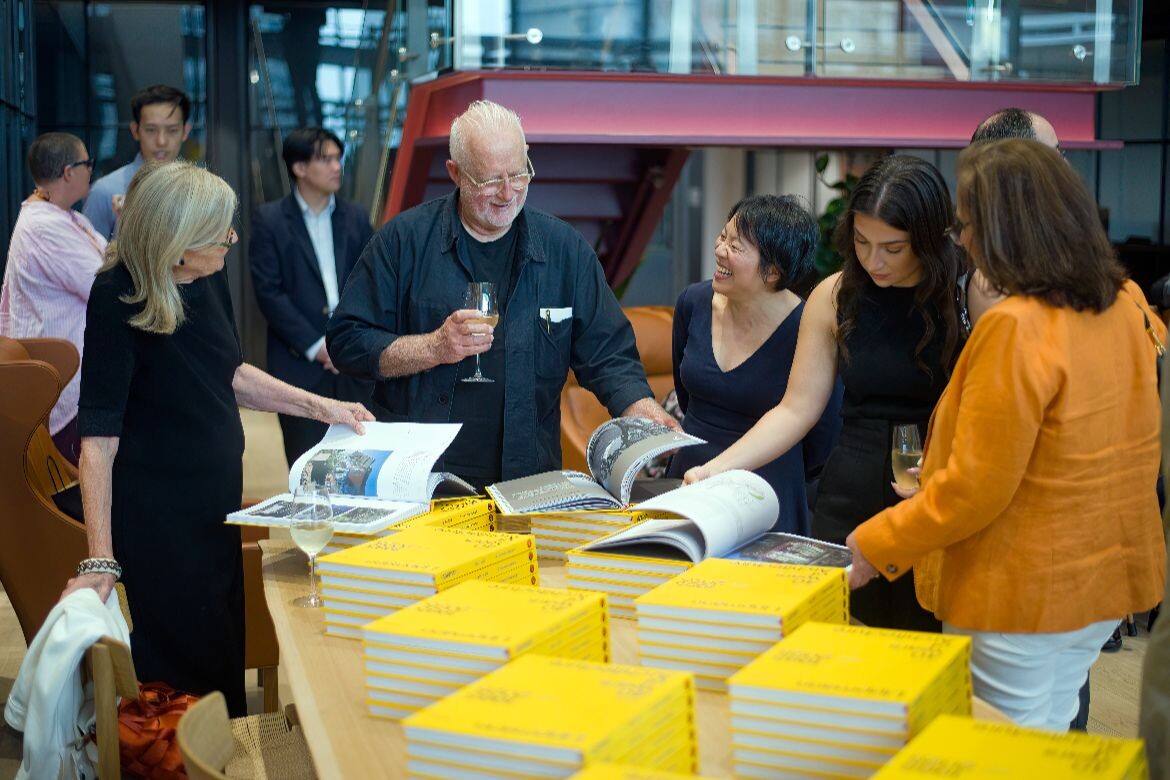
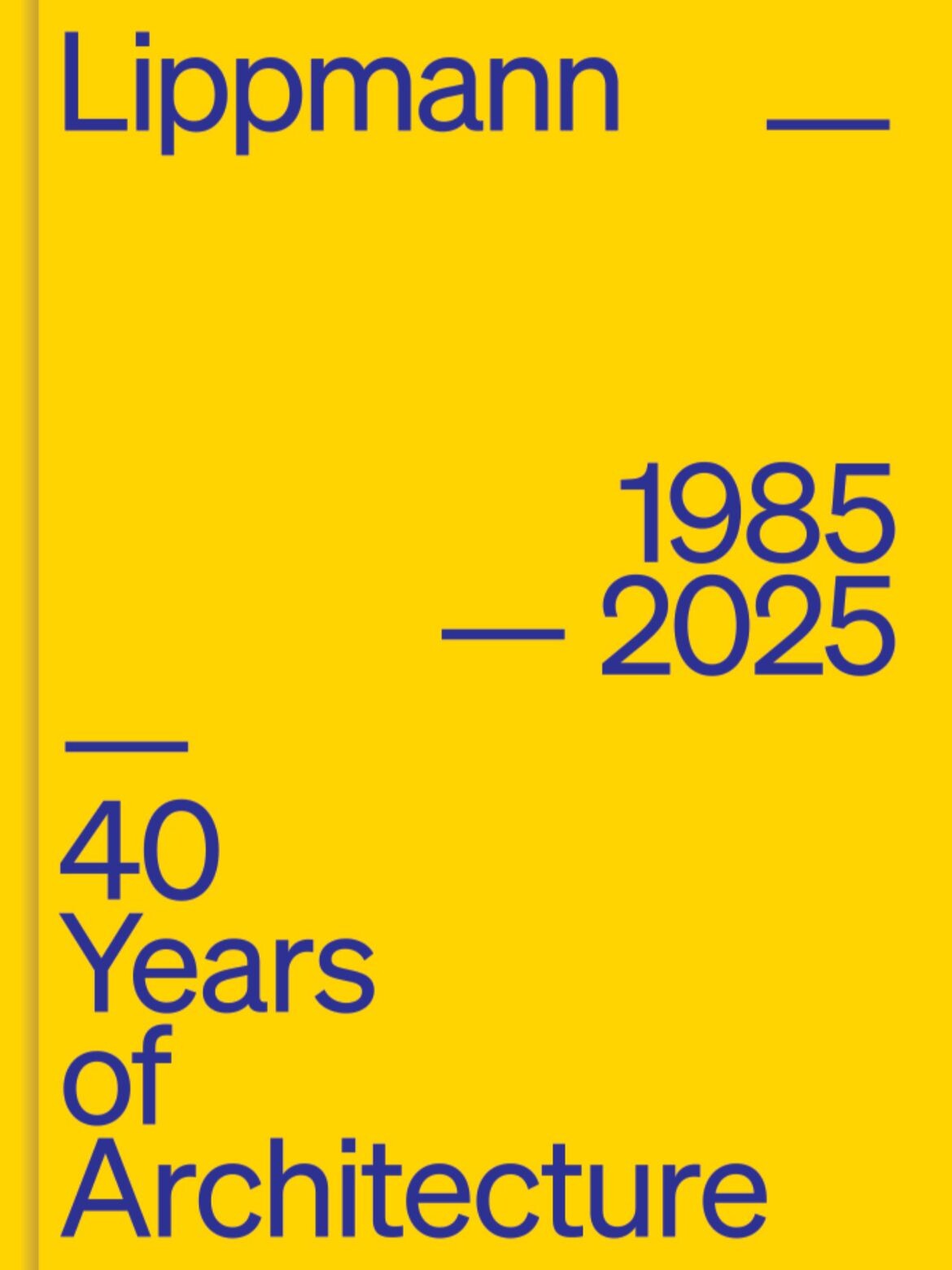
40 Years of Architecture is a new book that chronicles some of the milestones in Ed Lippmann’s career so far. Designed by Carlo Giannasca of Frost*collective, it is, first and foremost, a delightful physical object – yellow, textured and well set out. Following a brief foreword, an interview with Anthony Burke takes the reader into the full history of the practice and the architect behind it.
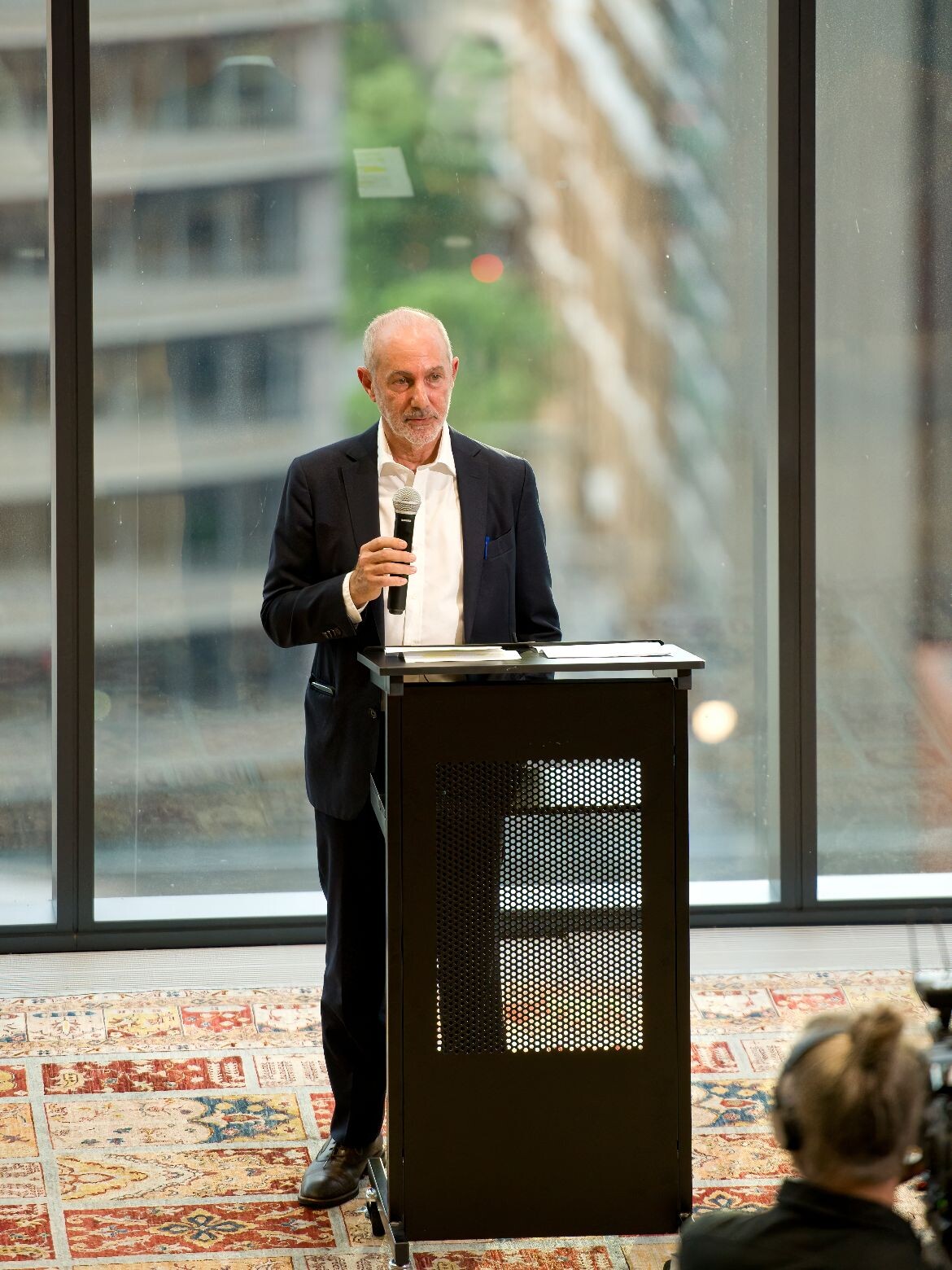
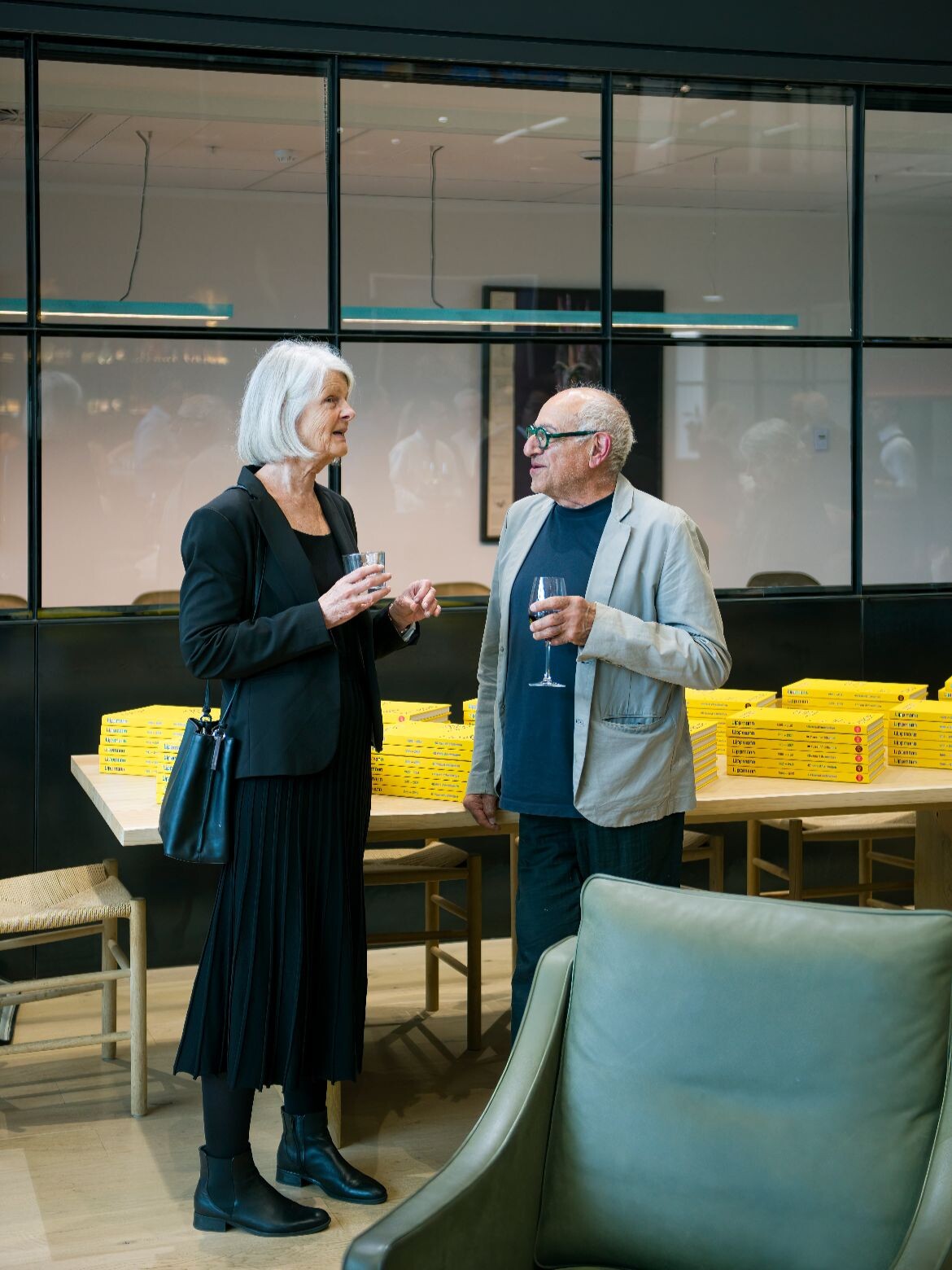
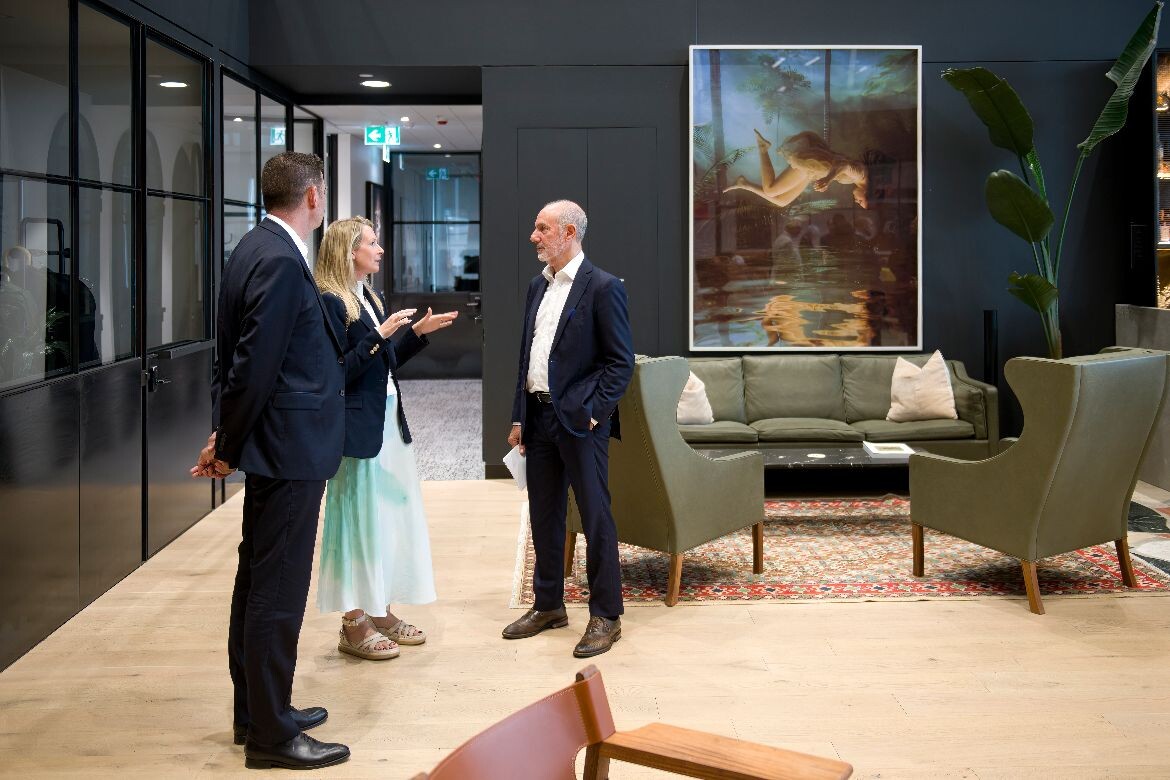
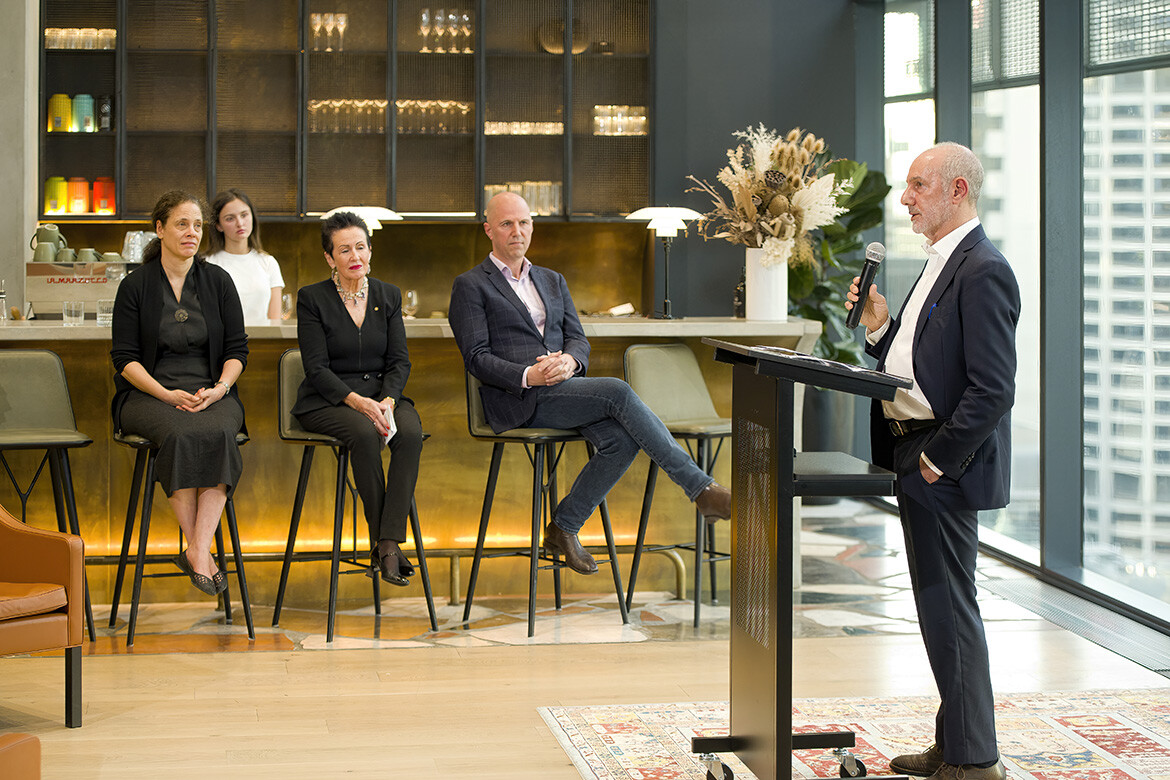
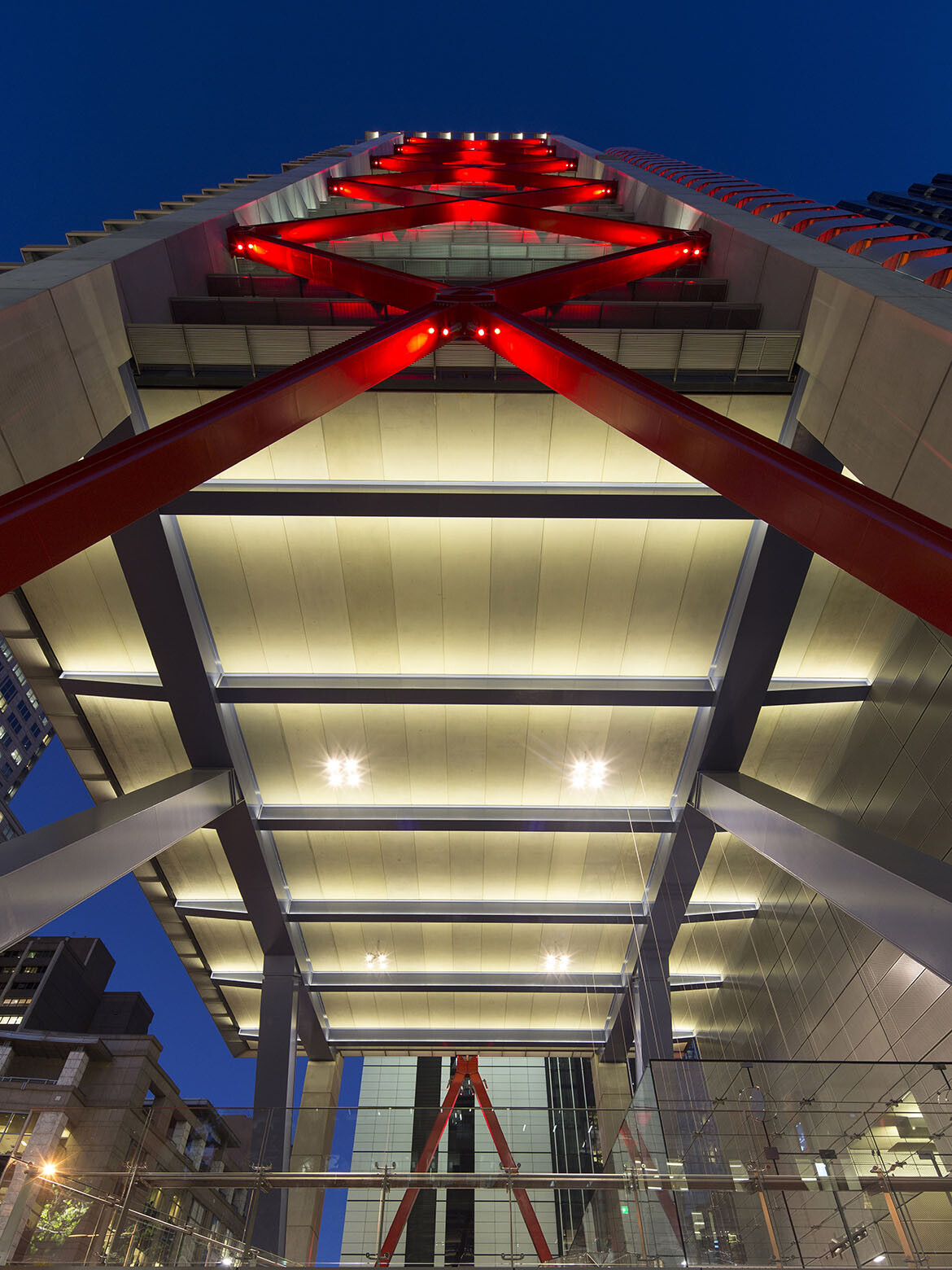
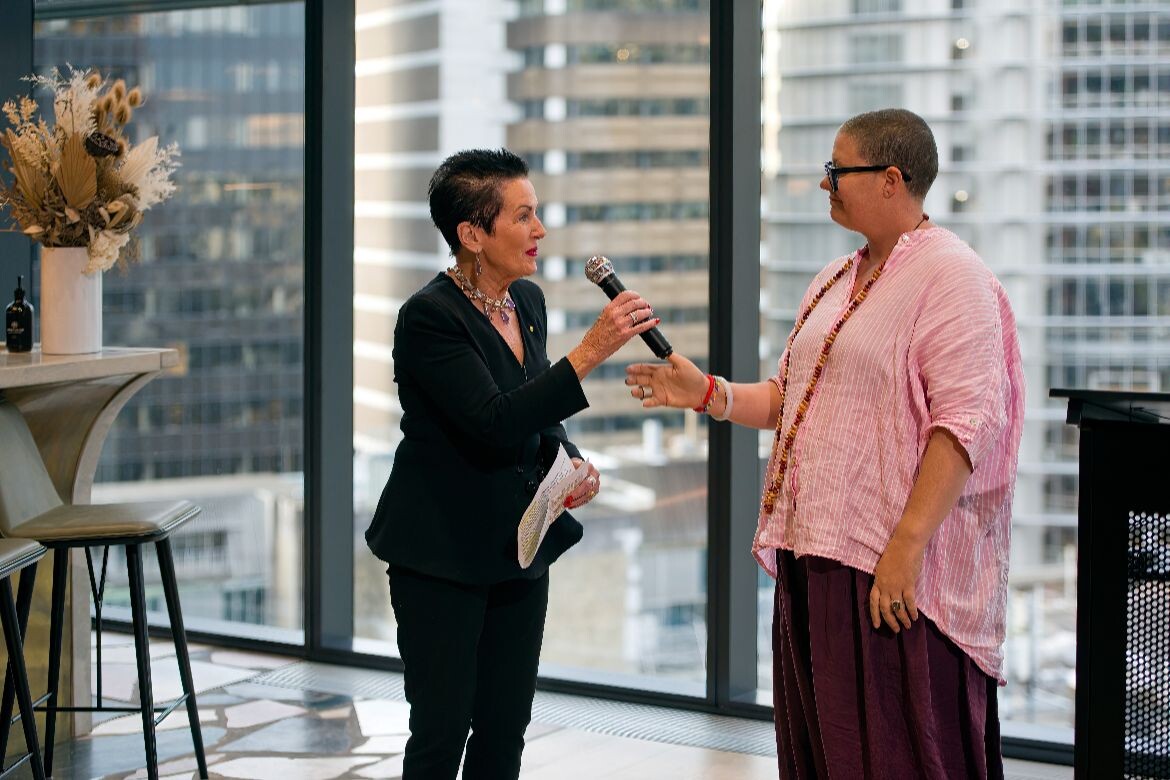
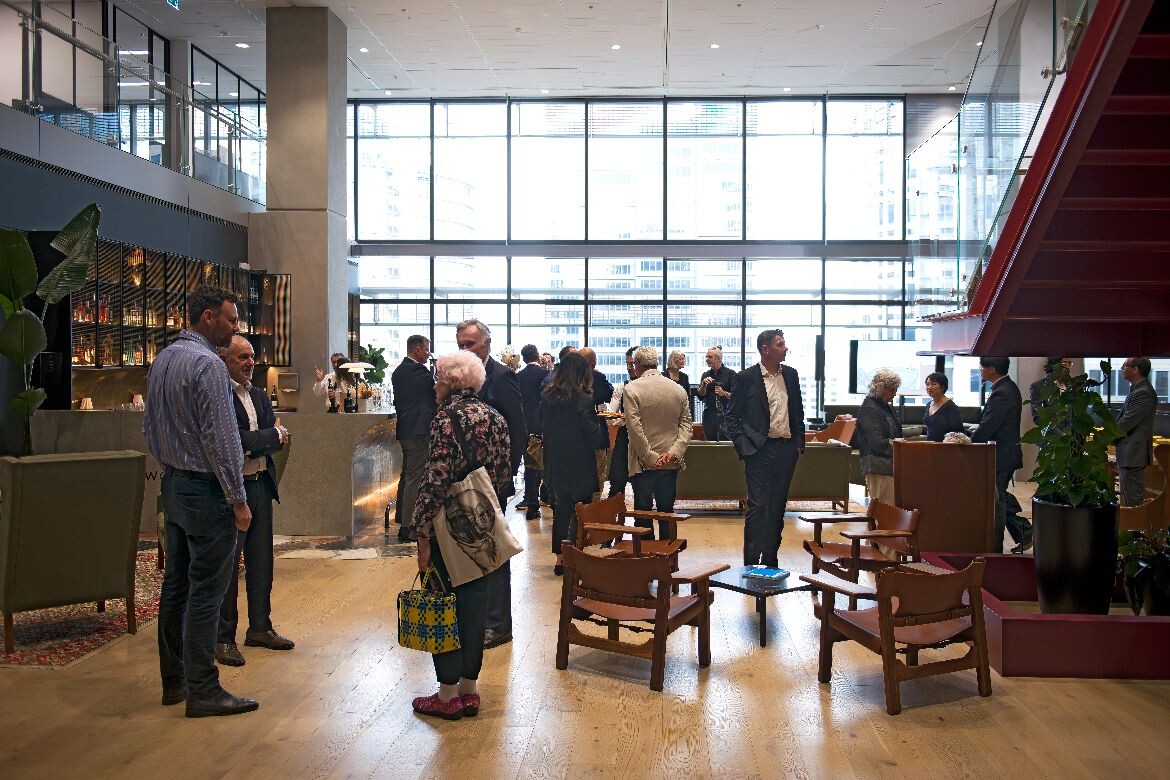
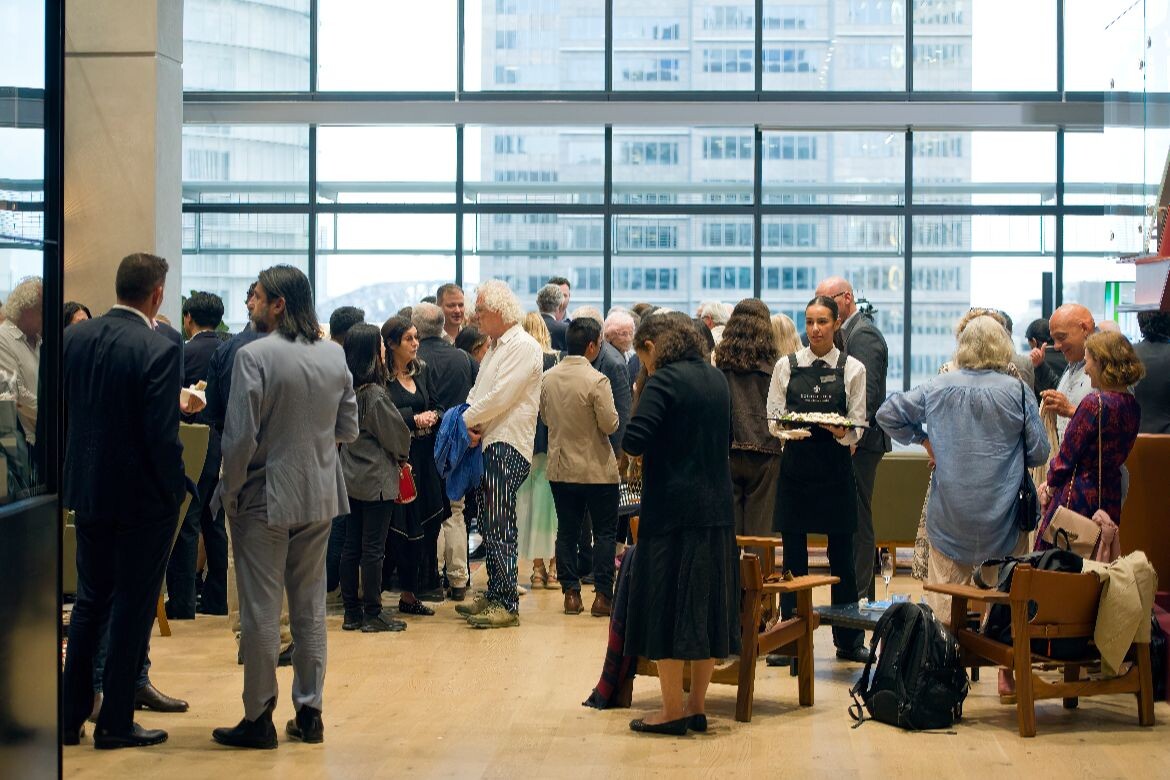
The book launch took place inside what is perhaps Lippmann’s most significant work, 8 Chifley Square. At the very least, it’s a watershed work of architecture – we might say that his career makes sense in pre- and post-Chifley terms.
“8 Chifley Square, completed 13 years ago, was a major milestone. I was going through a divorce and the pressure was immense, but when it was completed the practice crashed – we had very little new work, and I had to rebuild the practice and my personal life. I really didn’t have a clear idea of how we were going to move forward.”
Ed continues: “In the last few years, we’ve been working at a larger scale again and doing some nice public work. I guess the book is a commitment to documenting what’s been done over the last 40 years, but also, importantly, charting the way forward and looking towards the future and the next chapter.”
Even before the 40 years of Lippmann as a practice, Ed spent time working in New York. There, he imbibed a rigorous modernism under the tutelage of Marcel Breuer. It was an experience that set him up with a certain clarity upon returning to Australia and founding his own studio.
Related: Anthony Burke joins live audience podcast
“I was very clear of where I sat philosophically in architecture,” says Lippmann. “Postmodernism was raging when I was a student, but I was not interested in it. Foster, Rogers, Piano, Grimshaw were the architects who were leading the way forward to me, back in the 1980s. So, when I started my studio I was clear about the direction I was heading in and it hasn’t wavered much over the years.”
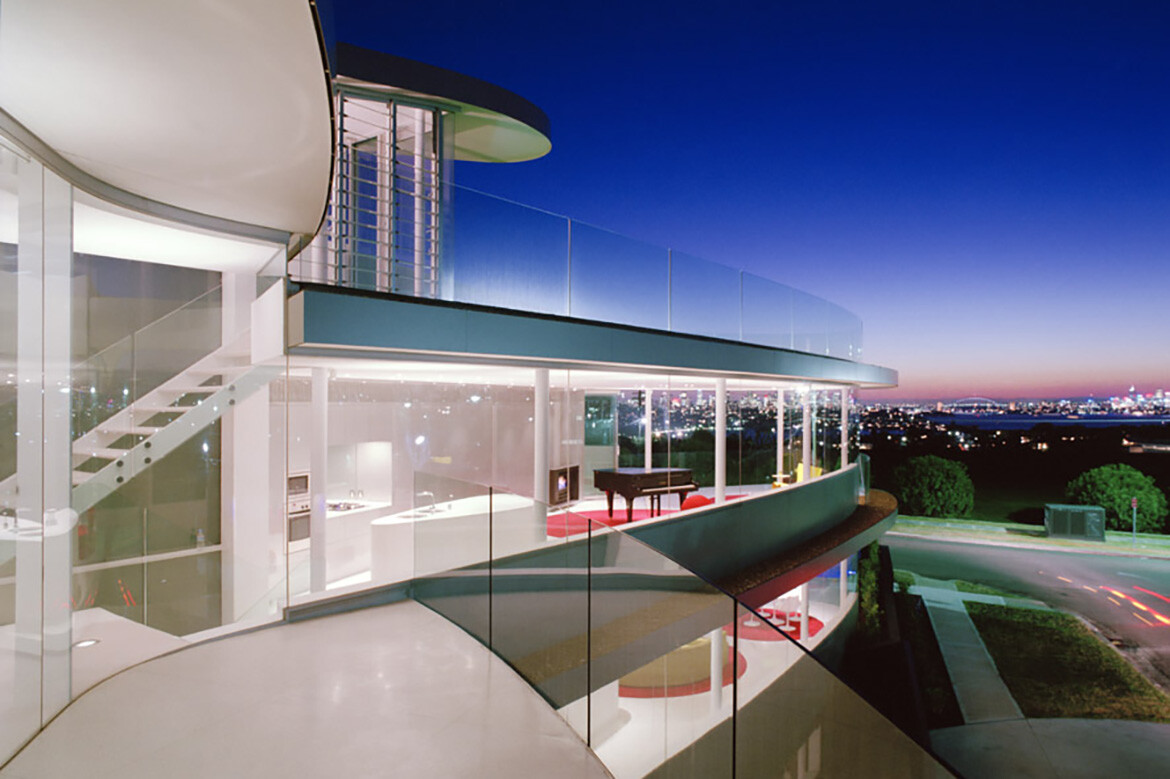
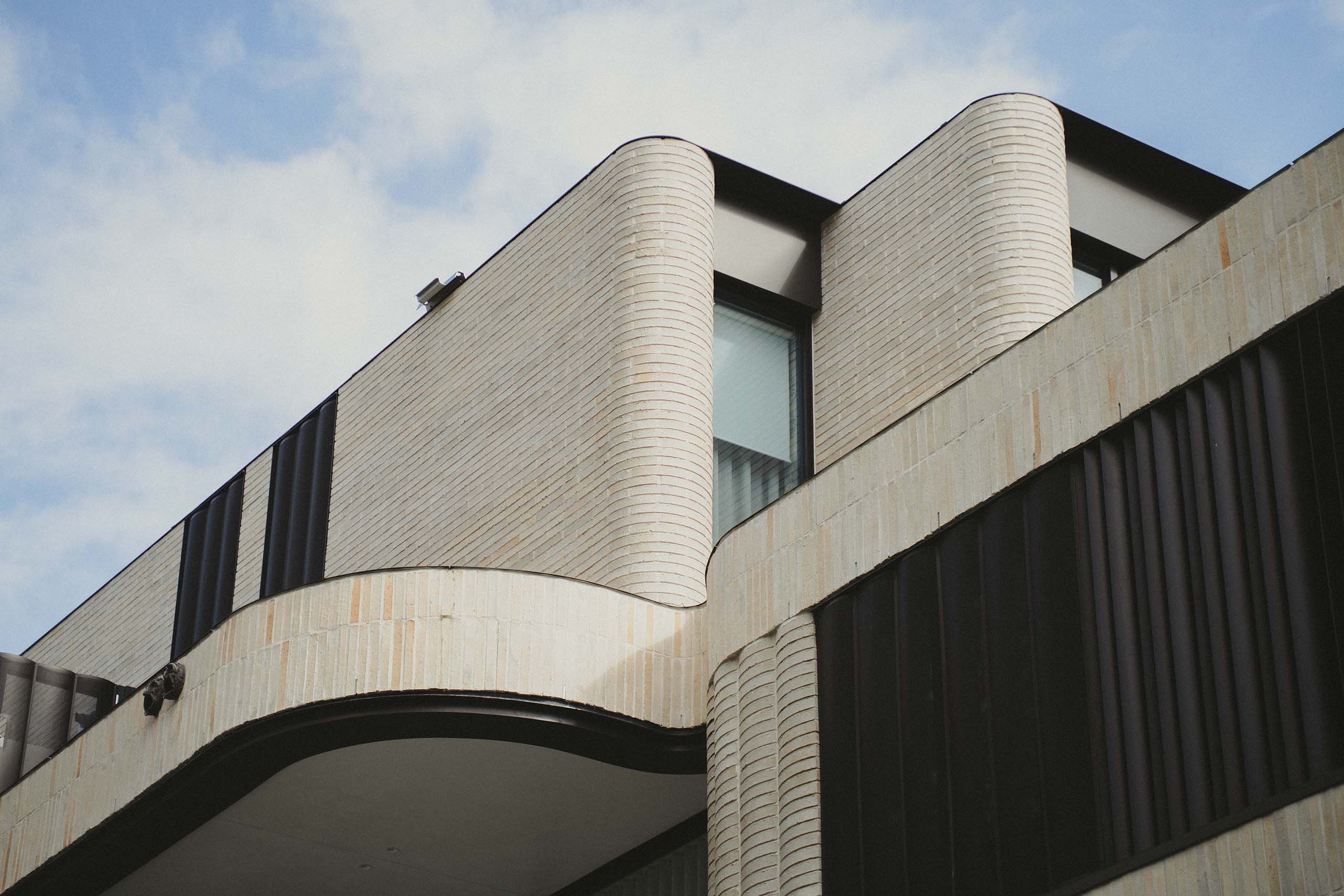
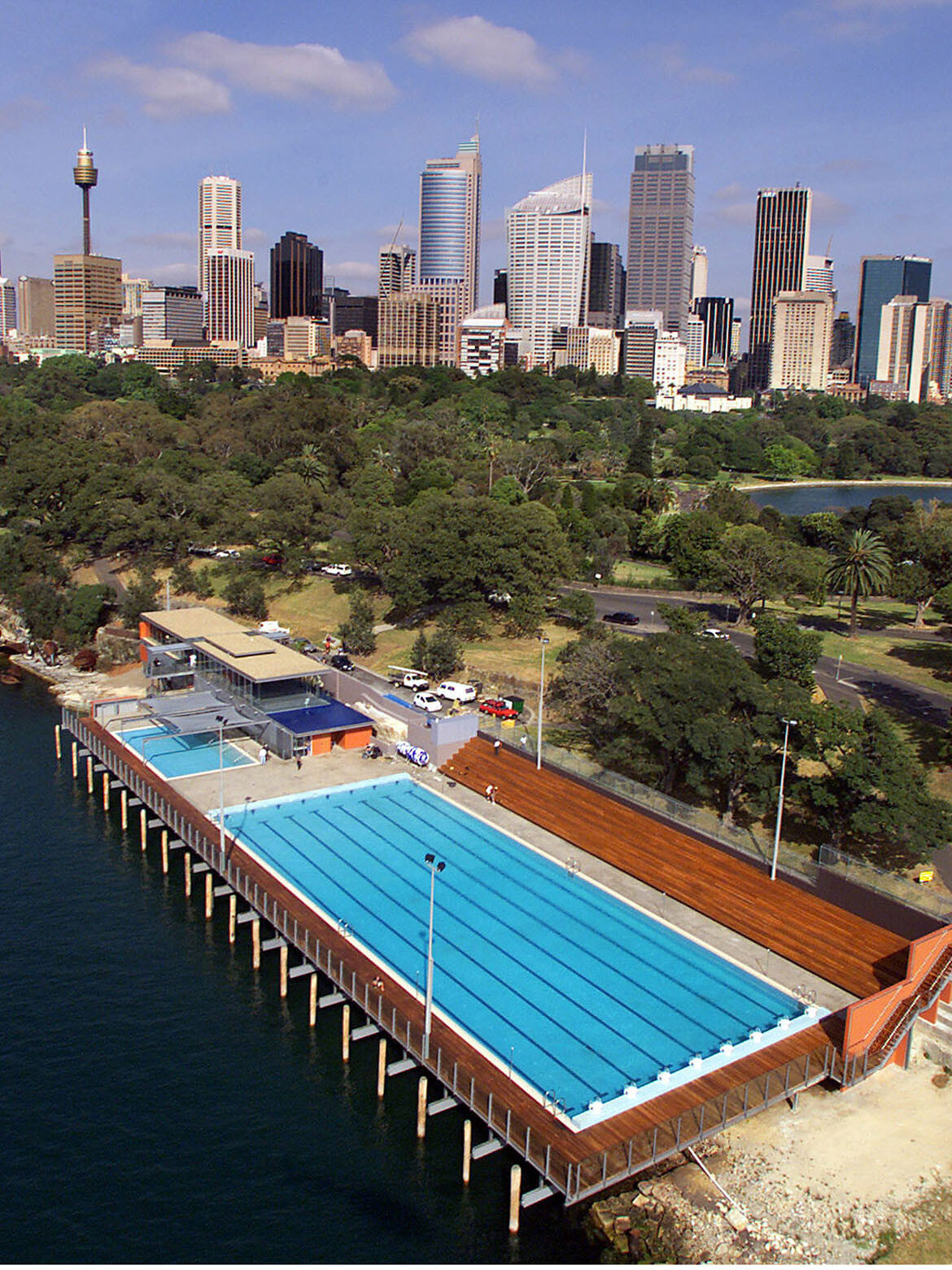
The book runs through a limited selection of key works, itself an achievement for any architecture monograph (nobody wants an encyclopedia). What stands out alongside the purity and clarity of vision is the variety in scale. There are residential projects such as Butterfly House, as well as civic works with city-scale significance such as Andrew “Boy” Charlton Pool. Like many of the best Sydney practices, Lippmann has walked a fine line in terms of balancing size and prowess – small enough to remain locally connected to the city, large enough to get involved in major projects.
“A serious architect needs to be self-critical,” explains Lippmann. “I also wanted to reveal the story behind the projects and some of those stories are extraordinary. In the end, we chose 13 projects. Some of them are unbuilt and some are overseas, but I suppose they’re all grounded in ideas – and those ideas have changed over time as well. The issues confronting us today are different from the issues [back then], so we need to keep moving.”
So, what about the next few decades? Well, for one thing, Lippmann says “I’m not happy if I’m not working.” He adds: “As Frank Lloyd Wright said, the best project is the next one so I’m looking forward not backwards.”
Lippmann
lippmann.com.au