UNSW Health Translation Hub by Architectus, with ASPECT Studios and Yerrabingin, is a landmark building informed by the latest healthcare design principles.
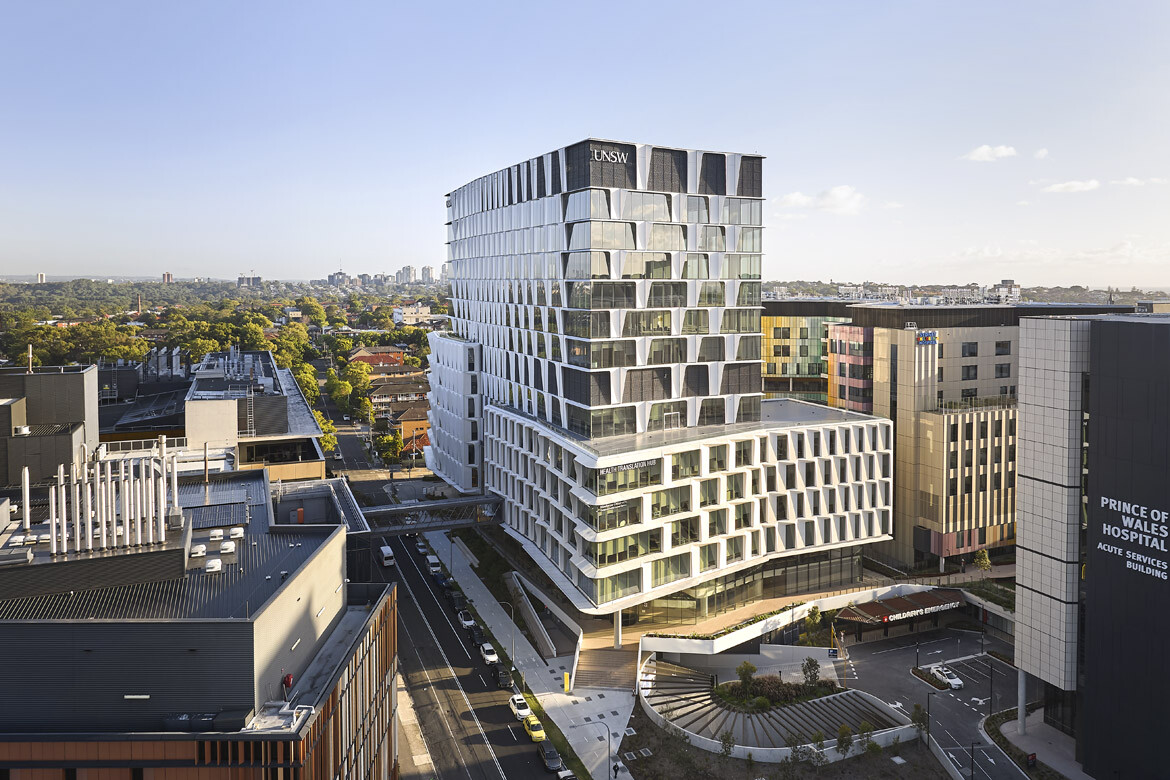
The UNSW Health Translation Hub (HTH) by Architectus is a landmark building situated at the intersection of the UNSW Kensington Campus and the Randwick Health and Innovation Precinct. Its program and design embrace the “bench to bedside” philosophy central to health translation, seen as vital to improving health outcomes for patients and their communities.
Story continues below advertisement
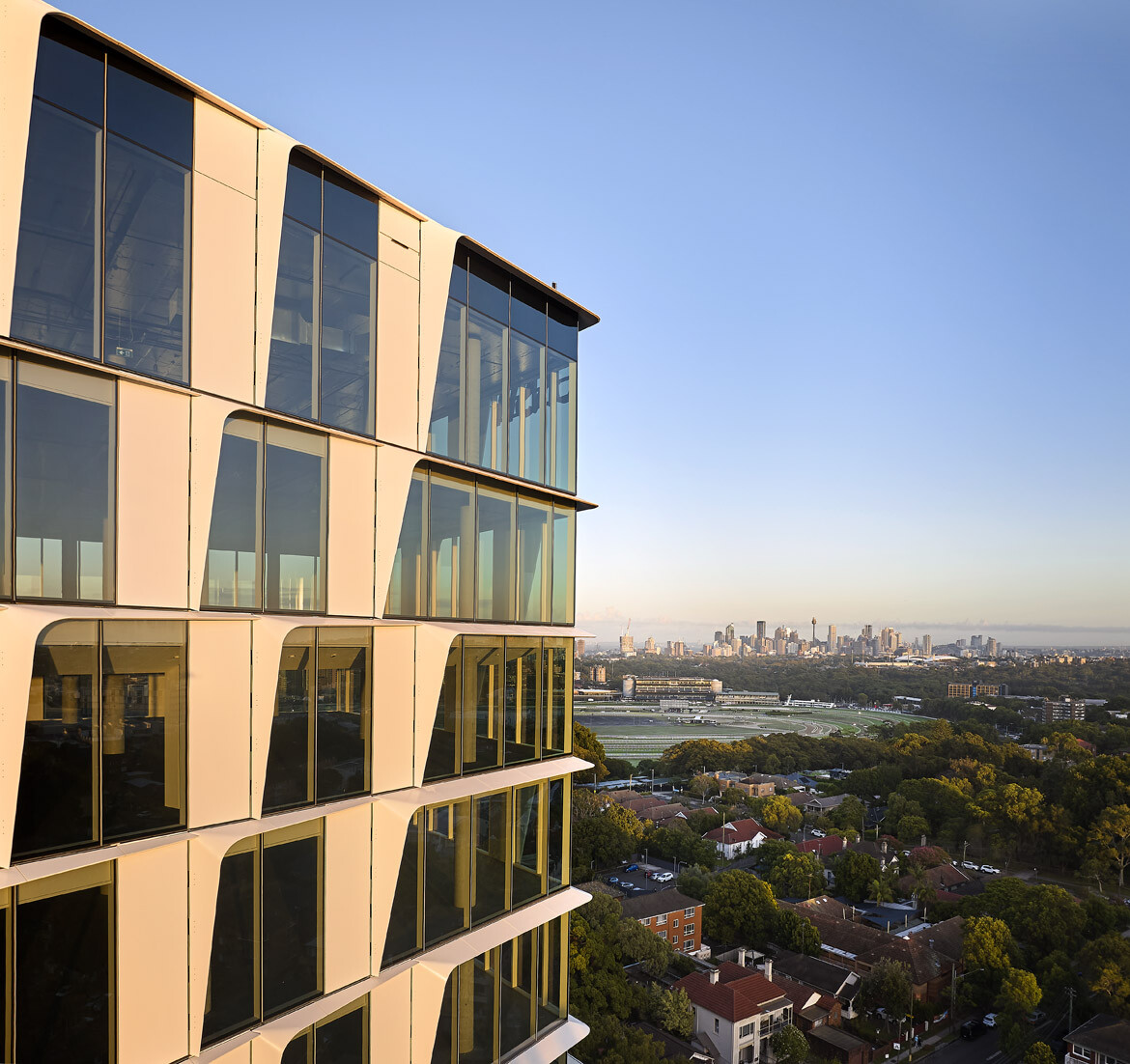
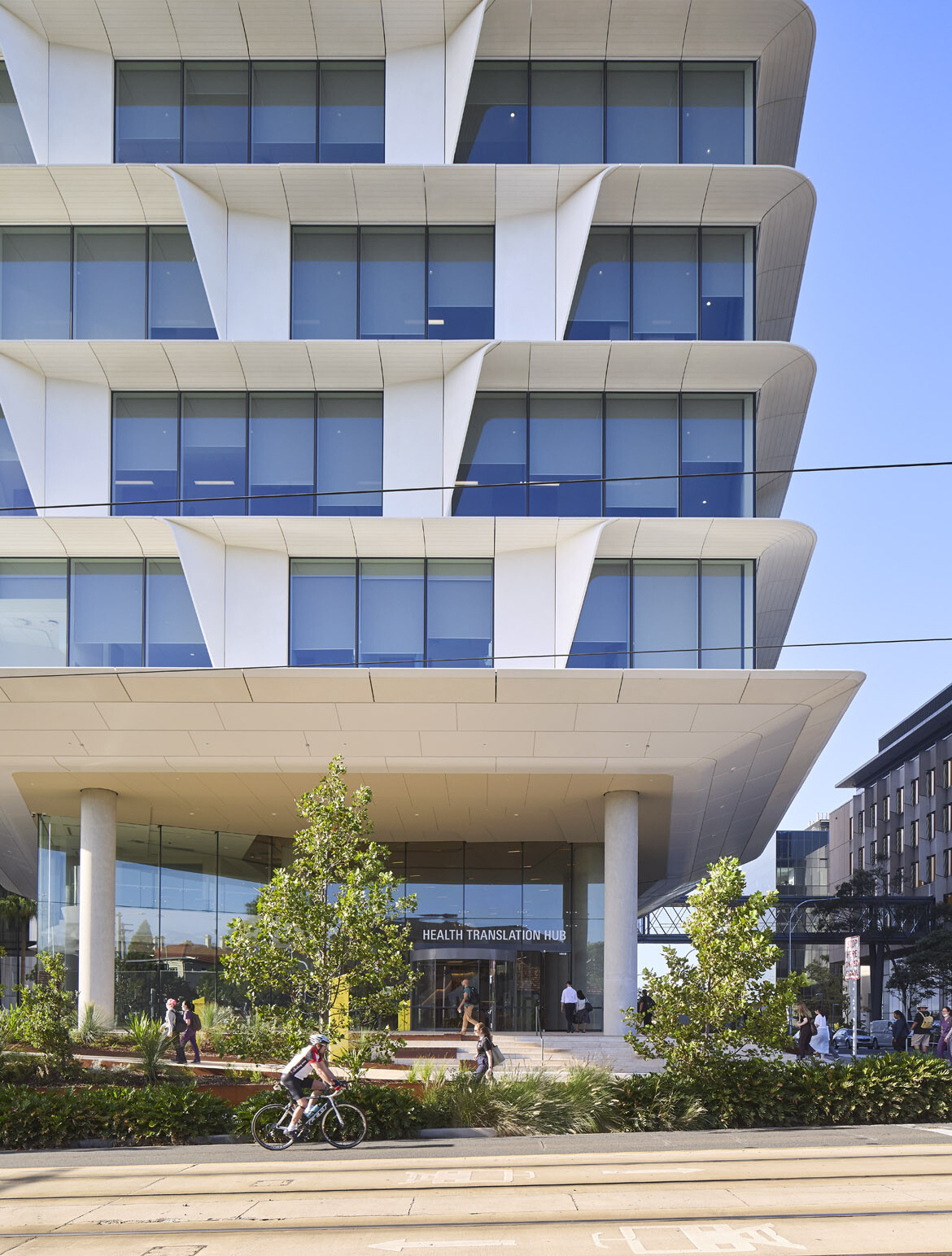
The first thing visitors to the HTH will notice is its striking façade. Comprised of glass reinforced concrete panels, curved aluminium sunshades and high-performance glazing, it gives the building a lantern-like quality and is, in this reviewer’s opinion at least, reminiscent of nearby wind-carved sandstone cliffs lining the Pacific’s edge (Architectus provides a slightly different explanation, stating the façade is “inspired by the wind-shaped dunes of Sydney’s eastern coastline”).
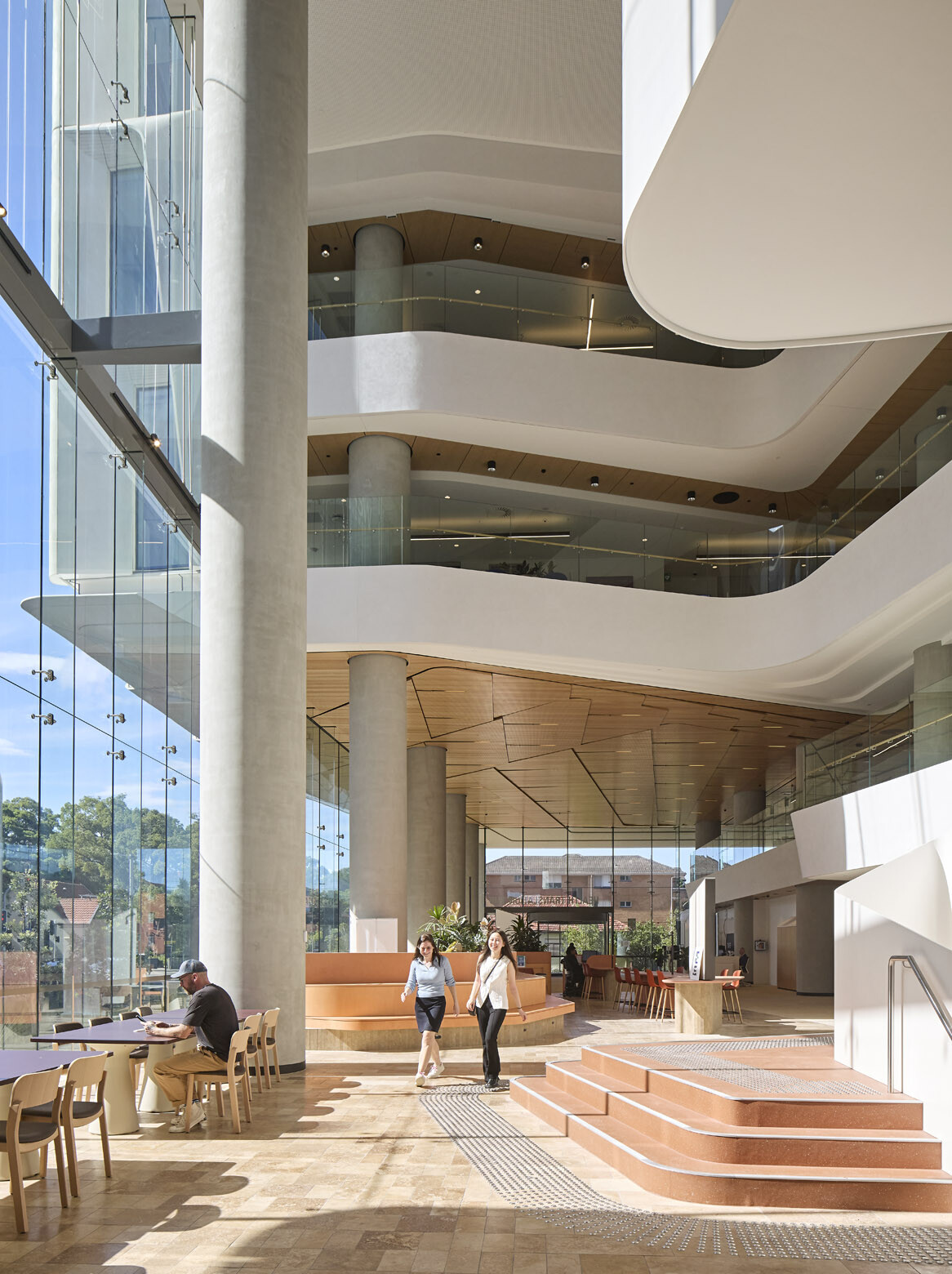
The HTH comprises fourteen storeys of multidisciplinary-programmed laboratory and clinical spaces, naturally illuminated via a central atrium with a sculptural staircase and finished in a material palette drawn from the local coastal landscape.
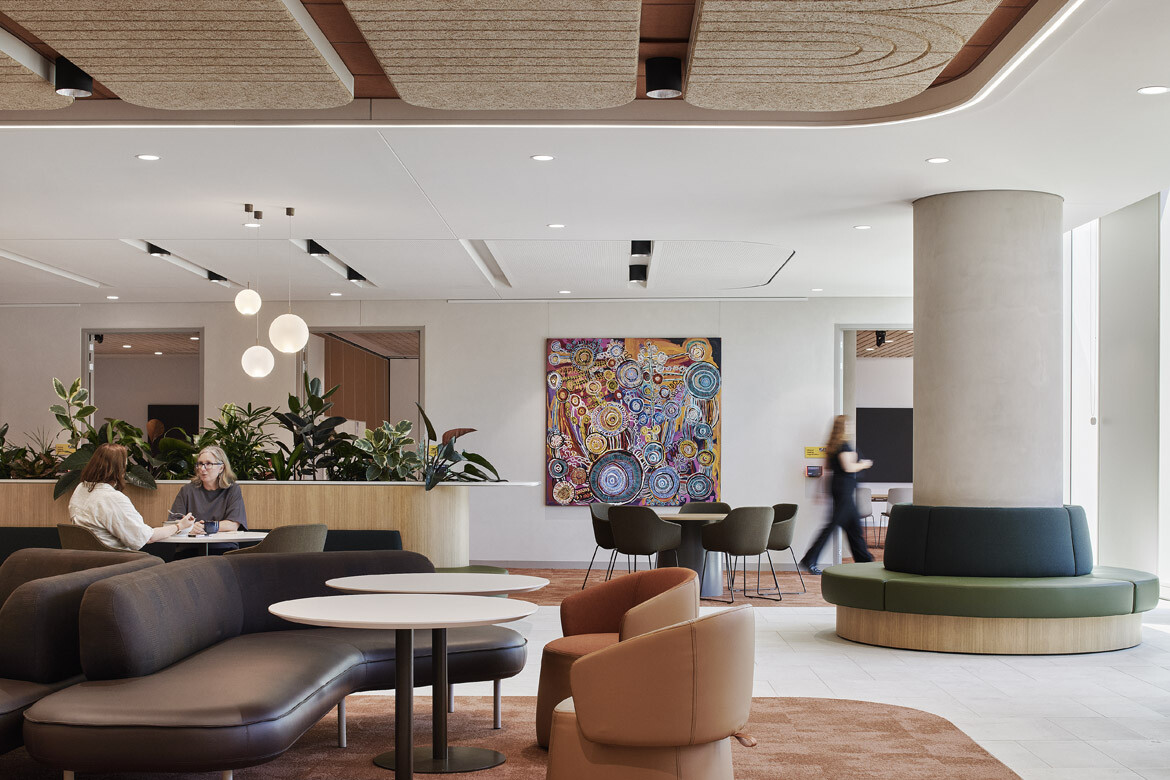
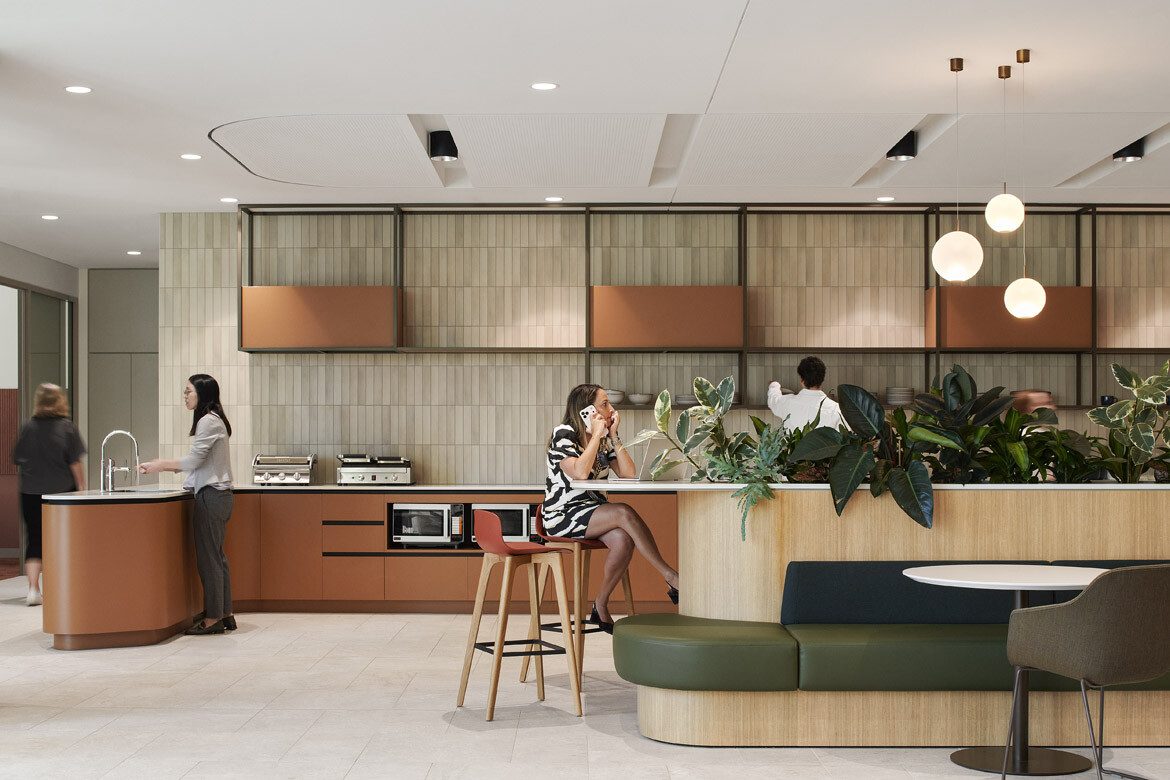
Embodying the ethos of translation, the atrium creates a sense of transparency between medical and scientific programs and the public, and the circulation has been carefully considered to promote incidental exchange. This is what Architectus calls “chance encounters that encourage interaction among academics, researchers, clinicians, students and the public.” HTH’s diverse program consists of administrative, clinical and education spaces, dry laboratories, end-of-trip facilities, bicycle parking, as well as retail and exhibition spaces.
Story continues below advertisement
Architectus’ design emphasises the open and interconnected ground plane, which creates more than 2,500 square metres of publicly accessible space, enabling easy pedestrian access to other key sites in the health precinct. The project also features a glazed pedestrian bridges connecting the HTH to lahznimmo’s UNSW Medicine’s Wallace Wurth Building to the west and Billard Leece Partnership’s Sydney Children’s Hospital and Minderoo Children’s Comprehensive Cancer Centre to the east.
Working in collaboration with Yerrabingin, ASPECT Studios’ deft landscape design creates a seamless flow – in terms of both circulation and aesthetic experience – between the HTH and Sydney’s Children Hospital, with an abundance of incidental seating types and niches, and native and endemic gardens. Architectus explain that this approach was “guided by the principle of Country as Medicine,” acknowledging the millennia-long cultural practices and custodianship of the Bidjigal and Gadigal peoples.
Story continues below advertisement
Related: Architectus in Addis Ababa
Health architecture observers will know that translation has become a healthcare catchword during the past decade. Closely attuned to the evidence-basis’ demanded by current medical practices, translation takes knowledge fostered through research and applies it in patient-focused interventions. Yet acts of translation require space within which to occur, and this is where architecture plays an important role.
In practice, health translation is based on the co-location of laboratory and clinical facilities, not only for efficiencies in service delivery afforded by proximity, but to foster incidental and informal knowledge exchange and collaborative opportunities between researchers and clinicians. Luke Johnson, Principal and Group Director of Design for Architectus, states that “architecture is an integral part of [the] collaborative ecosystem” of clinical research translation.
In an increasingly complex and strained healthcare context – one marked by the continued rise of non-communicable diseases, the sobering aftermath of the global COVID pandemic, and political and societal expectations of research transparency and efficacy – Architectus’s HTH exemplifies architecture’s agency in celebrating and fostering health translation as well as its public interface. This is a project that promotes and embodies the promise of translation for timely medical breakthroughs and improved health outcomes.
Architectus
architectus.com.au
Photography
Hufton+Crow, Nicole England