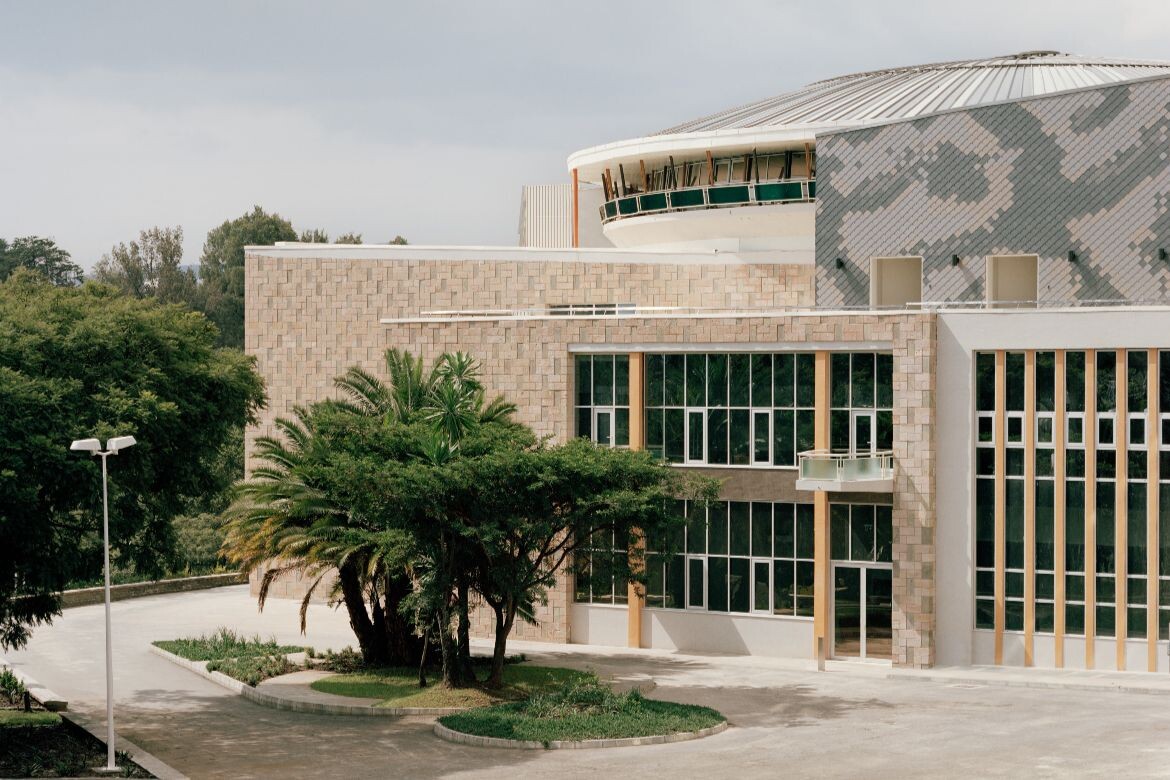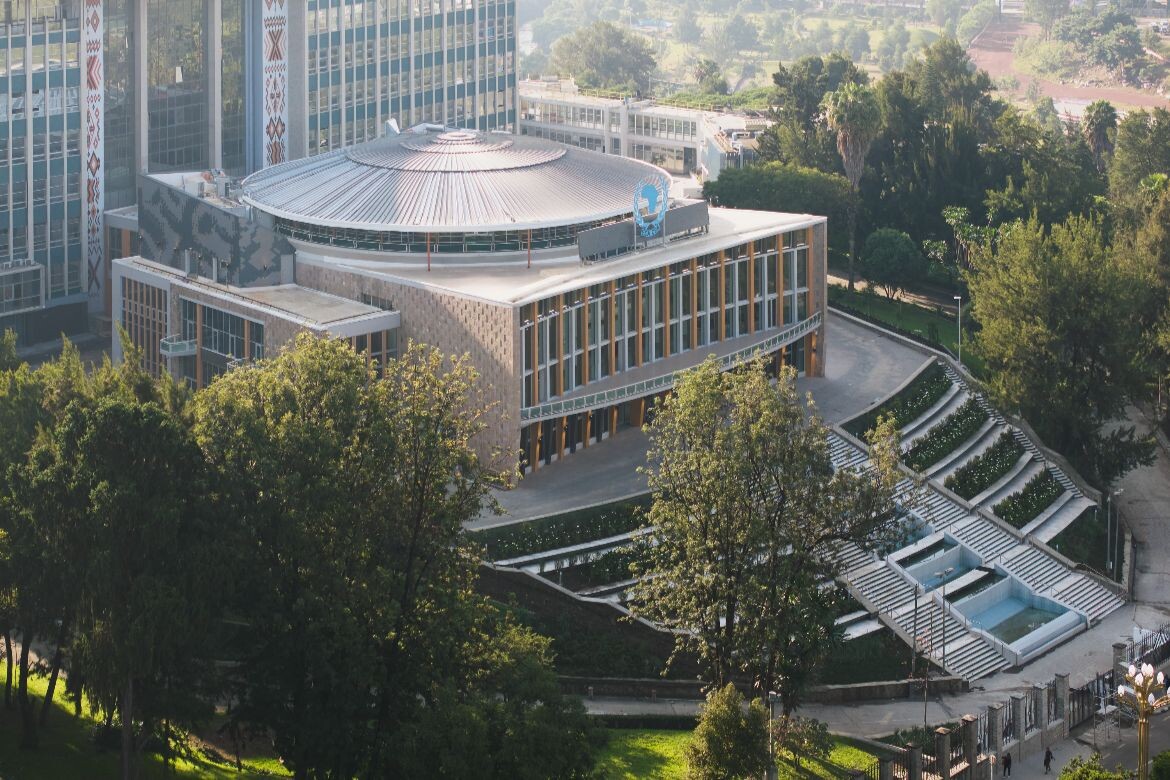
Architectus has been awarded the 2026 World Monuments Fund (WMF)/Knoll Modernism Prize for its restoration of Africa Hall, recognising the project’s significance in the conservation and renewal of modernist architecture at a global scale.
Established to honour exemplary stewardship of modern heritage, the WMF/Knoll Modernism Prize acknowledges projects that protect threatened modern landmarks while adapting them for contemporary use. The award positions Africa Hall among a small group of international projects demonstrating how modernist buildings can be carefully revitalised without compromising their cultural or architectural integrity.
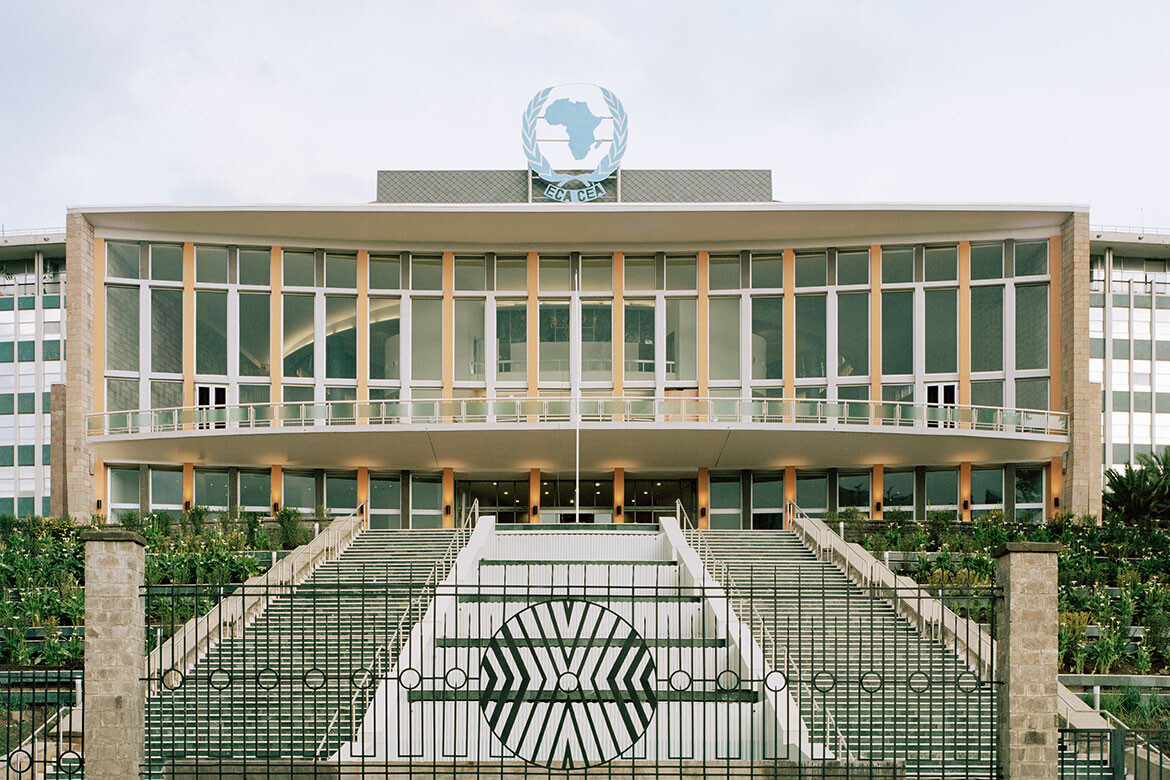
Located in Addis Ababa, Africa Hall was originally completed in 1961 to designs by Italian architect Arturo Mezzèdimi as a meeting place for African nation states and the headquarters of the United Nations Economic Commission for Africa. Over decades, the building became the backdrop to many defining moments in modern African history, giving it both architectural and political weight.
Commissioned in 2013 by the United Nations Economic Commission for Africa, the redevelopment was delivered by Architectus (formerly Conrad Gargett) in collaboration with Ethiopian architects and consultants. The project is among the largest modern heritage renovations undertaken on the African continent, balancing technical restoration with the demands of a contemporary diplomatic and cultural venue.
Related: The Commons opens hospitality-led workspaces in Sydney and Melbourne
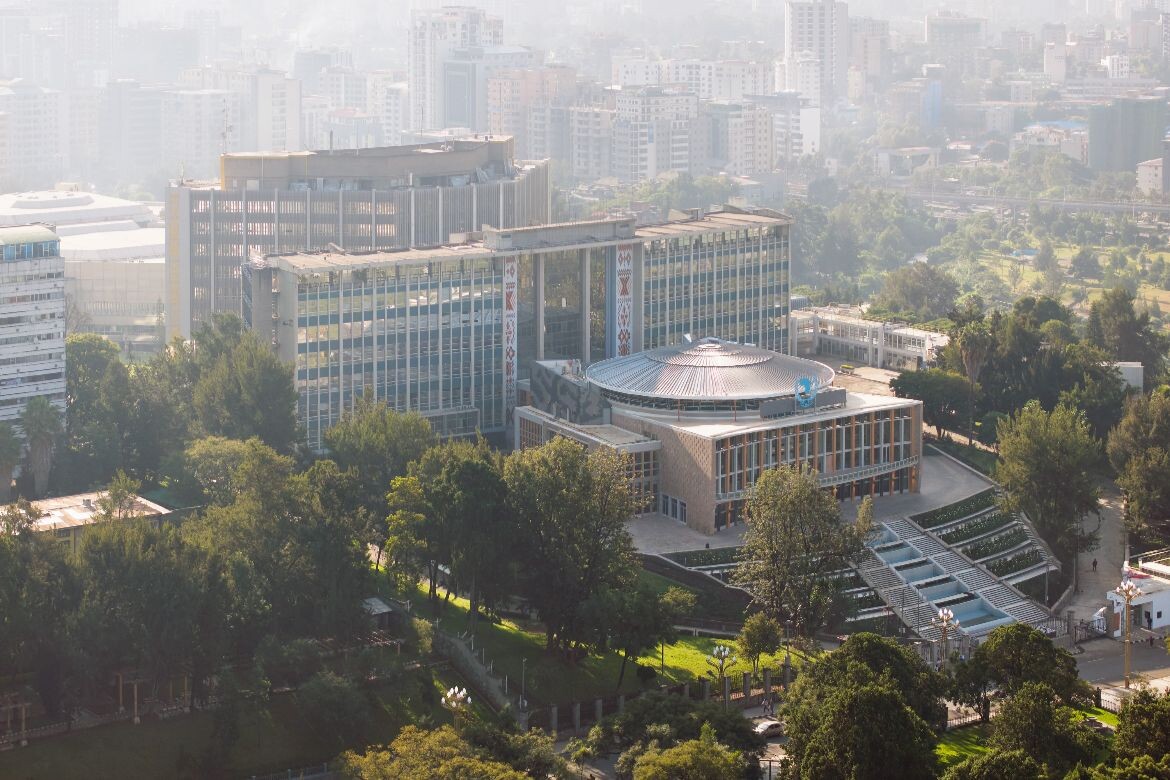
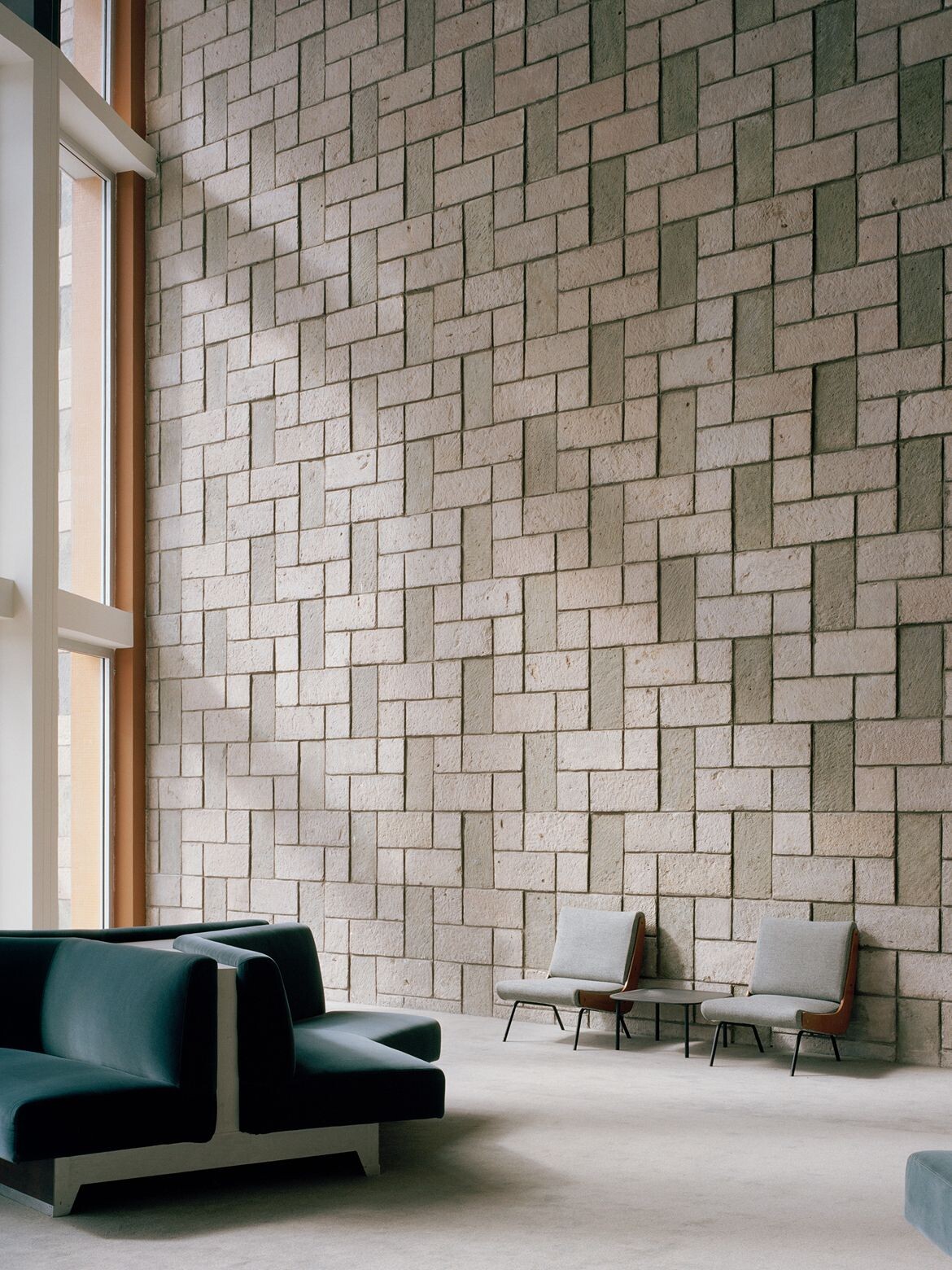
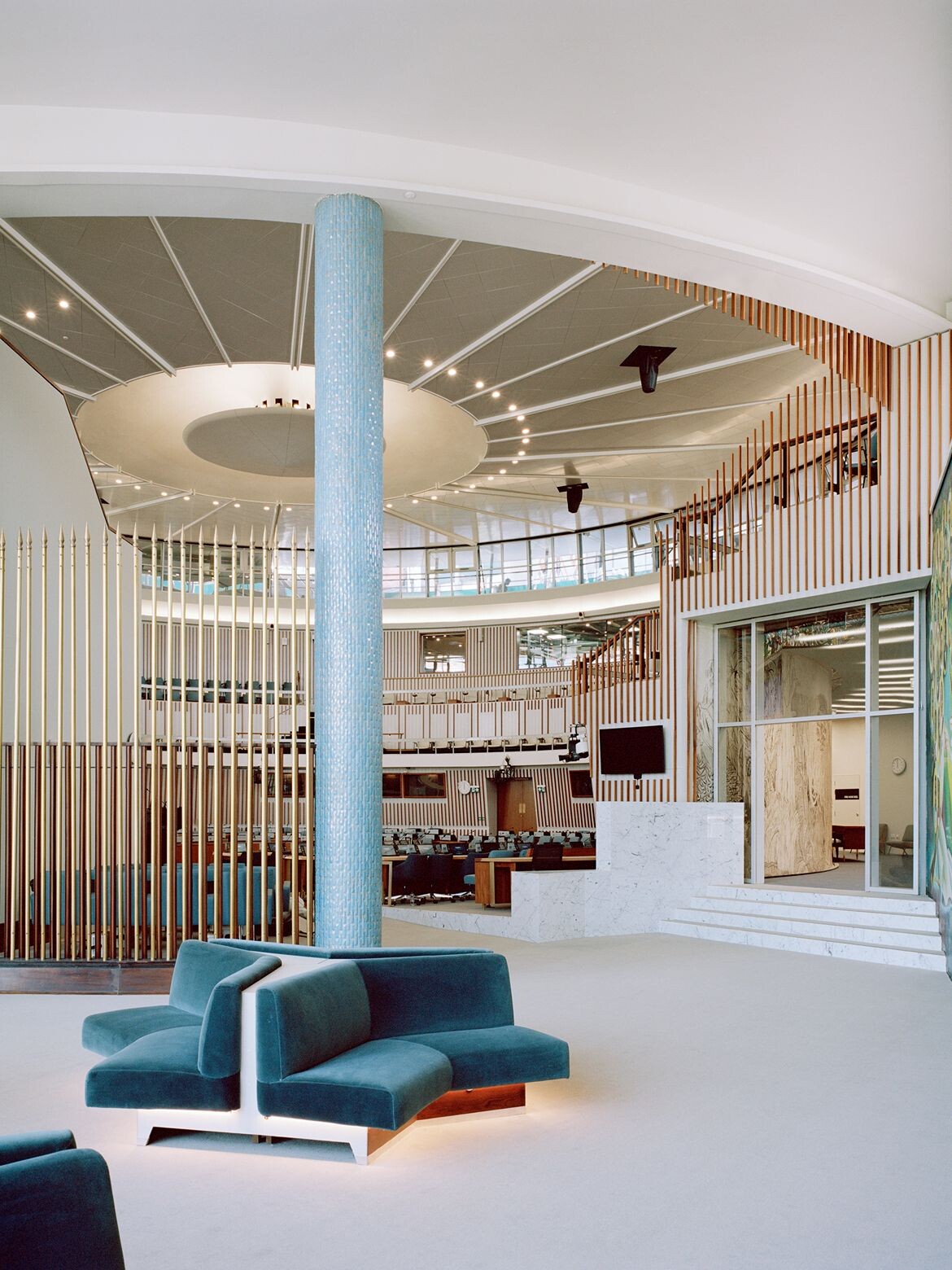
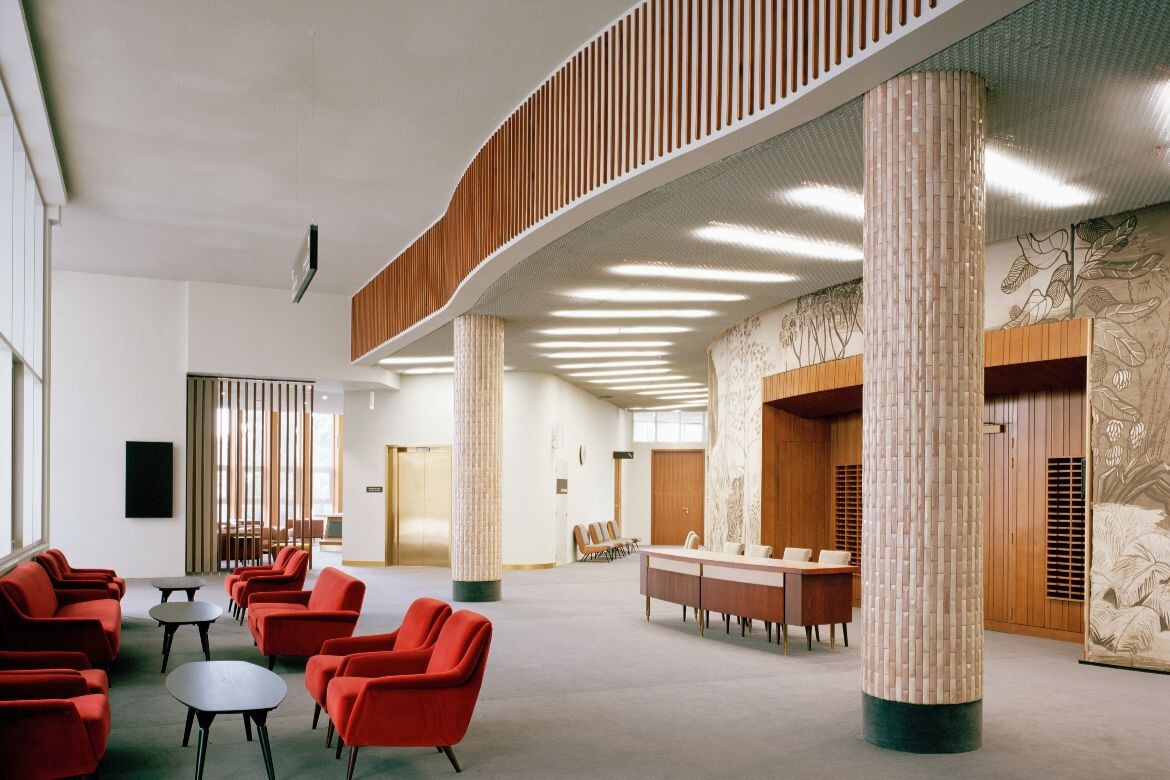
Rather than treating the project as a purely architectural exercise, Architectus approached Africa Hall as a total work of art. Architecture, interiors, integrated artworks, furniture and landscape were addressed as a unified composition, reinforcing the building’s modernist intent while upgrading its performance and functionality.
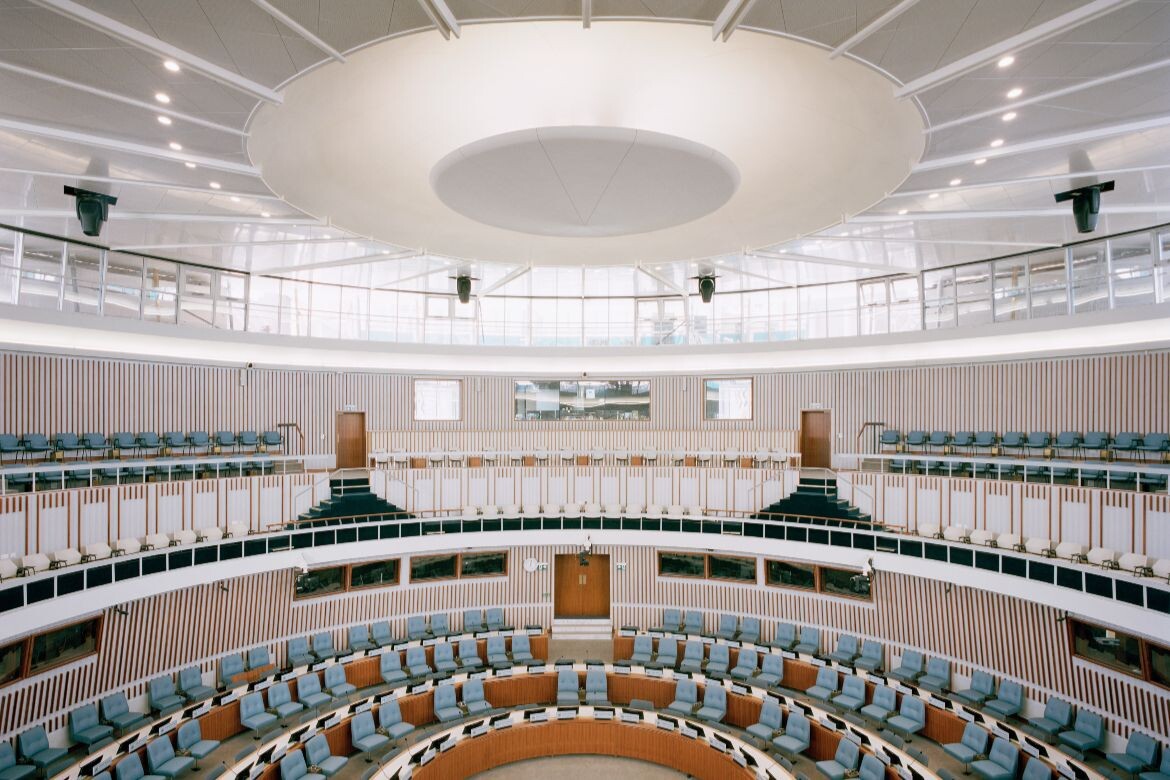
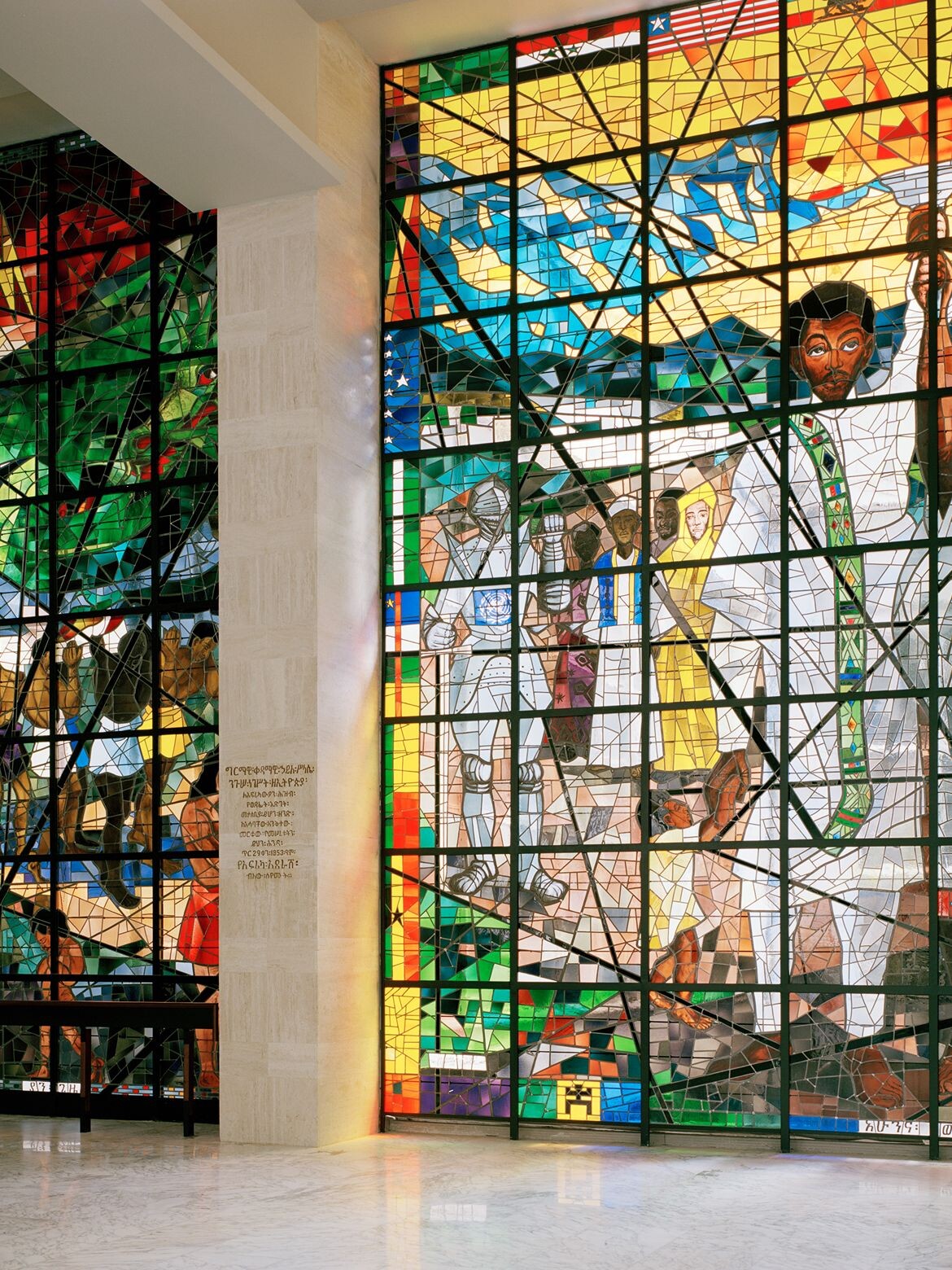
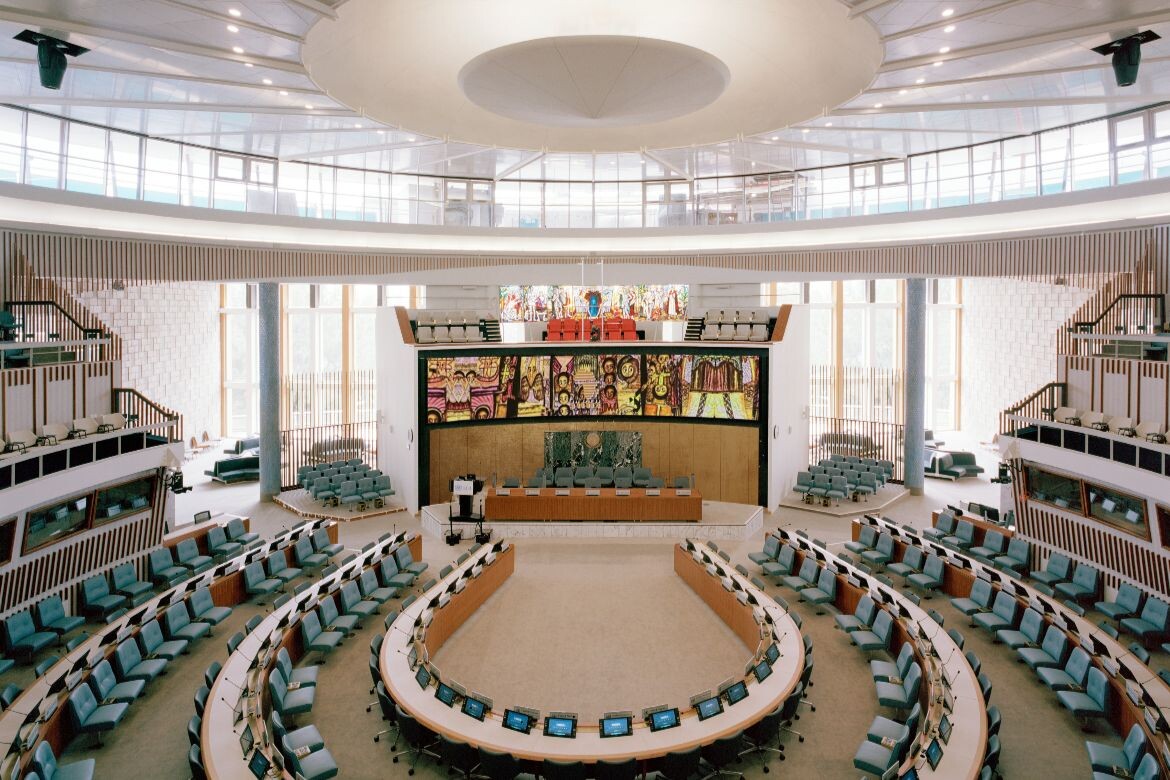
The scope of works included extensive exterior concrete remediation, new high-performance façade glazing, and the fabrication and reinstallation of more than 13 million mosaic tiles, carefully matched to the original modernist palette. Original landscape elements were restored, while integrated artworks by Afewerk Tekle and Nenne Sanguineti Poggi were meticulously conserved. More than 500 bespoke furniture pieces were restored, and the circular Assembly Hall was upgraded to support the expanded membership of the African Union. New public amenities, including a museum, exhibition space, visitor centre and café, have further opened the building to broader audiences.
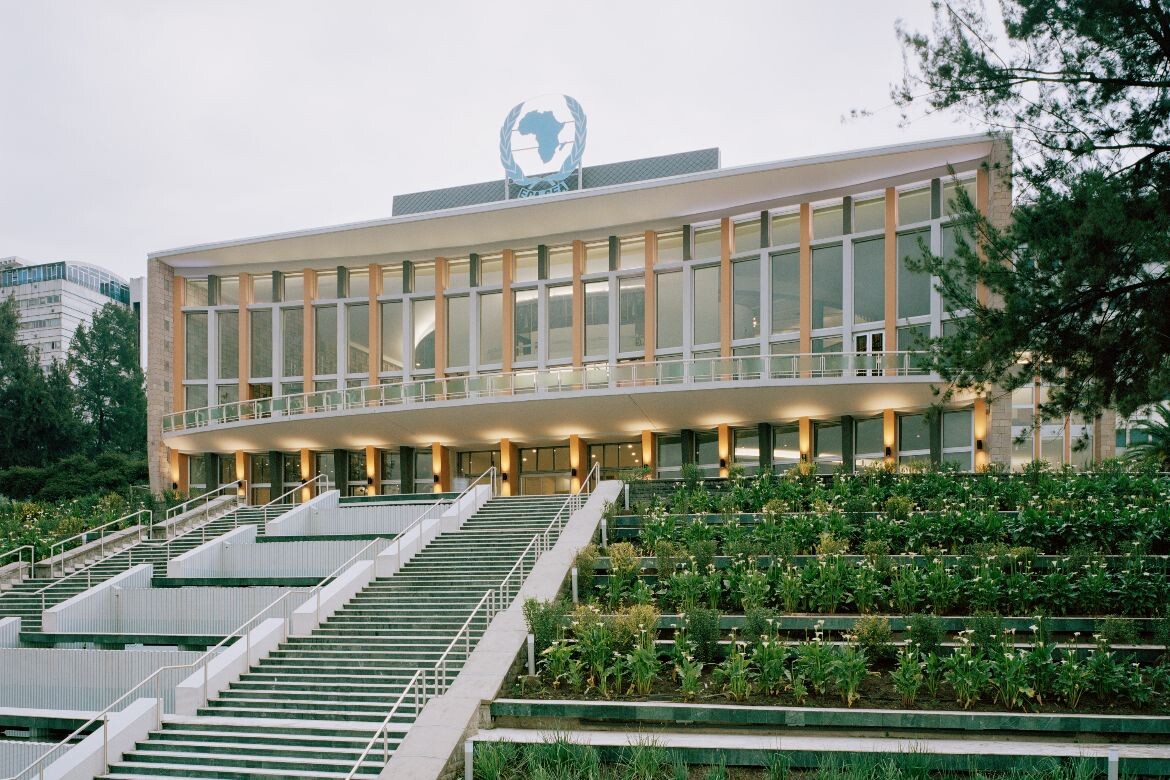
“The WMF/Knoll Modernism Prize is awarded to projects that set a benchmark for how we care for modern heritage,” says Matthew Hughes, Senior Associate at Architectus. “Africa Hall carries enormous cultural and political significance, and this recognition reflects the collective effort to honour its modernist legacy while carefully equipping it for future generations.”
The 2026 WMF/Knoll Modernism Prize will be presented on the 18th of February 2026 during Modernism Week in Palm Springs, California, marking the first time the ceremony has been held outside New York City.
Architectus
architectus.com.au
Photography
Rory Gardiner