British architect John McAslan has discussed Sydney’s upcoming Central Station upgrade at a C+A Talk in Sydney this week.
June 29th, 2018
John McAslan + Partners (JMP) and Woods Bagot will work together to deliver an upgrade to Sydney’s bustling Central Station, which will allow greater volumes of people to move through. The proposed design also sets out to emphasise its key heritage qualities and introduce architecturally inspiring elements that will act to amplify Central Station as a Sydney icon.
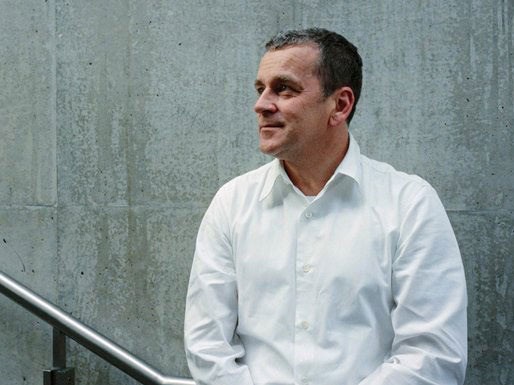
“There are all sorts of issues… It’s incredibly complicated,” says McAslan.
“It’s a classic case of a difficult project. How do you protect this wonderful station and give it new life, while incorporating hundreds of thousands of new passenger movements and making it work better?”
Adding to the discussion, Woods Bagot director Domenic Alvaro shares, “One of the things we’re working around is [making sure] everything has absolute purpose and that it doesn’t just come from an engineering perspective.”
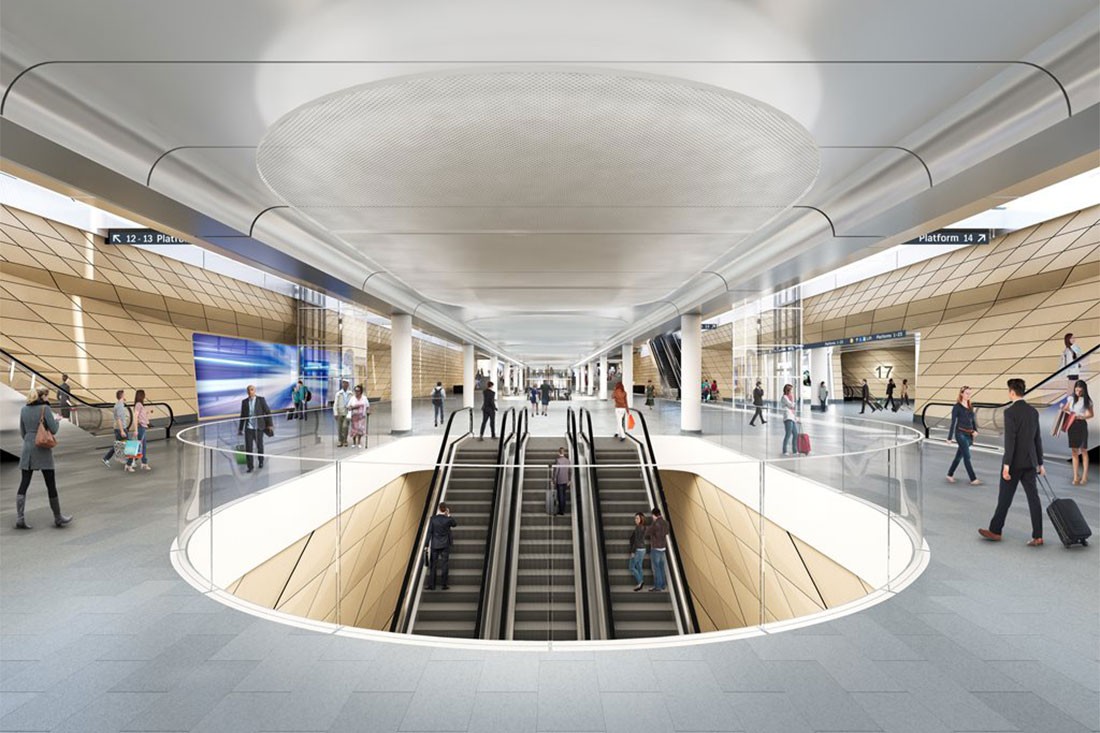
“It’s interesting to see some of the work shift between a pure engineering discipline to legacy, heritage and adaption. So the strategy is between both of those modes,” says Alvaro.
“The most challenging element is handling this axial shift in a way that creates a new space for the station [while] celebrating the historic architecture which is hidden at present,” says McAslan.
“There’s no doubt it’s going to become very difficult. Not so much architecturally, but the construction, keeping operations going and minimising disruption.”
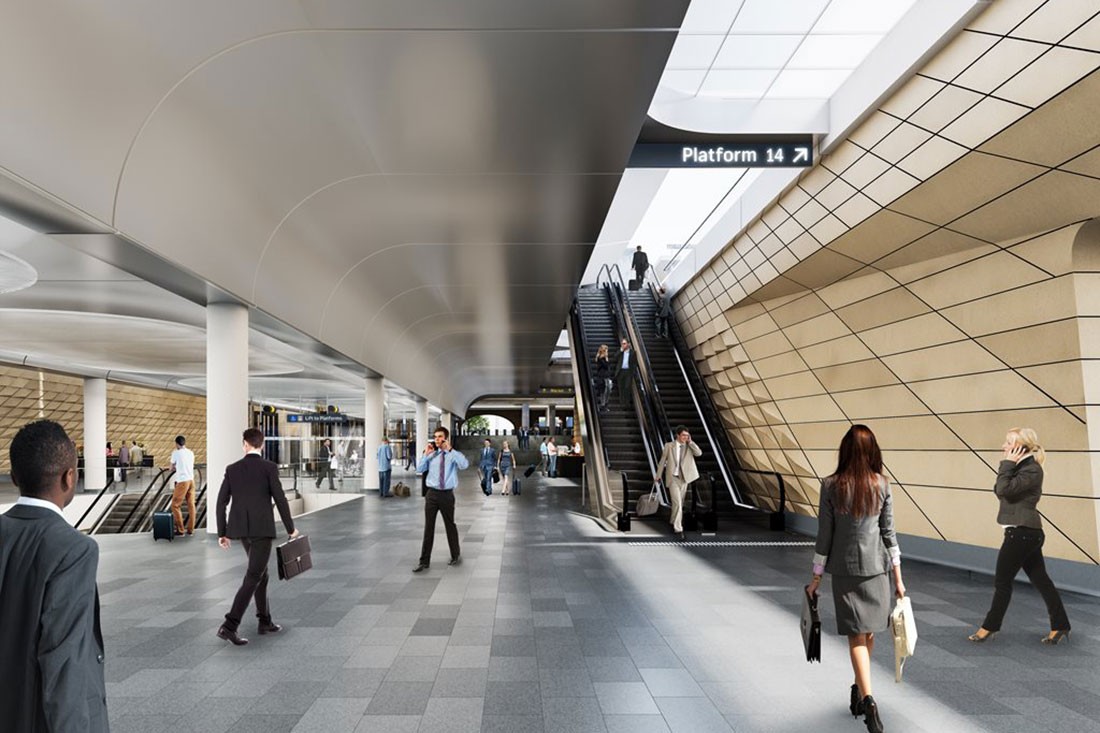
In terms of celebrating and protecting Central’s heritage elements, McAslan likened it to the work he did on Kings Cross Station in London, which involved designing a new Western Concourse to act as a new, iconic architectural gateway to the city. Arguably the most recognisable feature of the concourse is the geometric semi-circular roof, which was designed to celebrate and showcase the heritage buildings while also protecting them.
For more inspiration on train stations, take a look at these world-class designs.
–
Get all the latest straight to your inbox, sign up for our newsletter.
INDESIGN is on instagram
Follow @indesignlive
A searchable and comprehensive guide for specifying leading products and their suppliers
Keep up to date with the latest and greatest from our industry BFF's!
For those who appreciate form as much as function, Gaggenau’s latest induction innovation delivers sculpted precision and effortless flexibility, disappearing seamlessly into the surface when not in use.
In an industry where design intent is often diluted by value management and procurement pressures, Klaro Industrial Design positions manufacturing as a creative ally – allowing commercial interior designers to deliver unique pieces aligned to the project’s original vision.
From the spark of an idea on the page to the launch of new pieces in a showroom is a journey every aspiring industrial and furnishing designer imagines making.
At the Munarra Centre for Regional Excellence on Yorta Yorta Country in Victoria, ARM Architecture and Milliken use PrintWorks™ technology to translate First Nations narratives into a layered, community-led floorscape.
Designed by Woods Bagot, the new fit-out of a major resources company transforms 40,000-square-metres across 19 levels into interconnected villages that celebrate Western Australia’s diverse terrain.
Across four decades, Leone Lorrimer LFRAIA GAICD reshaped Australian architecture through strategic vision, global influence and fearless leadership.
Central Station by Woods Bagot in collaboration with John McAslan + Partners has been named one of two joint winners of The Building category at the INDE.Awards 2025. Recognised alongside BVN’s Sirius Redevelopment, the project redefines Sydney’s historic transport hub through a transformative design that connects heritage with the demands of a modern, growing city.
The internet never sleeps! Here's the stuff you might have missed
A research exhibition reimagines St Kilda’s civic spaces through soft infrastructures that enhance wellbeing and urban experience.
In creating interior spaces that enhance the wellbeing and experience of people, true responsible sourcing also considers the impact of materials and making.