NAPOLEON BY DESIGNPHASE DBA
Published

Joris Angevaare of designphase dba shares how the traditional French cellar informs the design of this new F&B destination in Singapore.
In designing Napoleon, designphase dba have taken the constraints of the French wine bar and restaurant’s location – a 19th century shophouse on Telok Ayer Street – and turned them into some of the most positive aspects of the design.
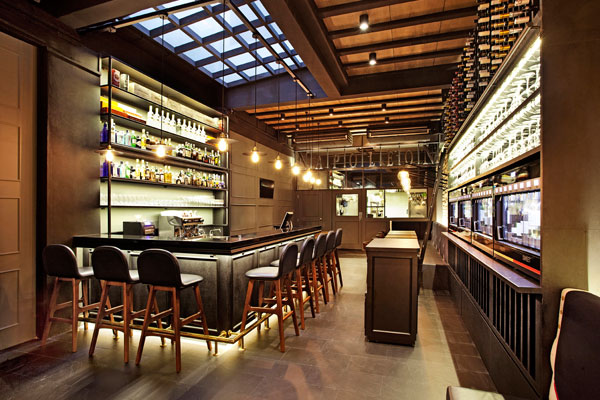
“The narrow entrance posed a challenge. It was cloistered behind a small frontage and was further inhibited by the position of the staircase,” shares Joris Angevaare, Design Director of designphase dba. “But with rich, warm materials to embrace guests as they enter, as well as the strategically–positioned mirror panels to reflect the opposite walls, furniture and lighting, the space really opens up.”

The interior is emphasised by a skylight, positioned directly above the bar and restored from a state of neglect as a prominent feature. The natural light that streams into the space also serves to complement the primary light sources of cantilevered and pendant fittings.
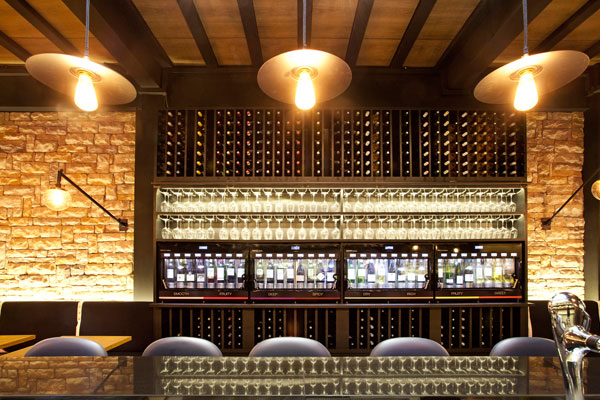
Apart from an impressive selection of French wines, available through self-service by-the-glass dispensers, the concept of the ‘wine cellar’ is also enforced through material selection, finishes and imagery: the stone wall is hewn and the tabletops are wire-brush-scored. The exposed beams and surrounding timber ceiling add to the interior’s rustic appeal while also revealing the original bones of the shophouse.
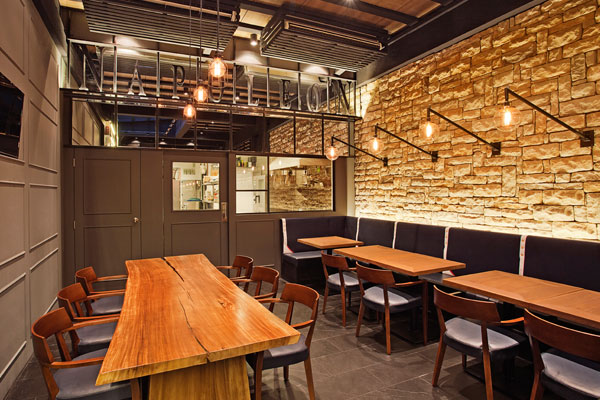
In addition, traditional French techniques have been used for wall treatments, moulding, metalwork and other details, further underscoring Napoleon’s French heritage.
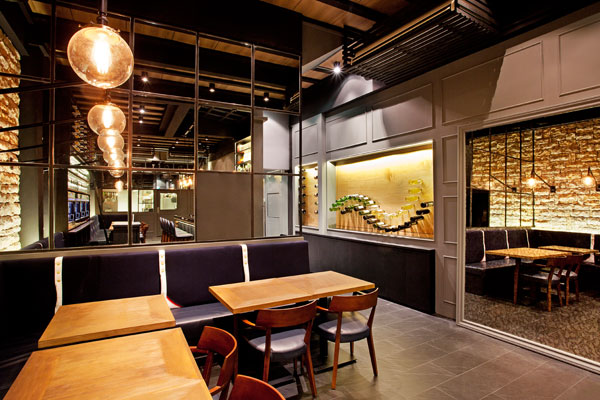
Playful touches take the form of custom-made seats, fashioned in the style of Emperor Napoleon’s famed imperial uniform, complete with a pocket for the iPad menu.
“We were looking for a suitable solution to where the iPad menus could be kept,” says Angevaare, “and as a little nod to Napoleon’s namesake, famous for tucking his hand into his tunic for his portraits, we thought this could be the answer!”
Photography © Nino Yaputra for designphase dba
designphase dba
designphasedba.com
Latest Projects
QLD
Living outside the box
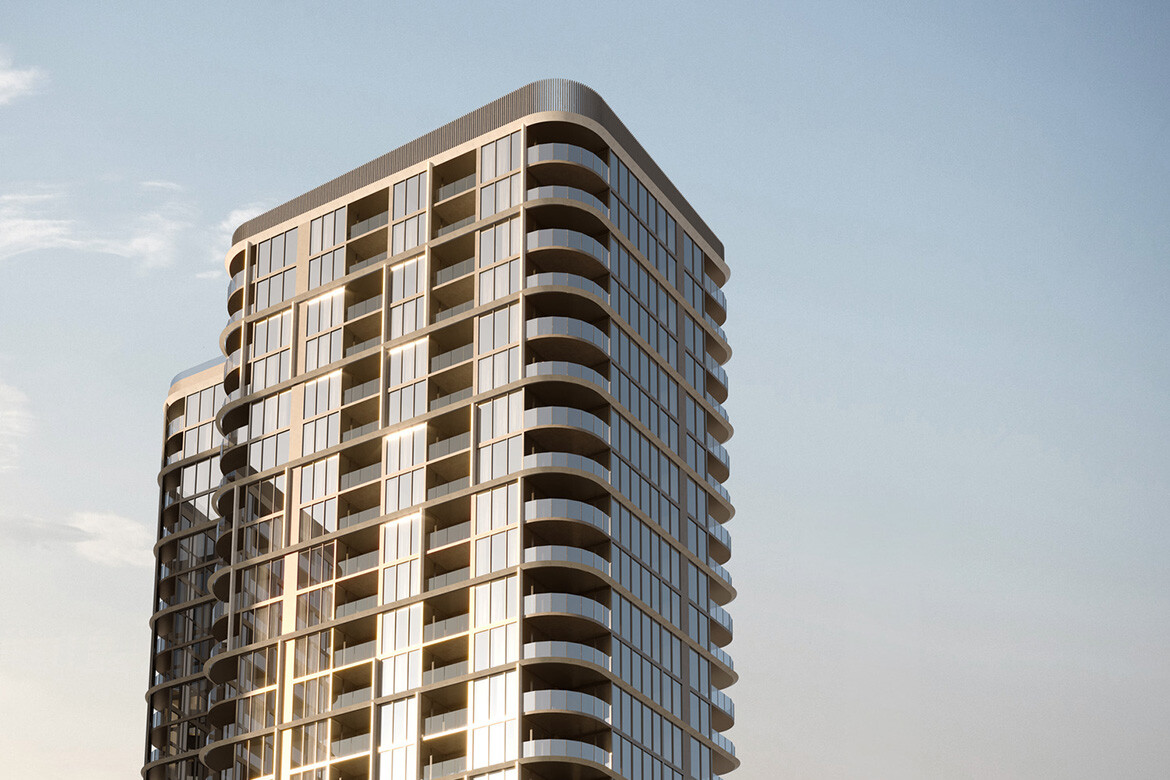
At Northshore Hamilton, Plus Studio’s Danny Juric is looking beyond the apartment tower as an isolated object, drawing on mature trees, Brisbane’s subtropical climate and the rituals of outdoor living to shape Duet.
Project
A civic gateway for Pakenham
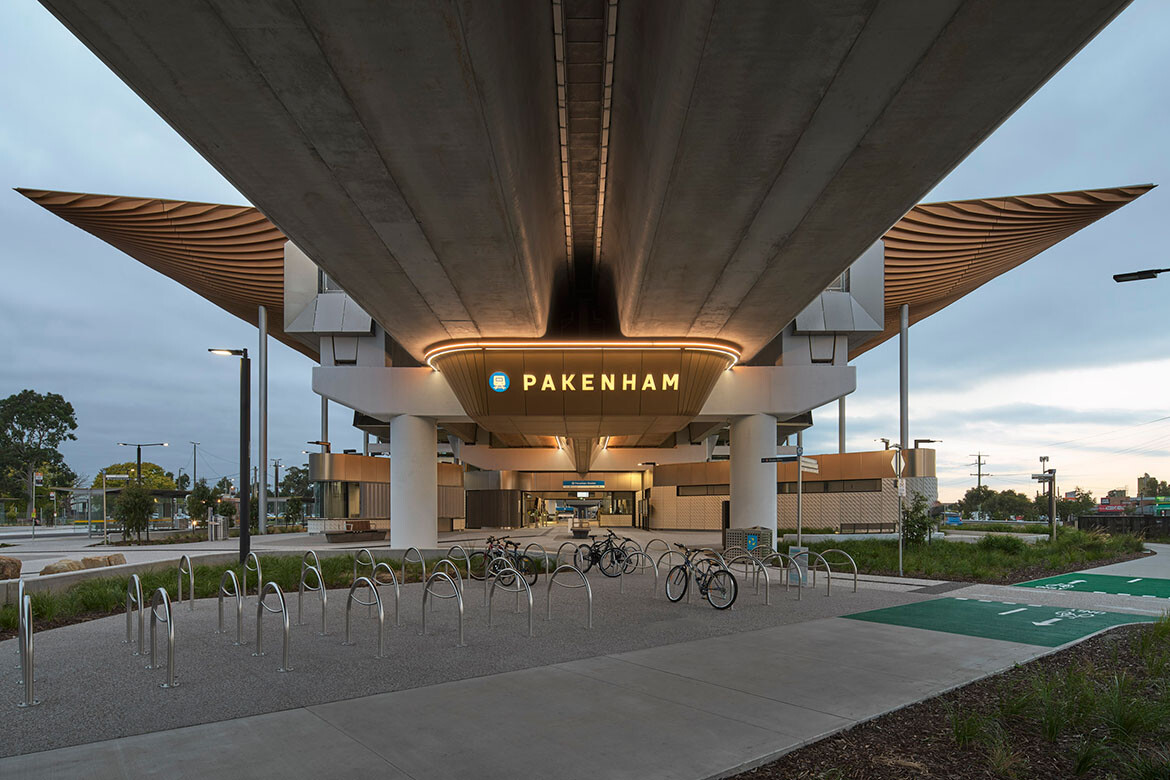
Genton’s Pakenham Station transforms a utilitarian transport interchange into an open civic landmark, reconnecting the town through landscape, public space and infrastructure designed around Country.
Workplace
Per atria ad astra
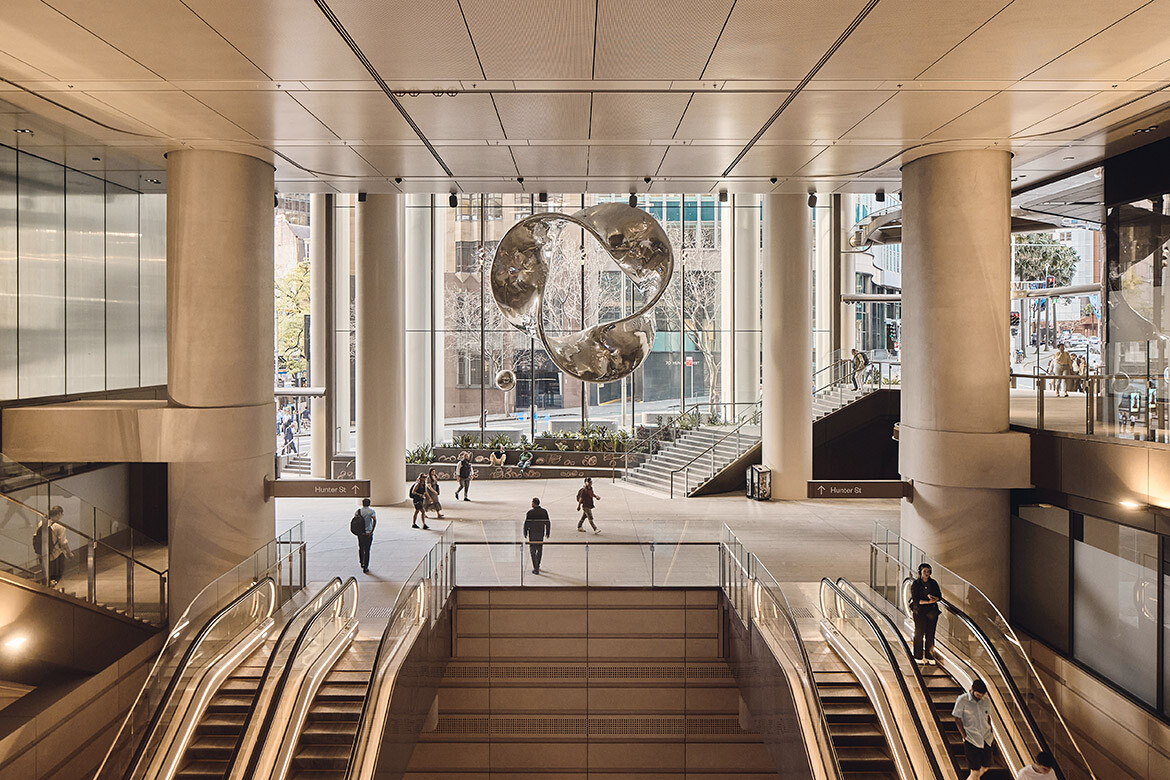
In the very heart of Sydney’s CBD, 1 Elizabeth is a vast civic-scale project that integrates workplace design, transport infrastructure, event spaces, and hospitality around some dramatic void spaces.
Workplace
Seidler, Nervi and fjcstudio walk into an office tower
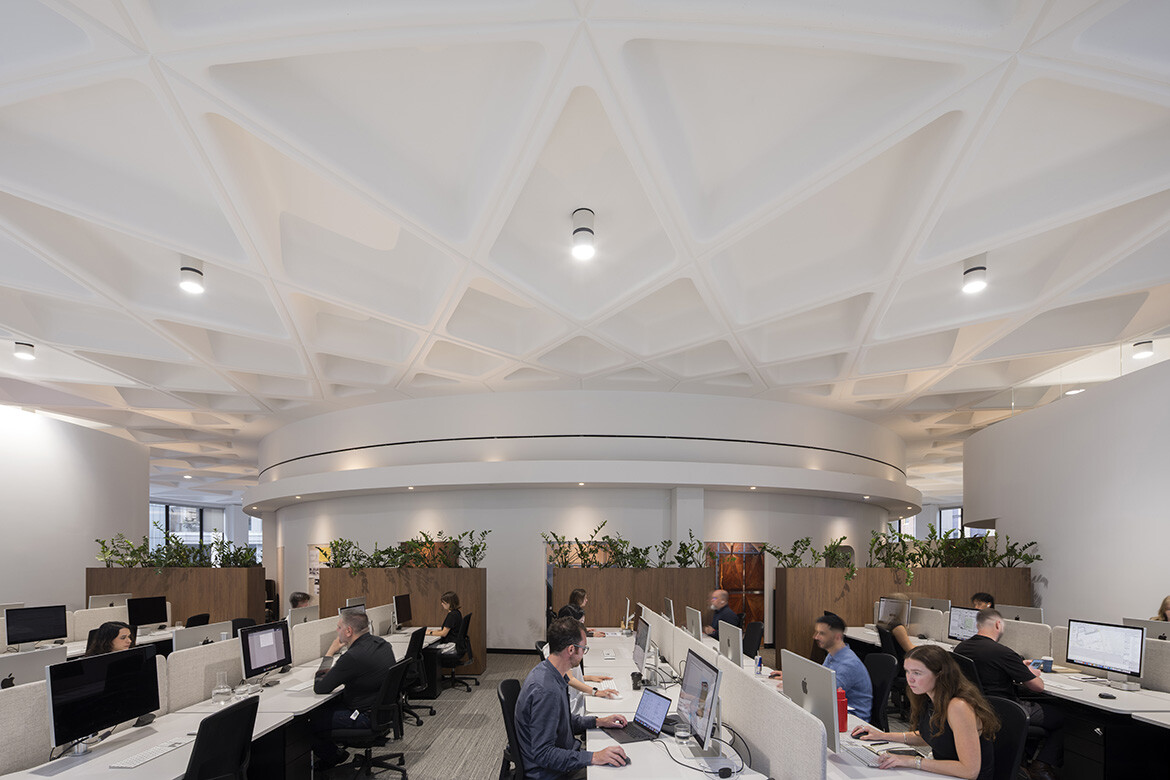
Set within hallowed architectural surroundings amidst the ghosts of Harry Seidler and Pier Luigi Nervi, fjcstudio’s new Sydney home brings geometric clarity and a spirit of creative exchange to a challenging workplace fit-out.