As travelling once again becomes the norm, a hotel in New Delhi, India captures the requirements and desires of the post-pandemic world in the first of a series of small urban hotels by jüSTa Hotels & Resorts.
Named Justa Nuo, the project has been designed by Architecture Discipline, with lead Akshat Bhatt and his team, setting the tone and style of the new wave hotel of the future.

Justa Nuo, a new build, has a floorplan of some 929 square metres that boasts 27 rooms with myriad public and private spaces. The design of the hotel stands proud in its surrounds but also merges beautifully with the outside.
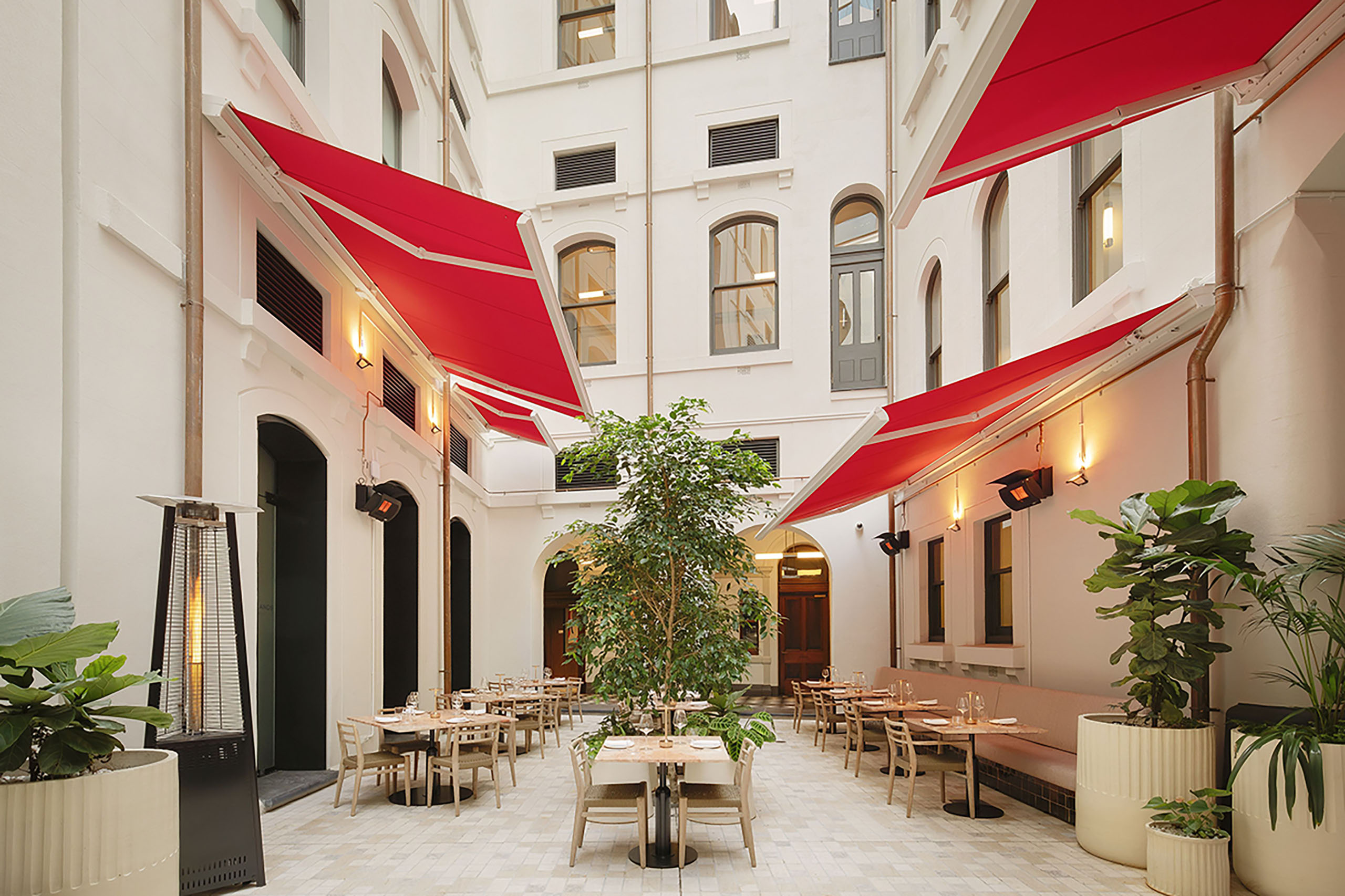
Entry from the street is through a large open-to-sky courtyard area and passers-by can view the interior as those inside, can look out. A glazed façade forms a transparent wall between the interior and the exterior and the arriving guest is greeted with views of a neon green spiral staircase that becomes the focal point of the interior space.

On the southern edge of the entry court is an external staircase that leads to the ground floor. Guests move through a reception lounge and café and can access either a large atrium that forms the core of the building or the public spaces via the green spiral staircase.
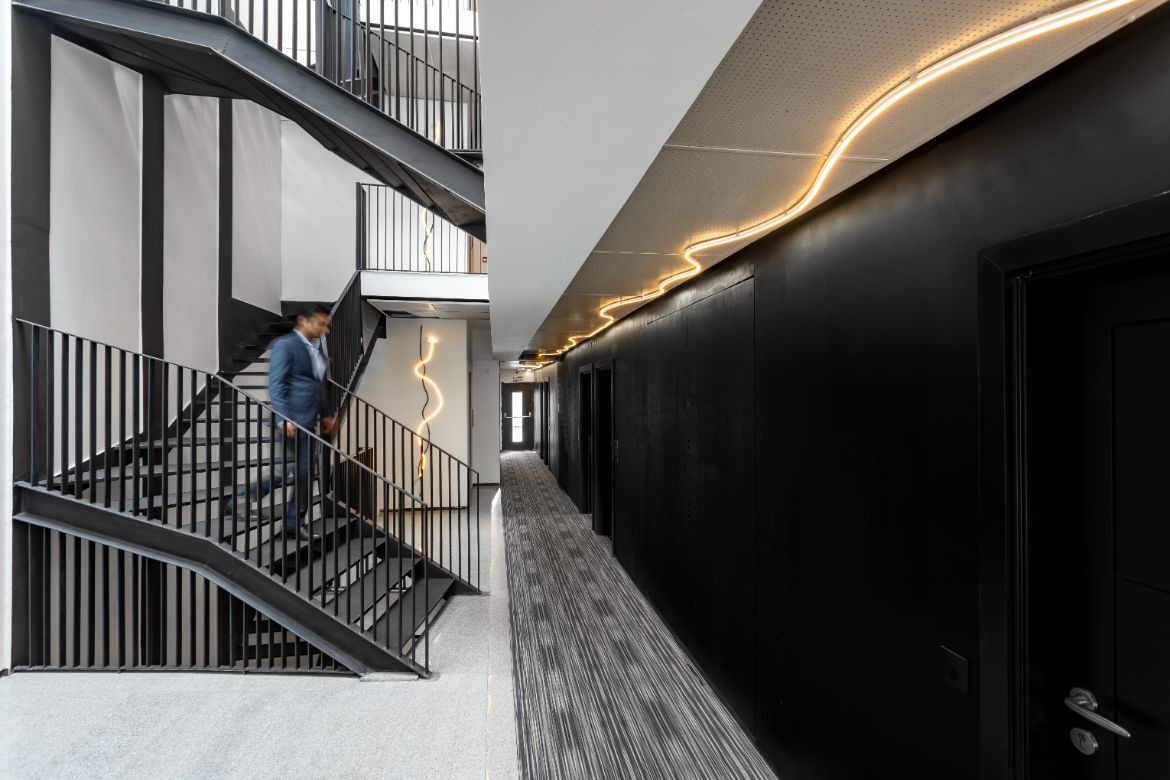
The large 15-metre-high skylit atrium features a black steel staircase that provides access to the first, second and third floor and guest rooms, while further along, there is a terrace with gym and an open deck.
Related: Architecture Discipline designs retail space in New Delhi

The lower ground floor accommodates an art gallery and in the basement is a co-working space with all amenities including conference rooms.
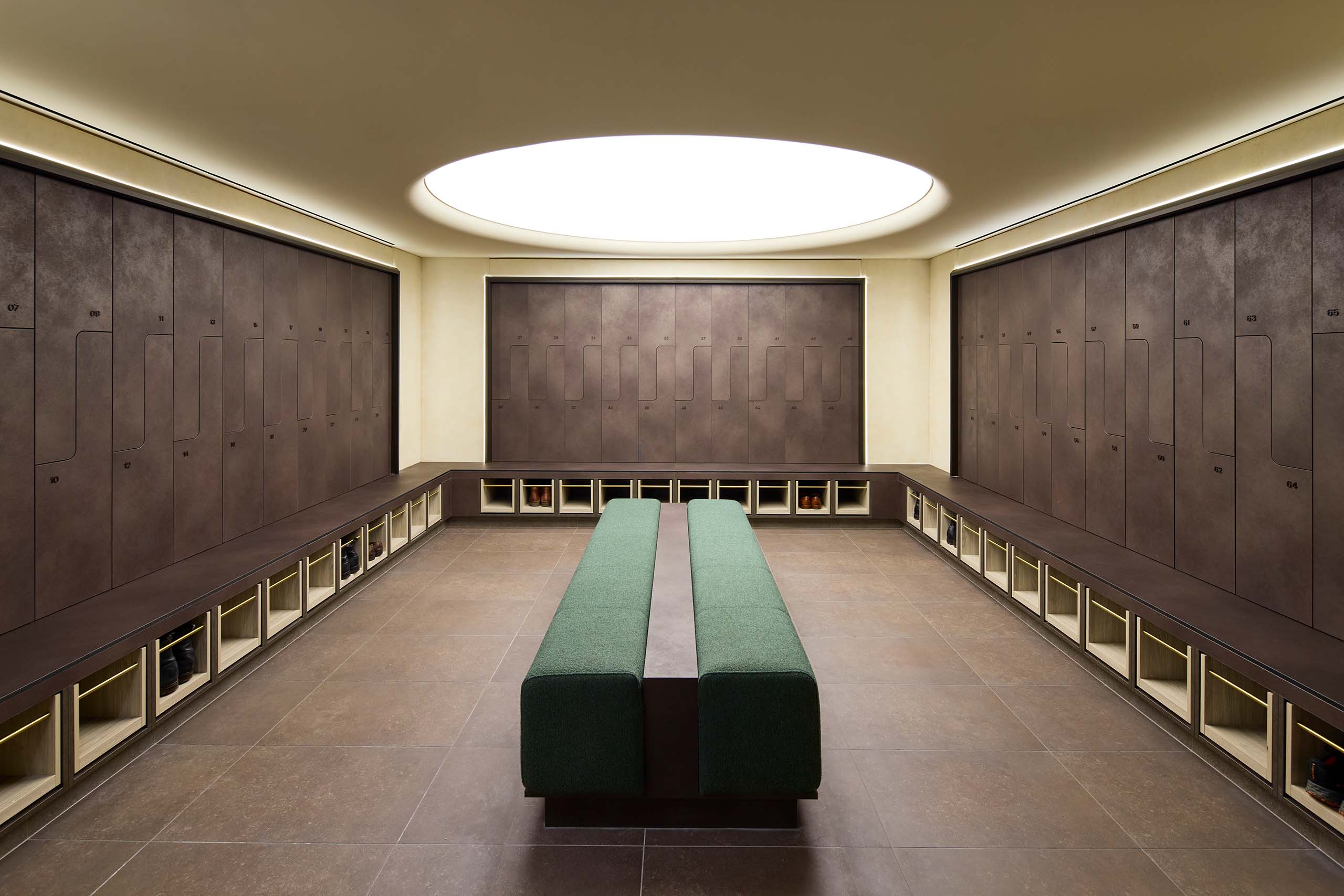
The colour palette is minimal with tones of grey and black. Materiality includes locally-sourced black and grey patterned carpets on the floor while LED strip lighting has been incorporated in corridor ceilings and stairwells.

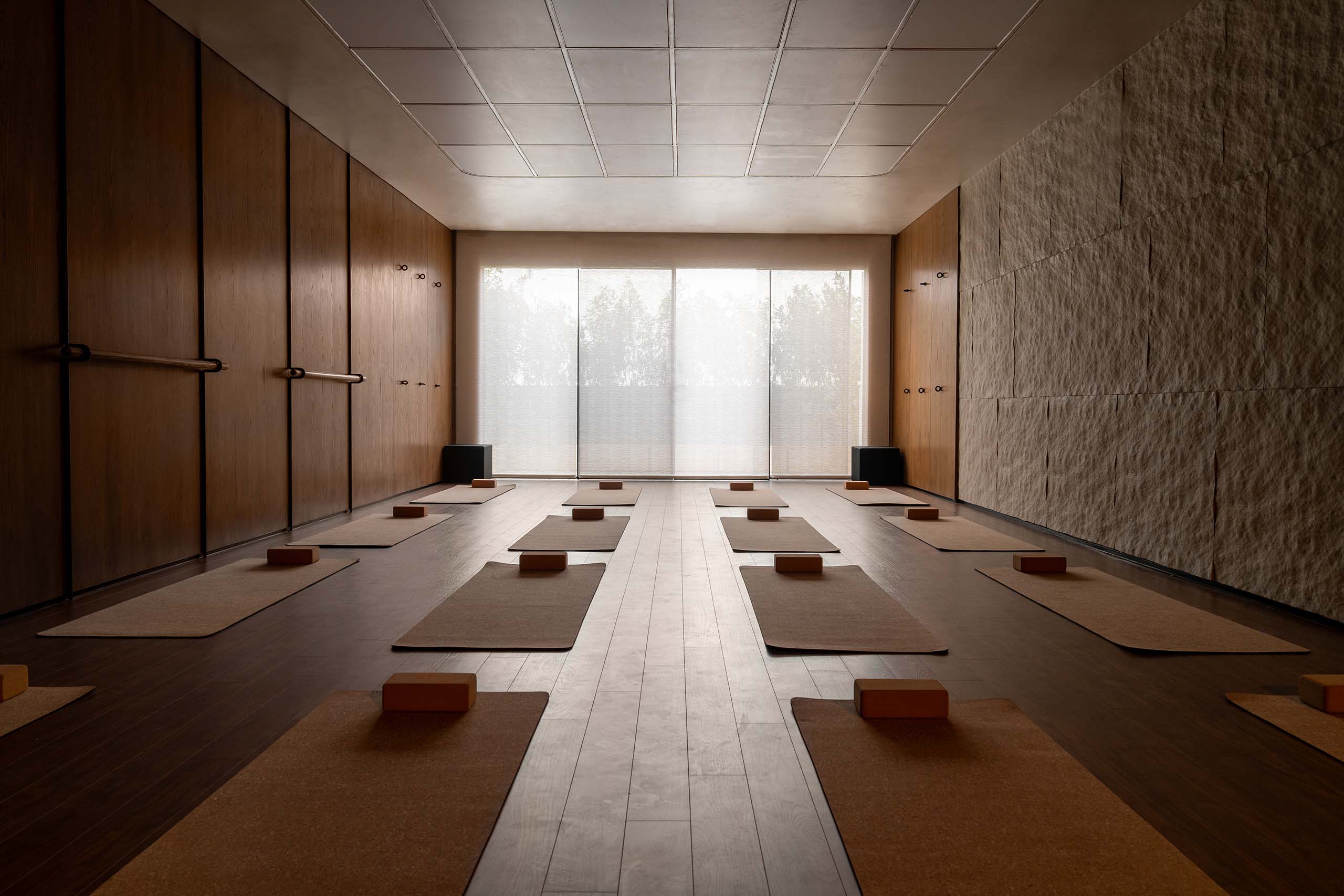
Guest rooms extrapolate the monochromatic colour palette with timber in floorboards and furniture. Locally-sourced wood fibre-boards that can be recycled end of use have been utilised extensively to mitigate noise from the busy city outside. Rooms open out onto the naturally-lit atrium and also feature projecting bay windows to optimise the curated views and daylight.
The façades of the building were developed in response to the sun path and help minimise heat ingress from the south and the western aspects. Air conditioning systems maintain air quality and temperature while an integrated heat retrieval unit contains energy consumption (heat from air extracted is reused to treat conditioned air being supplied).

Glazed projecting bays capitalise on the north eastern light and the bays and balconies provide a changing play of light and shadow below, depending on the time of day and season. At night, the street-facing façade becomes an interactive interface between the sanctuary of the hotel and the busy world of the city, with coded and digitally operated coloured LED lights highlighting the floor slabs.
Justa Nuo is a city destination with a new world vibe. The aesthetics are pared back and contemporary where less is more, however, it is the continuum of the architecture that provides a seamless and integrated design throughout.

This is the way of the future, a hospitality venue that has been thoughtfully and expertly designed to reflect the needs of a discerning clientele in an ever-changing world.
As usual, Architecture Discipline has exceeded the brief and provided a design for Justa Nuo that is both original and beautifully realised. While life as we once knew it has changed forever, the silver lining is architecture that meets new and multiple needs and provides connection for people to place.
As hospitality venues go, this is a template for the future and certain to appeal to travellers who demand the best in design, facility and wellness. Justa Nuo is restrained but original, minimal yet spatially extravagant and sets the bar high for hotel living.
Architecture Discipline was shortlisted in The Influencer category of the 2022 INDE.Awards for Mohalla Clinics.
Architecture Discipline
architecturediscipline.com
Photography
Jeetin Sharma


We think you might like this story about Mohalla Clinics, a project by Architecture Discipline.