Honesty in design makes for sustainability and comfort
Published
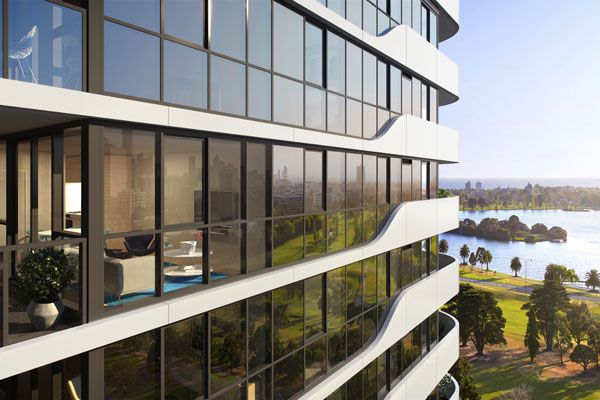
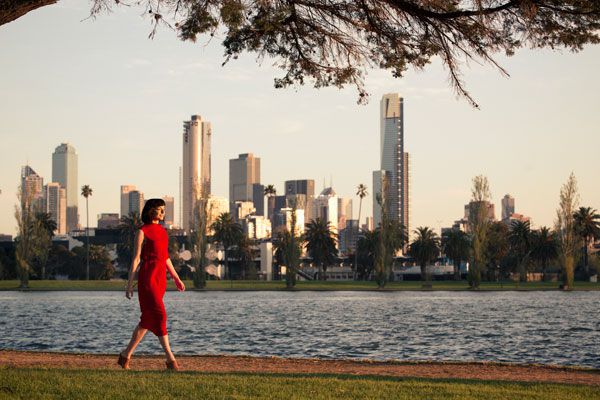
Located on Melbourne’s Queens Road, Queens Domain is lined by buildings from various eras and different styles. When seen from Albert Park, a narrative of Melbourne’s architectural history can be seen. Amongst them are proud contributions by Frederick Romberg, world renowned Modernist architect.
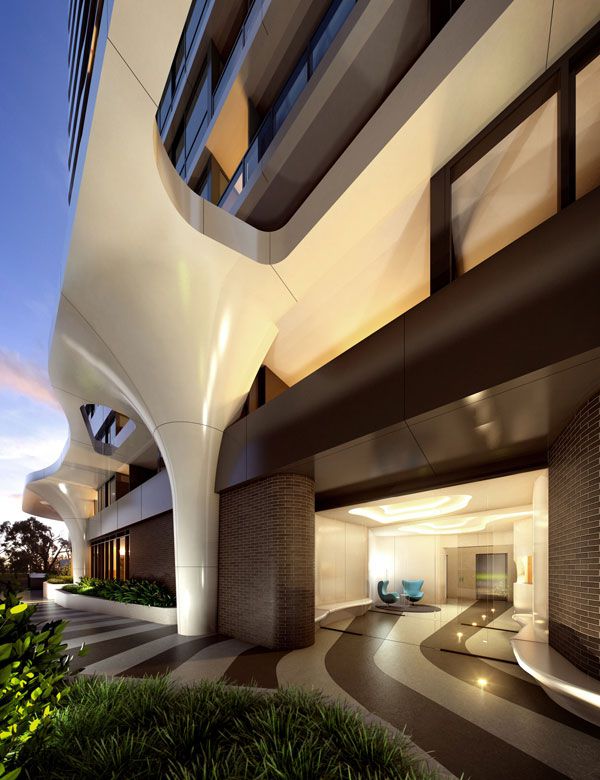
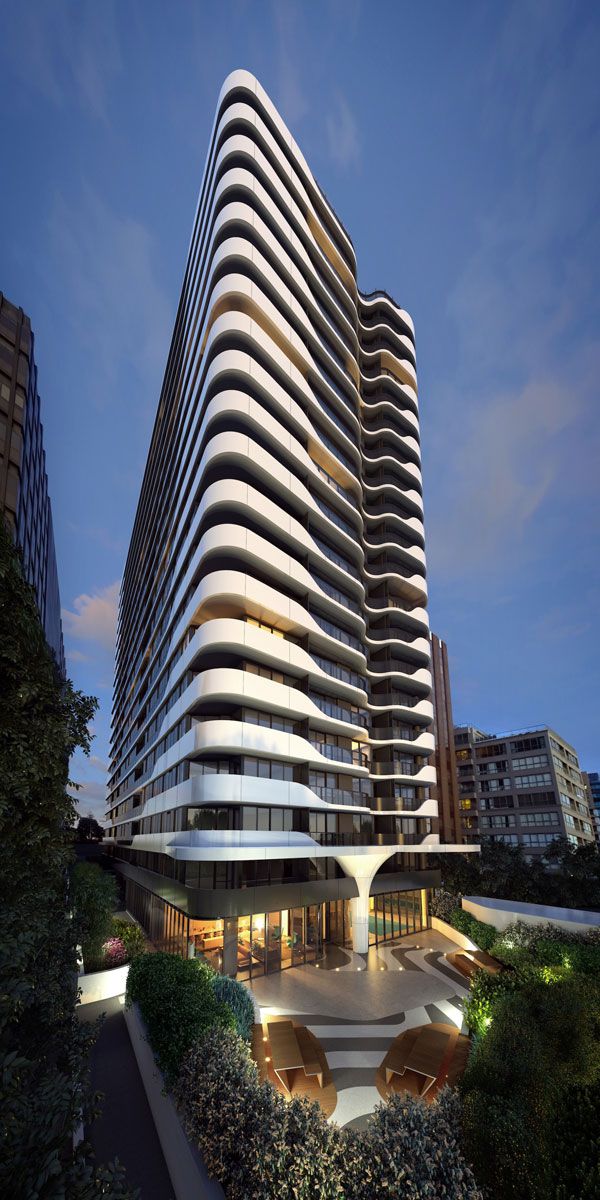
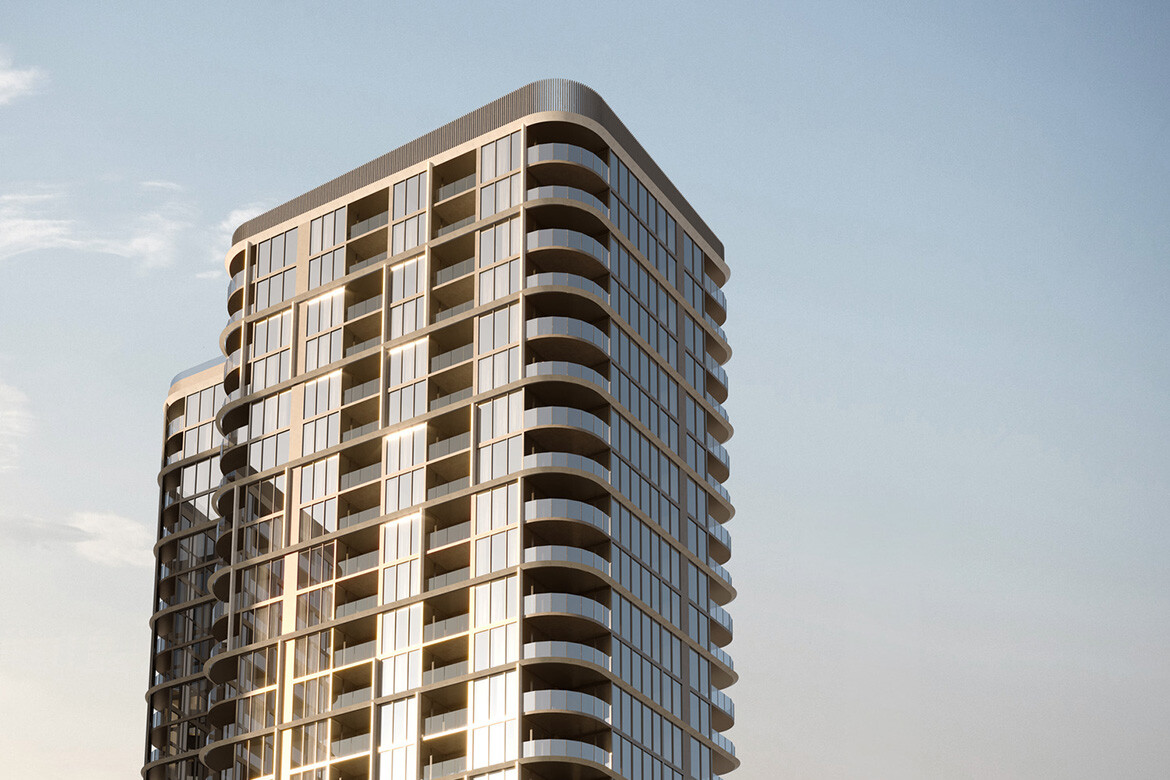
The Stanhill and Newborn Flats are beautiful and functionalist, with sweeping balconies and fine glass detailing. Queens Domain takes up the next thread of this story, reinterpreting existing design elements, while showcasing the design and construction techniques of our time. DKO designed this Bauhaus-influenced apartment complex.
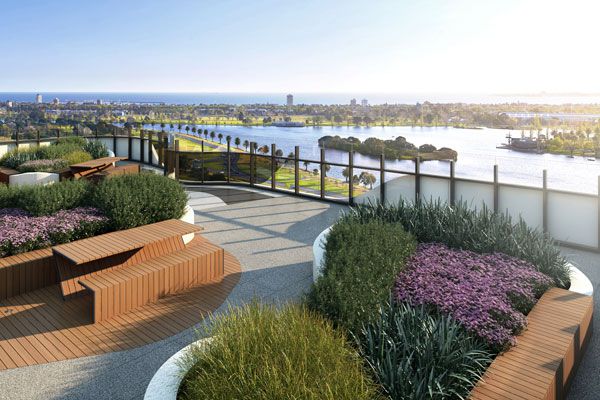
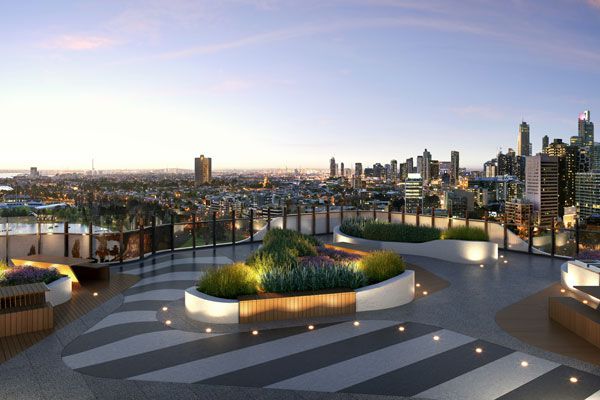
What are the stand out features on Queens Domain that reference mid century Romberg design?
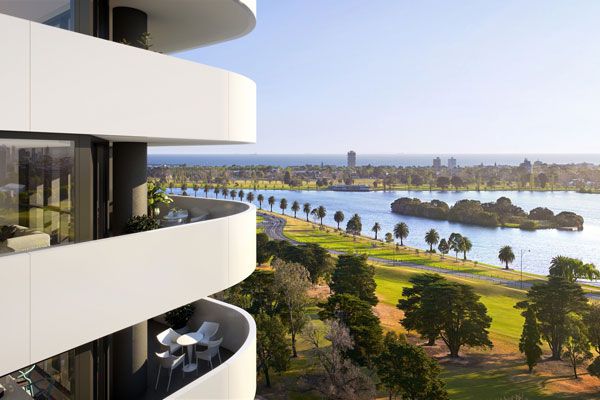
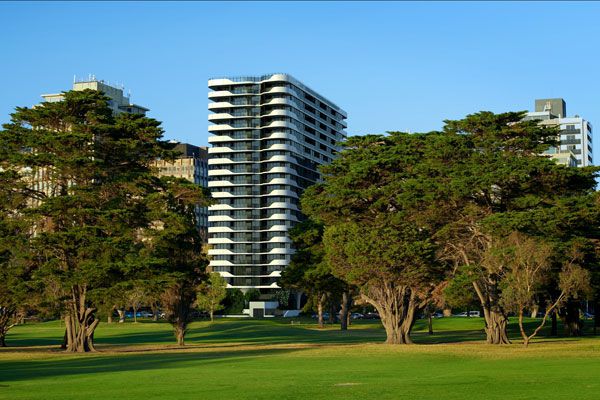
Romberg’s architecture characterised by in part by The Stanhill and Newburn Flats, is generally striking in form and with its use of balconies responds to the urban context. Queens Domain has taken the balconies and created a strong sculptural and playful form. This sculpture will be highly visible from Queens Road and Albert Park.
In what ways is it different? What features are clearly products of the 21st century?
Building technologies have changed drastically in the past 50 years. Whereas the Stanhill and Newburn Flats use reinforced concrete, Queens Domain uses light weight panelling systems and corian like materials that allow for a much stronger sculptural outcome. Window systems are detail to align with balconies to become much more sculptural and to promote seamless inside-outside living.
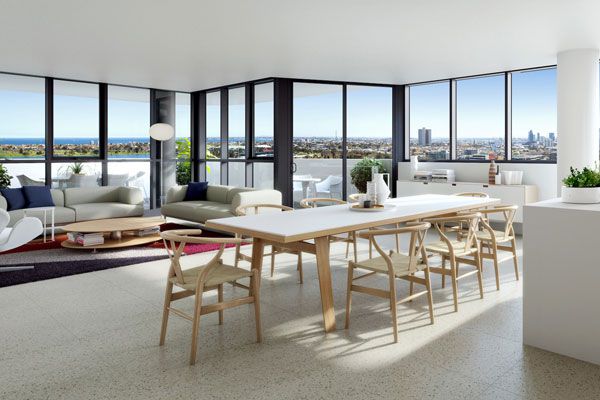
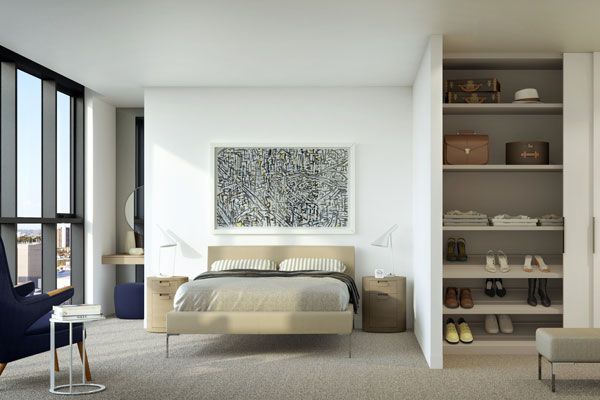
What makes this modernist style remain popular today?
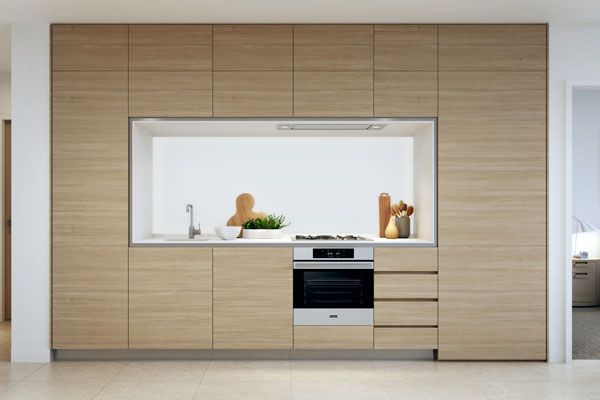
The Modernist style had a honesty of structure and form that related well to the environment. Solar orientation and orientation were key elements of Modern architecture, all of which are incredibly relevant today.
What did you enjoy most about working on this project?
Designing in what was Melbourne’s first true apartment precinct has allowed DKO to examine the buildings on Queens Road and reinterpret them in a contemporary relevant manner.
What does this design tell us about the current architectural climate?
There is certainly a new interest in Mid Century Modernism, which is not just focused on its forms and functions, but also on the thinking behind what drove the Architecture, i.e., sustainability and great comfortable living environments.
Latest Projects
QLD
Living outside the box
At Northshore Hamilton, Plus Studio’s Danny Juric is looking beyond the apartment tower as an isolated object, drawing on mature trees, Brisbane’s subtropical climate and the rituals of outdoor living to shape Duet.
Project
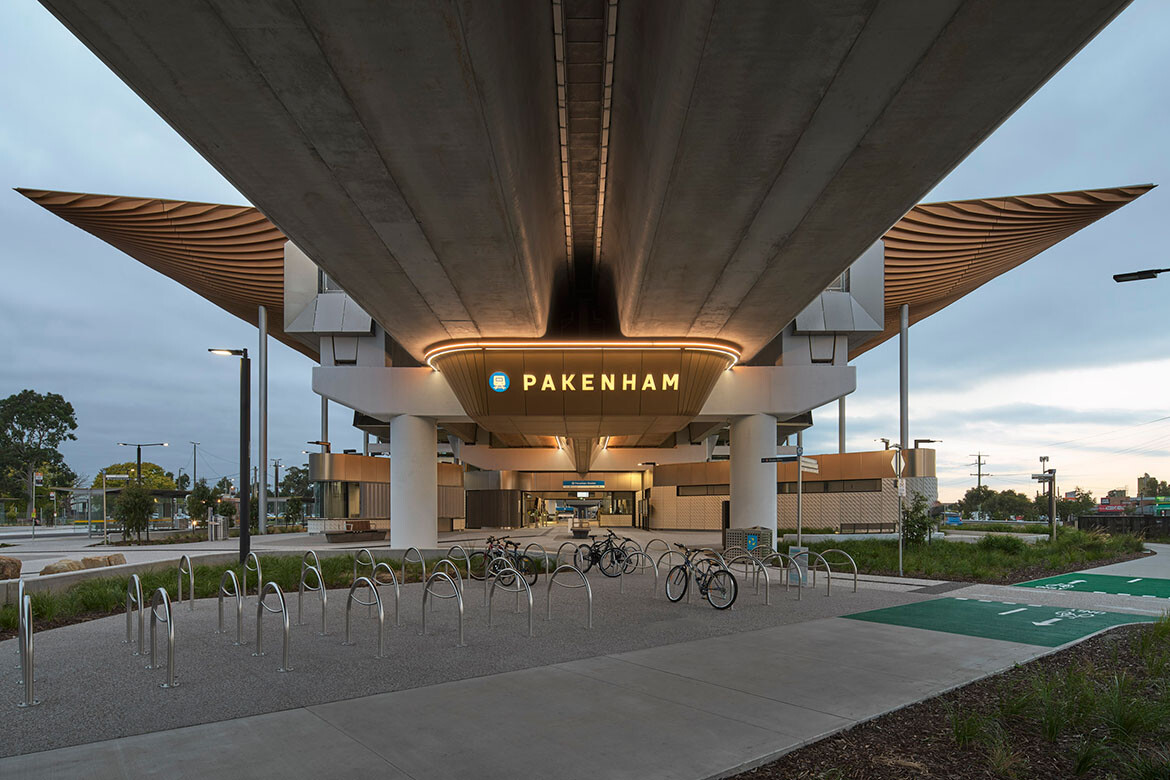
A civic gateway for Pakenham
Genton’s Pakenham Station transforms a utilitarian transport interchange into an open civic landmark, reconnecting the town through landscape, public space and infrastructure designed around Country.
Workplace
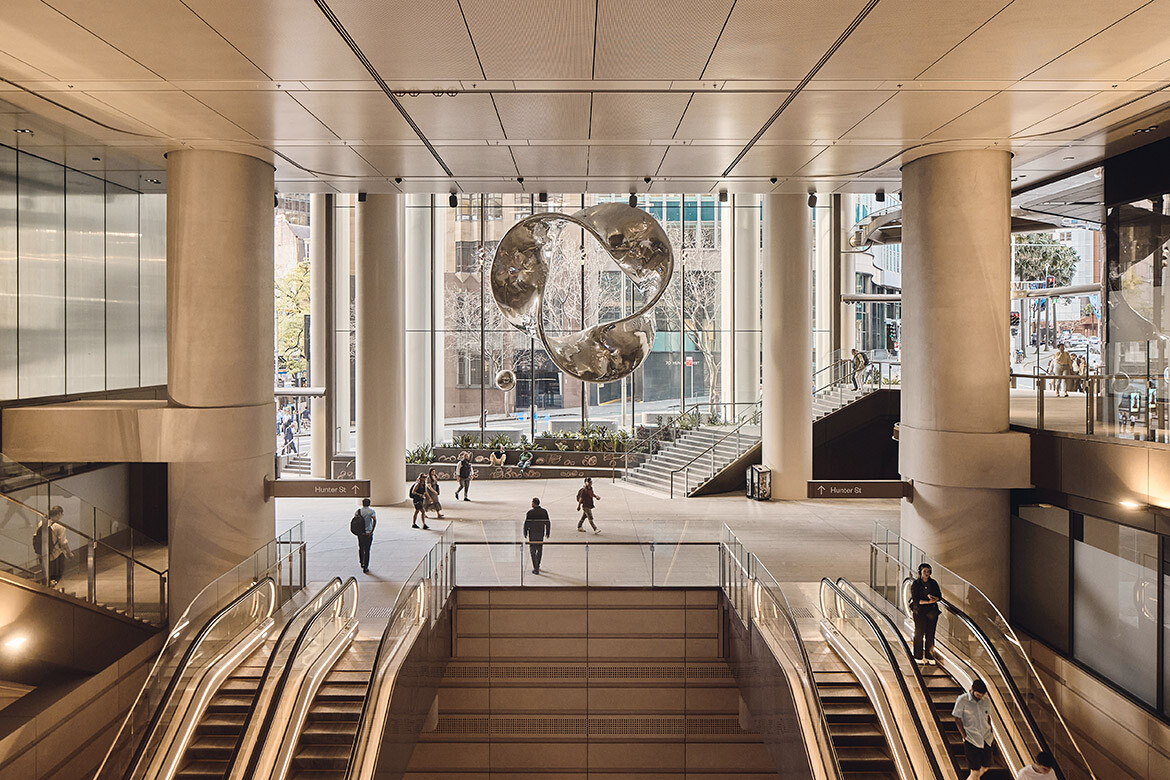
Per atria ad astra
In the very heart of Sydney’s CBD, 1 Elizabeth is a vast civic-scale project that integrates workplace design, transport infrastructure, event spaces, and hospitality around some dramatic void spaces.
Workplace
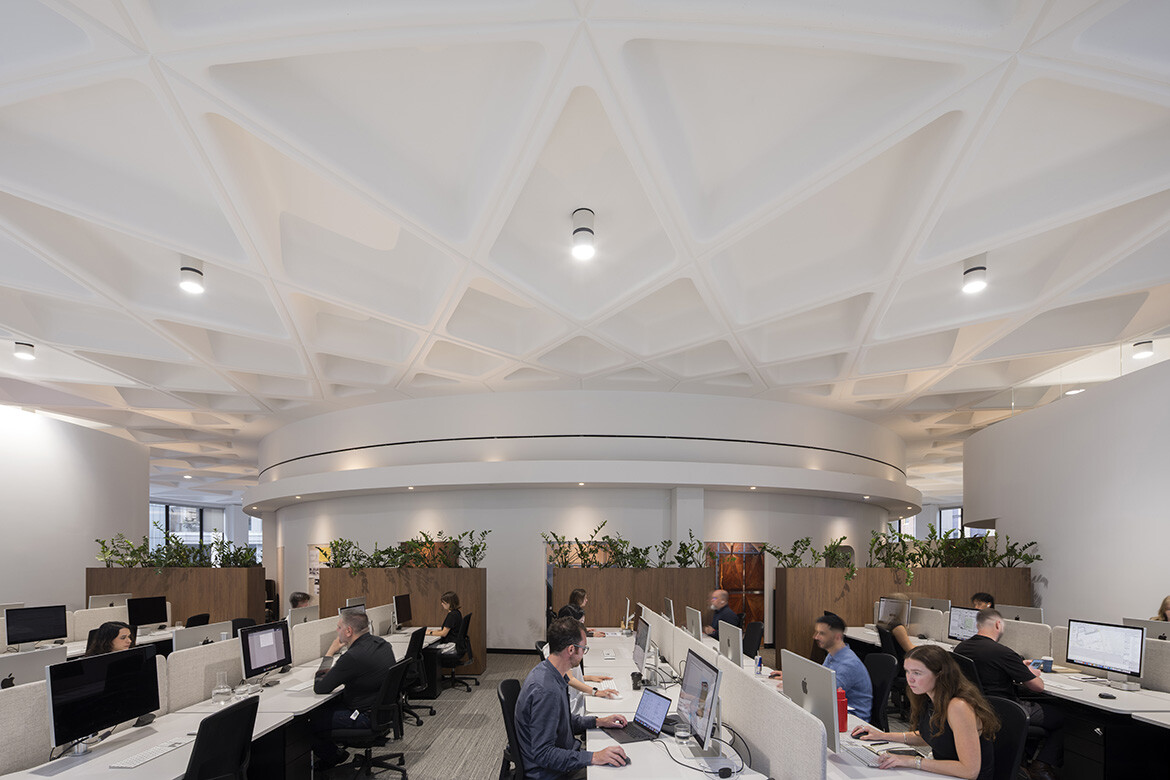
Seidler, Nervi and fjcstudio walk into an office tower
Set within hallowed architectural surroundings amidst the ghosts of Harry Seidler and Pier Luigi Nervi, fjcstudio’s new Sydney home brings geometric clarity and a spirit of creative exchange to a challenging workplace fit-out.