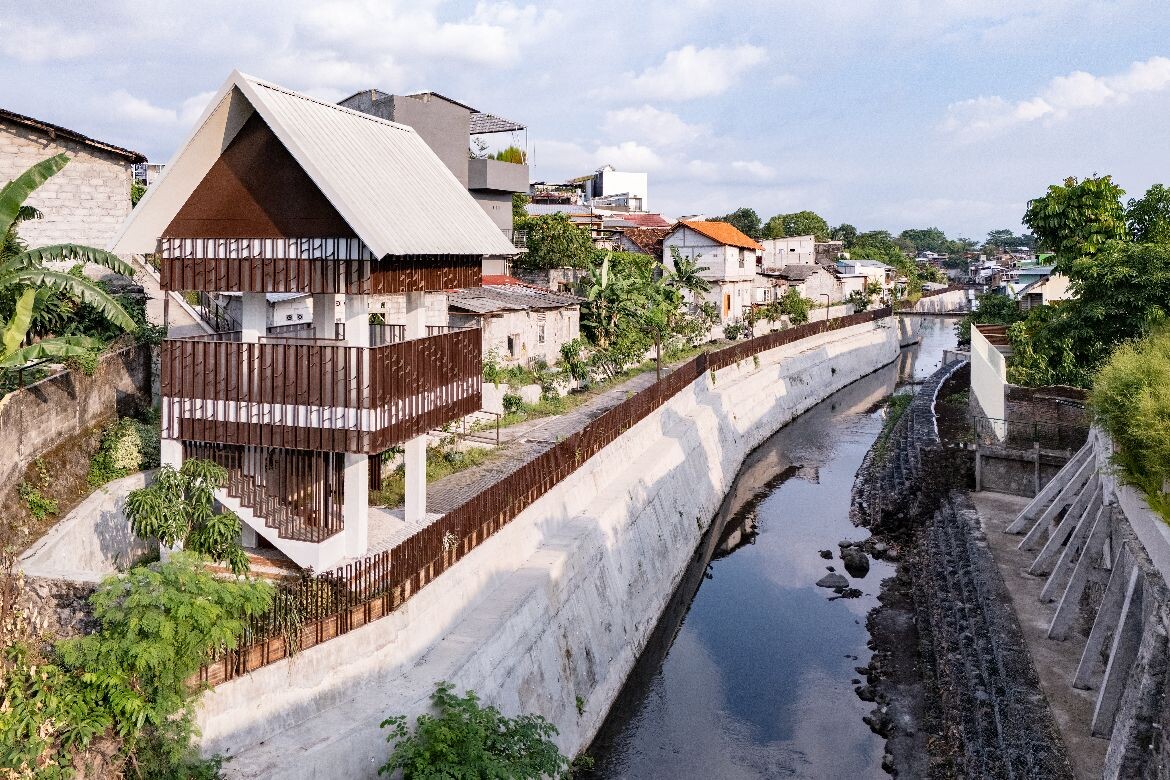
When saying design matters, buildings that best serve a community and enhance cultural life are at the top of the list. Located in Yogyakarta’s Sleman Regency, Kampung Mrican Phase 1 is a community-led revitalisation project that demonstrates how architecture and infrastructure can meaningfully improve daily life. Designed by SHAU in collaboration with the Indonesian Ministry of Public Works, the project addresses long-standing issues of sanitation, safety and flood resilience within a dense, low-rise urban neighbourhood.
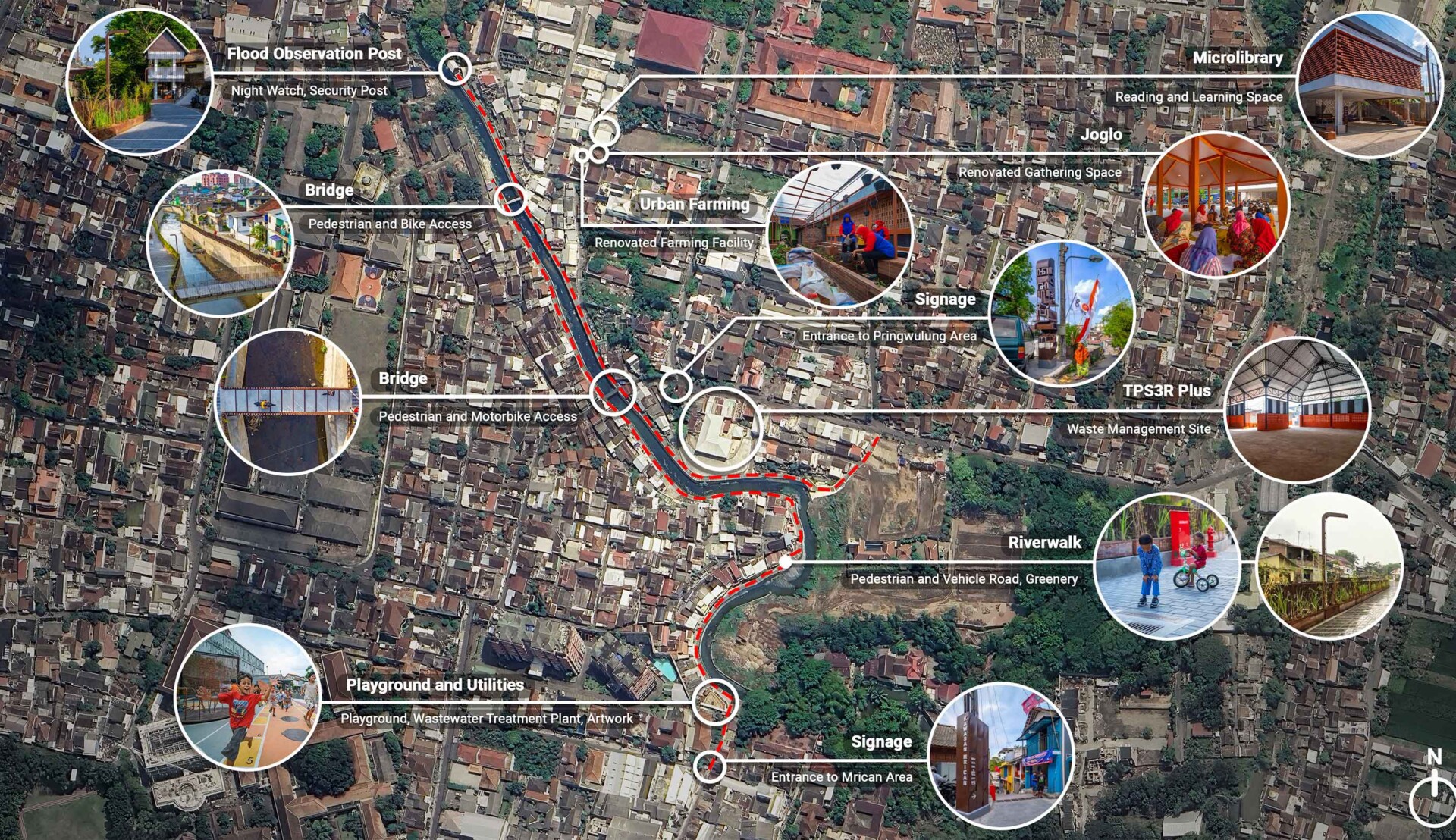
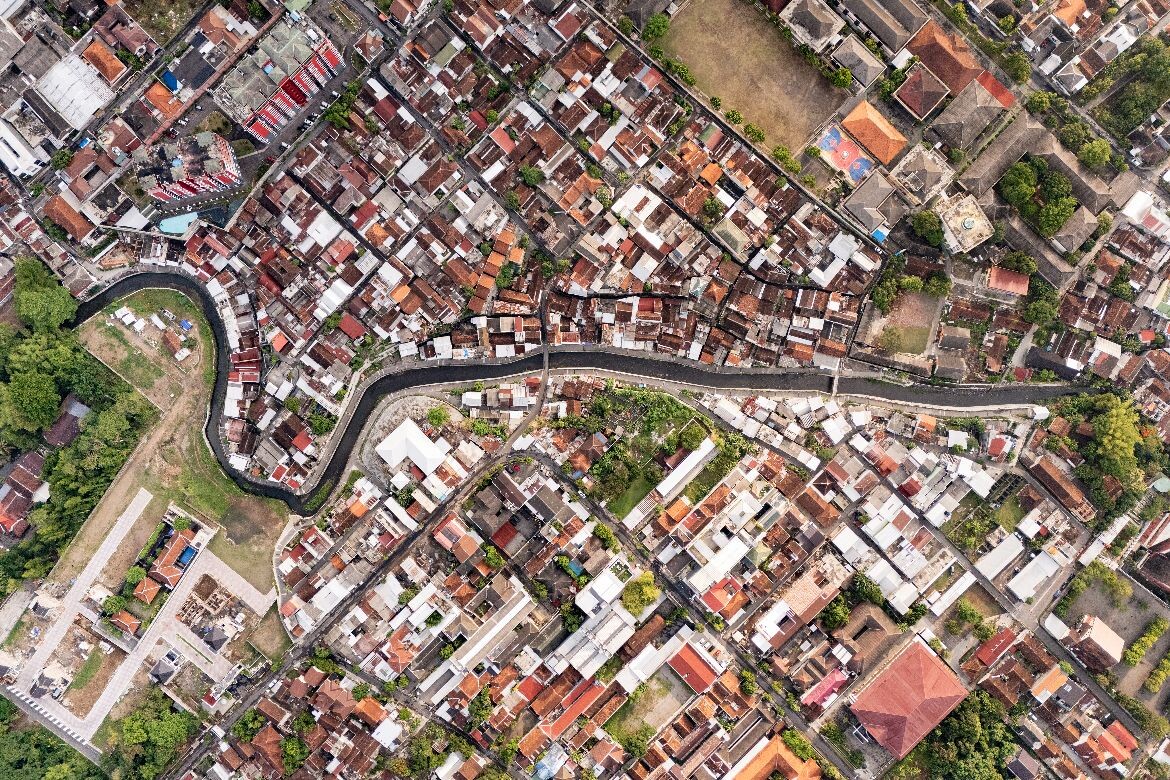
Stretching 1.2 kilometres along the Gajah Wong River, the project occupies a gross area of 4,353 square metres within a broader 21.16-hectare precinct. Rather than a single architectural intervention, Kampung Mrican Phase 1 comprises a series of carefully considered spatial, infrastructural and social upgrades, developed through extensive consultation with residents.
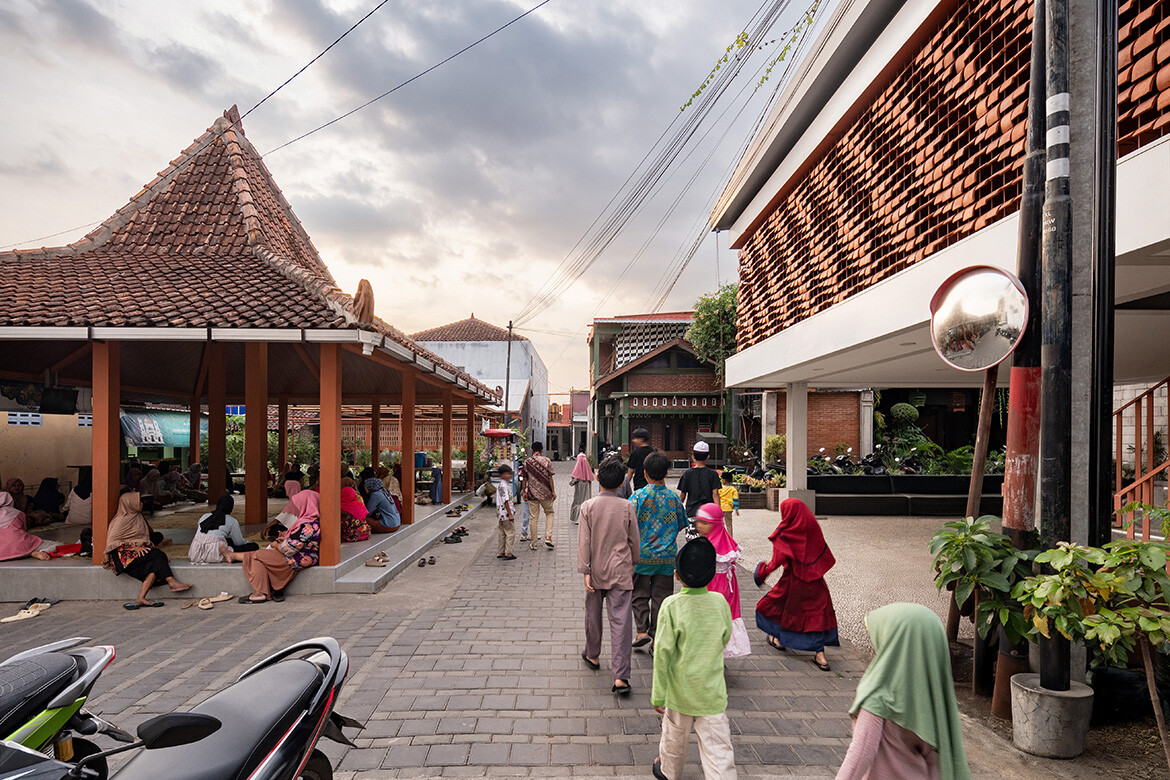
SHAU co-principals Daliana Suryawinata and Florian Heinzelmann worked closely with local architect and researcher Pauline Boedianto to engage directly with households, village leaders and community groups. Through meetings, interviews and focus group discussions, residents identified priorities that informed the project’s design strategies.
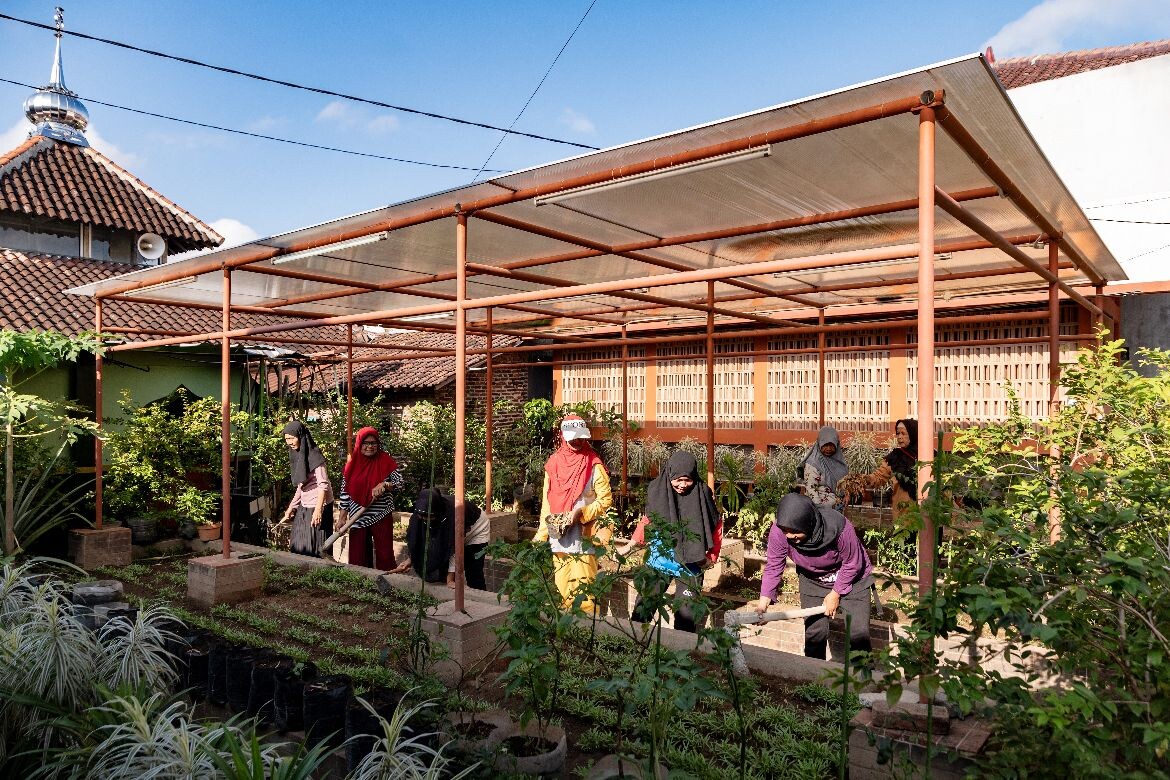
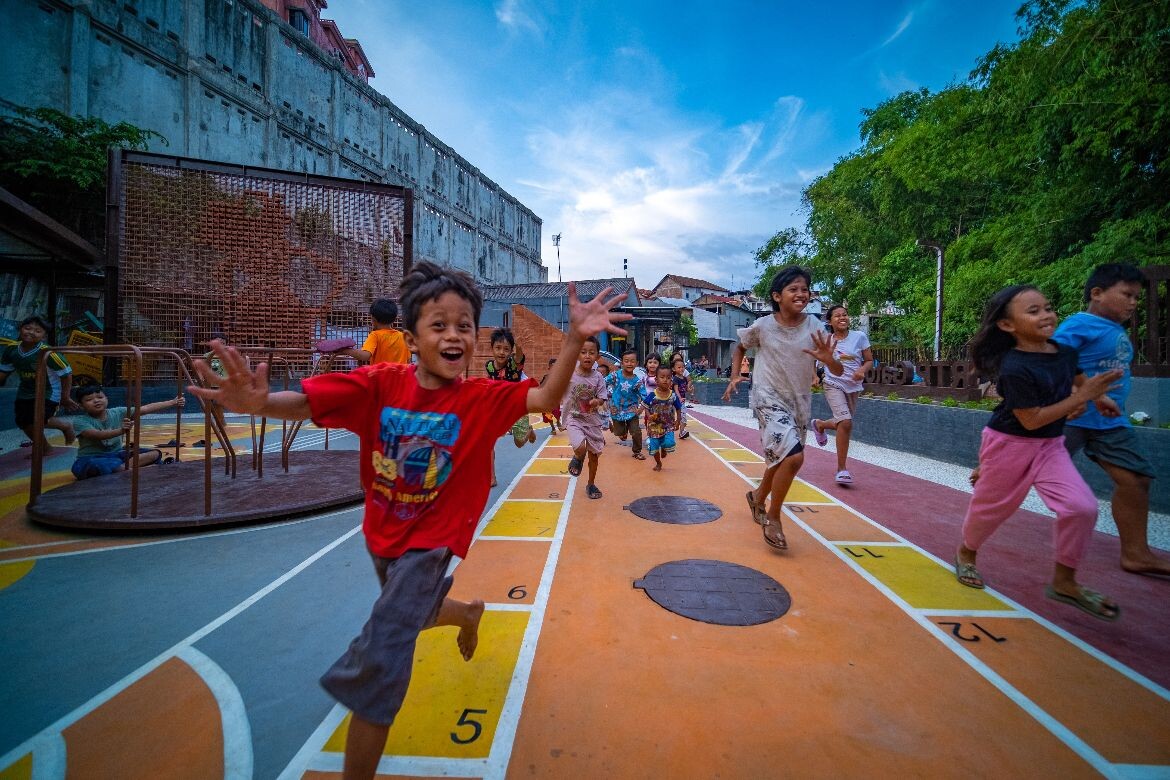
“We talked with the village leaders, the gardening community and the ecoenzyme community that converts organic waste into cosmetic products, among others, to gather insights for creating the design brief,” explain Suryawinata and Heinzelmann. “We noticed that children were playing in any available corner, which highlighted the need for playgrounds. These insights were developed into potential programmes and presented back to residents and stakeholders for discussion.”
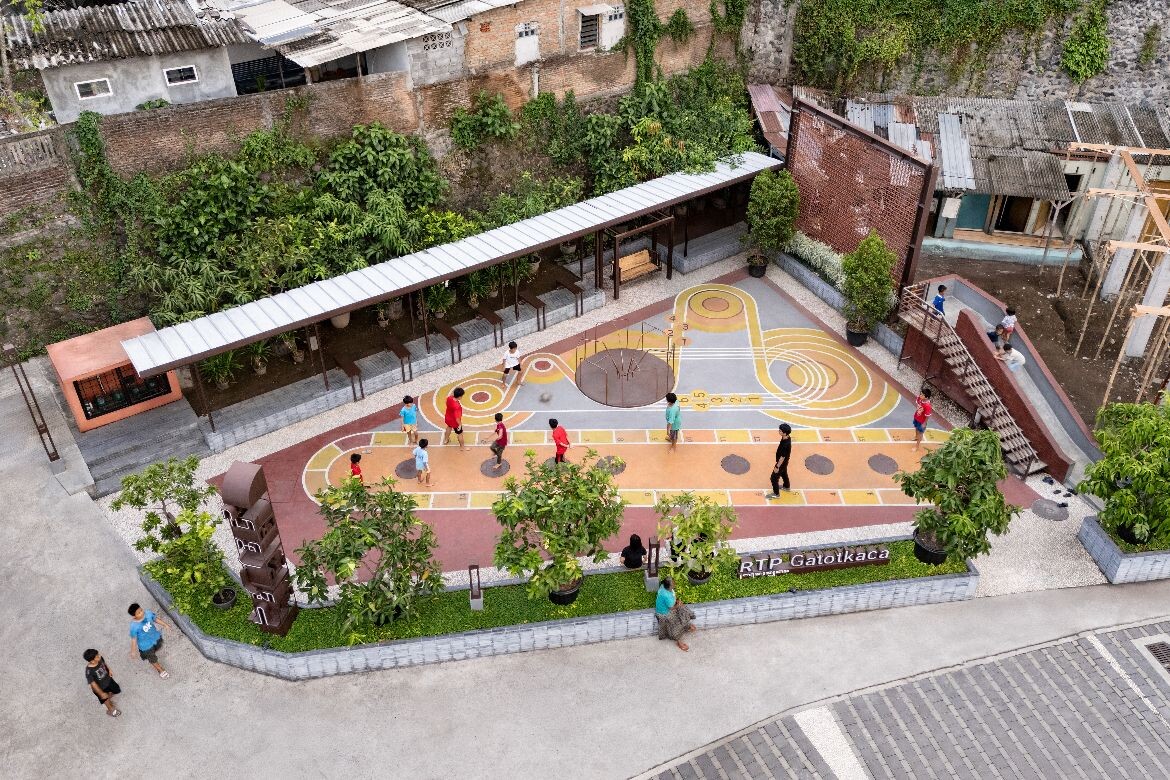
Given the neighbourhood’s proximity to universities and its high population density, the project needed to balance multiple demands. Issues such as safety and sanitation were prioritised, however it was also necessary to include educational facilities and public amenities that would bring cohesion to the community.
Related: Ra:tio blends interior and landscape design in a Jubilee Hills café
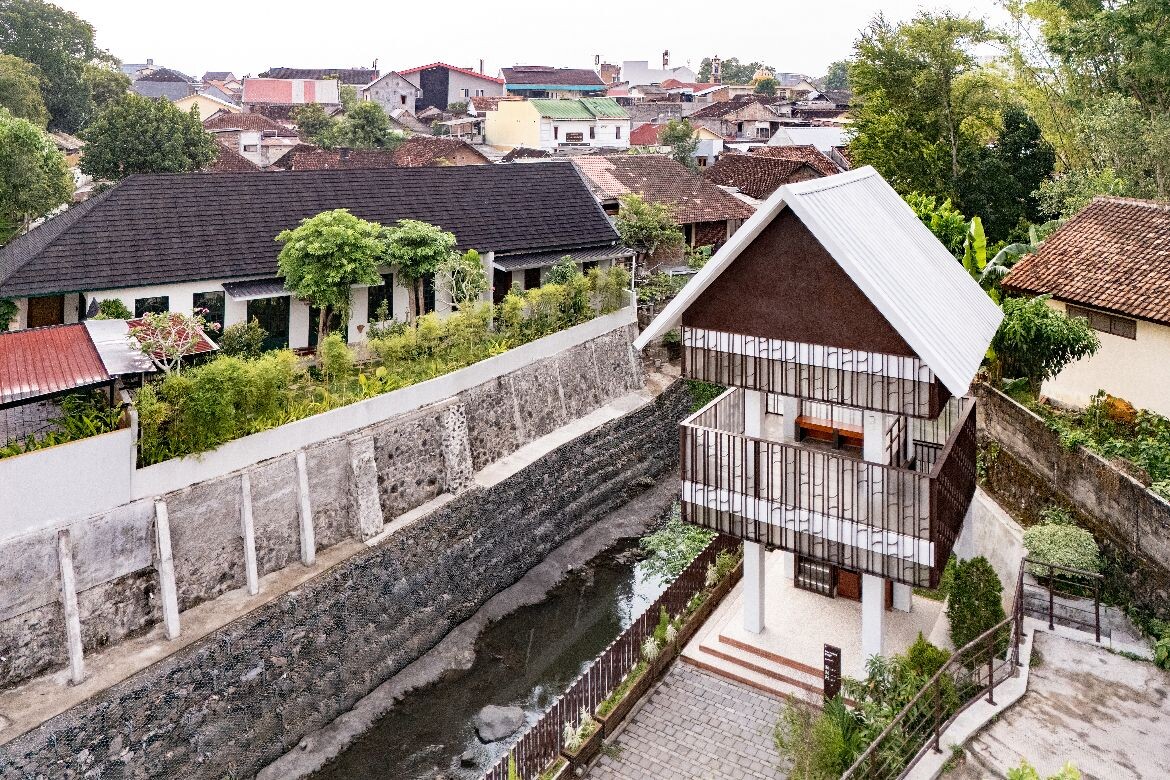
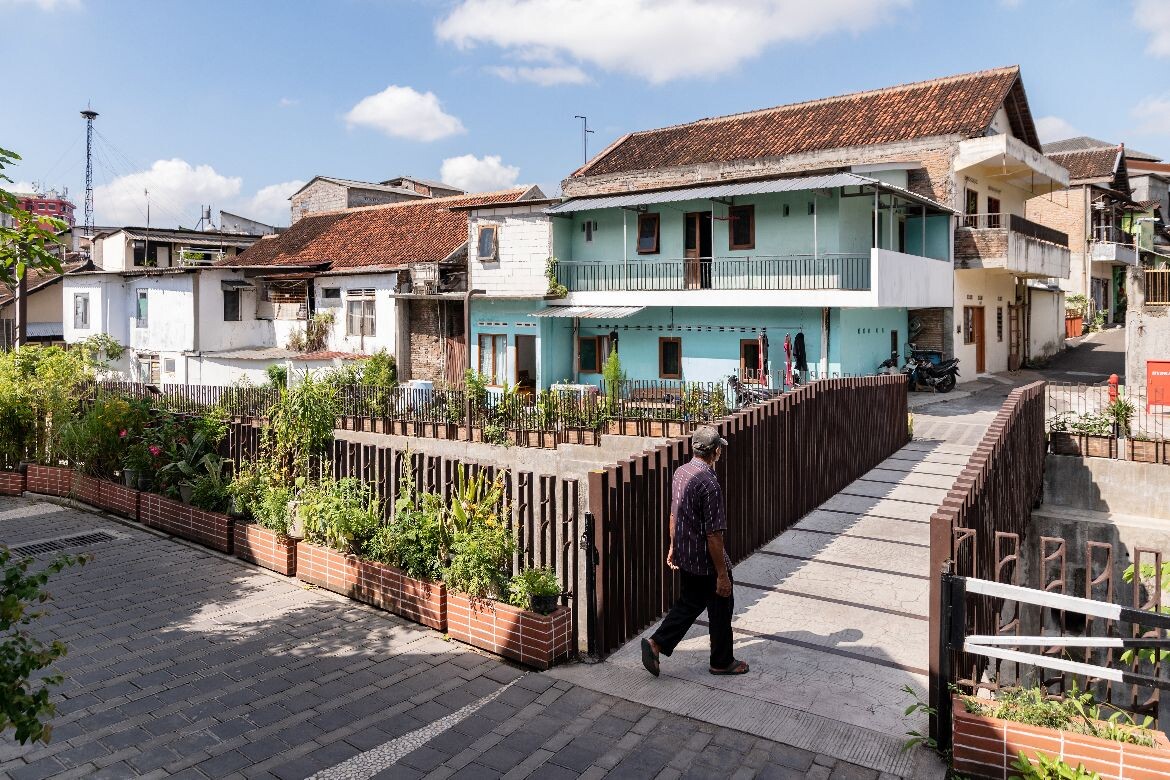
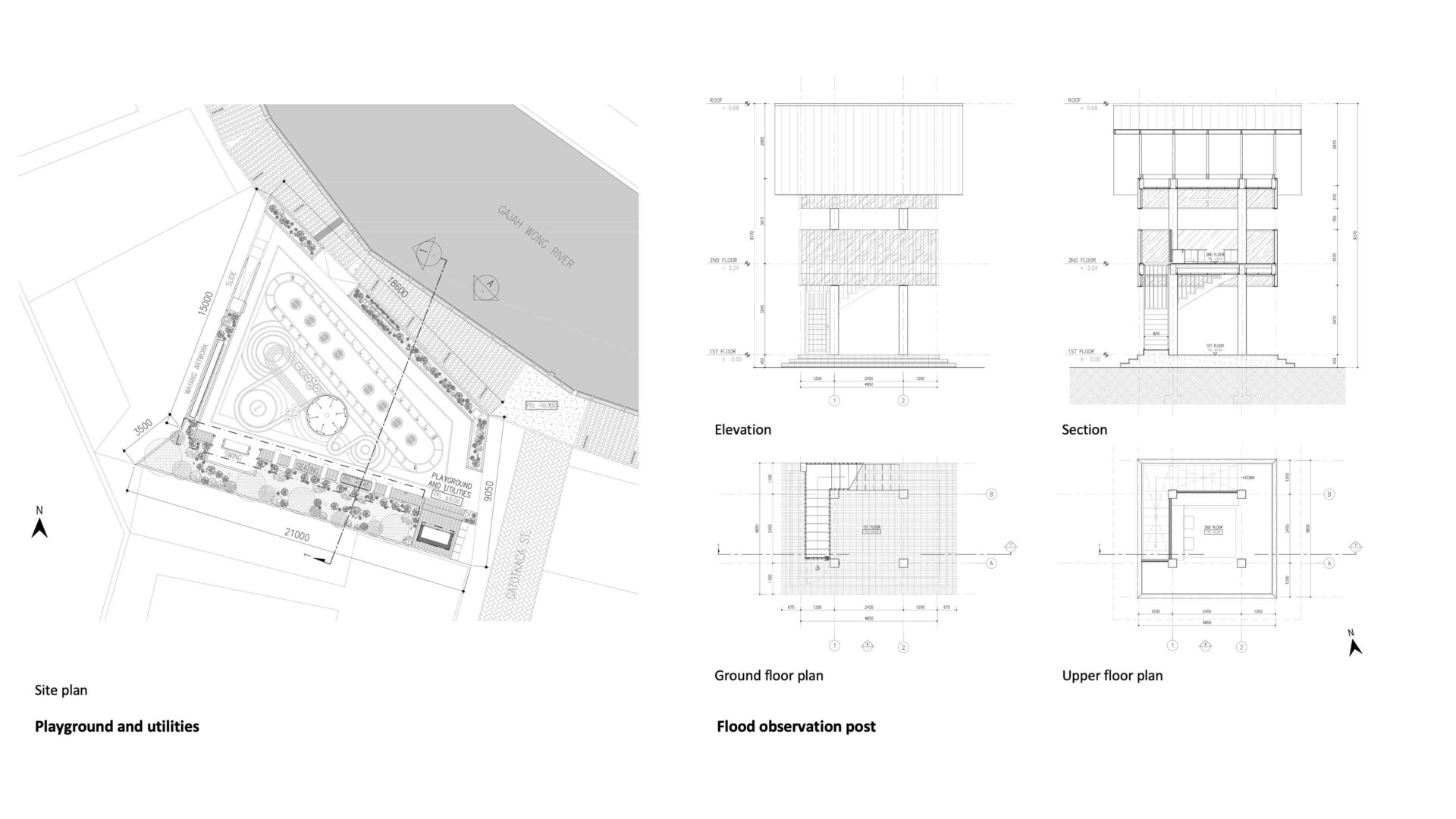
One of the most important issues to address was flood resilience. In previous weather events, water levels had risen more than two metres above safe thresholds. To ensure better management of any future water issues, the river and streets were cleared of unmanaged waste, while homes built along the water’s edge were carefully negotiated to be set back from the riverbank. Sheet piling was introduced to stabilise the embankment, alongside a new three-metre-wide inspection street concealing underground drainage and sewage systems connected to a newly constructed flood-control post.
It was imperative that the design was sustainable in every aspect and SHAU ensured that local materials and artisans were involved during construction. The architects also utilised as much of the original structures as possible, ensuring ventilation and shading techniques were incorporated. References to culture and place are integral to the design and make the project both local and unique.
Among the new community amenities is a playground constructed above a wastewater treatment facility, featuring a large Wayang figure of Gatotkaca that references Javanese folklore. New bridges improve connectivity across the site, while a sidewalk system etched with historical Javanese texts delivers educational and ecological messages to pedestrians.
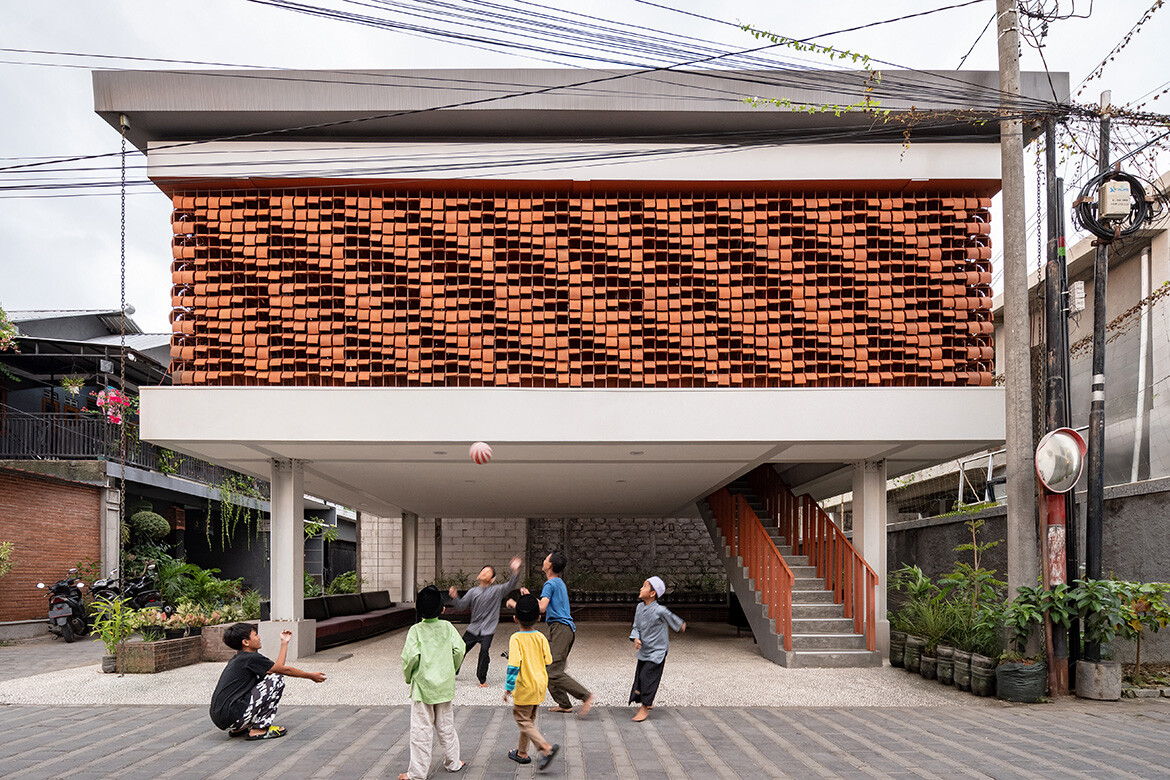
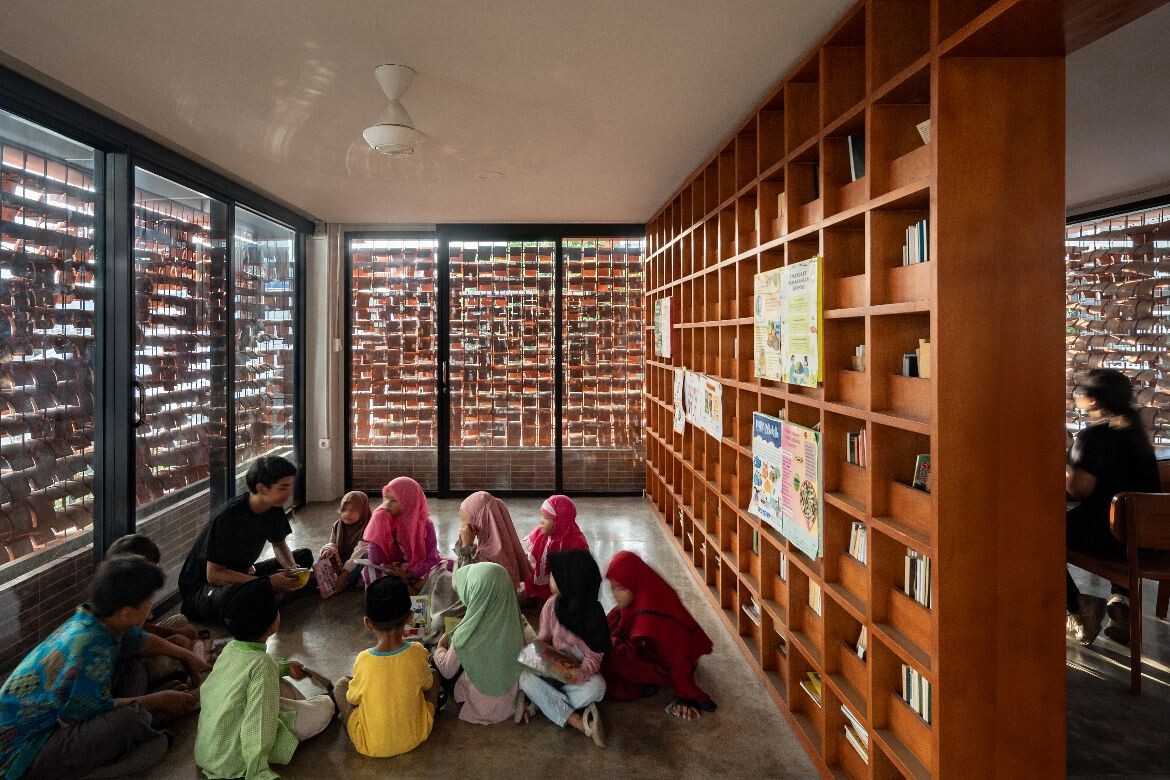
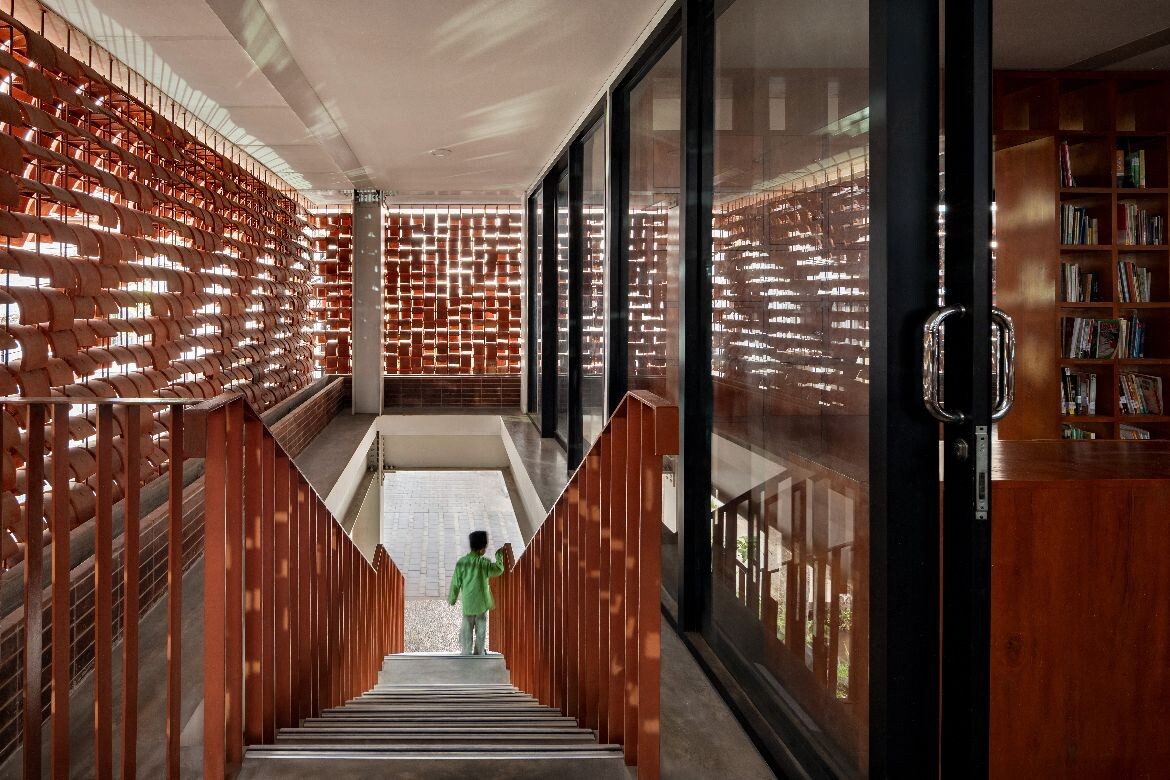
A microlibrary raised on stilts provides a flexible gathering space for residents. Its façade, formed from locally sourced clay shaped into half-cylindrical shells, creates a strong visual identity while minimising the building’s footprint. Complementing these physical upgrades, a community-led waste collection and training programme has been introduced to support long-term environmental health.
“The newly built and renovated amenities, including the microlibrary, playground, public spaces, flood-control post, community garden, pendopo, bridges, street and river embankment, are cherished and maintained by the residents,” note Suryawinata and Heinzelmann.
The impact of the project extends beyond architecture. Karsinem, a local resident, reflects on the transformation: “We used not to care how the river was, but now it is the front of our house, and we feel ashamed if it is dirty. Since the renovation, I started selling porridge and snacks, providing income for daily needs and school expenses for the children.”
In recognition of its social and architectural significance, SHAU received the Social Architecture Award at this year’s Ammodo Architecture Awards. Founded in 2009 by Suryawinata and Heinzelmann, SHAU operates studios in Rotterdam and Bandung and is known for work that integrates social, ecological and architectural concerns through evidence-based design. Both Daliana Suryawinata and Florian Heinzelmann are previous INDE.Awards jury members.
Kampung Mrican Phase 1 stands as a compelling example of how collaborative, community-focused architecture can reshape infrastructure, strengthen neighbourhood identity and foster long-term stewardship of place.
SHAU
shau.nl/en
Photography
Ammodo Architecture / Andreas Perbowo Widityawan