The home of architecture and design in the Asia-Pacific
Get the latest design news direct to your inbox!

Get the latest design news direct to your inbox!
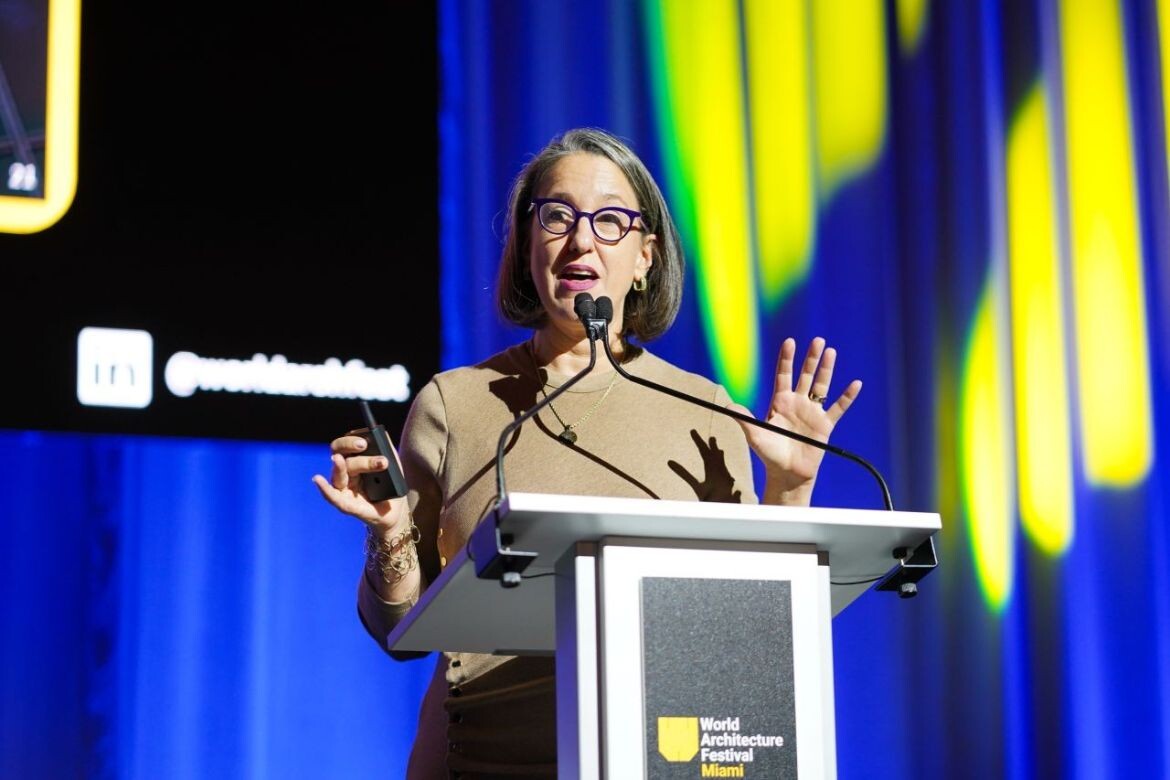
Following the World Architecture Festival (WAF) towards the end of 2025, Plus Studio Director Michael McShanag reflects on high-rise living from Miami to the Gold Coast.
January 27th, 2026
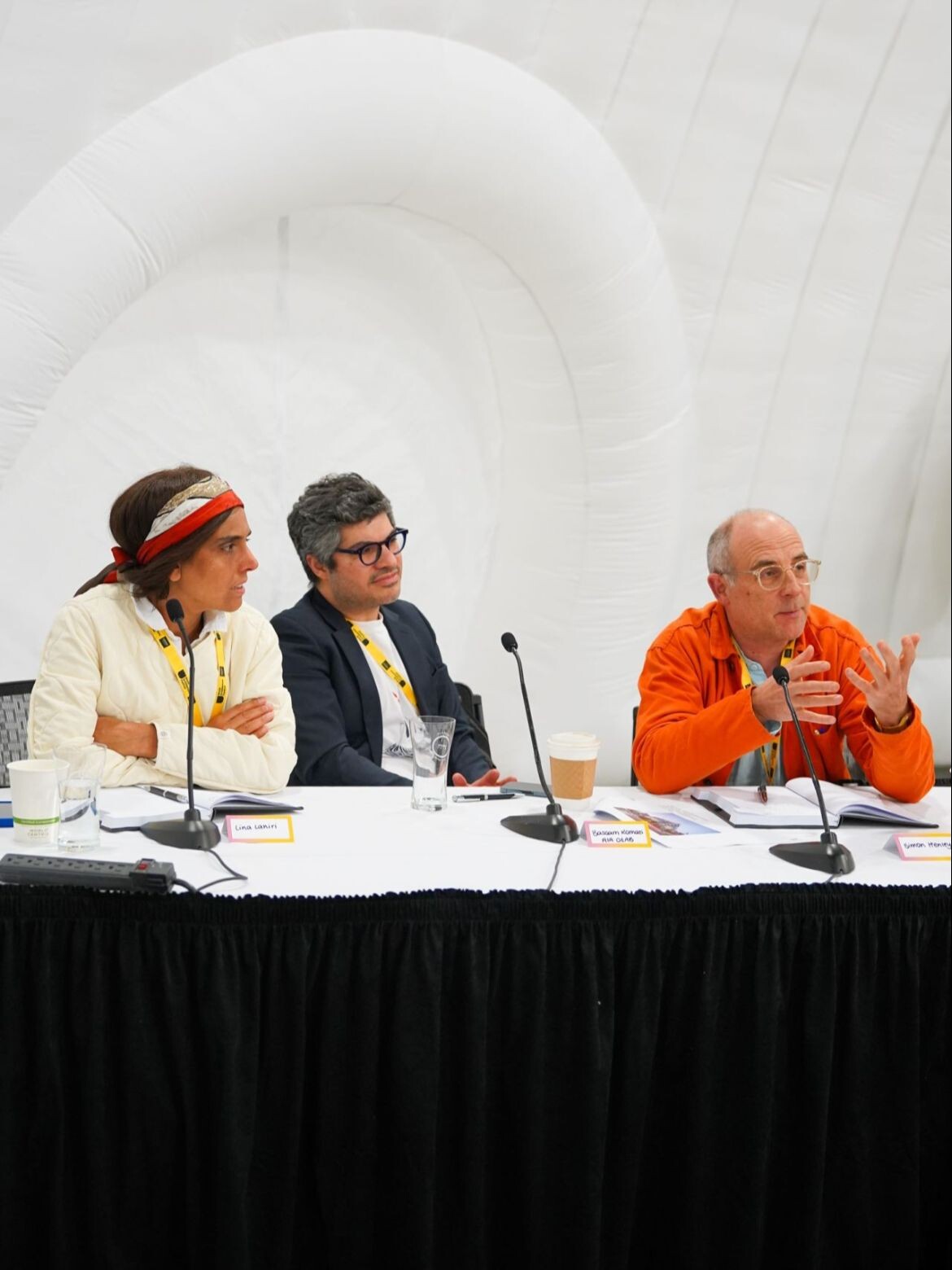
The contemporary conversation about high-rise buildings is changing. At WAF in Miami, and through recent visits to Doha and Miami’s coastal precincts, it was evident that height and silhouettes in the skyline are no longer sufficient measures of success. The focus is shifting towards how people live in these buildings, how they respond to climate and how they participate in the public life of the city.
Questions of private outdoor space, meaningful landscape integration and the social role of towers are now central to the way international architects are interrogating the vertical city. These questions are very familiar from the work we undertake on the Gold Coast.
Outdoor rooms and coastal living
An emerging discussion at WAF concerned the ‘post-pandemic balcony’ and the renewed emphasis on biophilic design. Rather than treating outdoor space, terraces and planting as superficial add-ons, there is a growing ambition to make them fundamental to the experience of high-rise living.
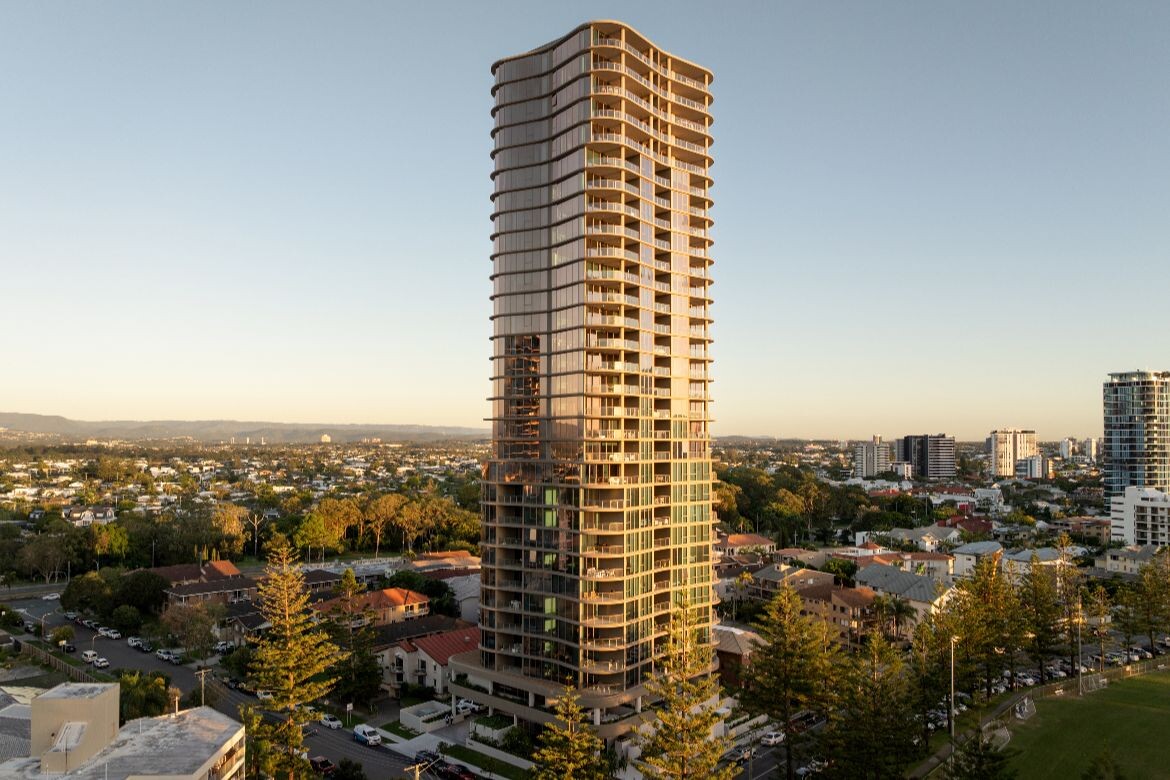
For those of us working in a subtropical coastal context, this is not a speculative shift but an established baseline. On the Gold Coast, the generous balcony – often conceived as an outdoor room – has long been the principal mediator between interior and exterior. It is understood simultaneously as a climatic device, a social space and a way of inhabiting the view, rather than merely looking at it through a glazed façade.
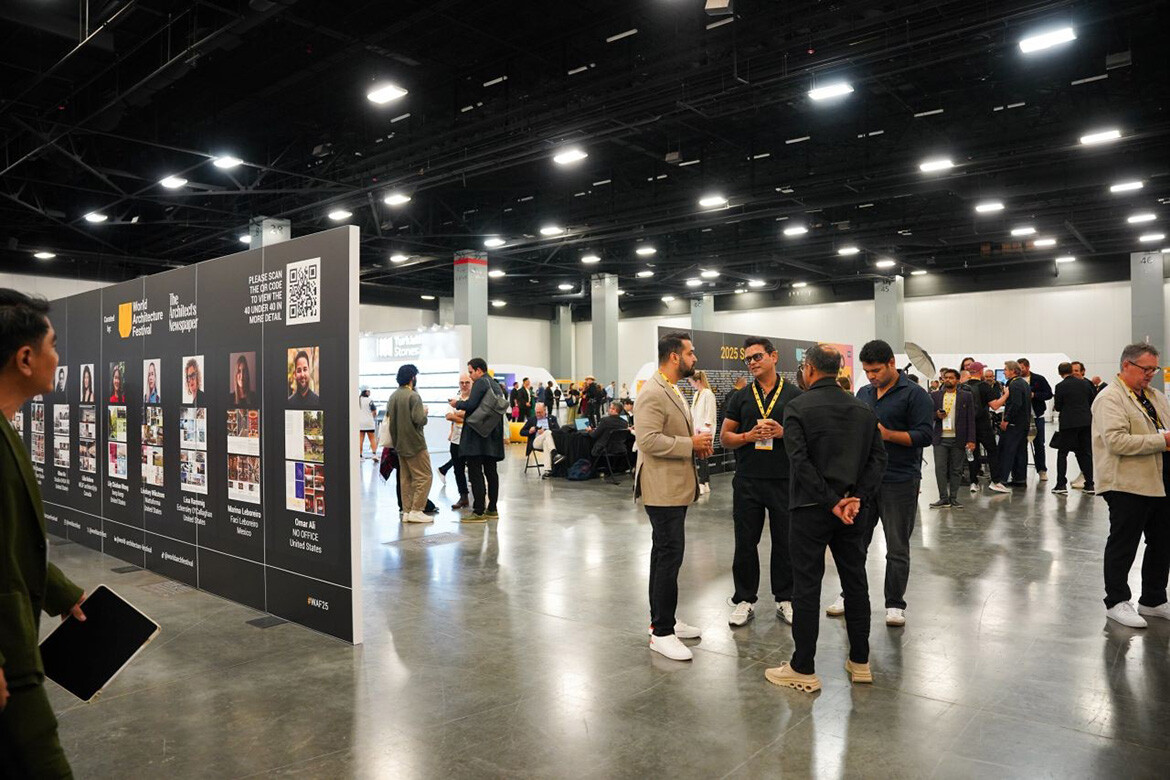
In many of the global projects presented at WAF, this ambition is only beginning to appear; in much Australian coastal apartment design, it is already embedded and largely considered typical practice. Deep, usable outdoor rooms – including balconies and shared terraces – together with careful orientation and planning that privileges cross-ventilation and access to light are integral rather than optional. The international discourse is now catching up with this way of thinking about life in tall buildings.
Related: A Mexican standout from a previous WAF
From isolated towers to vertical neighbourhoods
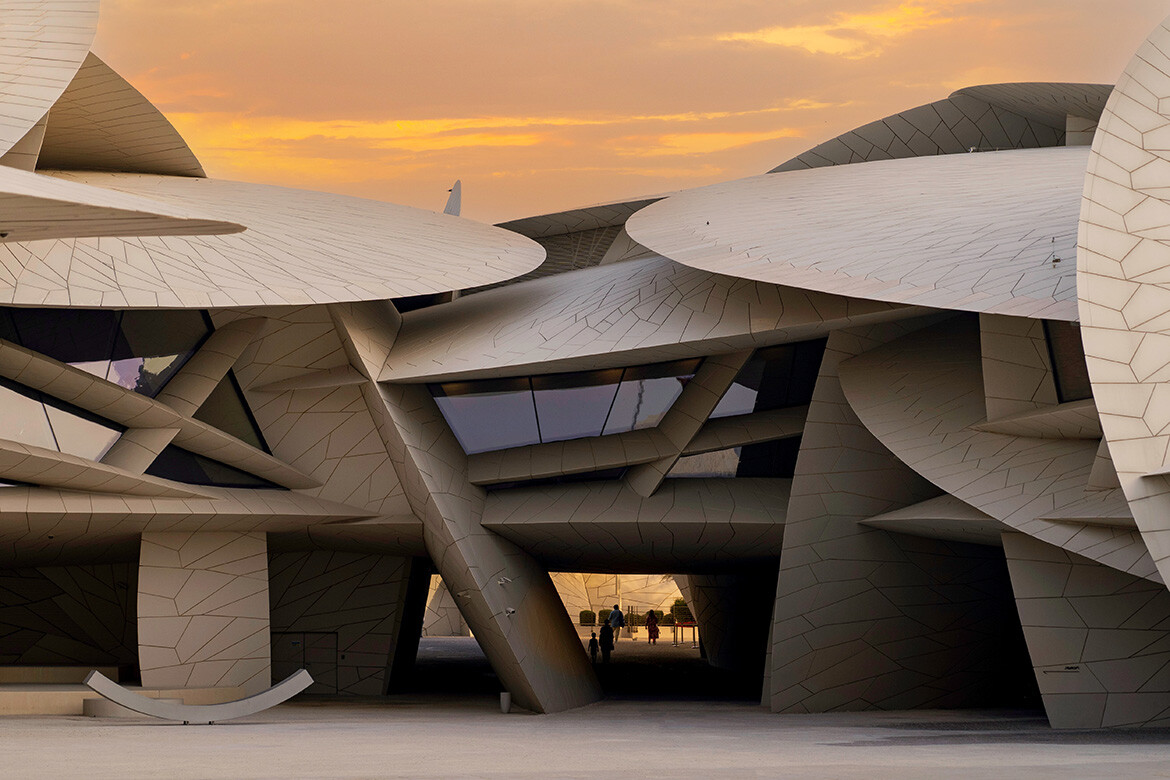
Another strong theme at WAF was the re-positioning of towers as vertical neighbourhoods. Instead of singular, isolated objects, high-rise projects are being framed as part of a larger urban system: mixed-use programs, shared amenities and ground planes that support walkable, fine-grain public life.
This is a trajectory that aligns closely with current work at Plus Studio. On the Gold Coast, The Landmark for Aniko has been conceived as a major master planned precinct, with the emphasis on active edges, landscape, and a clear pedestrian structure that connects residents and visitors to the broader urban fabric.
In Brisbane, projects such as North Quay and River House carry this thinking into the river city context. Here, the base of the tower is treated as a civic interface, with shaded, human-scaled frontages and programs that contribute to the life of the public realm. These developments are testing how vertical density can support, rather than erode, urban legibility and social life at ground level.
Historical and climatic contrasts: Miami and Doha
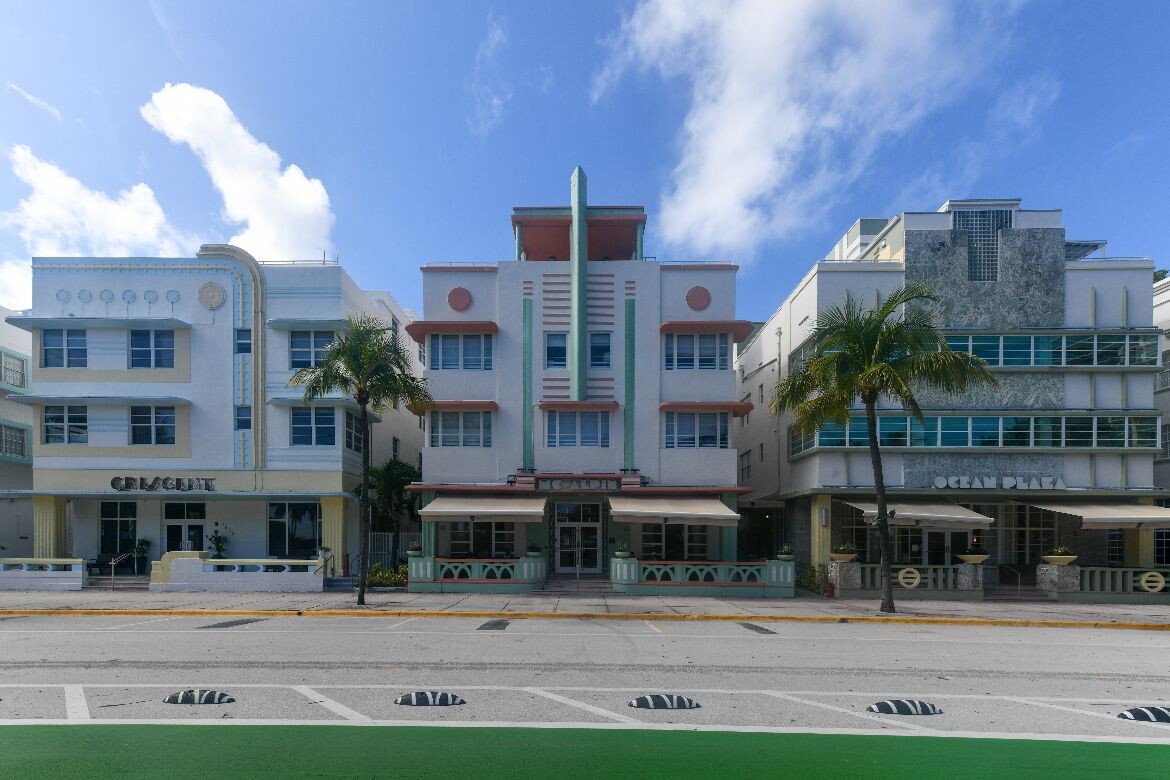
Miami’s coastline offers a concise history of changing attitudes to coastal living in tall buildings. Many older towers, particularly from the mid- to late-20th century, present the ocean primarily as a visual backdrop. Balconies tend to be shallow and secondary, functioning more as linear viewing platforms than as true outdoor rooms. The emphasis is on outlook rather than occupation.
More recent projects signal a clear transition. Contemporary beachfront buildings increasingly incorporate deeper, shaded terraces, more articulated façades and amenity that extends into the outdoor realm. Developments such as these demonstrate a move toward more climatic and lifestyle-driven models of vertical living, often converging with design principles long familiar in Australian coastal practice. At the scale of the street, however, the experience is often less resolved: restaurants and mixed-use tenancies create pockets of activity, but in many precincts the street activation remains cursory when compared to the more deliberate, fine-grain public realm being delivered in master-planned precincts here in Australia.
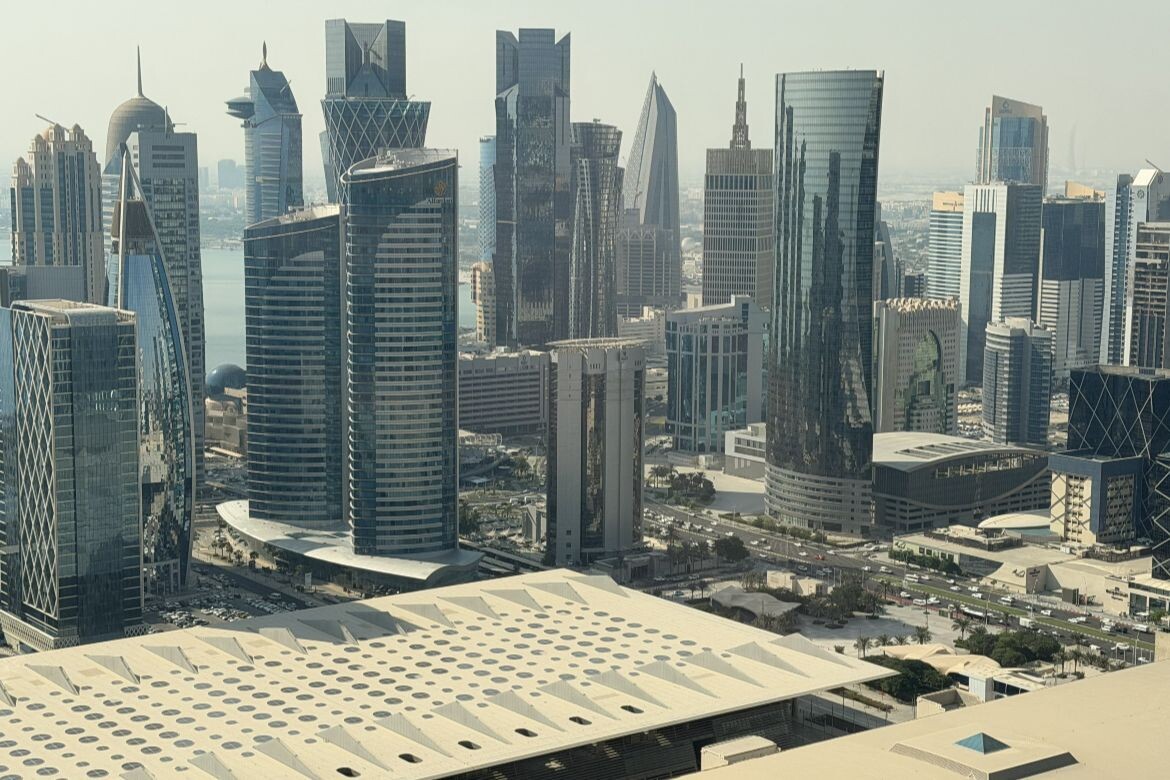
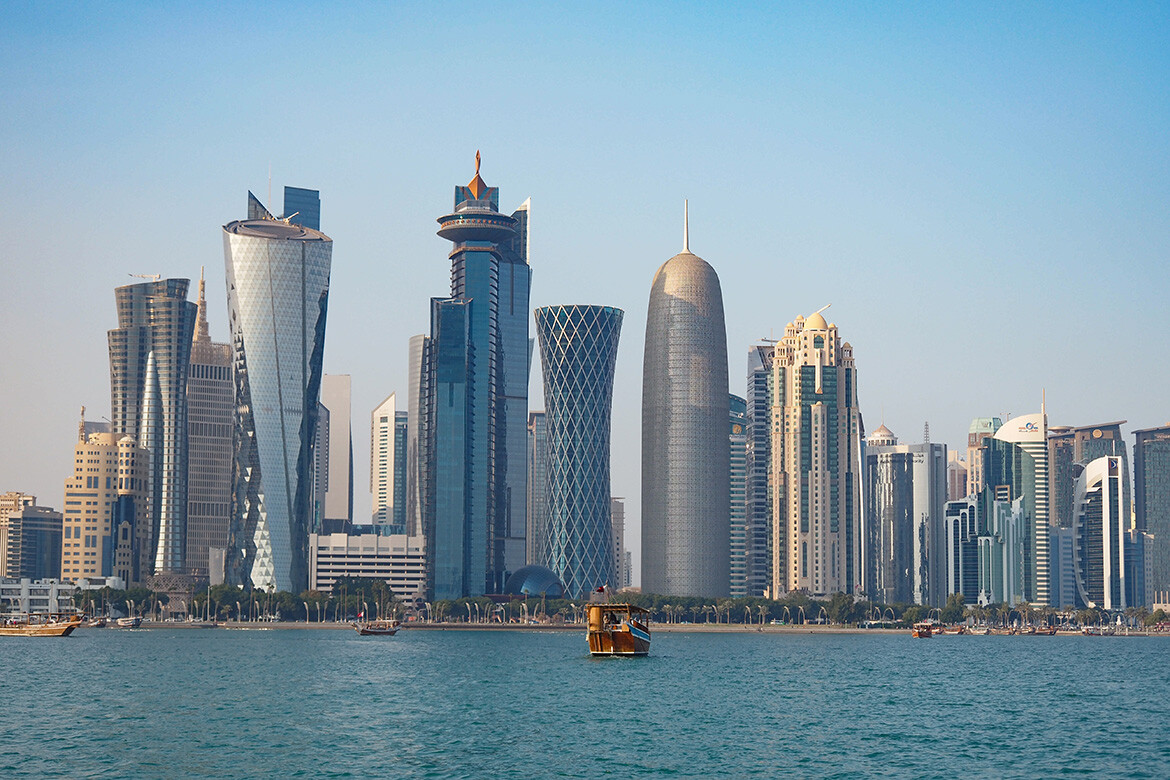
Doha, by contrast, operates under very different climatic constraints. The scale and ambition of its vertical development are remarkable, yet in extreme heat the default inevitably becomes sealed, mechanically cooled environments, with towers often lifted above largely inert podiums and limited genuine public life at the base. There are powerful urban set-pieces, but the possibility of everyday indoor–outdoor occupation, or of a continuously active ground plane, is significantly constrained by climate.
Seen against these contexts, the Gold Coast sits in a privileged position. Its milder subtropical conditions make it possible for indoor–outdoor living to be an organising principle rather than an exception. That opportunity brings with it an obligation to design towers that engage sincerely with climate, landscape and the public realm at ground level.
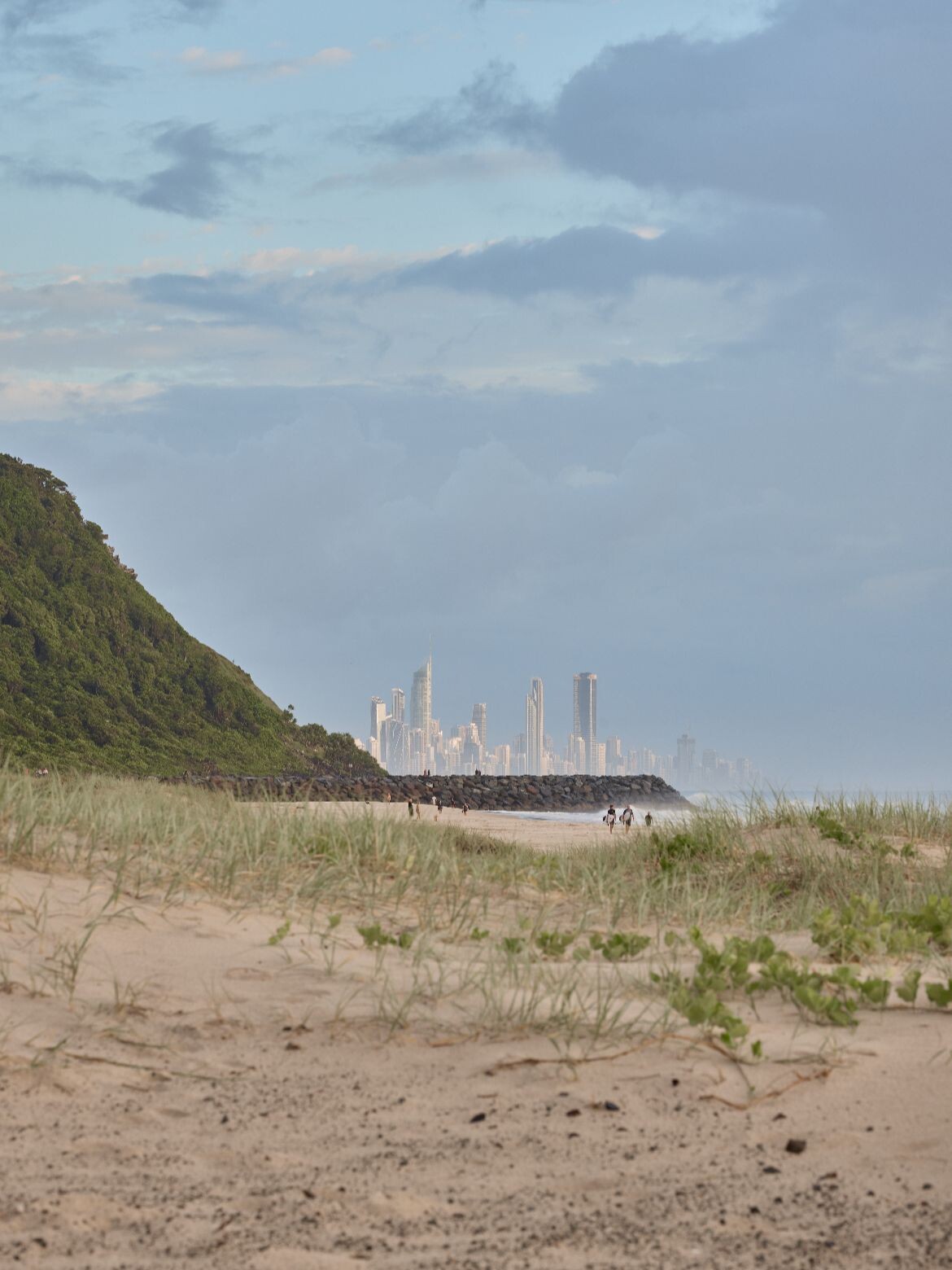
Reconsidering the Gold Coast skyline
The Gold Coast skyline has often attracted criticism for its density and verticality. From a distance, it is easy to misread the city as an assemblage of speculative towers. A closer reading of its better buildings – including those by Plus Studio and many peers – reveals a more nuanced story.
Much of what is currently being promoted internationally as progressive vertical living – generous private outdoor space, strong connection to climate, and planning that supports informal, day-to-day occupation – has been intrinsic to the coastal apartment typology here for some time. Balconies are treated as rooms, not ledges; orientation to views, breezes and light is fundamental.
This does not imply that the city is resolved. The skyline continues to evolve and the interface between tall buildings and the ground plane is uneven. It does suggest, however, that the Gold Coast should be understood as a valuable reference point within the global debate on vertical urbanism, rather than as a cautionary outlier.
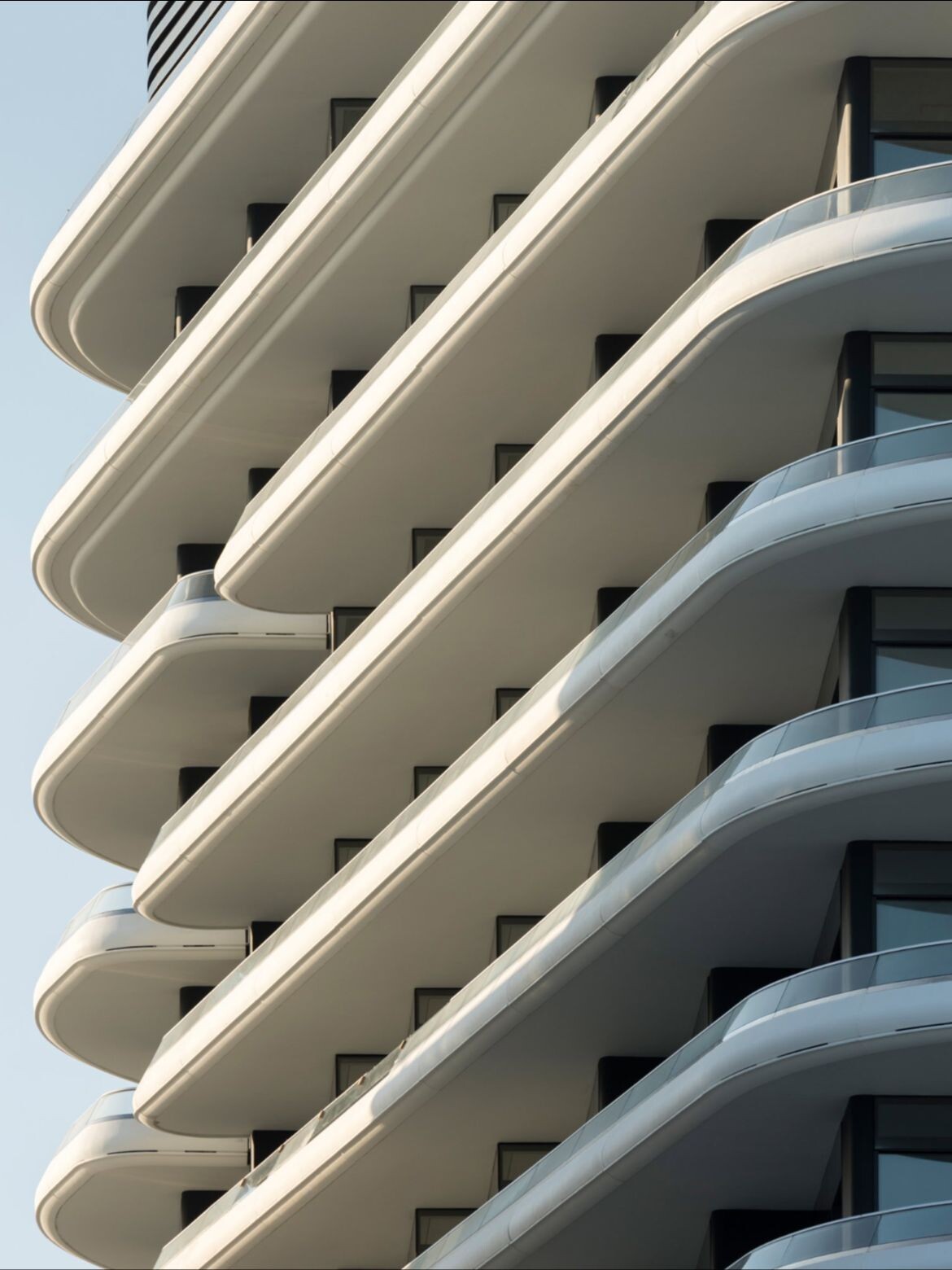
Advancing the public realm and sustainability
The challenge now is to integrate these strengths into a more coherent urban and environmental framework.
First, the contribution of tall buildings to the public realm must be treated as a primary design criterion. Increasingly sophisticated towers above podium level need to be matched by consistent quality at the street: shaded and legible public spaces, active and diverse frontages, and clear pedestrian connections. Projects such as The Landmark, North Quay and River House demonstrate how masterplanned precincts can begin to deliver this, but broader planning support and client ambition are essential to make it standard practice.
Second, sustainability should be understood as inherent to the architectural language of the vertical city, not as an applied aesthetic. Balconies, shading, glazing performance, cross-ventilation and landscape need to operate together as a coherent climatic strategy. On the Gold Coast, there is genuine potential to position high-rise living within a credible net-zero trajectory.
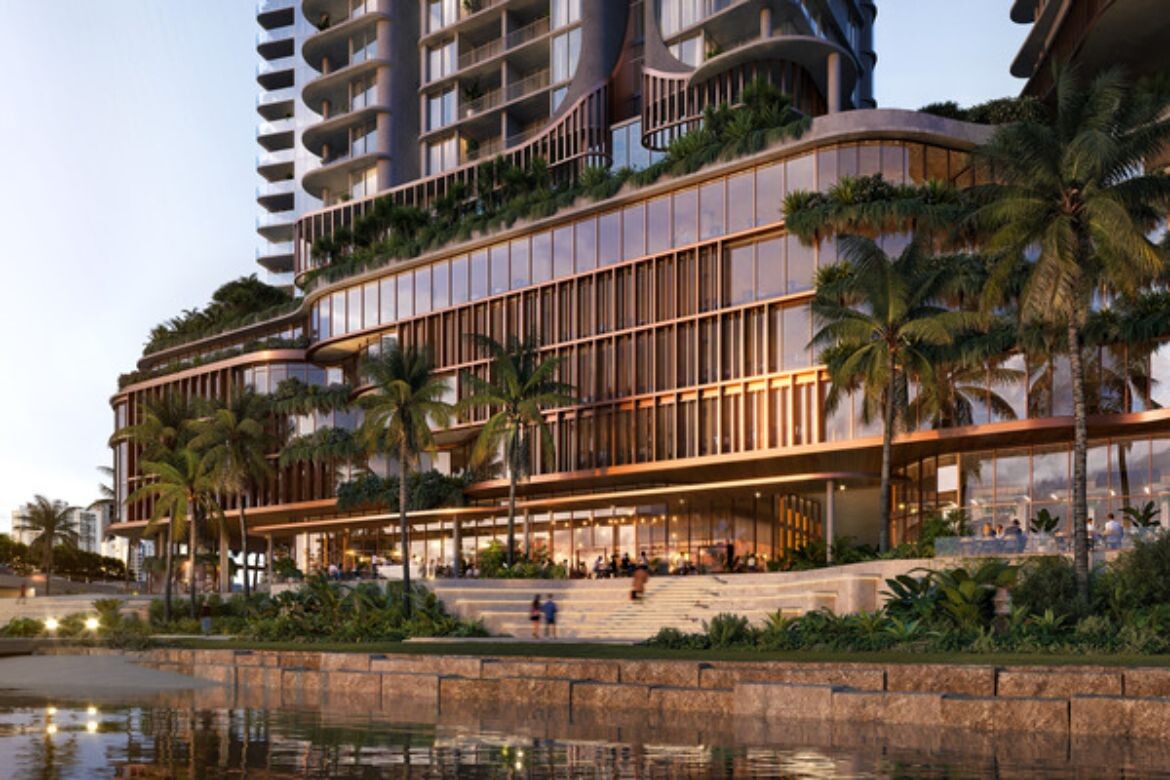
Finally, there is an opportunity – and a need – to lift the architectural ambition of public and civic projects to the level achieved in the best private residential work. When libraries, galleries, transport infrastructure and educational buildings attain a comparable degree of spatial and material resolution, the city as a whole will feel more cohesive, generous and legible.
The global discourse on the vertical city is now grappling with issues of liveability, climate and community that have been central to practice in coastal Australia for decades. From the vantage point of the Gold Coast, the task is not to emulate distant models, but to refine and share the lessons already being developed here, ensuring that our vertical futures are not only taller, but more humane and more deeply grounded in place.
WAF
worldarchitecturefestival.com
Plus Studio
plusstudio.co
INDESIGN is on instagram
Follow @indesignlive
A searchable and comprehensive guide for specifying leading products and their suppliers
Keep up to date with the latest and greatest from our industry BFF's!
The internet never sleeps! Here's the stuff you might have missed