The home of architecture and design in the Asia-Pacific
Get the latest design news direct to your inbox!

Get the latest design news direct to your inbox!
Ergonomics in the workplace can help reduce costs, improve productivity and even boost the quality of work produced. Here’s how.


February 13th, 2023
At its most fundamental level, ergonomics is an applied science which involves optimising tools or environments for safety and efficiency. What that looks like in a workplace setting is usually the use of intelligent furniture design, layout, office equipment and even aesthetics. In an ergonomic office, each of these elements will be informed and designed in accordance with research into the best physiological and psychological conditions for efficiency in humans.
So why is it so important?

Firstly, the output of workers becomes much better. Ergonomic design can drastically improve the quantity and quality of work someone is capable of producing. However, the main concern for ergonomics is safety. The demands of the modern office can be very physically trying, especially over time. The National Occupational Health and Safety Commission (now Safe Work Australia) acknowledges the importance of good posture for long term health. It may sound simple, but it is a difficult thing to achieve over eight-hour days of sitting down to look at screens. This is where furniture design becomes critical.
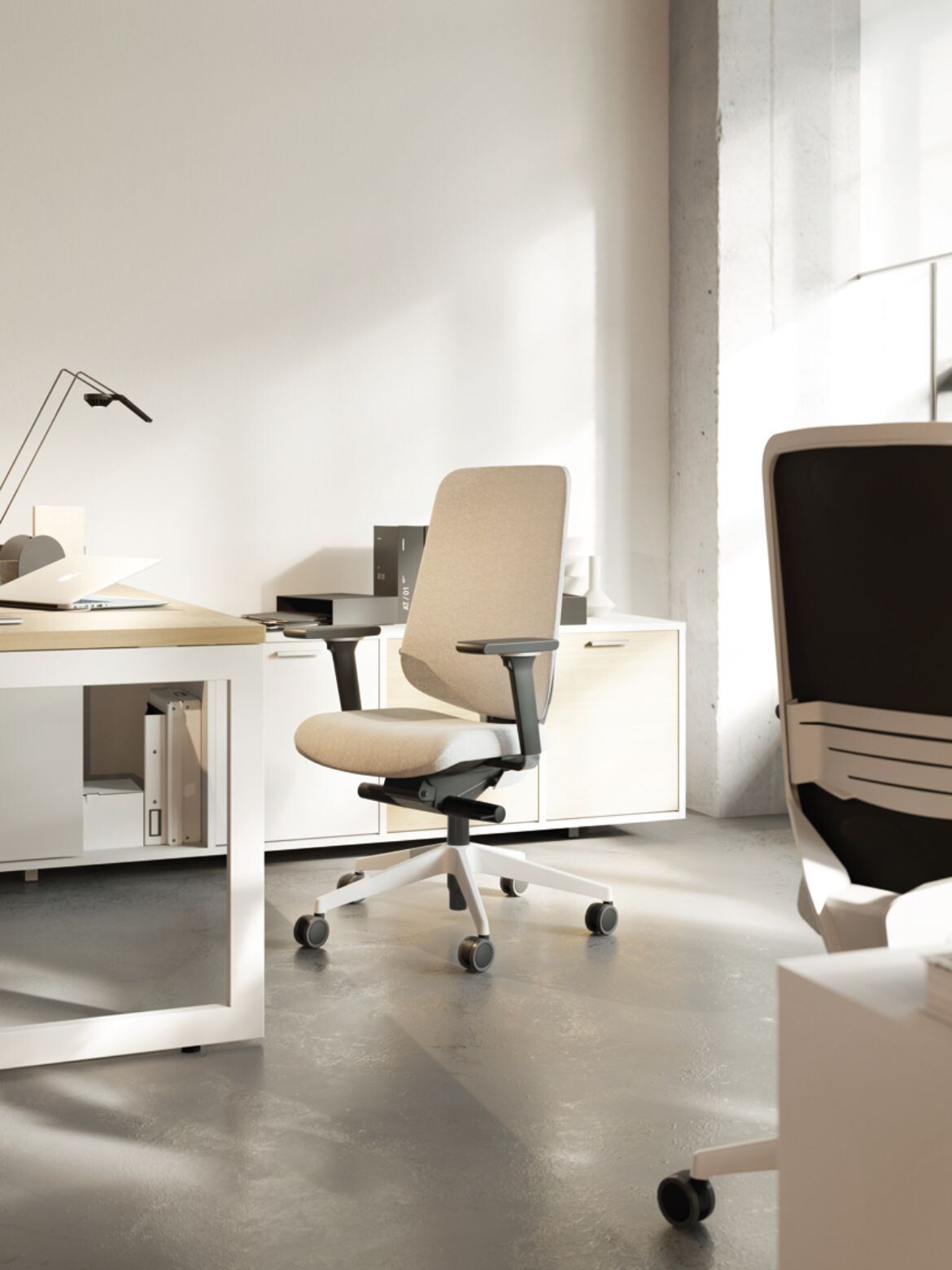
The undeniable need for supportive workspaces has led to a range of office furnishing innovations, from the hot desk to the treadmill and standing desks. Perhaps most important of all is the simple office chair – the instrument which provides the most comfort (and, when poorly designed, has the highest risk of inflicting injury over time). Office chairs are an environment all on their own – and no-one recognises that fact more than Workspace Commercial Furniture.
Pioneers of office ergonomics, Workspace Commercial Furniture is known around the world for their role in advancing workplace furniture designs and dynamics. Their most popular task chair, the Dot.Pro, was developed upon years of research to cater to the needs of all employees. Dynamic and breathable, this chair provides unprecedented levels of customisation for all.
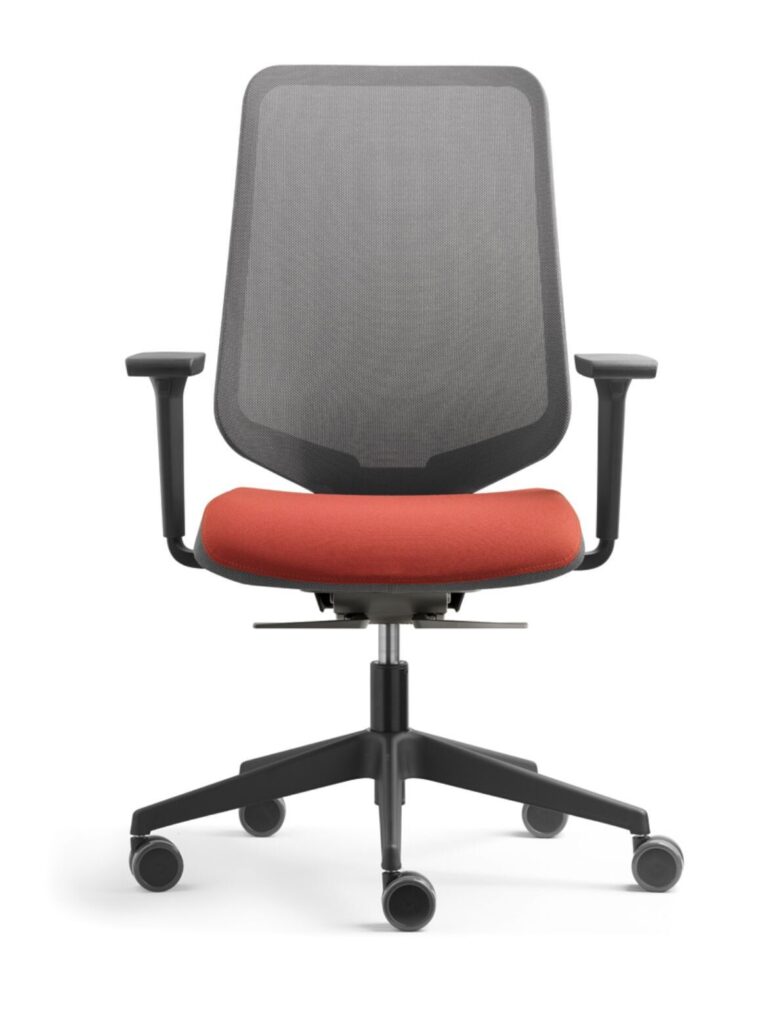

The backrest takes inspiration from the human spine, featuring a uniquely designed fulcrum that allows the chair to move through rotation, flexion and extension with its user. The Dot.Pro is unique in that it features a Synchro Motion mechanism which has been designed for continuous usability over many hours. This mechanism allows the chair to swing head on and laterally, promoting freedom of movement and producing the same health benefits as sitting on a Pilates ball.
Other improvements that the ergonomic design of the Dot.Pro can provide include:

The key to an intelligent, ergonomic design is support; not just in a sedentary position, but through a range of different movements. The Dot.Pro provides workers with the ability to make dynamic movements throughout the day, promoting exactly the kind of healthy motion and freedom that is so often restricted by the modern office. The Dot.Pro fulfils the needs of the modern worker, allowing them to work comfortably and efficiently for the full duration of their time in office.
Read more about the Dot.Pro on the Workspace Commercial Furniture website.
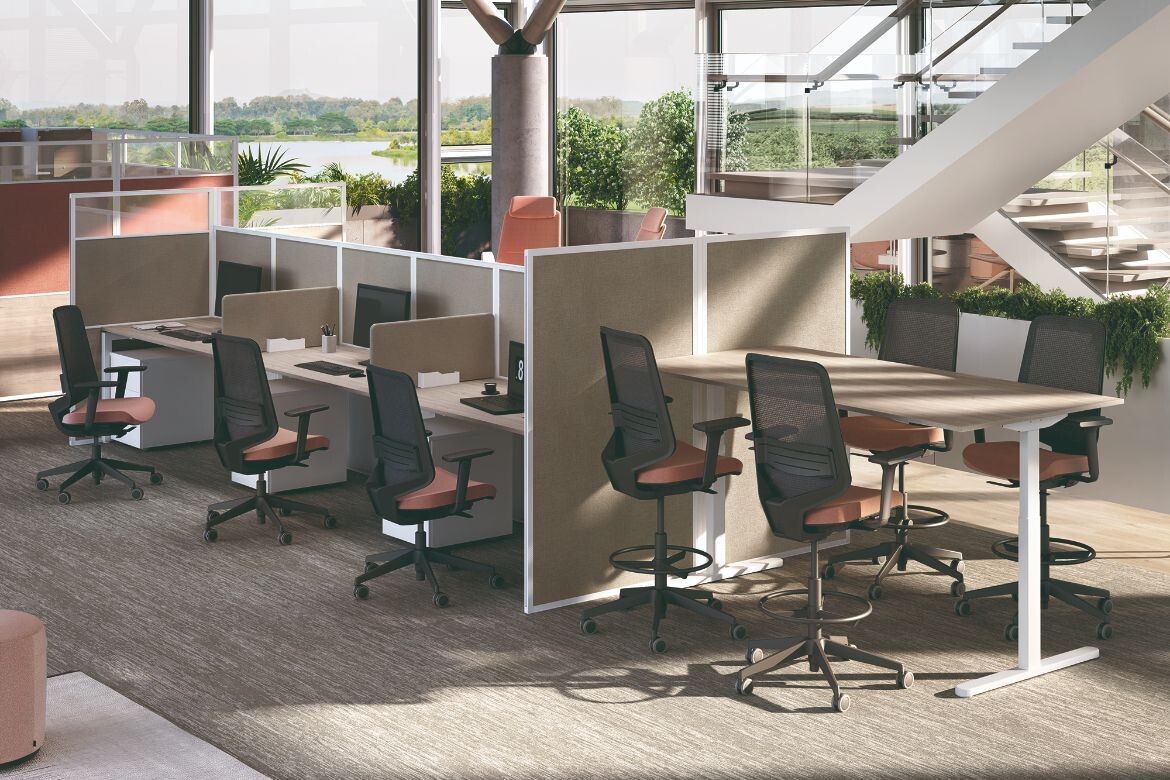
We think you might like this story on Workspace Commercial Furniture’s brand new table range Forza.
INDESIGN is on instagram
Follow @indesignlive
A searchable and comprehensive guide for specifying leading products and their suppliers
Keep up to date with the latest and greatest from our industry BFF's!
The internet never sleeps! Here's the stuff you might have missed