The home of architecture and design in the Asia-Pacific
Get the latest design news direct to your inbox!

Get the latest design news direct to your inbox!
‘What a Ripper!’ by comedian and architecture advocate Tim Ross explores Australia’s rich legacy of local product design.

August 20th, 2025
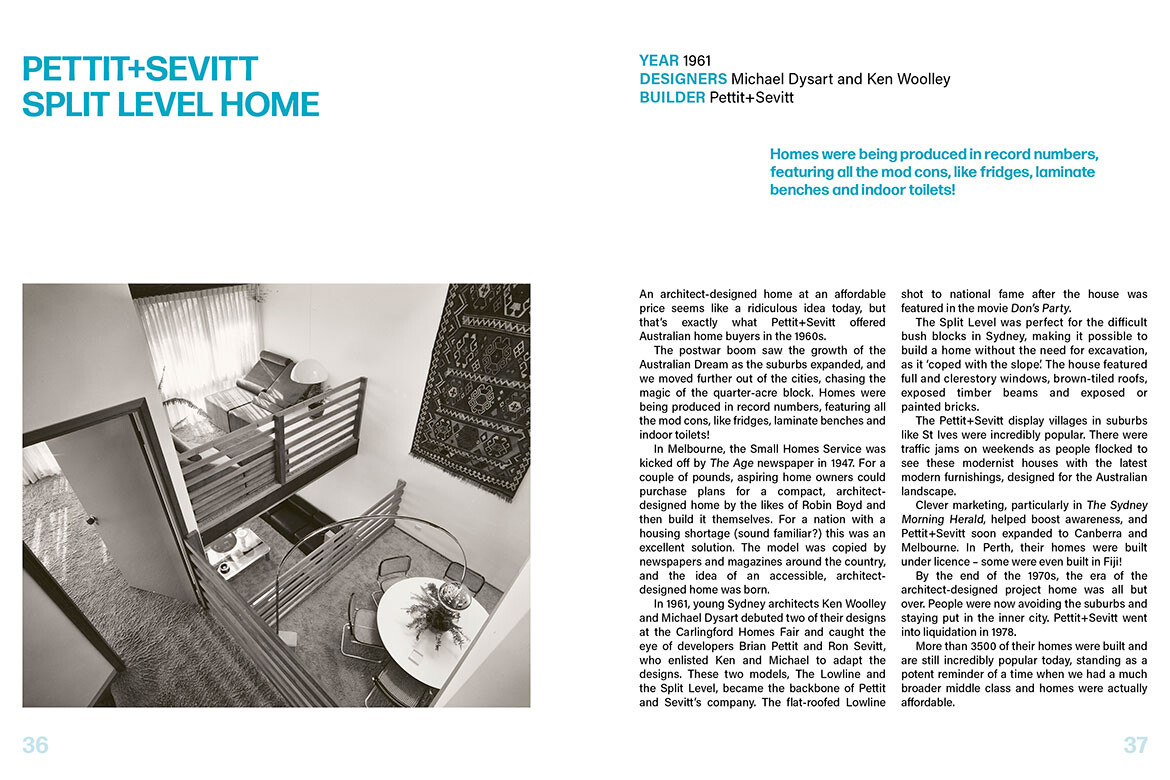
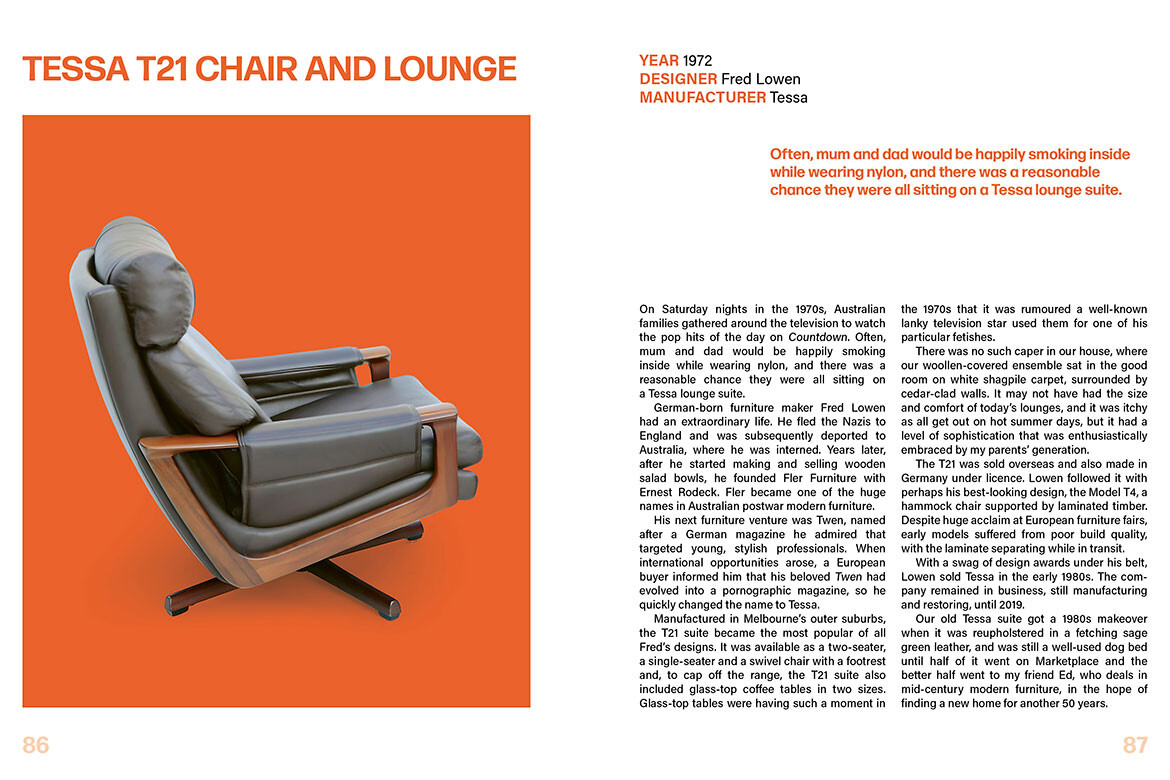
What a Ripper! has been be published in August 2025. The volume pays tribute to 60 everyday objects that shaped Australian domestic life between the 1950s and 1990s, an era whose design and manufacture are captured by Ross as being proudly local.
Ross, a longtime promoter of mid-century Australian culture through his work in media and live performance, curates a selection of objects that speak to a period defined by suburban growth, home entertaining and distinctive national identity. From plastic Décor plates and Esky coolers to Wiltshire Staysharp knives and Café Bar coffee machines, the book highlights the ingenuity and cultural resonance of designs once common in Australian homes.
Related: Meet this PNG writer who focuses on home
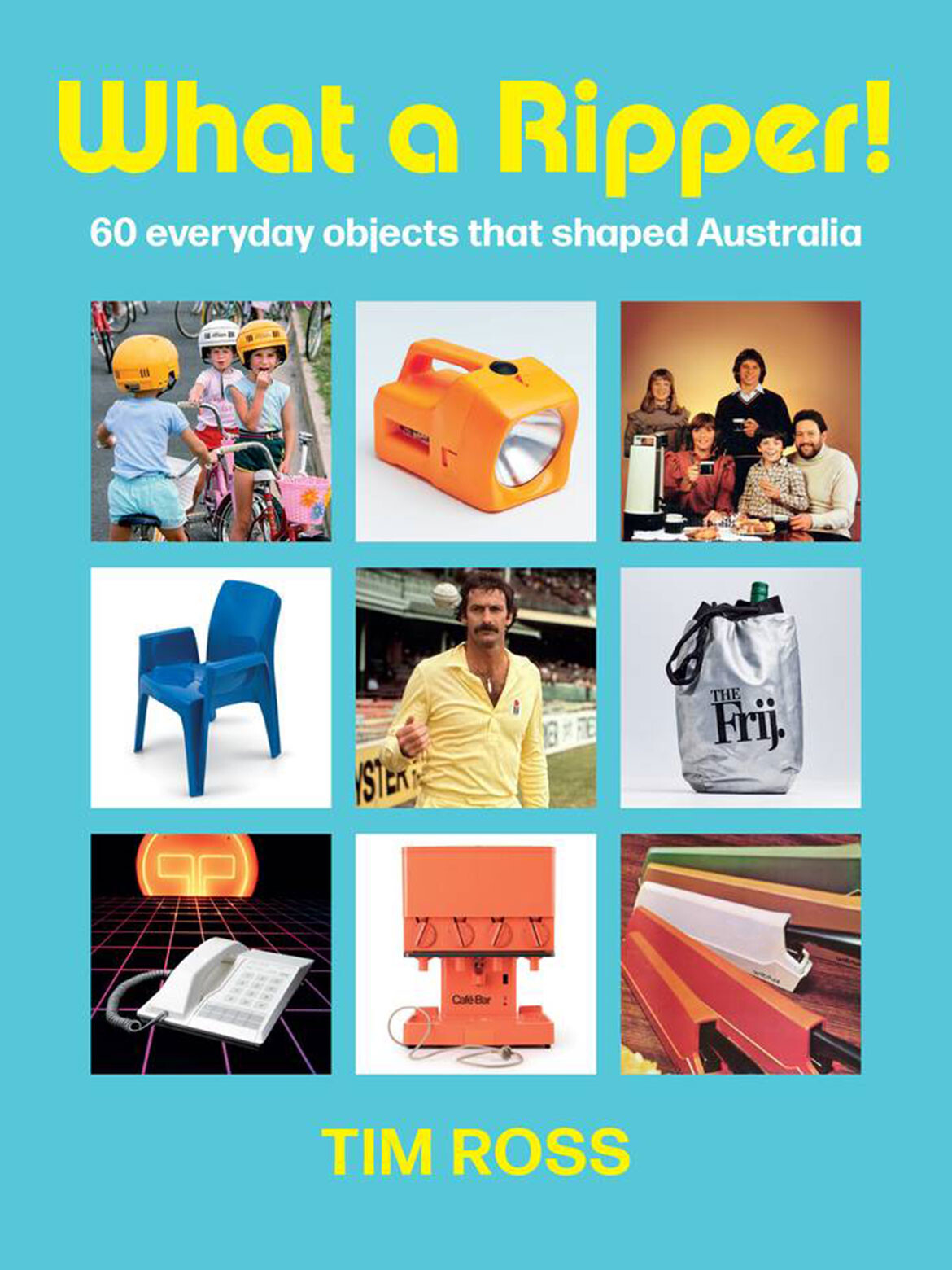
The publication includes stories such as the Queen’s unexpected role in the creation of Aerogard, the rise of the wine cask in the 1980s and the popularity of campaign icons like ‘Life. Be In It.’ Visuals are supported by colourful photography and first-hand accounts, including cultural anecdotes involving figures like Princess Diana and Phillip Adams.
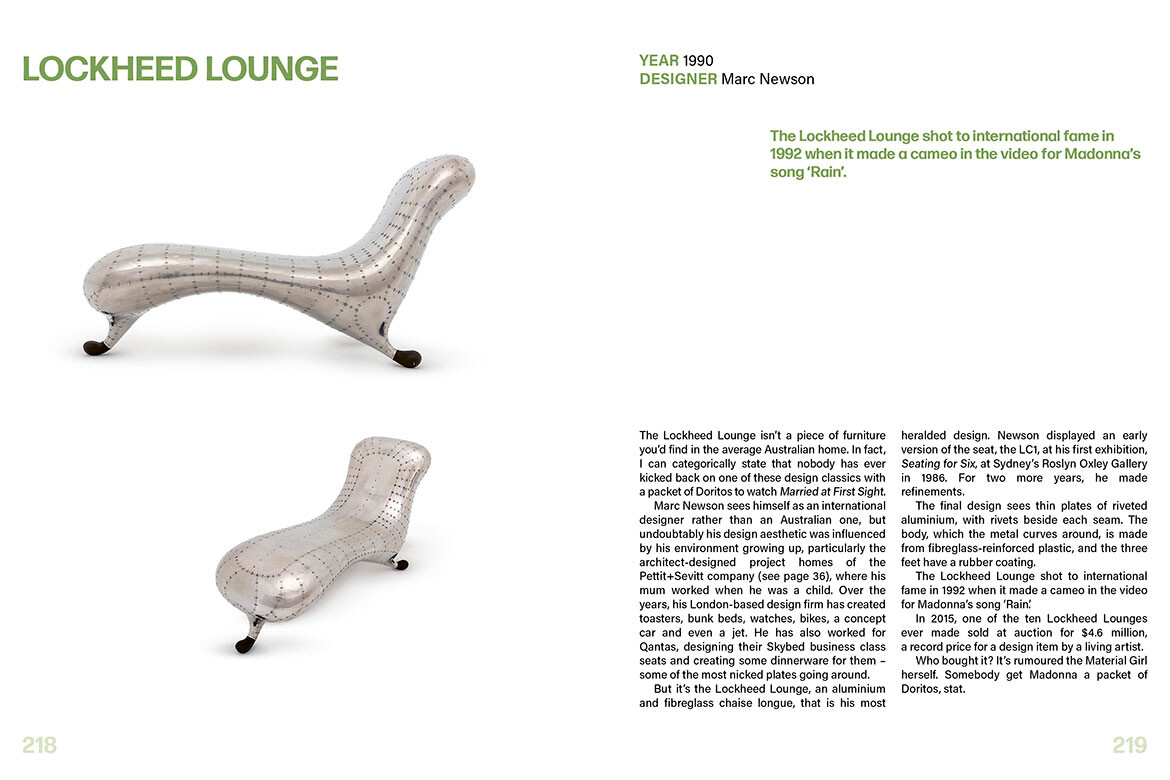
Described as a mix of pop-culture chronicle and design retrospective, What a Ripper! underscores the creativity of Australia’s industrial design sector, often under-recognised in global narratives. Ross’s nostalgic and informative take positions these once-ordinary items as icons of national character, encouraging renewed appreciation for the country’s design history.
Next up: Second Century Modernism is another book by American architect, John Jennifer Marx
INDESIGN is on instagram
Follow @indesignlive
A searchable and comprehensive guide for specifying leading products and their suppliers
Keep up to date with the latest and greatest from our industry BFF's!
The internet never sleeps! Here's the stuff you might have missed