The home of architecture and design in the Asia-Pacific
Get the latest design news direct to your inbox!

Get the latest design news direct to your inbox!
The world of ABW has unleashed a slew of new requirements for open-plan spaces. How might the Danes be the solution to these new kinds of spaces? We look at famed-Danish designers, Normann Copenhagen for the answer.
August 10th, 2015
Let’s face it, open-plan is amazing, we all know it. But getting users of a space on board with new styles of working and new commercial environments isn’t always easy.
Product designers have a real opportunity here to create solutions to adaptability problems. And while the physical/functional elements of these products is key in user-behavior, it’s the products that are able to change user-thinking that really solidify the transition from old to new.
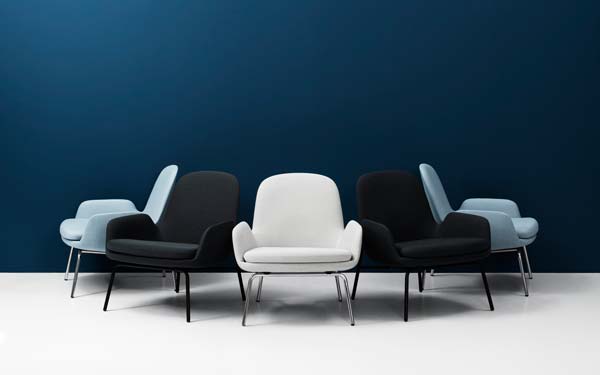
In 1999, Jan Andersen and Poul Madsen teamed up to create Normann Copenhagen – a brand with a vision to make a difference in the design industry.
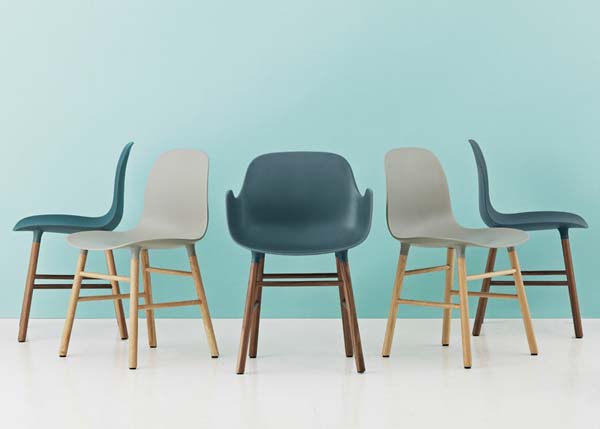
Now over a decade later, Normann Copenhagen is a Danish design company with the mission to create original, bold and eye-catching products in a simple and contemporary design that withstands the test of time. Or in other words, to challenge conventional thinking and make the ordinary extraordinary through great and innovative design.
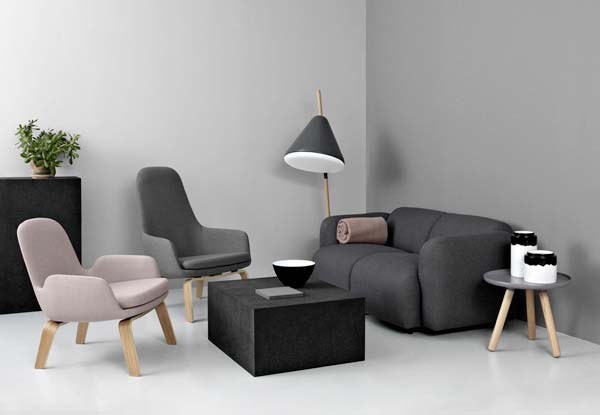
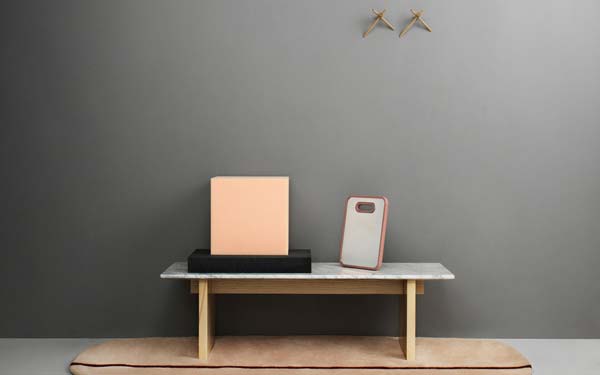
“To challenge conventional thinking” is an important sentiment when taking spaces from traditional office plans to ABW. And here, Normann Copenhagen represents a successful approach that can change the mindset of reluctant end-users.
But how? The Danes are great at creative problem solving, and this talent comes from one singular and meaningful philosophy – design democracy. Commercial spaces are filled with a vast array of different people with different needs, and rather than a single voice trying to account for this great diversity, Normann Copenhagen approaches this issue with a collective of various design minds to represent as many people as possible.
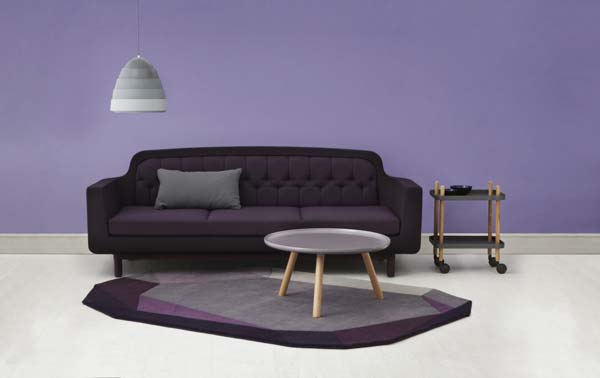
Poul Madsen explains: “For Normann Copenhagen it is always the design and the original idea that wins. Today Normann Copenhagen gets 5-10 new design proposals each day from skilled designers. We collaborate with a large number of Danish and International designers – each with their individual expression. They also work differently in the developing of new designs. Some works in glass, others in clay and some uses digital programs to create the design. In common is the passion for contemporary furniture and design, and creating objects that challenges conventional thinking. The diversity of the designers is reflected in the Normann collection, spanning products of designers aged 27 to 90 years.”
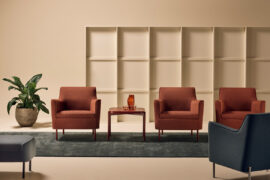
And challenging traditional ideas also filters into the move toward more residential-type commercial spaces. Normann Copenhagen offers that plush, domestic vibe while still paired-back enough – in true Scandinavian muted minimalism – to be appropriated for breakout office spaces for collaboration or private refuge.
Traditional workplaces are quite masculine, harsh, divisive, exacting and well… kind of all the same. Danish design has a softer, more feminine touch about it; encouraging collaboration, openness and varying states of emotional capacity. These are all qualities of ABW, and as such Danish design offers a pivotal solution to some of the issues caused by open-plan adaptability.
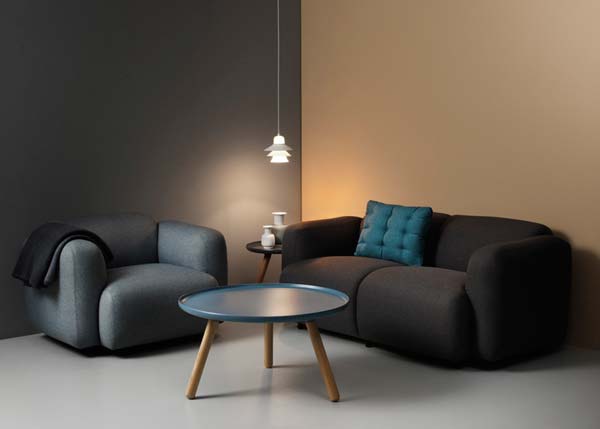
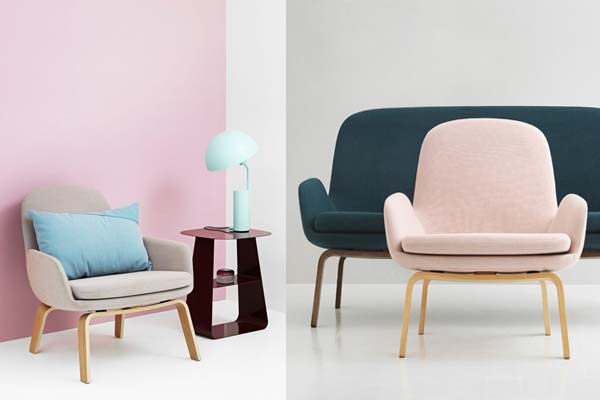
Finally, Danish design is just accessible. Accessible in terms of being able to adapt to almost any mindset, where seemingly disparate people with different objectives and attitudes can find something meaningful and agreeable in each design.
Madsen eloborates that: “When Jan and I look at new designs for Normann Copenhagen, we take a very intuitive approach to the products. We like products that have an original idea and a simple design, although we do not tie ourselves to a particular line because we like to stay open to possibility and the needs of the user. For Normann Copenhagen, brand mobility is an important value. We like to get involved in new projects if we see the right design proposals. For us, the important thing is that the projects we get involved in bring something new into the world of design.”
Normann Copenhagen furniture is available in Australia exclusively through District.
INDESIGN is on instagram
Follow @indesignlive
A searchable and comprehensive guide for specifying leading products and their suppliers
Keep up to date with the latest and greatest from our industry BFF's!
The internet never sleeps! Here's the stuff you might have missed