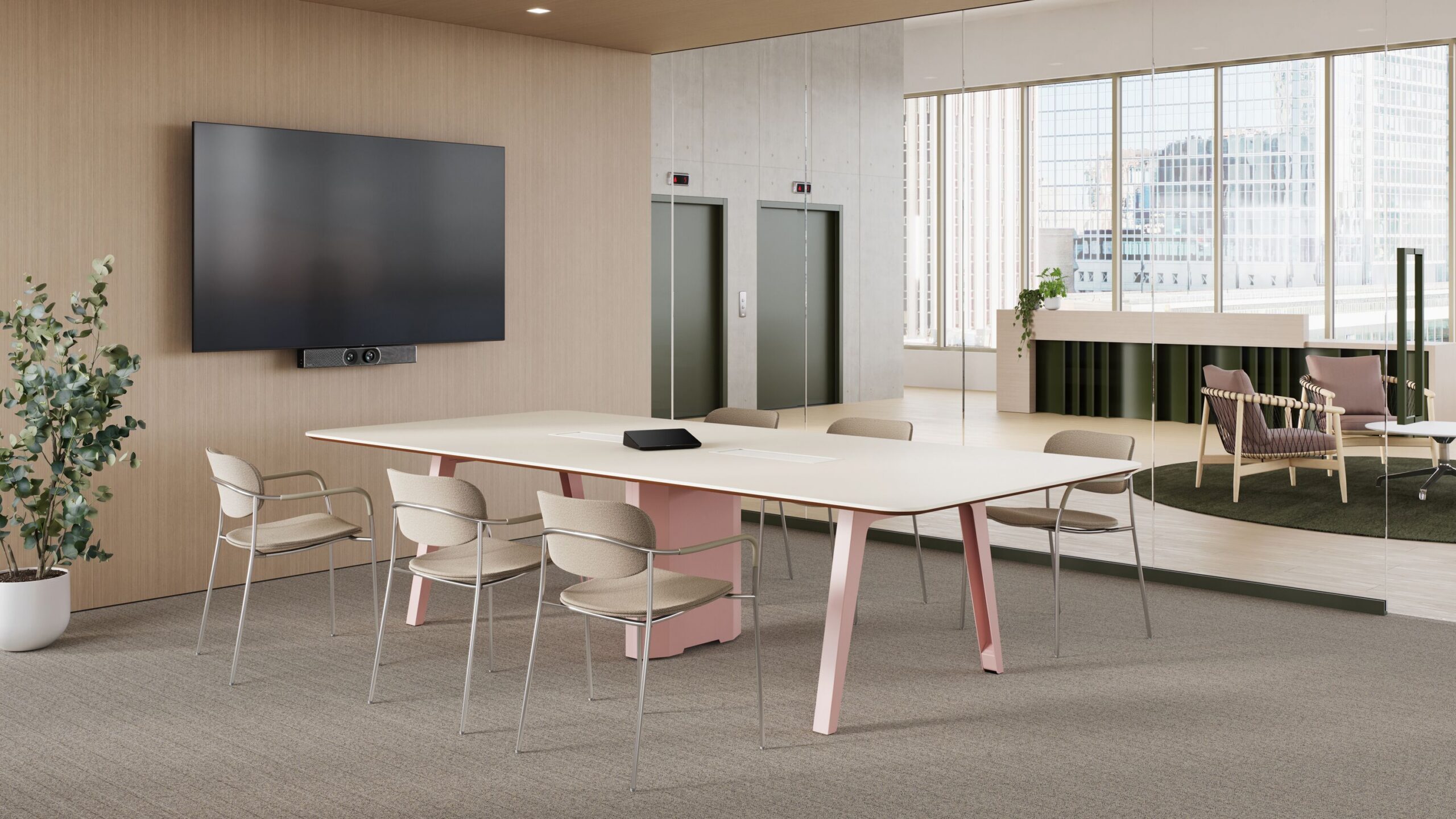
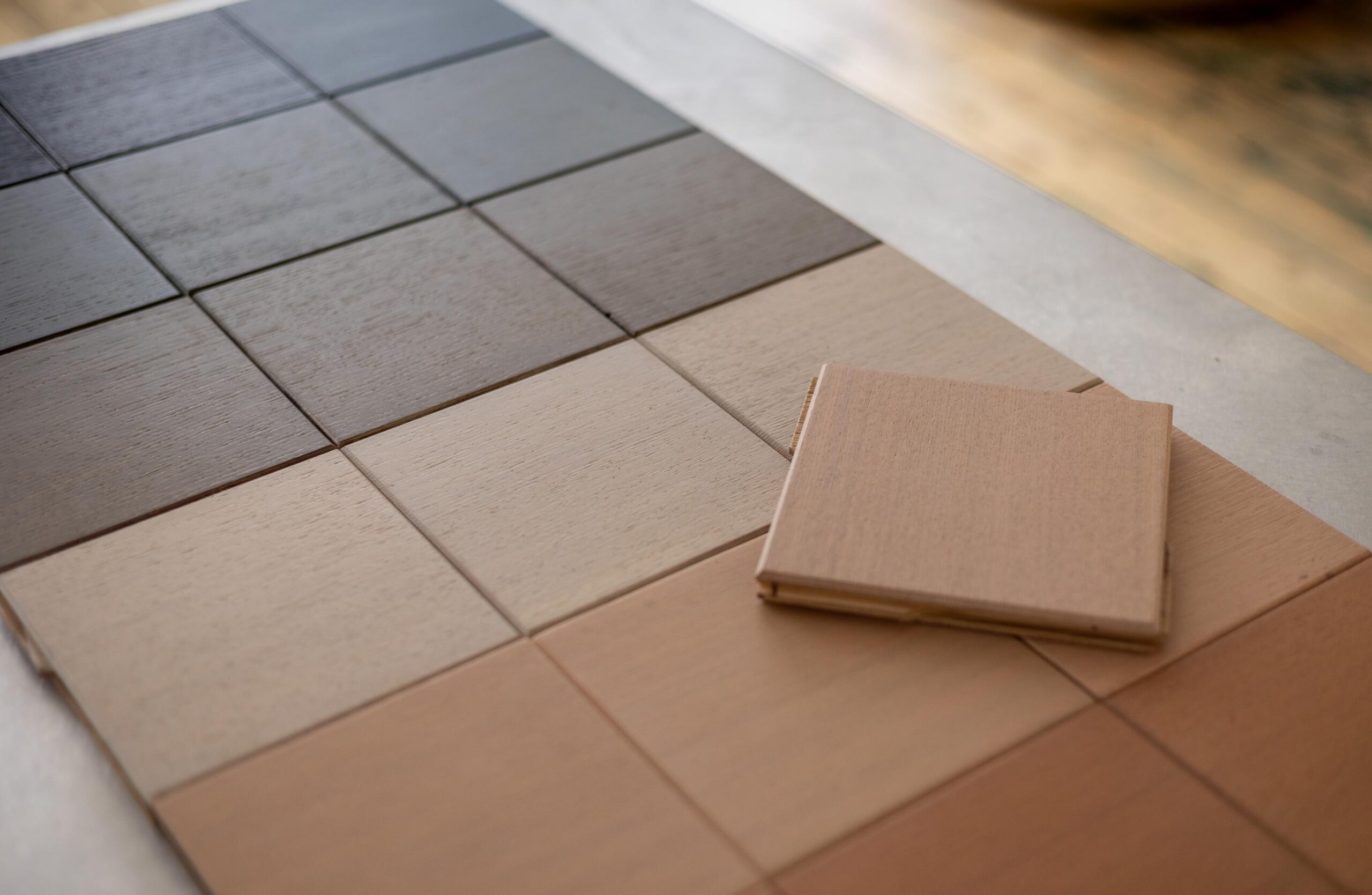
From the decorative to the structural, Tasmanian timber is a versatile material that brings more than mere function in its application.
Globally the design and construction industry is experiencing rapid economic growth. So much so that by 2023 it is expected to sit at an estimated US$10.3 trillion. As such, designers and specifiers are opting for materials that offer design flexibility along with durability, sustainability and affordability.
Find out why timber and Tasmanian Timber, in particular, is the perfect material, along with the wide range of applications it can be used in.
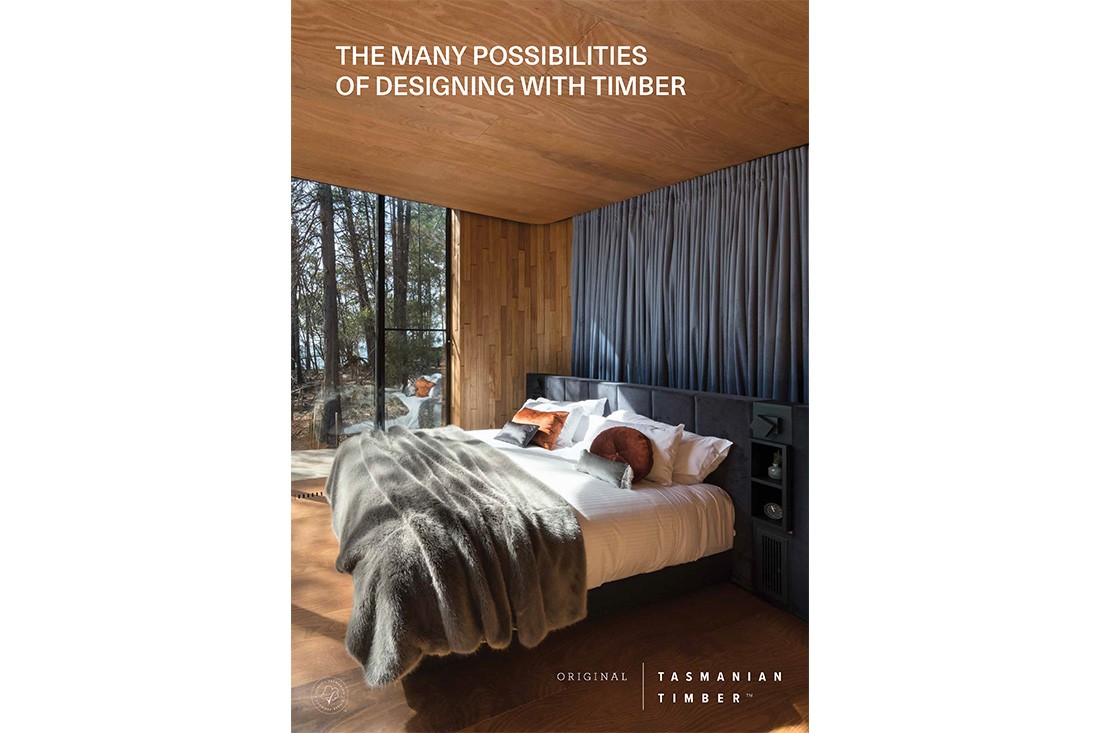
For more than a century, Tasmania has been the source of some of the most beautiful and versatile timbers in the world. Tasmania’s vibrant biodiversity and fertile, verdant forests make it ideal for the growth of strong, high quality timber. A significant proportion of timber used in Australia originates from Tasmania.
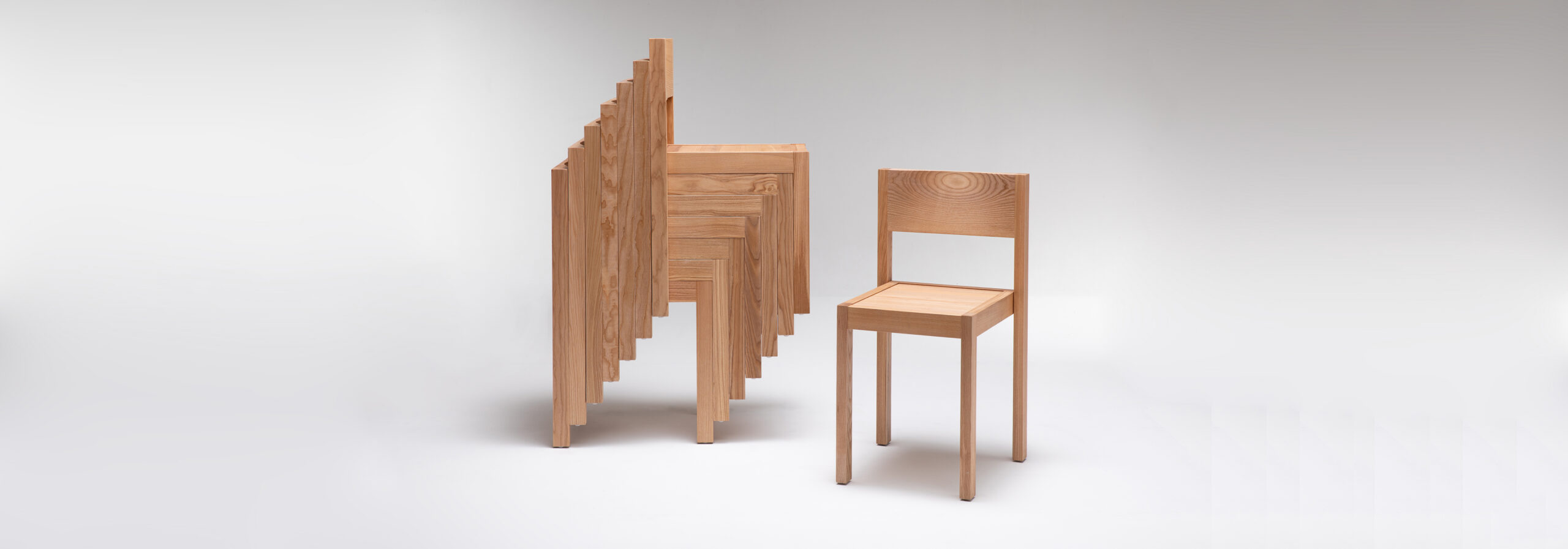
A number of the most renowned species of timber can be found on the island, including Blackwood, Myrtle, Celery Top Pine and Tasmanian Oak. Tasmanian grown timber has been used for a wide range of applications, from interior design, to furniture and also for structural purposes in all types of construction projects. Tasmanian Timber plays a vital role in Australia supporting sustainable local industries. The Tasmanian Timber Promotion Board seeks to educate designers, architects, furniture makers and specifiers on the broad potential of timber, its many unique characteristics and its substantial environmental benefits.
In pursuit of this, Tasmanian Timber is providing two free masterclasses. Aimed at anyone selecting and specifying their timber products, this seminar covers the species of timber from Tasmania and their source of supply, major characteristics and product range, followed by discussion on essential detailing and specification practice for major architectural applications.
"If the document hasn't automatically downloaded in 10 seconds, download here."
Please note by accessing advertiser content your details may be passed onto the advertiser for fulfilment of 'the offer' and also permits the advertiser to follow up the fulfilment of the offer by email, phone or letter. The subscriber also permits further communication from indesignlive.com.
INDESIGN is on instagram
Follow @indesignlive
A searchable and comprehensive guide for specifying leading products and their suppliers
Keep up to date with the latest and greatest from our industry BFF's!
Herman Miller’s reintroduction of the Eames Moulded Plastic Dining Chair balances environmental responsibility with an enduring commitment to continuous material innovation.
Now cooking and entertaining from his minimalist home kitchen designed around Gaggenau’s refined performance, Chef Wu brings professional craft into a calm and well-composed setting.
At the Munarra Centre for Regional Excellence on Yorta Yorta Country in Victoria, ARM Architecture and Milliken use PrintWorks™ technology to translate First Nations narratives into a layered, community-led floorscape.
In a tightly held heritage pocket of Woollahra, a reworked Neo-Georgian house reveals the power of restraint. Designed by Tobias Partners, this compact home demonstrates how a reduced material palette, thoughtful appliance selection and enduring craftsmanship can create a space designed for generations to come.
Spacemen Studio transforms a rare Kuala Lumpur bungalow into Sun & Moon, an all-day dining venue shaped by ambient light and curated material.
The Japanese firm brings elements of calm into Loca Niru, a fine-dining restaurant housed in a 146-year-old mansion in Singapore.
The internet never sleeps! Here's the stuff you might have missed
An array of coloured circles overlaid in perfect geometric sequences create a spectrum of musical auras in artist David Sequeira’s Bundanon Art Gallery commission, Form from the Formless (Under Bundanon Stars).
Spacemen Studio transforms a rare Kuala Lumpur bungalow into Sun & Moon, an all-day dining venue shaped by ambient light and curated material.