The home of architecture and design in the Asia-Pacific
Get the latest design news direct to your inbox!

Get the latest design news direct to your inbox!
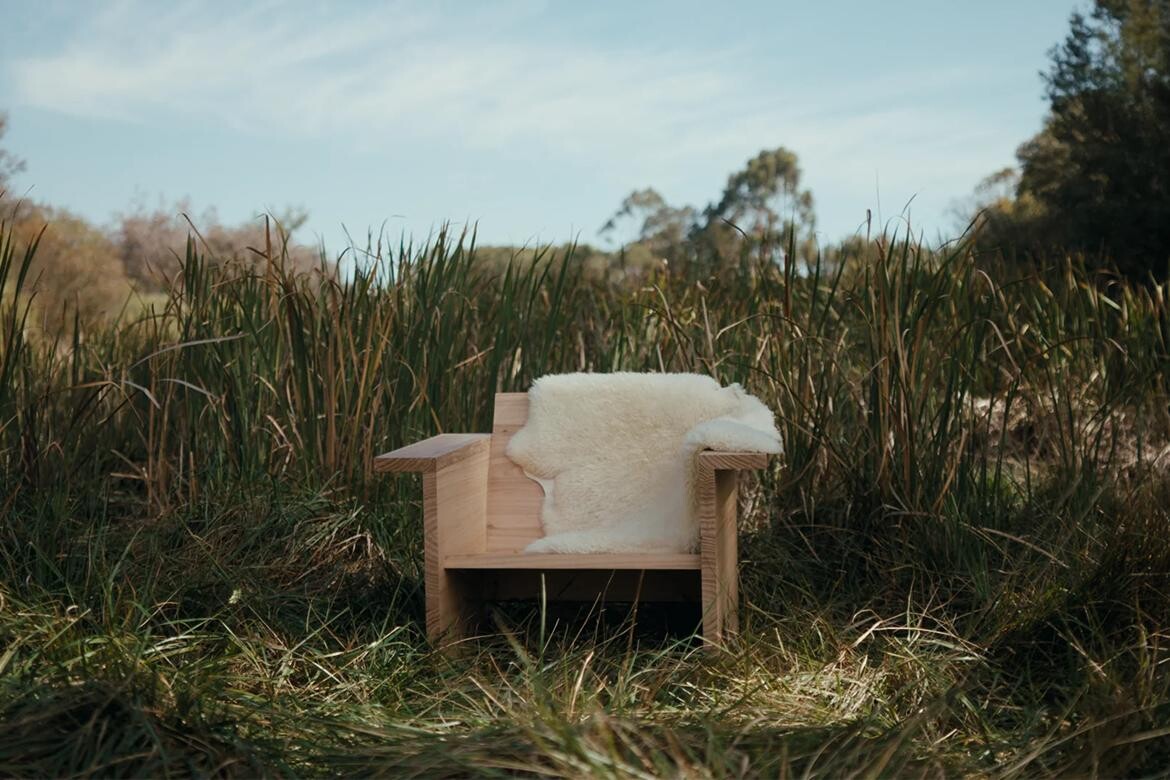
Mark Tuckey X Main Studio embrace the future with a new range of furniture that showcases the beauty of agroforestry timber.
September 3rd, 2025
As an Australian designer and manufacturer, Mark Tuckey has been creating furniture and joinery for three decades. Over that time the studio has evolved but the quality and integrity of the brand have grown stronger and more profound
At the core of the business is the desire to make for the future and design objects that become family heirlooms, passed from one generation to the next. Working with timber, Mark Tuckey understands just how precious this natural resource is and incorporates the ideas of repair, reuse and recycle into its offering. It is a priority that no Mark Tuckey product will become landfill or negatively impact the natural environment and to ensure this, the studio has instigated an end-of-life arrangement for the majority of its products.
However, there is always more that can be done and with the latest collection there is a way forward through The Making of Material launched at Melbourne Design Week in May this year.
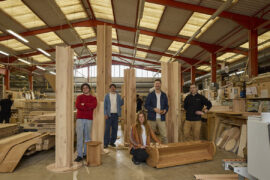
The Making of Material is a collaboration between Mark Tuckey and Main Studio that explores working with timbers that help regenerate degraded farm soils, improve livestock health and provide a biodiverse habitat for endangered species. The source product is agroforestry timbers and this collection of furniture designed by Bronwen Main and Mark Tuckey is the tangible evidence that such a material can provide beautiful objects as well as help sustain and improve our environment.
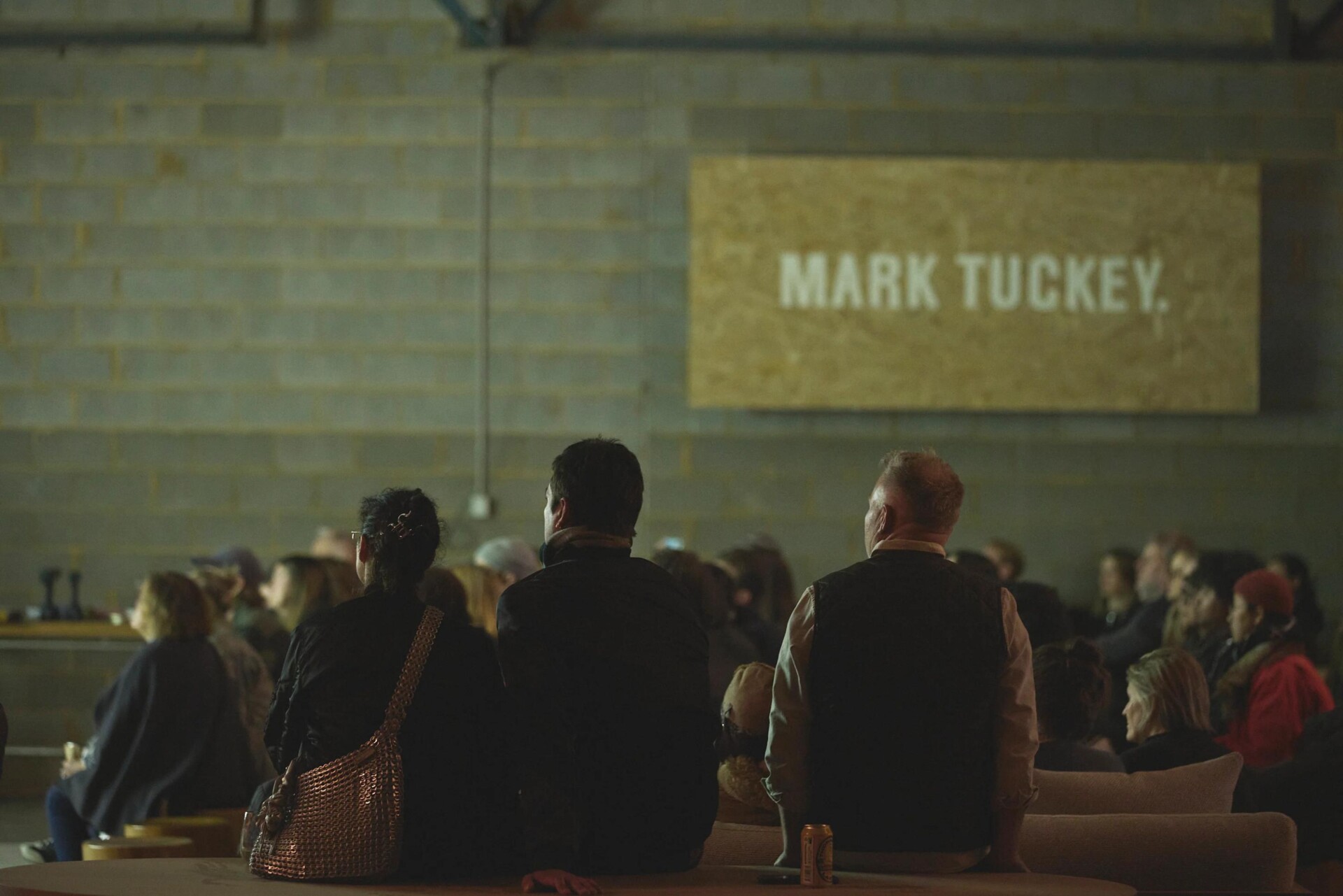
A short film has been made by Grace Moore and captures both the process and philosophy behind The Making of Material. It is beautiful in the poetry of design and portrayal of creating better through care of the land and its resources.
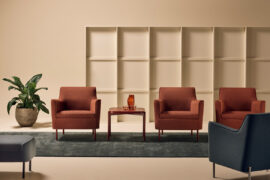
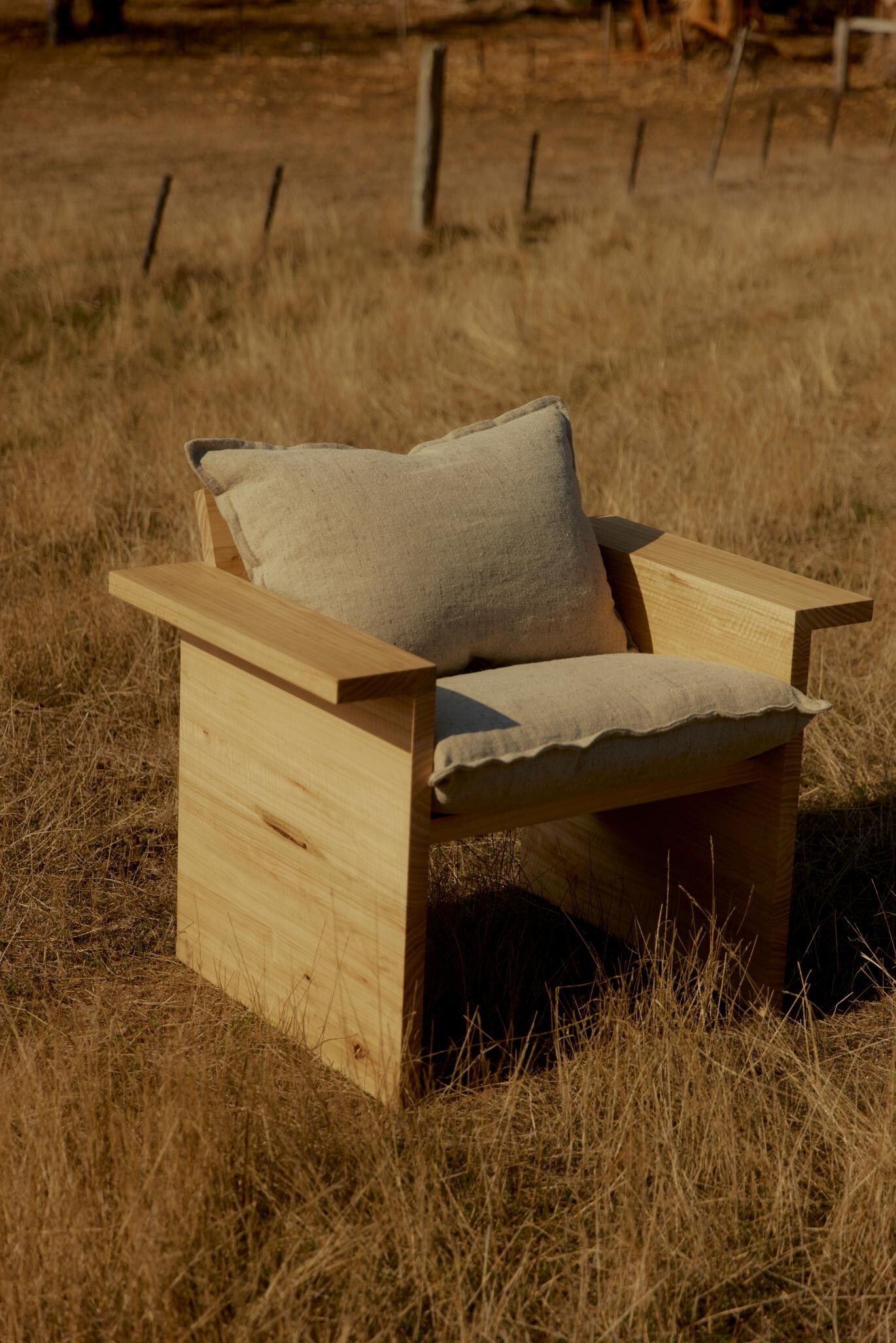
The new collection comprises three products, the Main Chair, Horizon Table and Field Coffee Table. The Main Chair is made in solid 40-millimetre Shining Gum hardwood, features a winged arm and is available with or without upholstery.
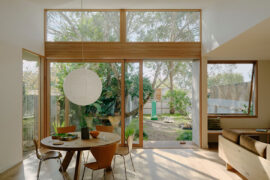
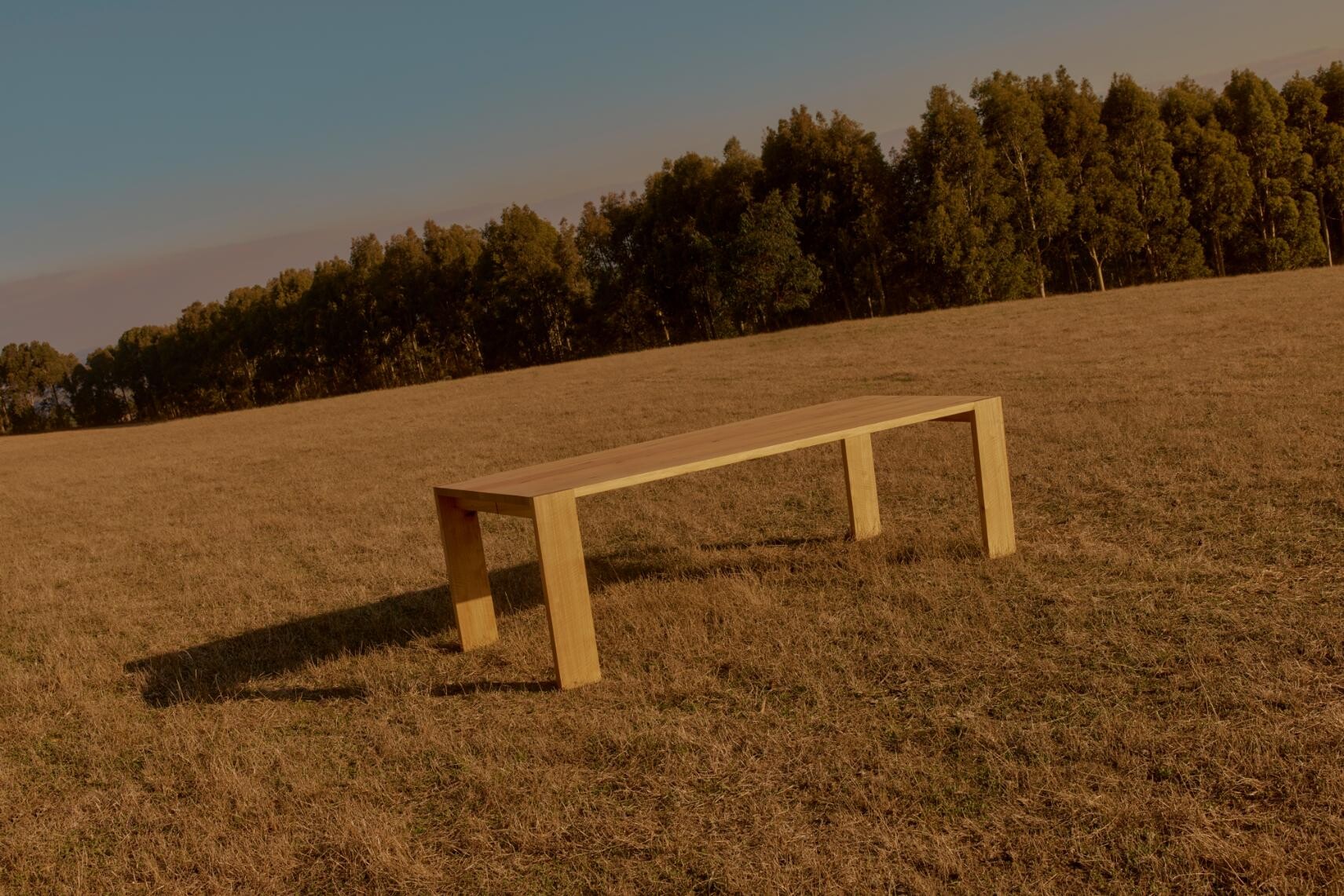
The streamlined silhouette of the Horizon Table is suited to residential and commercial spaces and, with ergonomic leg placement and exposed joinery, offers a contemporary aesthetic that showcases the natural grain of the timber.
While the Field Coffee Table draws on Japanese minimalism for its design. Simple yet refined, the low profile and clean geometry is pared back and contemporary. All pieces are finished in commercial grade water-based two-pack lacquer, made-to-order in the Melbourne factory and are also available in a wide range of other timbers and finishes.
The agroforestry timber has been sourced from the Yan Yan Gurt West Farm that is a regenerative sheep and agroforestry farm located in the foothills of the Otway Ranges. As fifth generation caretakers of the property, Andrew and Jill Stewart and family have planted more than 55,000* trees and shrubs to help create an ecosystem that strengthens biodiversity and supports livestock and forestry production on the property.
The Mark Tuckey X Main Studio collaboration proves that the future is bright for agroforestry timbers and for farms such as Yan Yan Gurt. Design can provide a pathway to a better way of making and using timber, however, the rest is up to us to make a difference where we can when specifying and buying.
*Figure according to Agriculture Victoria.
marktuckey.com.au
main-studio.com
gracemoorefilm.com
INDESIGN is on instagram
Follow @indesignlive
A searchable and comprehensive guide for specifying leading products and their suppliers
Keep up to date with the latest and greatest from our industry BFF's!
The internet never sleeps! Here's the stuff you might have missed