The home of architecture and design in the Asia-Pacific
Get the latest design news direct to your inbox!

Get the latest design news direct to your inbox!
Sustainable and utterly unique, Hydrowood is an unexpected Tasmanian timber that has a story as original as the product itself.

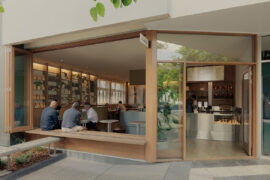
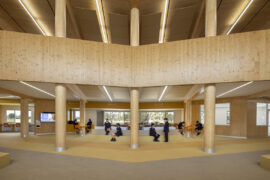
Parliament Square Tasmania, designed by fjmt. Photo by Adam Gibson.

Parliament Square Tasmania, designed by fjmt. Photo by Adam Gibson.

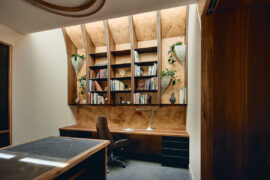
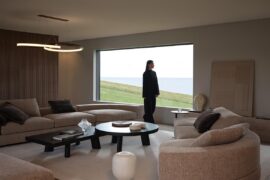
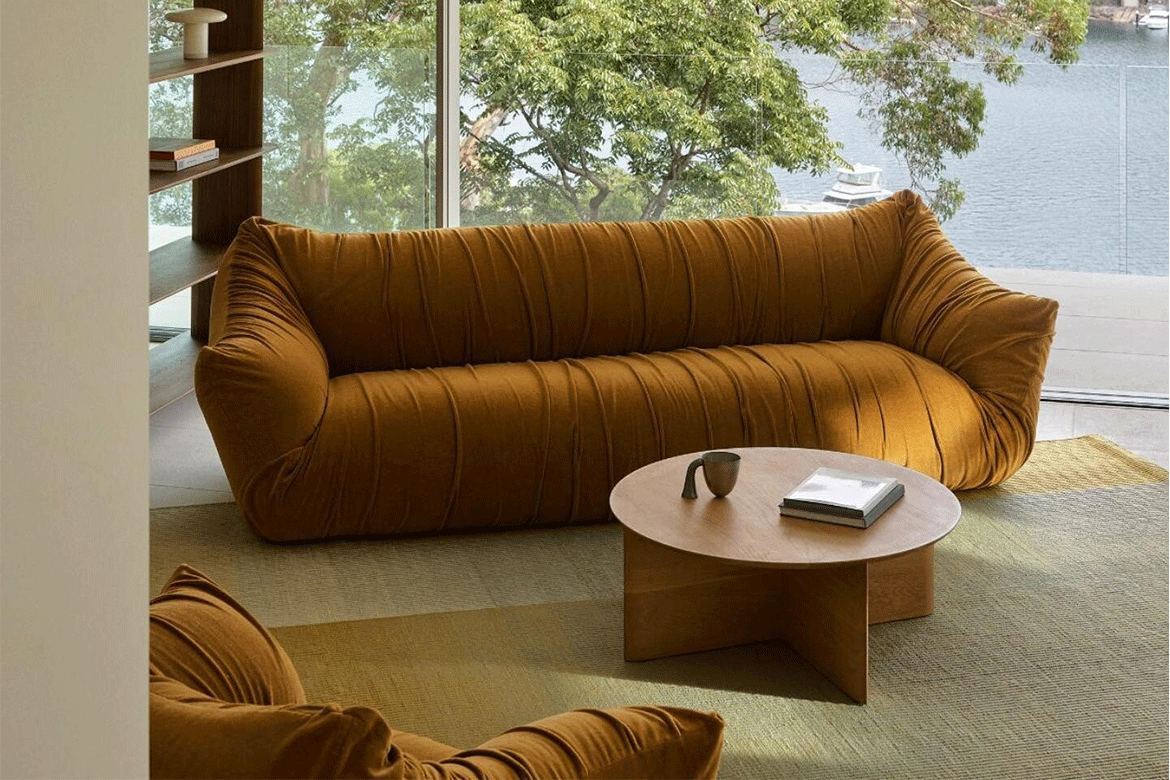
Furniture made with Hydrowood, designed by Dessein.


Dessein Hydrowood furniture.


Over 30 years ago, the Tasmanian government implemented the Hydro Electric scheme. The project was forward-thinking and has provided the state with years’ worth of clean energy. Something more unexpected to come from the project, however, is the preservation of hectares of rare Tasmanian timber species.
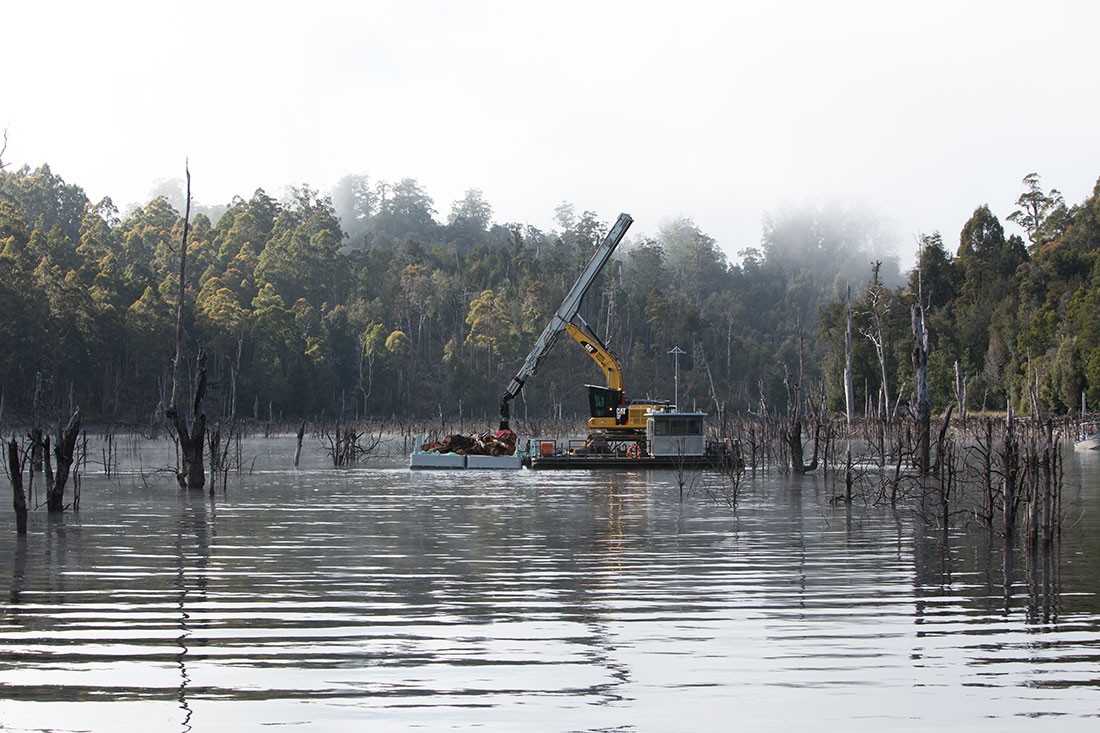
Aptly called Hydrowood, this uniquely Tasmanian range of timbers is now being recovered from the depths of Lake Pieman, which was created when the forest was flooded to establish the Hydro scheme. Thousands of native trees, ranging in age from 200 to 1000 years old have been preserved underwater, lying dormant and unused.
The forests that were once sacrificed in the name of clean energy are now being salvaged, including the rarer timber species such as Huon Pine, Sassafras and Myrtle.
The time spent underwater has changed these trees, preserving them and in fact turning them into a stable timber product.
In order to extract the timber, the team behind Hydrowood has implemented an innovative system, which removes what is needed from beneath the surface without disturbing the surrounding wildlife.
Bringing Hydrowood to market also required extensive testing in the drying process, as well as with different types of coatings. David Wise and Andrew Morgan, directors of SFM Environmental Solutions, carried out all of this testing and innovation.
Without utilising this precious timber, it would otherwise simply continue to lie dormant in the lake. “It’s dead timber, so it makes sense to do something positive with it,” shares Simon Ancher, a Tasmanian furniture maker who has partnered with Hydrowood.
In addition to being an intelligent approach to a dwindling supply of timber, Hydrowood has been recognised with awards in business innovation, in particular for showcasing best practice in a sustainable approach.
Hydrowood is a special story that highlights all the good that can come when you think outside the box and put sustainability first.
Find out more about Hydrowood at tasmaniantimber.com.au.
INDESIGN is on instagram
Follow @indesignlive
A searchable and comprehensive guide for specifying leading products and their suppliers
Keep up to date with the latest and greatest from our industry BFF's!
The internet never sleeps! Here's the stuff you might have missed