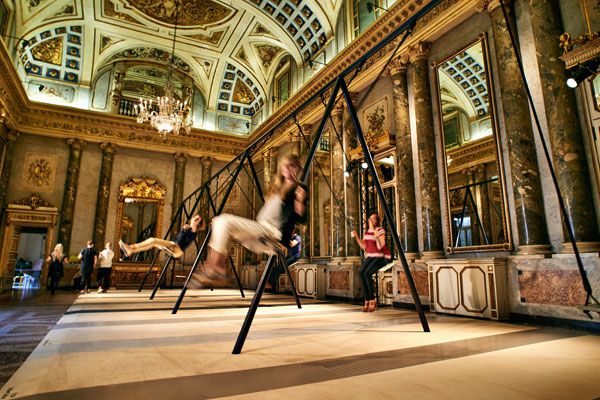
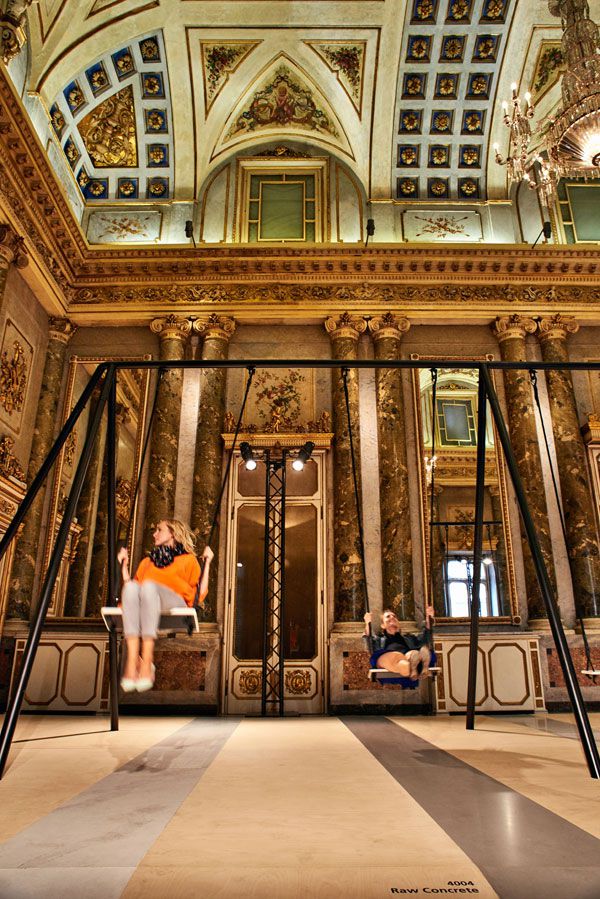
If the splendidly decorated ballroom of the Palazzo Serbelloni wasn’t breathtaking enough, it was the discovery of a massive swing set featuring Caesarstone seats. It stretched the length of the ballroom, maintaining a studied air of nonchalance while also appearing extremely inviting to those who wandered into the ornate and cavernous space.
Visitors would quicken their step as the surprise swing set came into sight, grabbing their mobile phones to snap delirious shots mid-flight as they whizzed through the still air. Designer and Caesarstone collaborator Philippe Malouin had created that memorable Milan moment.
But this unique installation was more than just Insta-friendly wow factor. It was about disrupting the traditional making process of a material and contradicting assumed product applications.
“I think adapting materials and transformation techniques that are not meant to be used in certain applications is what inspires me,” says Malouin, who has a special talent for sharing the thinking behind his working process. “Taking something out of context and applying it to a different object can be very interesting and brings a spark of creativity to begin with.”
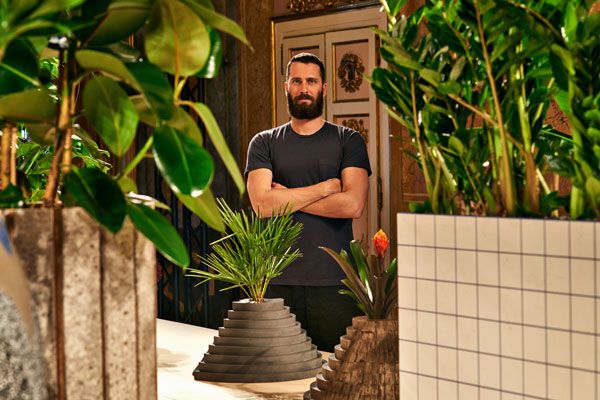
The swing set gave form to this manner of thinking – as did the second, more static component of Malouin’s presentation with Caesarstone: a handmade set of 20 planters that documented Malouin’s process of experimentation with Caesarstone’s surface material and technique.
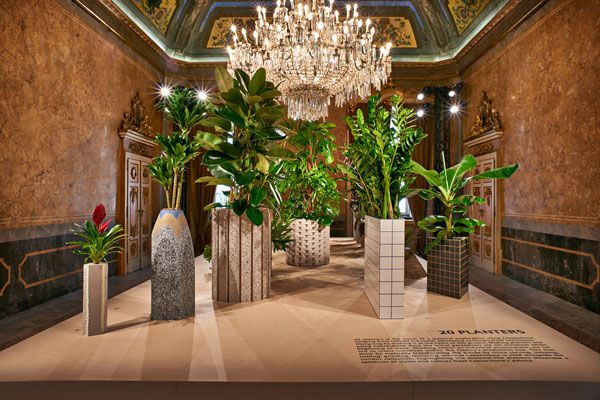
Modern and geometric in their design, the collection uses unexpected techniques to test the material’s versatility, mixing it up even further using Caesarstone colour options.
Working within an industrial environment, (where Malouin seems most at home), Malouin and studio ‘inserted’ themselves within the factory production line, manually transforming the pieces using stone carving, inlaying, cutting, grinding and texturing.
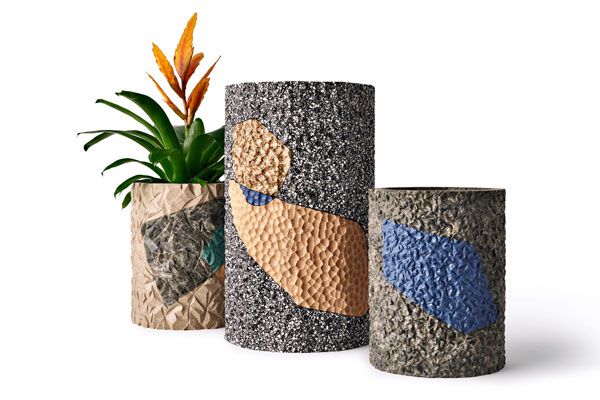
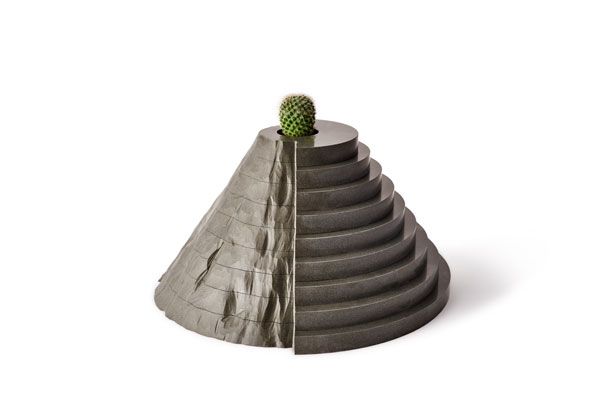
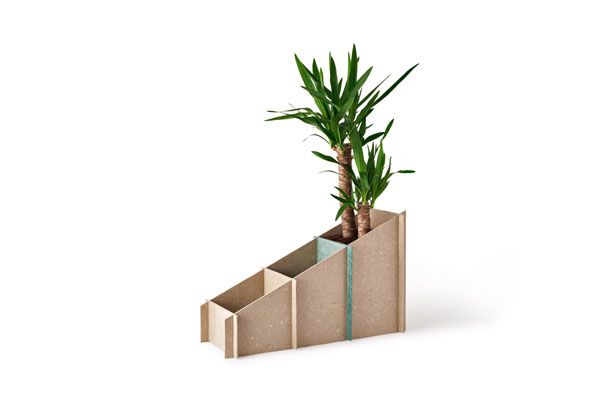
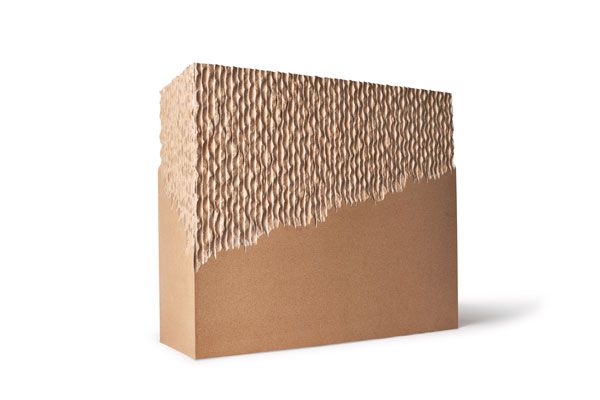
As Malouin describes it, designing by making was at the heart of this project. “The process is always much more interesting than the product itself,” he says of his unique working process. For him it’s “about making a discovery – a very small discovery – that will influence the rest of the design of the object.” In the case of Movements, small discoveries have led to big results.
Movements was presented at Milan Furniture Fair in April this year.
Images by Tom Mannion
Caesarstone
caesarstone.com.au