Eternal summer: The best of al fresco living
Published

As the summer season inches closer and closer, Pedrali invites you to immerse yourselves in the magic of the outdoors with great design.
From the hustle and bustle of Milan to the stillness of Lake Como and the glittering coastlines of Amalfi and Positano, the Italian summer evokes a sensation and excitement like no other.
Inspired by a culture renowned for al fresco dining and living, Italian furniture brand Pedrali have continuously explored how innovative, creative design can bring a touch of the eternal summer to outdoor spaces across the globe.
The outdoor range includes dining chairs, lounge chairs, outdoor sofas and tables: an extensive collection of pieces that can create a visual landscape unlike any other. The range of materials is just as expansive as the range of designs, inspired by a commitment to sustainability that runs through every element of each piece.
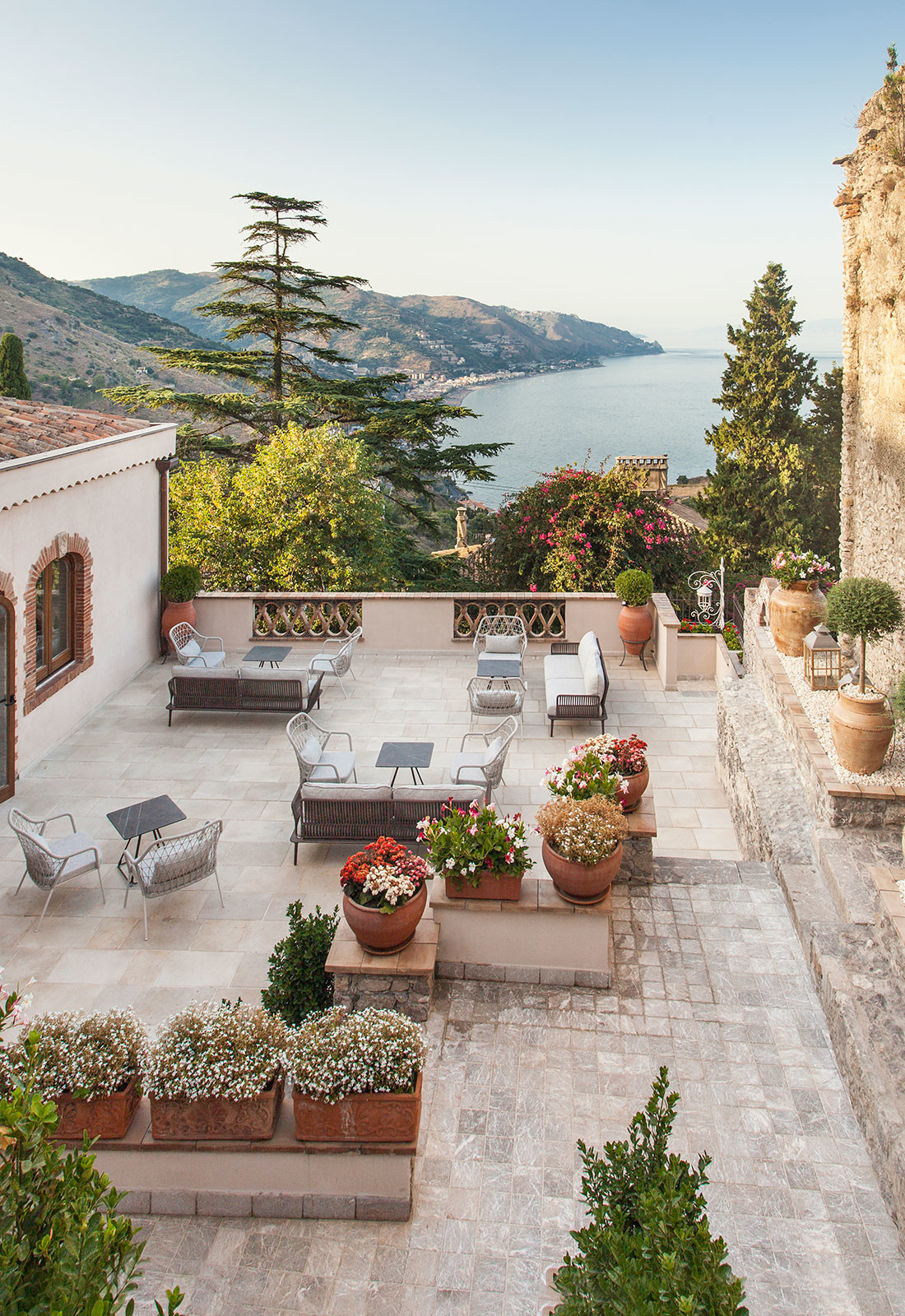
Sustainably sourced and certified wood underlie a number of the pieces, while 2020 saw Pedrali’s introduction of a range constructed entirely from 100% recycled plastic. In addition, every piece is manufactured across the brand’s local sites in Bergamo and Udine, making the most of the design and manufacturing capabilities within Italy.
While sustainability is the cornerstone of Pedrali’s process, the human experience of each piece is the cornerstone of Pedrali’s designs.
Product-led and editorially curated, the Indesign Edit offers a unique perspective on the exceptional designers and brands across the Indo-Pacific region and beyond. Bask in the summer sun with Pedrali in the latest edition of The Edit.
Related Articles
Edit
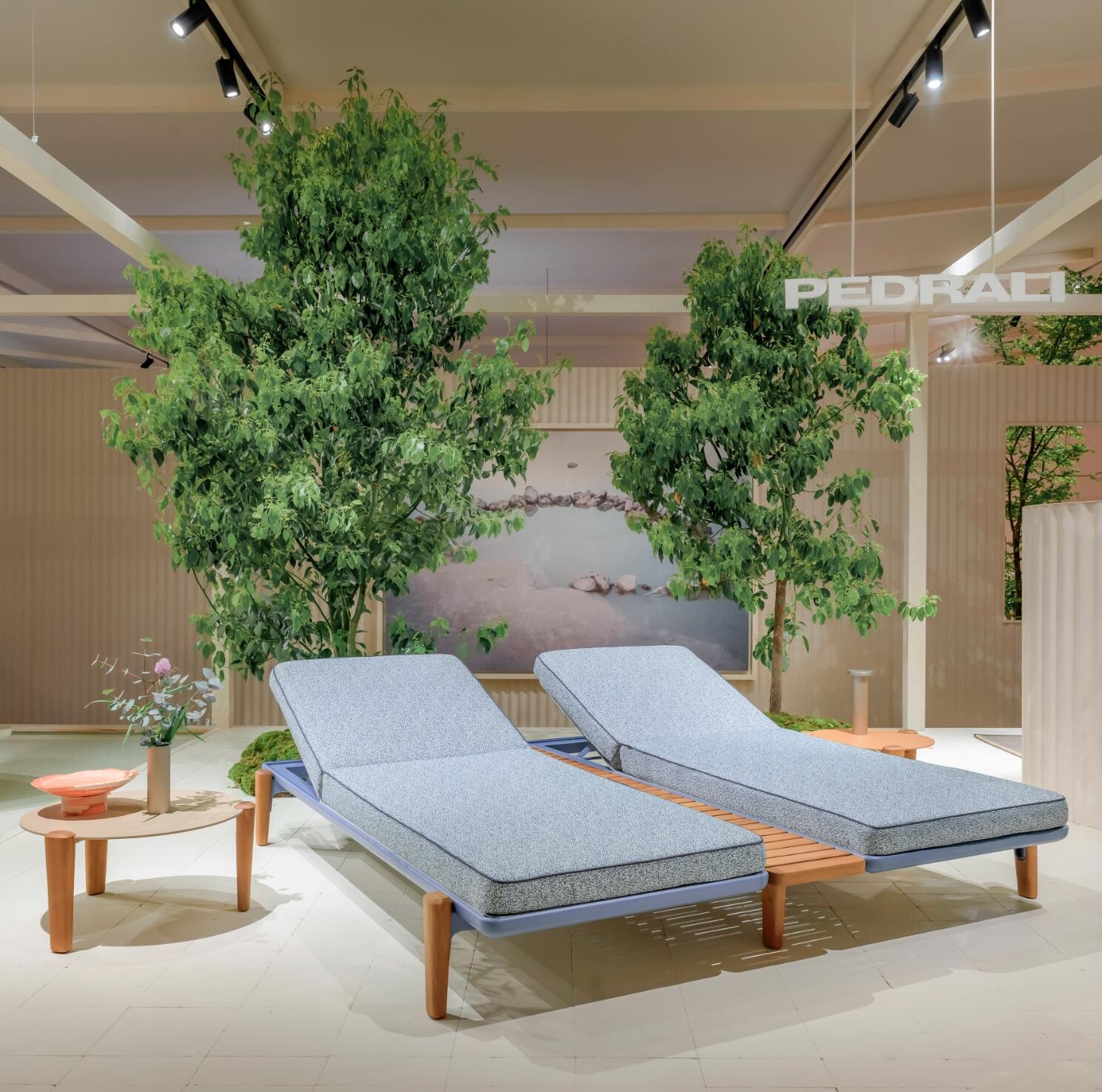
#PedraliGentleHabitat: Pedrali’s presence at the 64th Salone del Mobile
In this edition of The Edit, we take a closer look at Pedrali’s presence at the 64th Salone del Mobile.Milano, from the exhibition architecture to the new launches unveiled within it.

Edit
#PedraliShiftingPerspectives – Salone del Mobile 2025
In this edition of The Edit, take a closer look at Pedrali’s 36th showing at Salone, where spatial choreography, and new ideas in form, function and material come into view.

Edit
Nature & Nurture: The Caesarstone Edit
Caesarstone’s new Porcelain collection pays homage to the magic of mother nature.
Edit
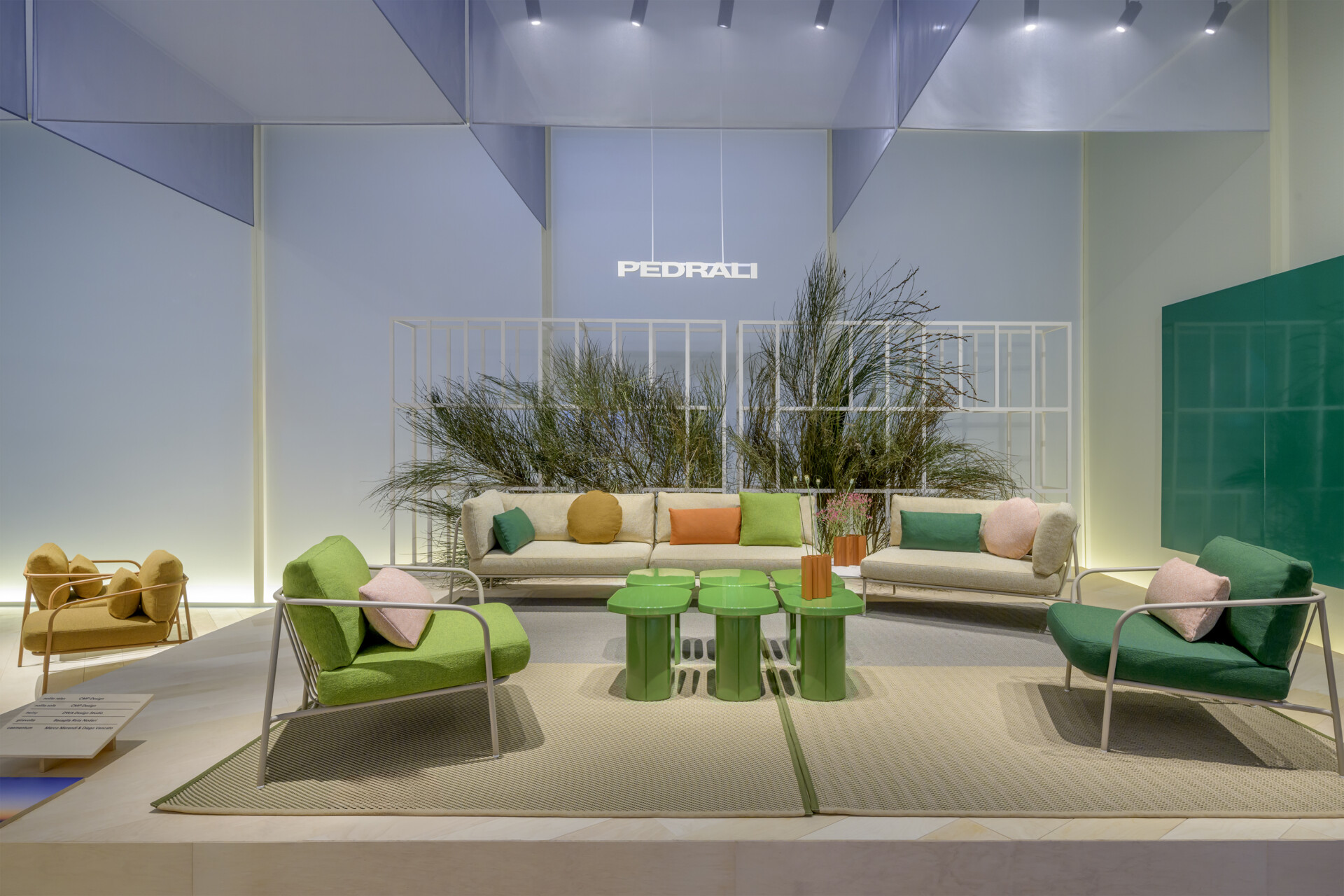
Let there be light: Pedrali Colours of Lightness
As perhaps the most significant event on the global design calendar, the annual Salone del Mobile returned for 2024 with a flurry of excitement.