In new commercial spaces, there is a preference for durable and versatile surface materials that can support multifunctional interiors. For this reason, ceramic and porcelain stoneware’s unique aesthetic and functional qualities stand out – both are known for being among the most resistant and sustainable materials available today, while their smooth tactile nature and wide variety of colours and patterns permit creativity and flair in design.

The Prism collection by Piero Lissoni takes these materials to a new level, with a stunning selection of harmonious colours, textures and sizes of porcelain and ceramic surfaces that evoke Italian culture in a contemporary manner.
An Italian architect and designer known for his contemporary furniture design, Lissoni’s objective with Prism was to establish a colour alphabet that has the power to change how we see and use colour in our interiors. His starting point was simple – the effect of light through a prism, creating colours that refracted light, transformed into a soft yet vibrant colour palette that works for today’s interiors. The collection’s unique multidimensional surface was inspired by the three-dimensional effects created by hand-trowelled resin, which enhanced the colour depth and graphic detail of these ceramic and porcelain tiles with the interaction of light.
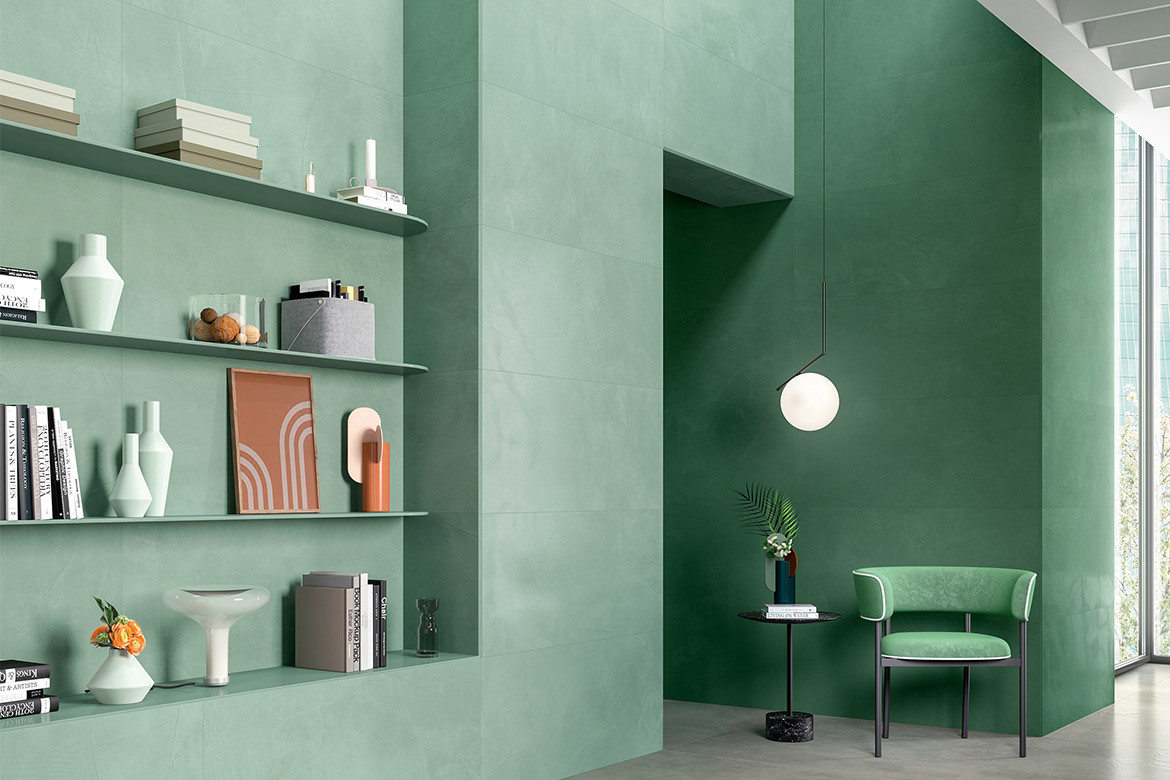
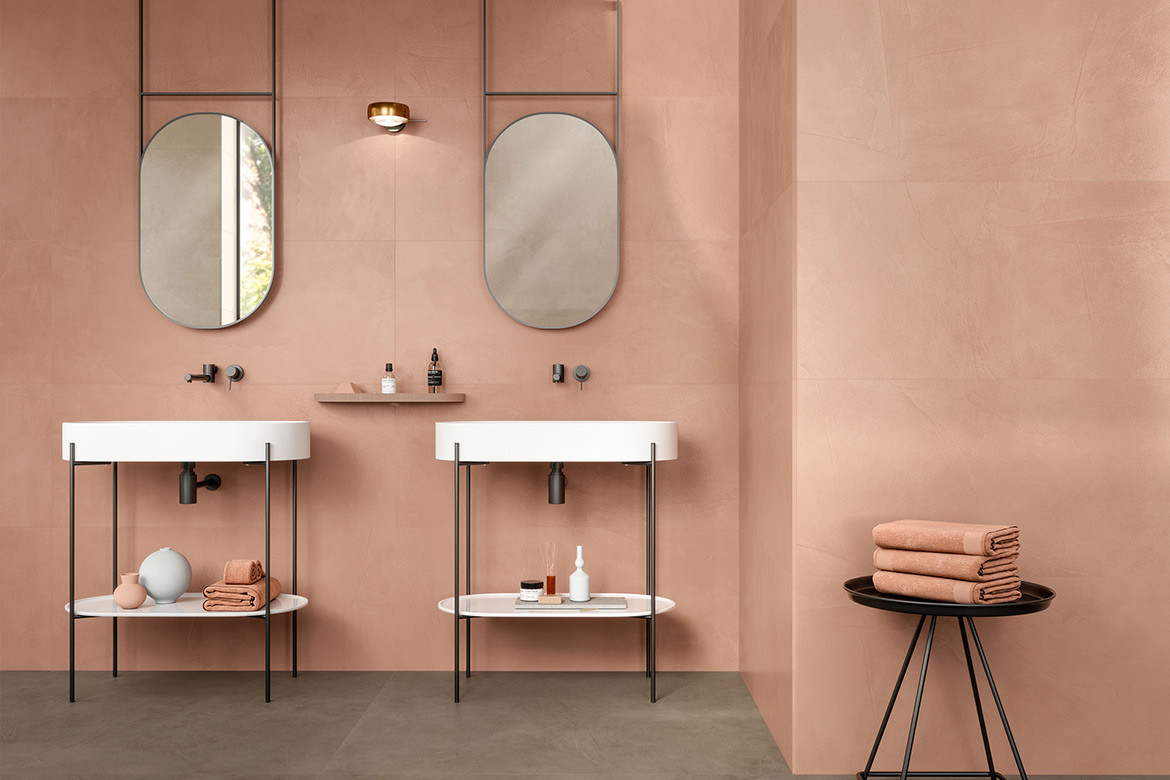
Featuring tiles, slabs and decors in 13 soft tones, Prism surfaces imbue spaces with elegance and sophistication. Cool shades provide balance within bright interiors, while warmer shades communicate sensations of comfort and warmth. Mixing and matching tones enables designers to create original palettes – from simple colour combinations to bolder contrasts – while retaining the collection’s refined style and character.
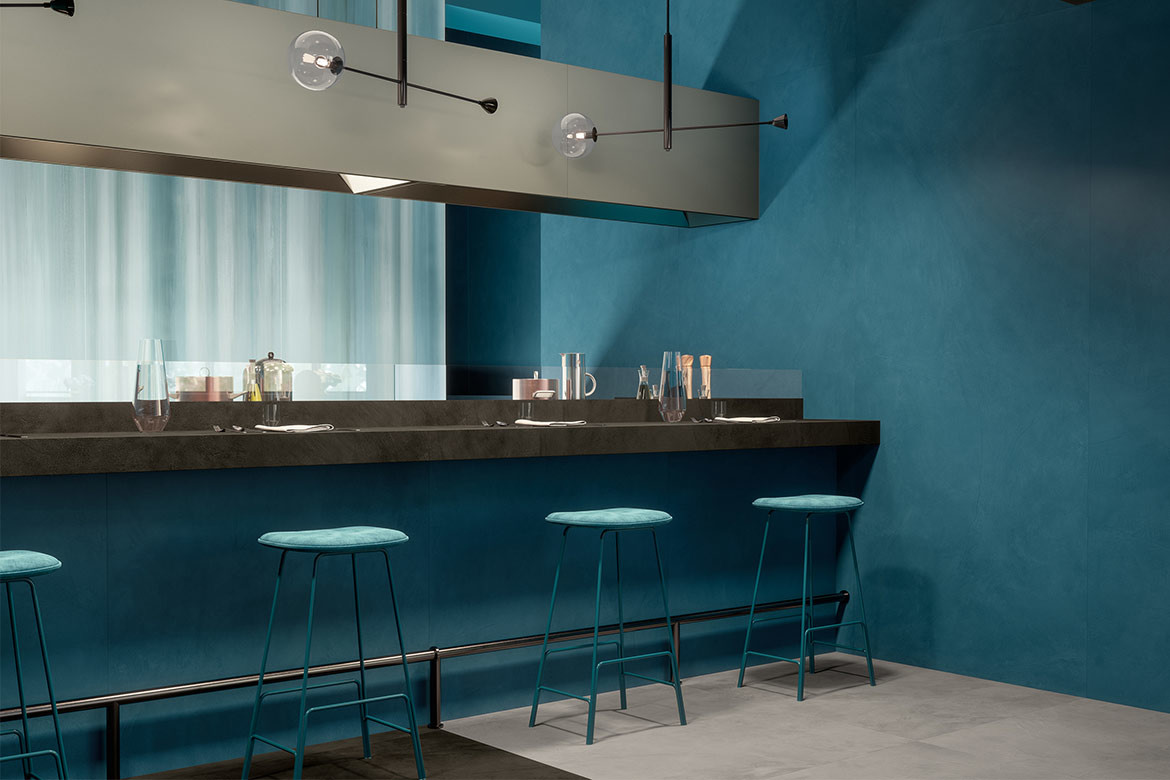
Prism’s colourways range from the lighter, softer Cord and Cotton to the deeper, elegant tones of Emerald and Midnight. Offering versatility and design freedom, the collection provides a range of decors, including large format geometric shapes and colours for customising any environment. The Gradient and Brush decors are available in large 120x278cm porcelain slabs and 50x120cm wall tiles. Mosaic Wiggle creates an elegant geometrical decoration in four soft colourways, while Enigma delivers a strong bold statement. As further complimentary options, the Mosaic Bead and Mosaic Q are available in 12 different colourways to decorate and feature walls or floors.

The extensive range of sizes allows designers to employ the resin effect throughout any interior design. Continuity and design uniformity in walls and flooring is ensured by the modularity of 120x120cm porcelain floor tiles with 120x278cm porcelain slabs or 50x120cm wall tiles.
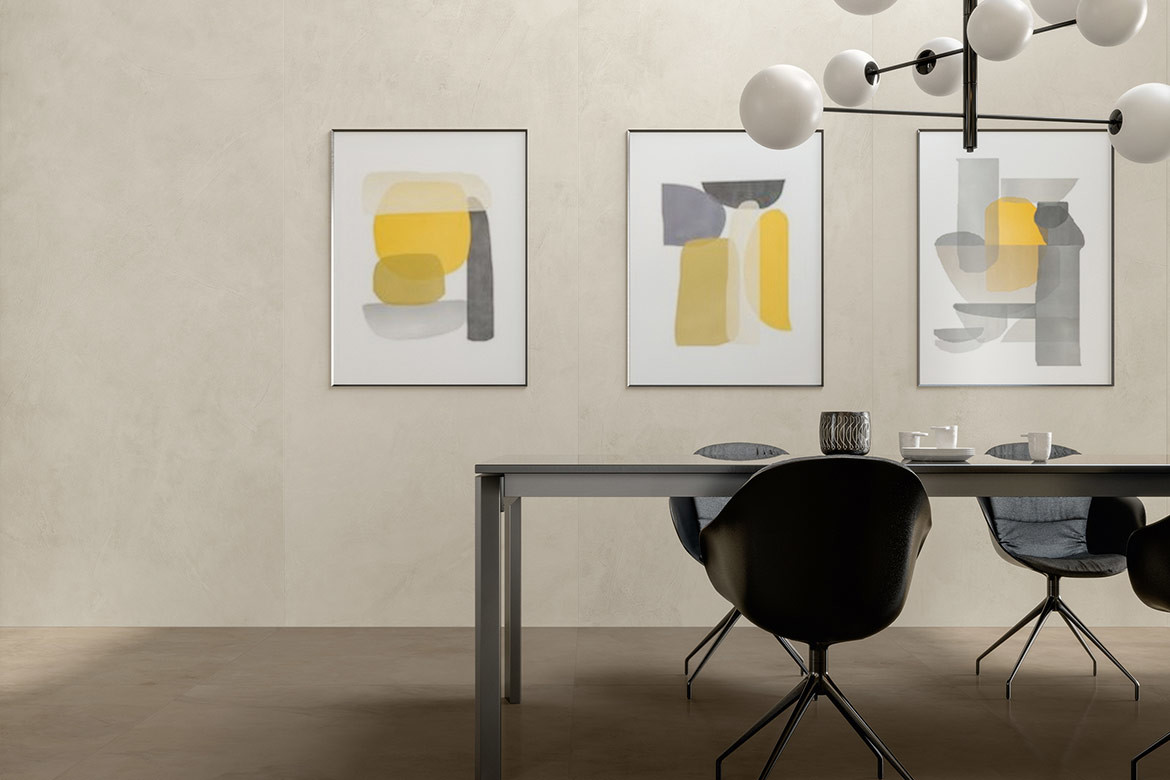
Adding to Prism’s captivating beauty and unique tactile qualities are the functional benefits of ceramic and porcelain as the material for this collection. These surfaces are resistant to moisture, chemicals, acids, bacteria, mould and ultraviolet light, producing colours that never fade and an exceptionally long lifespan. The antibacterial properties of the material, and its resistance to stains, ensures cleaning is fast, easy and effortless. The Prism collection is also energy efficient, ecological and safe as ceramic and porcelain surfaces are free of VOCS, PVC, formaldehyde and allergens.
For over 20 years, Rocks On has been supplying exclusive, luxurious porcelain stoneware to the building industry. Now distributing the Prism collection to the Australian market, Rocks On continues its tradition of supporting only the highest quality, most technologically advanced products from around the globe.