The home of architecture and design in the Asia-Pacific
Get the latest design news direct to your inbox!

Get the latest design news direct to your inbox!
Oluce, Italy’s oldest lighting design company continues to innovate and collaborate, President Antonio Verderi tells Ola Bednarczuk.
December 1st, 2011
Established in 1945, Oluce’s story is one of tradition and strong relationships with a series of established and emerging designers.
Current president Antonio Verderi has been involved with Oluce since 1975. With the company then owned by his father, Verderi would spend several months a year working in the factory, mounting lamps and helping out.
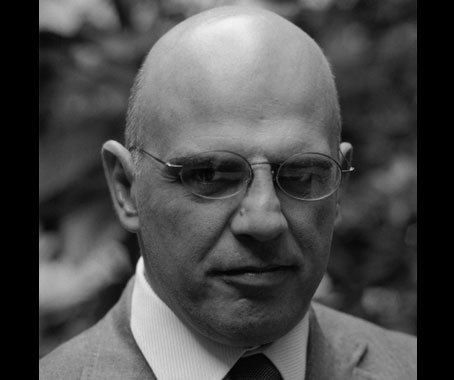
Verderi
In 1995 he took over management of Oluce, informed by his in-depth knowledge of the collection – right down to how the pieces operated and were put together.
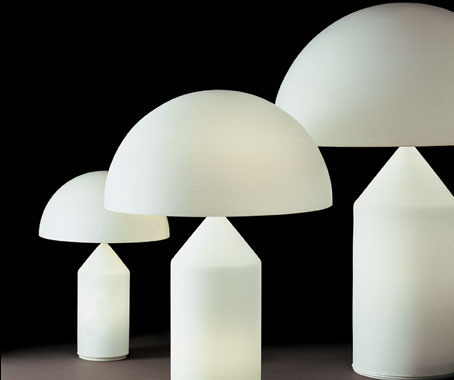
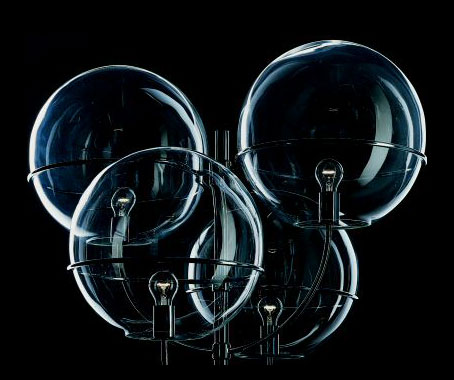
Vico Magistretti, Atollo, 1977
The aim was always to keep the company small and niche.
“We don’t want to be an IBM company,” Verderi says. “We want to maintain more or less our dimension, because we don’t want to be a slave to turnover. We want to be a small to medium company, probably more small than medium, to bring a certain touch, a certain product, which is addressed to a small niche of the market – but in the end it’s that market that recognises the collection as a valuable part of Italian design.”
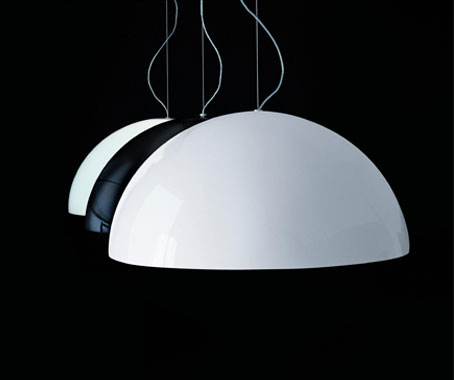
Vico Magistretti, Sonora, 1976
Verderi prides Oluce on the “image of the product, purity of the shape and innovation of the concept”. The company produces between 1000-2000 pieces a year, enough to be manageable by a small team. 95% of the products, Verderi says, are produced within 50km of the Oluce factory in Milan, to enable the company to manage the process and associated services directly.
Oluce also has a history of close collaboration with established designers, as well as seeking out unknown names. In 1997 they became the first company to collaborate with the Campana Brothers, producing the Estela lamp.
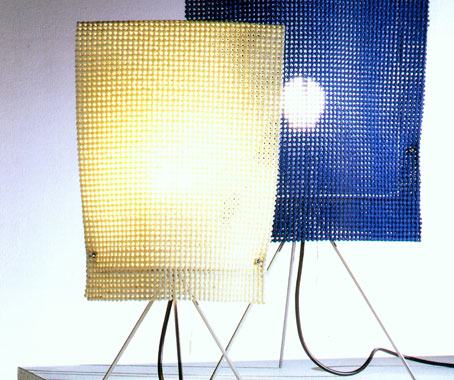
Campana Brothers, Estela, 1997
In 2003 Verderi discovered Japanese designer Oki Sato, aka Nendo, at the Satellite Design Fair and approached him to design for Oluce. Nendo’s first piece for the company, Sorane, was a disc of plexiglass illuminated by concealed LEDs, hooked up to a speaker that played sound from above.
“It was fantastic,” Verderi recalls. “Unfortunately, we were much too in advance. We were much too in advance for the taste, and that was a lesson that cost a lot. But then the investment has paid back, because when you see a good idea you must realise that sometimes you must wait for the right time to introduce it.”
Nendo’s Switch lamp, a metal table or floor lamp with a rotating reflector that controls the amount of light, faced a similar scenario. Made in 2007, the piece is only recently seeing significant sales.
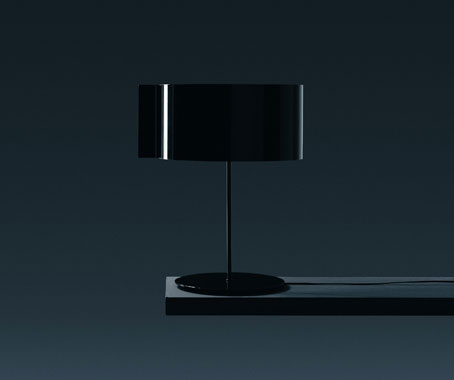
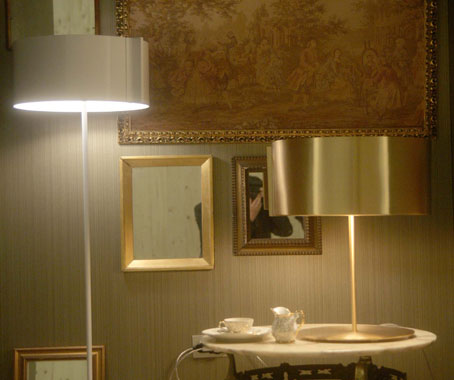
Nendo, Switch, 2007
“It took nearly 3 years,” Verderi says. “In the case of Sorane we were 7 years in advance. Sometimes you must have the patience to wait 5, even 7 years.”
That patience is anchored in belief in the product which, despite the diverse designers on board, is characterised by simplicity. A good idea for a design, Verderi says, is one that can be explained verbally without the need for visual aid. One piece created by Vico Magistretti, art director and chief designer at Oluce for decades, was delivered to Verderi by telephone. “Listen carefully,” Verderi was instructed – which led to one of the last pieces Magistretti created, 2 years before his death.
“Until you can address to a manufacturer without even the drawing; if you are able to describe the concept on the telephone and perform the idea of the shape and the concept you want to achieve, it means you have achieved simplicity,” Verderi says.
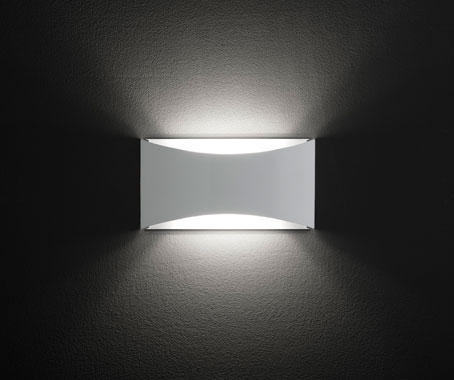
Studio 63, Kelly, 2011
Oluce products are available in Australia from Euroluce
Oluce
oluce.com
INDESIGN is on instagram
Follow @indesignlive
A searchable and comprehensive guide for specifying leading products and their suppliers
Keep up to date with the latest and greatest from our industry BFF's!
The internet never sleeps! Here's the stuff you might have missed