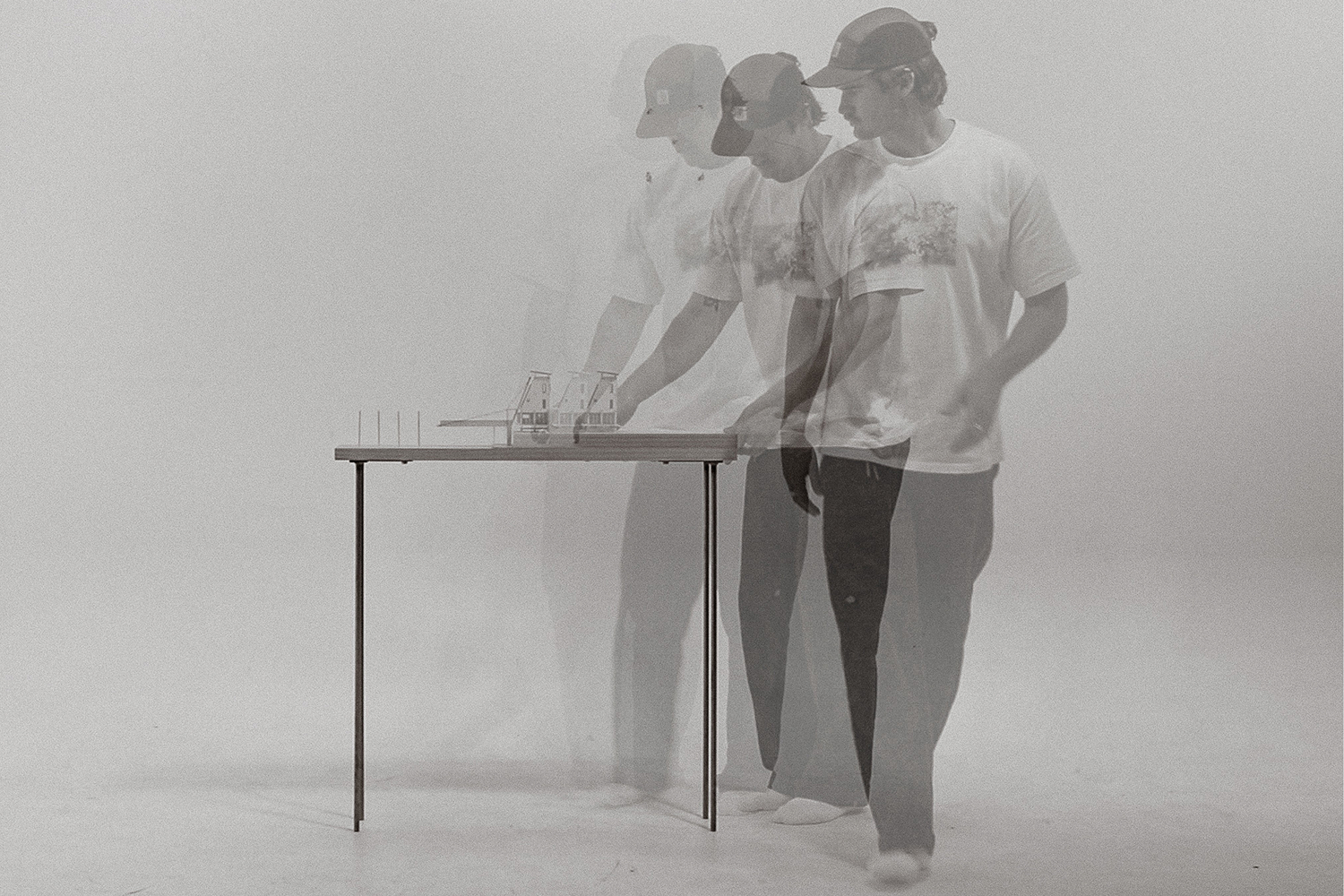
Ask Nathan Yong who or what he most admires and his response is a simple yet thoughtful one. “Courage,” says the Singaporean spatial, furniture and object designer. “I admire people who have the conviction of their own belief and are not afraid to stand by it.”
Although he is too modest to say, it’s a trait he himself possesses and one that has served him well since deciding to study industrial design at Temasek Polytechnic.
Yong was amongst the newly opened institution’s second batch of students, undertaking what was the first product design course in Singapore. Upon graduating in 1991, he was faced with the reality that few industries were engaging product designers in a country not regarded as a manufacturing powerhouse. He knew he had to do something about it and so eight years later at the age of 29, he opened up a shop to sell his own designs.
“During those first 10 years, I subjected myself to mistakes and learnt from them,” Yong reflects. “It provided me with a platform to better craft my skills in design and also in engineering, production, marketing and merchandising. I realised that a successful design needs to be more than just good looking – it needs to have a very good support system in place to make it work and that applies to the business side too.”
Related: Watch Nathan Yong in conversation with INDE.Awards 2022 here
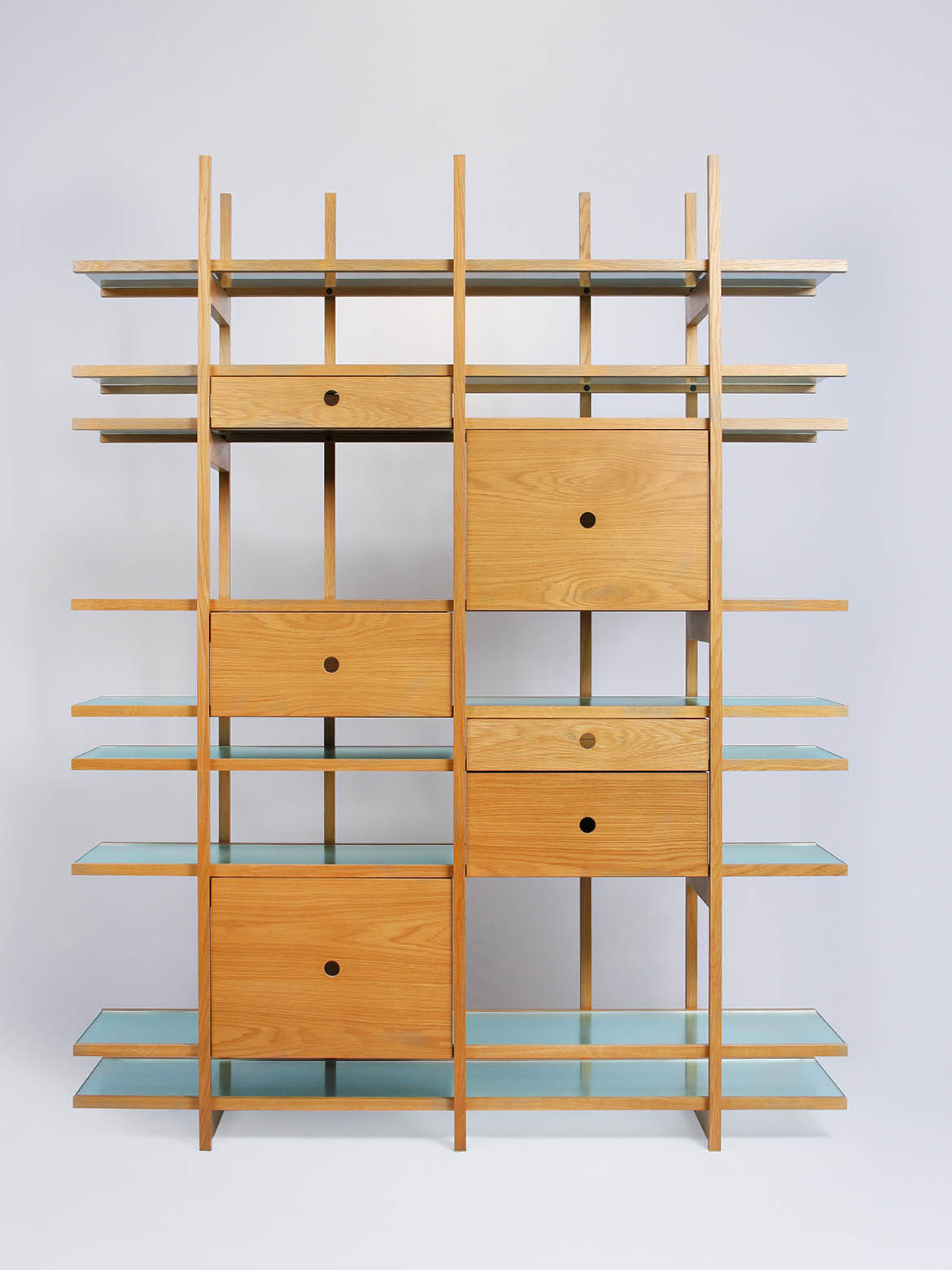
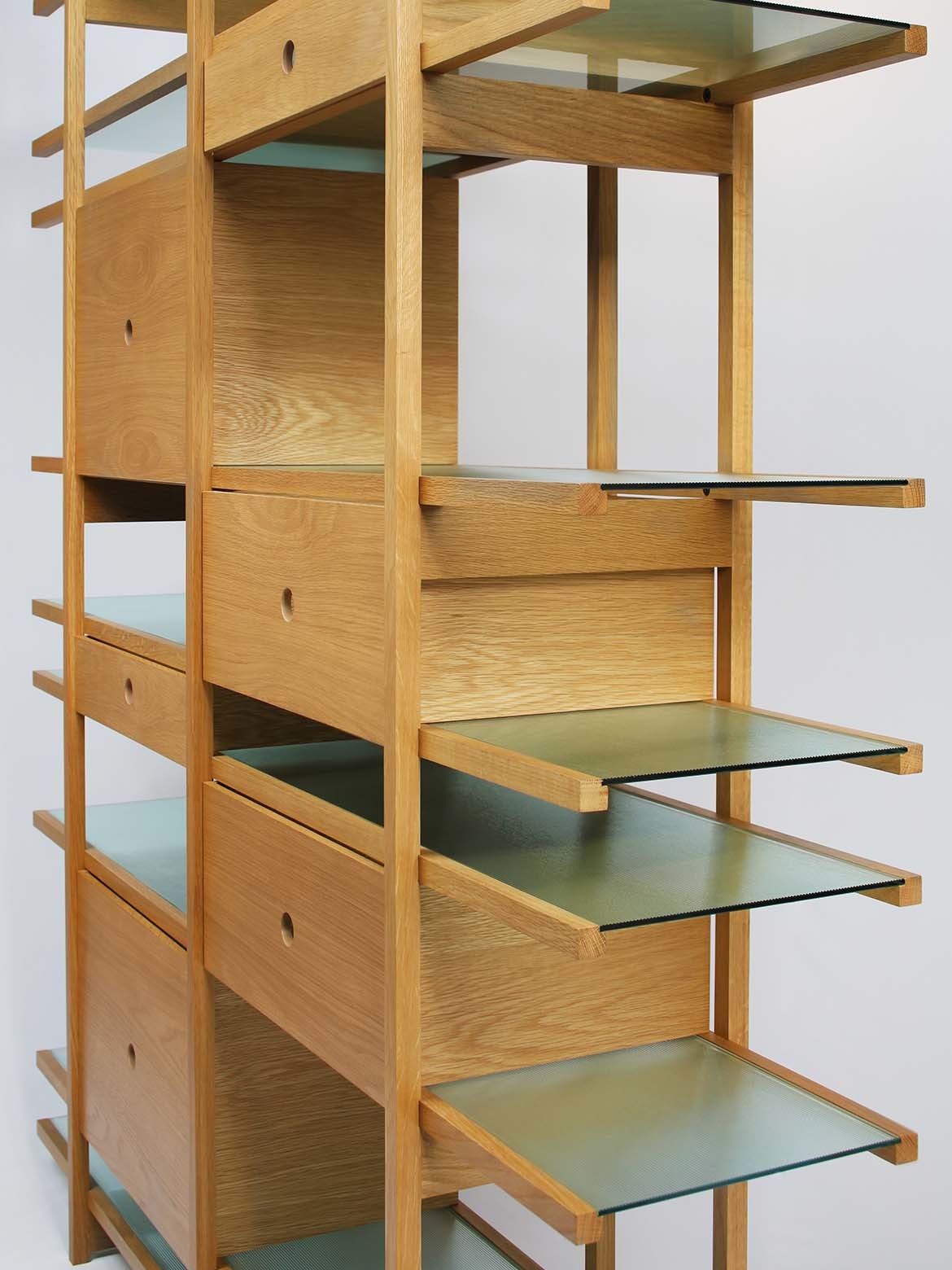
Today, Yong is as widely respected for his astute business sense as he is for his stylish, high-end designs. His retail offering Grafunkt spans an impressive 1255 square metres in Funan Mall and stocks brands from HAY to Louis Poulsen, as well as Yong’s own furniture label Folks.
His design consultancy Nathan Yong Design has worked with such big-name clients as Changi Airport and Royal Selangor. In 2008 he received the prestigious Singapore President’s Design Award: Designer of the Year, following consecutive Red Dot Concept Design Award wins in 2006 as well as 2007.


His background as a buyer has made him understand the importance of quality in production, but Yong doesn’t only perceive design as a commercial tool for business. He views it as something that can educate people about the beauty of the world, all of which underscores his approach.
As Yong explains, “I start by asking why an object is the way it is and whether it was borne out of need or desire. If [it is] need, does it do what it says, and can it be desirable at the same time? So I’m searching for the purest existential question before building it up again with layers of new meaning and knowledge. The most important thing for me is to communicate an authentic aesthetic developed from my own aspirations, perceptions, emotions and logic.”
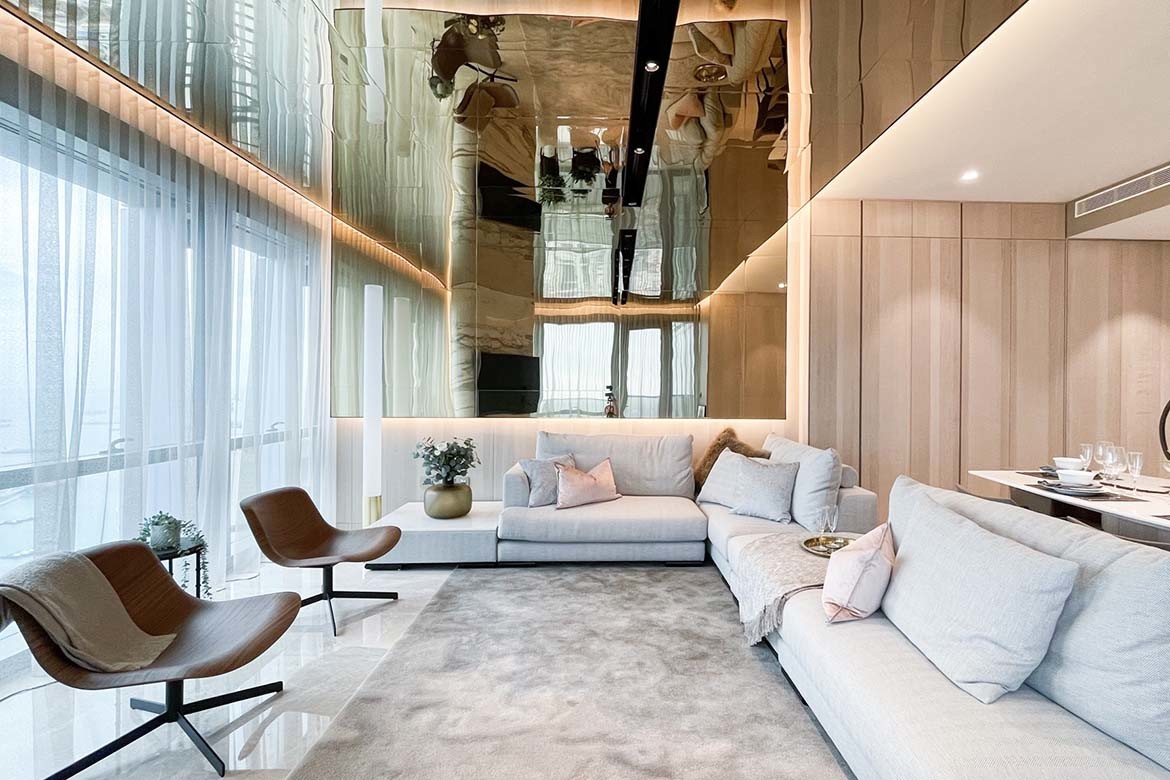
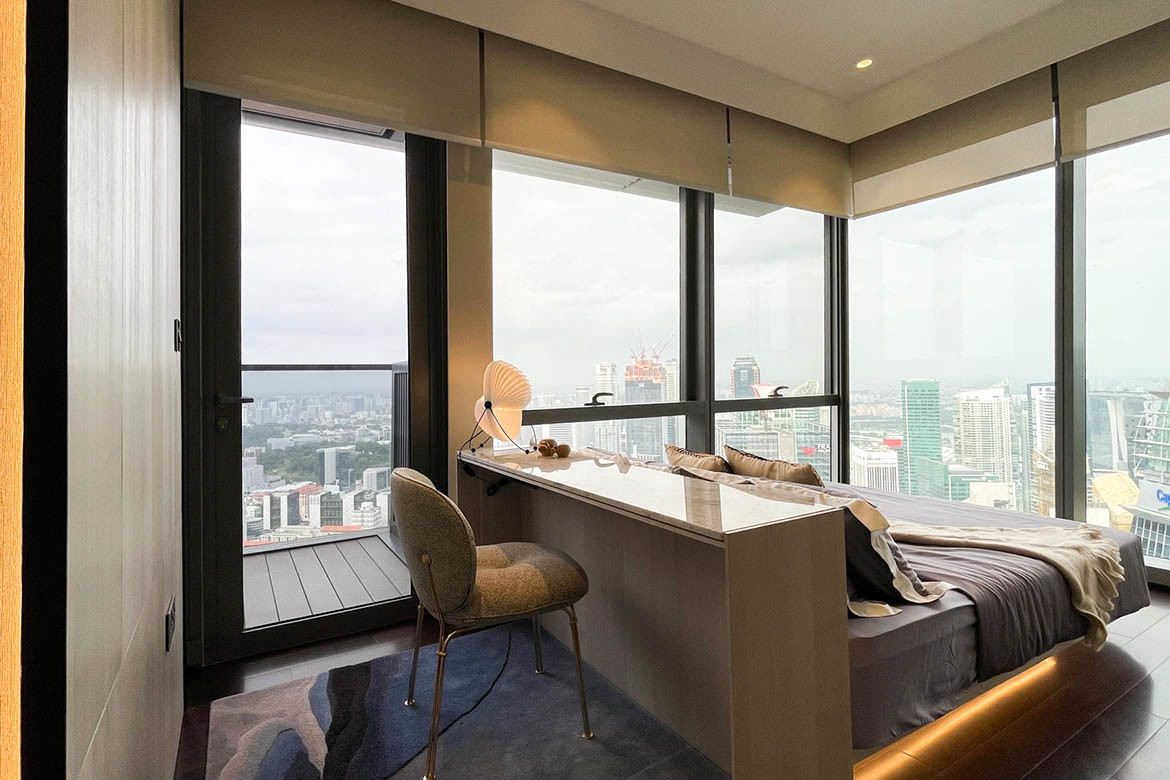
Sophisticated, elegant and thoroughly contemporary are a few words regularly used to describe Yong’s work. His recently completed residential interiors for GuocoLand also possess a bold, luxe quality, due in no small part to a striking palette of heavily patterned marble, rich timber and reflective surfaces.
Yong’s poetic grasp of materiality is evident throughout his portfolio and is perhaps best expressed in The White House exhibition design for the International Furniture Fair 2016.
Instead of using a more traditional material such as plywood, Yong created an immersive space by suspending thousands of crisp white paper receipts of different lengths. The effect is otherworldly while providing a neutral framework for seminars, showcases and a café.
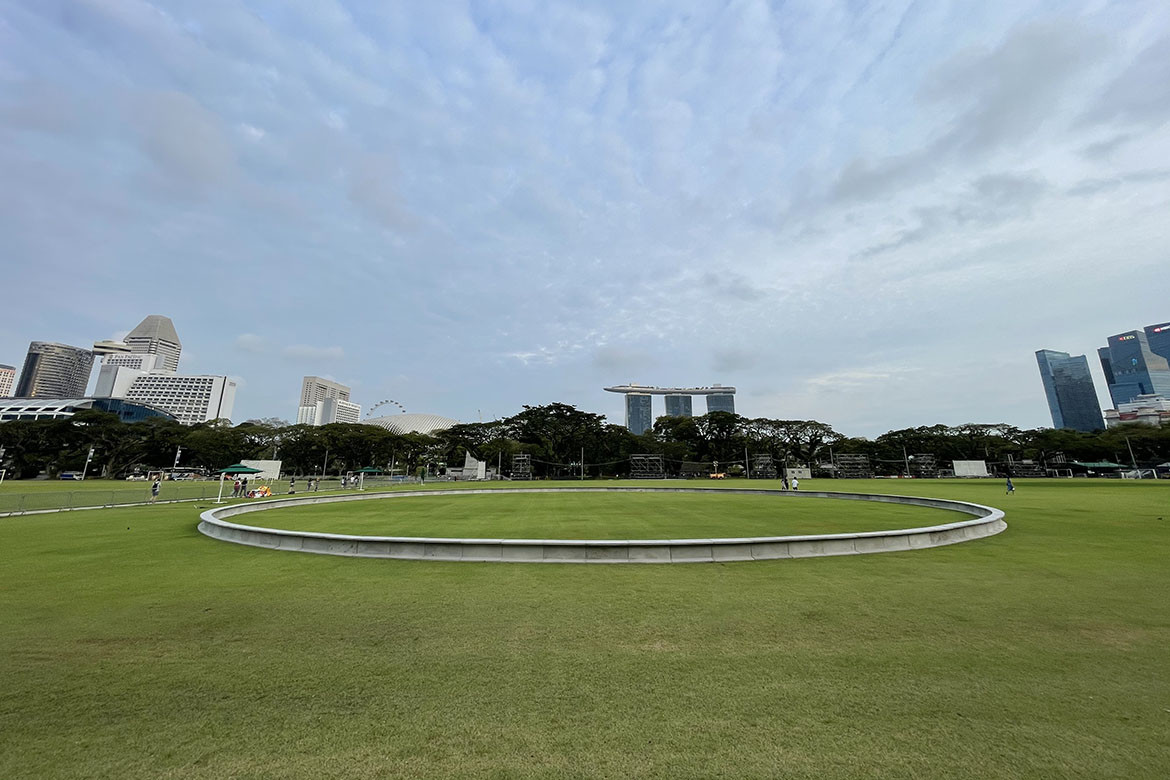
Like The White House, Yong’s first public sculpture There in the Middleness made clever use of affordable material. The temporary installation comprised 124 cast curved concrete benches that formed a 40-metre ring within The Padang (they were separated at the end of the exhibition and distributed in different places as public seating).
Its Brutalist appearance was softened by a sense of quiet reflection, reinforced by the imprint of a single word atop each bench. This work in particular spans the divide between visual art and design, highlighting the diversity of Yong’s practice.

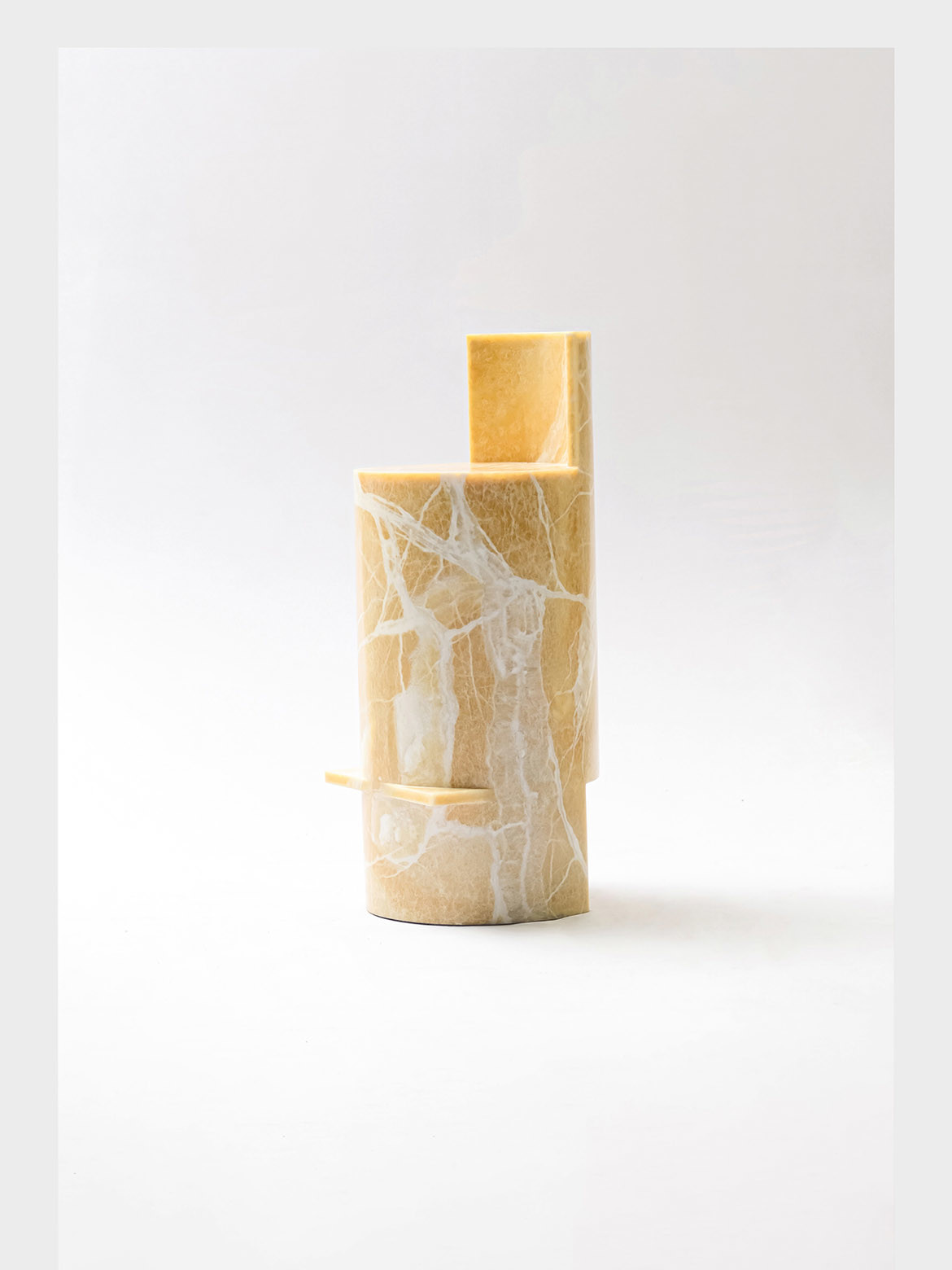
His seven-piece Farewell to Reason collection is also part design object and part artwork, with a pastel palette and sensual forms that make it incredibly alluring. It serves as the perfect contrast to Yong’s furniture pieces, many of which exude a mid-century modern sensibility.
The Verona desk and console’s strong lines and angles are especially evocative of a Mad Men era, as are some pieces from the Folks 3.0 Collection, which is both fresh and timeless in its simplicity and restraint.
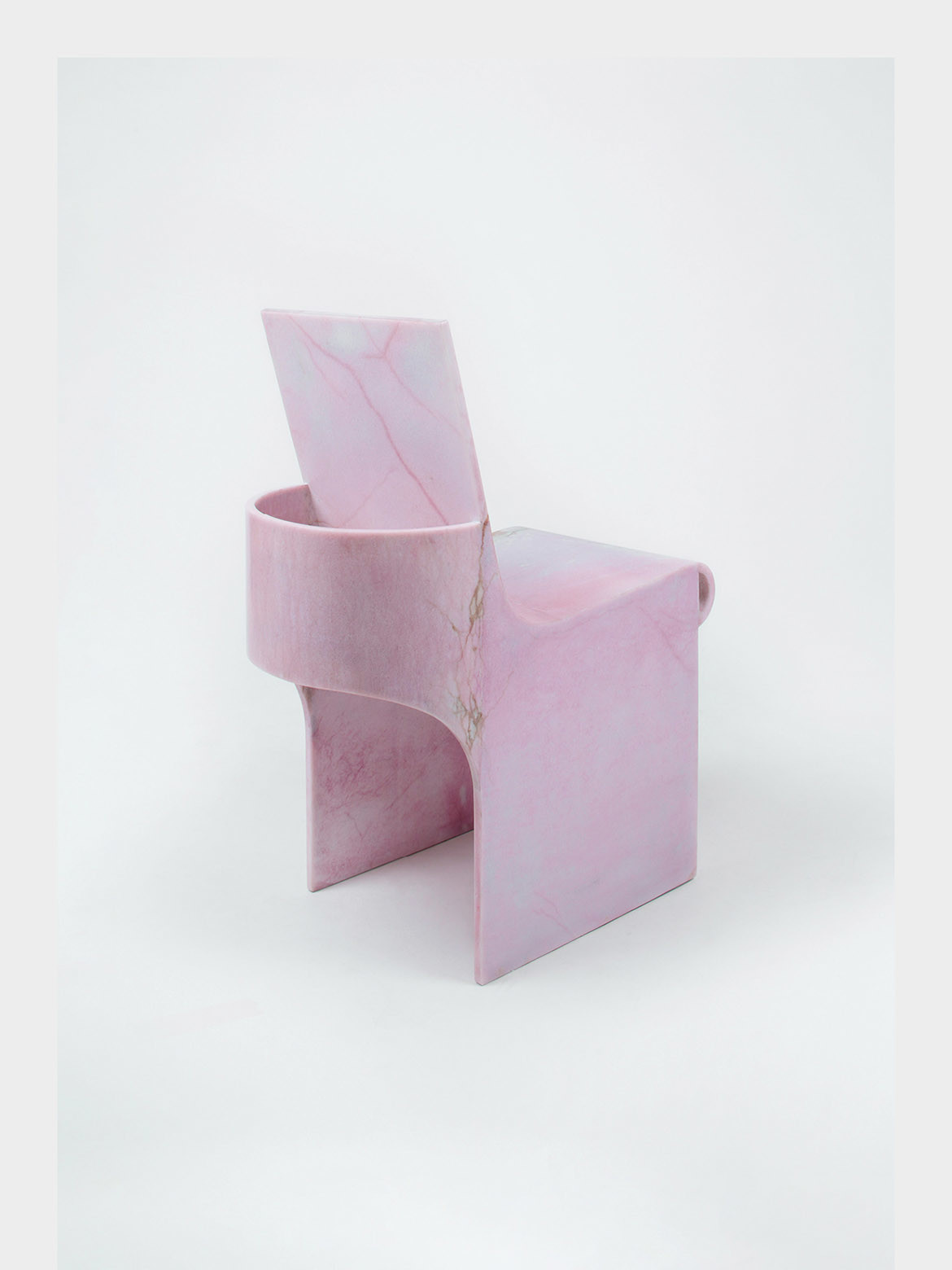
Yong’s innovative and entrepreneurial spirit pervades all he does and he’s dedicated to doing and trying more. “I enjoy the freedom of exploration – to be able to navigate, anticipate and speculate and propose different possibilities,” he says.
“It is a very uplifting process that liberates my own limited reality.” Yong is also quick to acknowledge the importance of others and their contribution to his practice. And in fact, what he likes most about the business side of design is the people he meets. “Those who share the same values and who are completely honest with their points of view interest me,” he notes.
While winning the Singapore President’s Design Award has been a milestone, as has launching designs with Ligne Roset for the European market and designing for Herman Miller through Design Within Reach, Yong’s greatest achievement to date resonates at a much more humanistic level.
“I hope that being one of the early few South-East Asian designers to break into the international design scene inspires other Asian designers to do the same; to be courageous and confident and give it a go,” Yong says. Certainly, he has been a trailblazer for the past 30 years and will remain an inspiration and role model for next generations of designers to come.
Nathan Yong
nathanyongdesign.com
grafunkt.com