The home of architecture and design in the Asia-Pacific
Get the latest design news direct to your inbox!

Get the latest design news direct to your inbox!
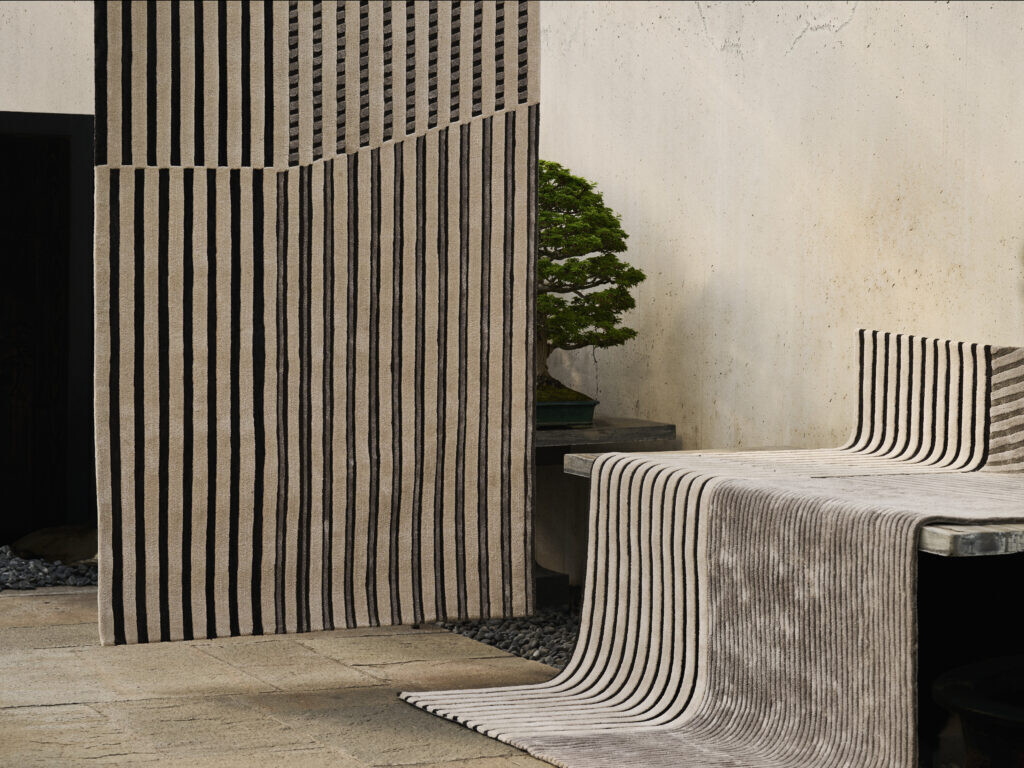
Kengo Kuma, founder of Kengo Kuma & Associates and Pritzker Prize-winning architect, talks us through his collaboration with Jaipur Rugs that culminated with a showing at Milan Design Week 2026.

July 14th, 2026
How did the collaboration with Jaipur Rugs come about?
Kengo Kuma: My first introduction to Jaipur Rugs was in the summer of 2024, when I met Greg, the Artistic Director, in Delhi. At the time, I did not expect this encounter to develop into a long collaboration, but after nearly two years, we are now approaching the product launch. Working with artisans always brings new discoveries, and Jaipur Rugs was particularly memorable. To achieve the subtle variations of colour and tone we envisioned, they continuously refined numerous samples. The process felt less like production and more like an ongoing dialogue.
Translating architectural ideas into textile is both technically and sensorially different, yet they responded with remarkable flexibility, interpreting these ideas with great sensitivity and craftsmanship.
How did you select the four architectural projects as the inspiration behind the rugs? Why were they suited to this project?
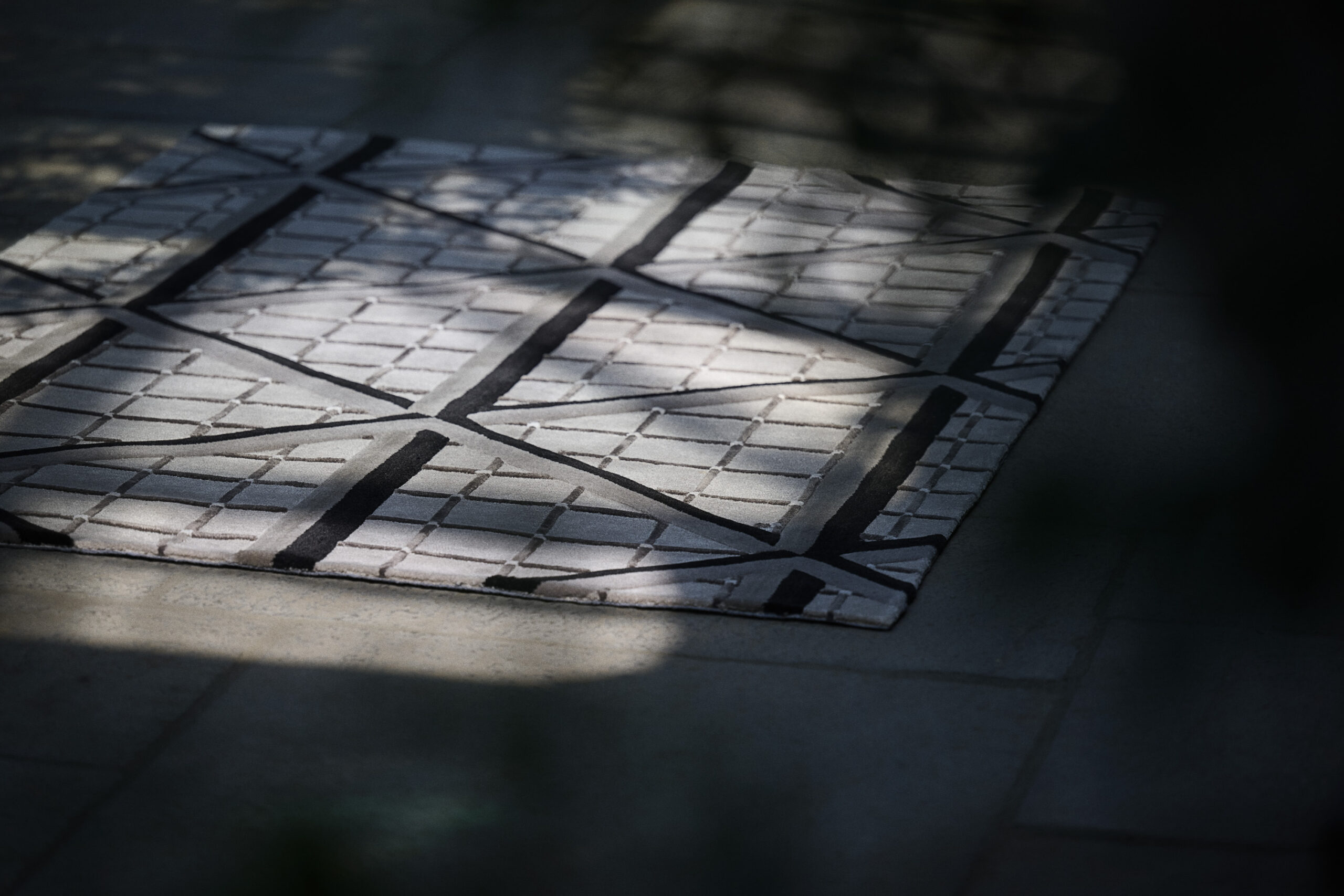
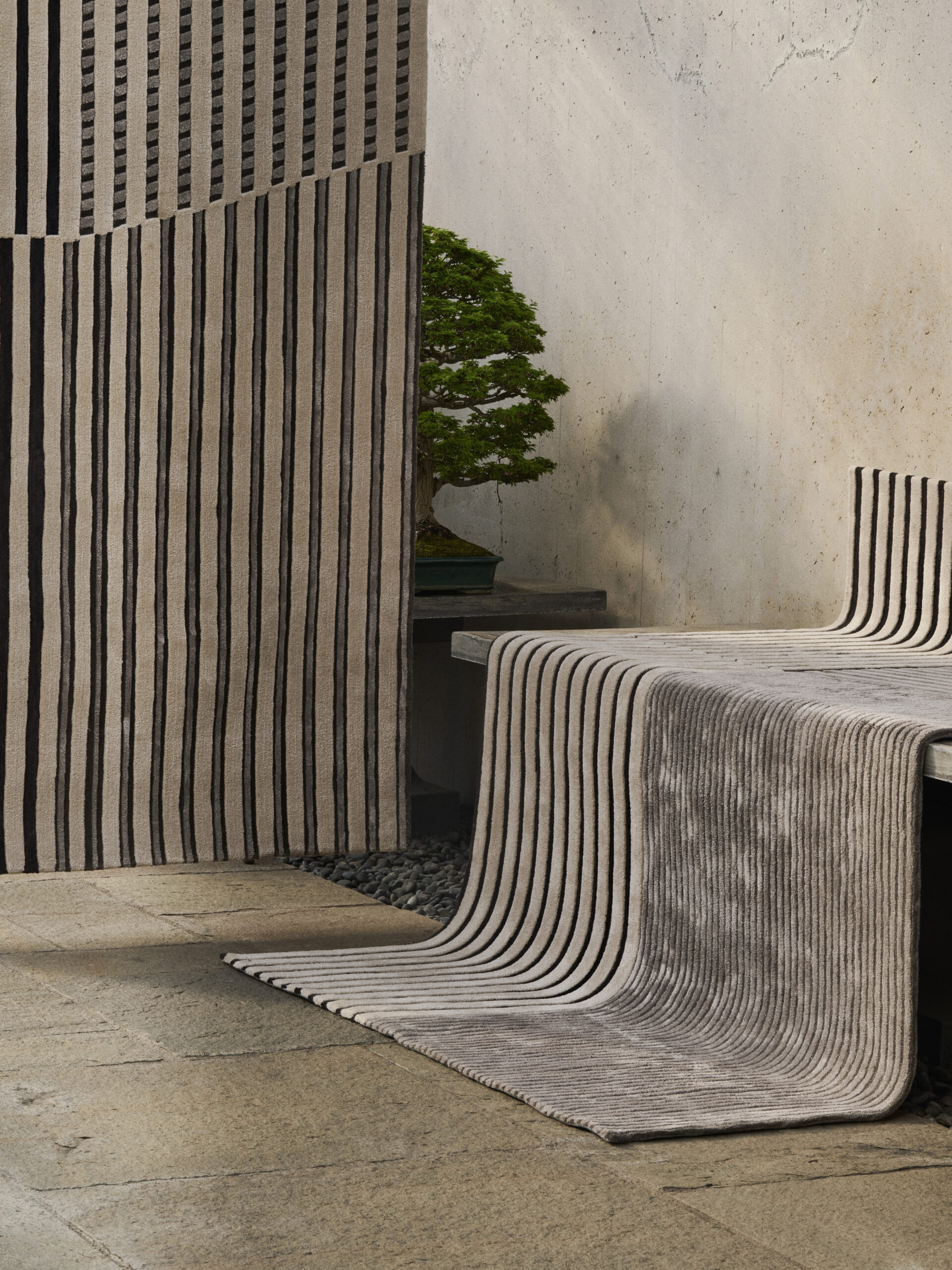
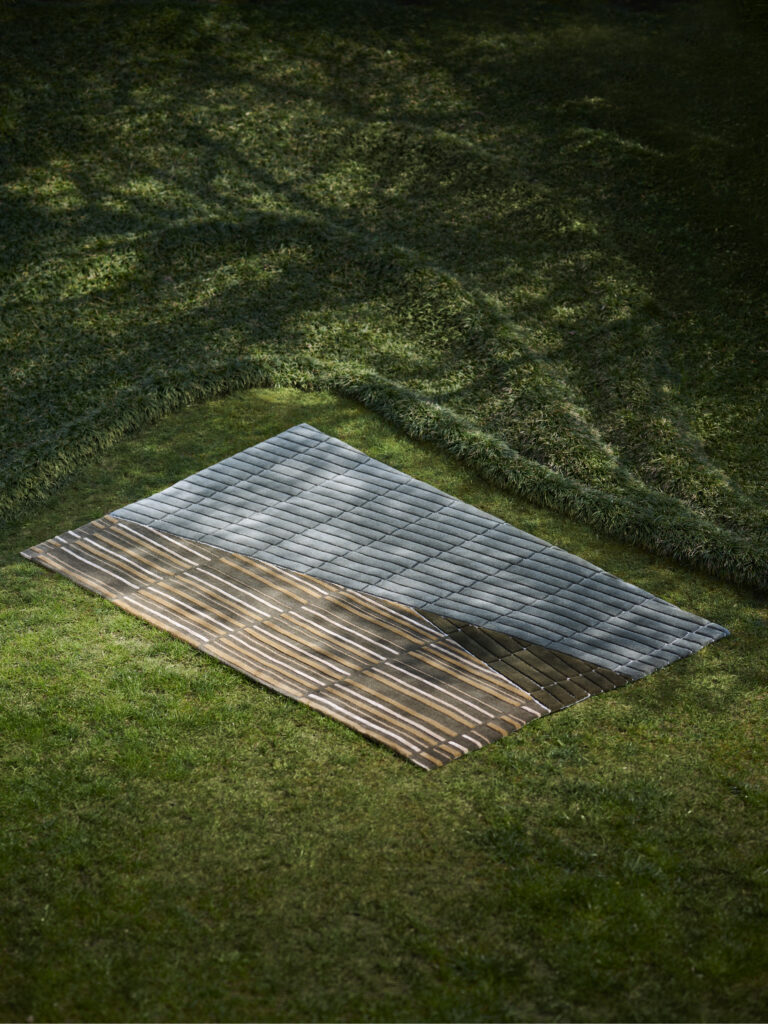
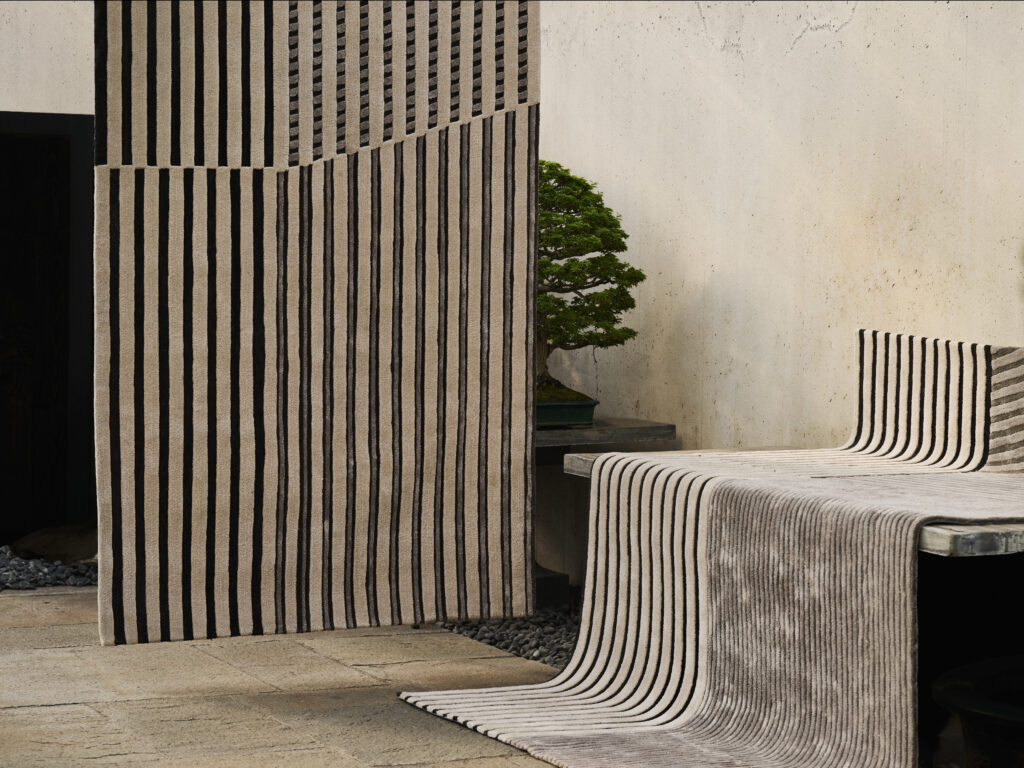
One of the important characteristics of Kengo Kuma & Associates’ design is the reinterpretation of Japan’s excellent traditional techniques in architecture. The four titles given to the rugs are words that represent these traditional techniques and are well reflected in these four projects. The concepts of SUKIMA and BOKASHI, for example, both originate from spatial qualities observed in the Suntory Museum of Art in Tokyo.
Could you please talk to us through the subtle colour palette of the collection.
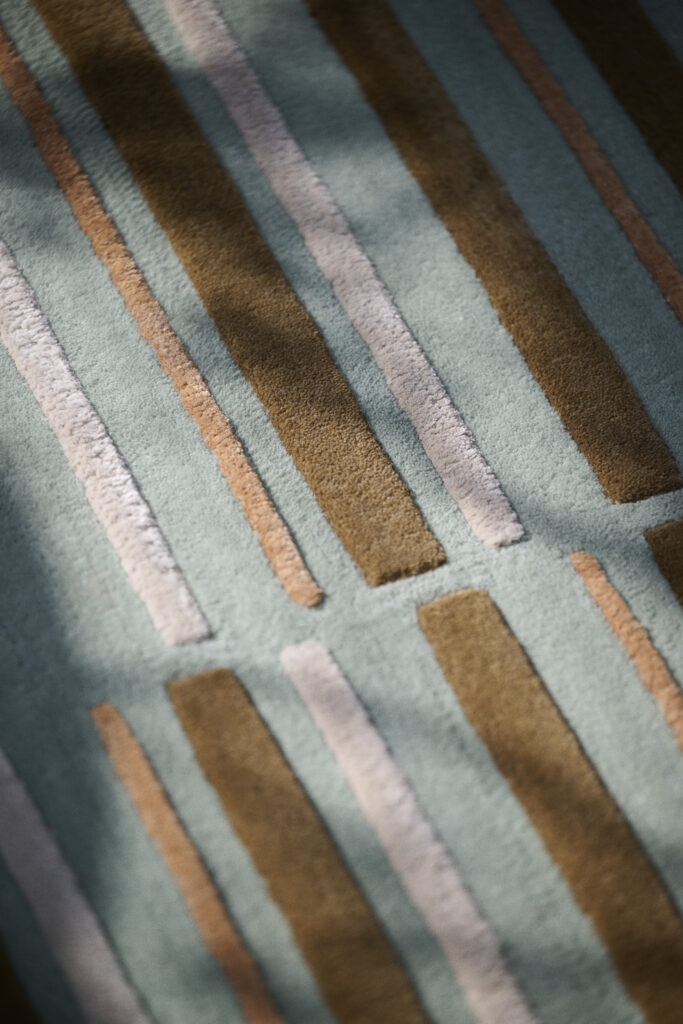
As rugs are objects that come into direct contact with the human body, we sought to use colours that are as close to nature as possible. At the same time, within each rug, we carefully adjusted the tones so that contrasts would not feel too pronounced. Rather than creating strong visual differences, we aimed for a more subtle harmony, allowing the colours to gently coexist within a quiet and unified atmosphere.
Renowned for fostering new connections between nature, technology and human experience, your architecture is known for blurring the boundaries between structure and environment; how has this philosophy been translated to the Jaipur Rugs collection?
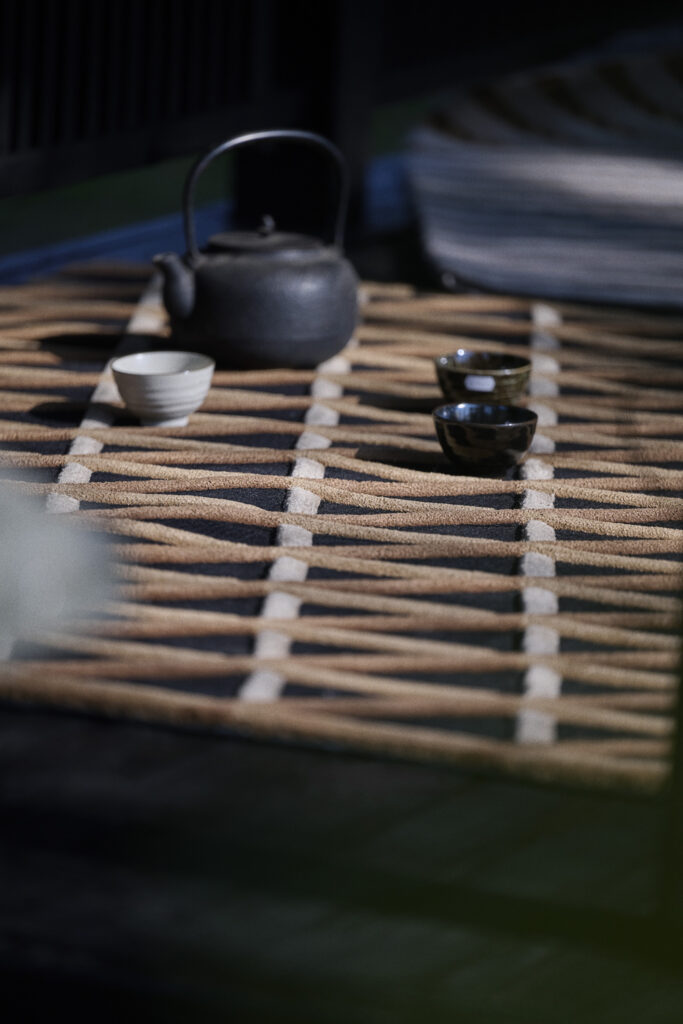
The intention was to soften the boundary between object and environment, allowing them to exist in continuity rather than as separate elements. In this collection, the rugs are not conceived as isolated pieces, but as elements that gently connect the human body with the surrounding space. Through subtle gradations, natural tones and softened edges, they become part of the atmosphere rather than standing apart from it.
It has been said that what emerges from the collection isn’t a literal translation of the buildings behind the inspiration, but a tactile memory of architecture. Can you say more about this?
Rather than translating the façades directly, we were more interested in capturing the sensory memory of architecture.
What remains in our memory is not the exact form or geometry, but the atmosphere it creates — the way light touches a surface, the depth of layers and the subtle textures that we perceive almost unconsciously. In this sense, the rugs are not representations of buildings, but traces of these experiences.
Through material, texture and soft transitions, we attempted to reinterpret those memories in a tactile form. It is less about visual reproduction and more about evoking a feeling that can be sensed through the body.
Related: Kengo Kuma joins the podcast
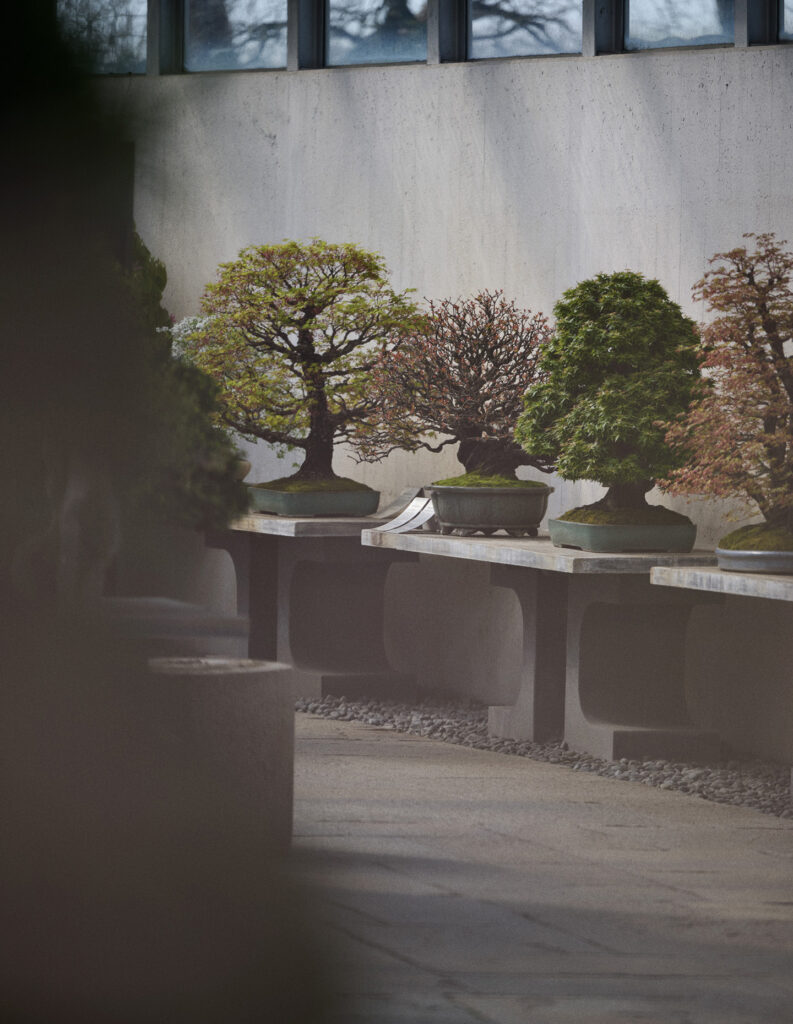
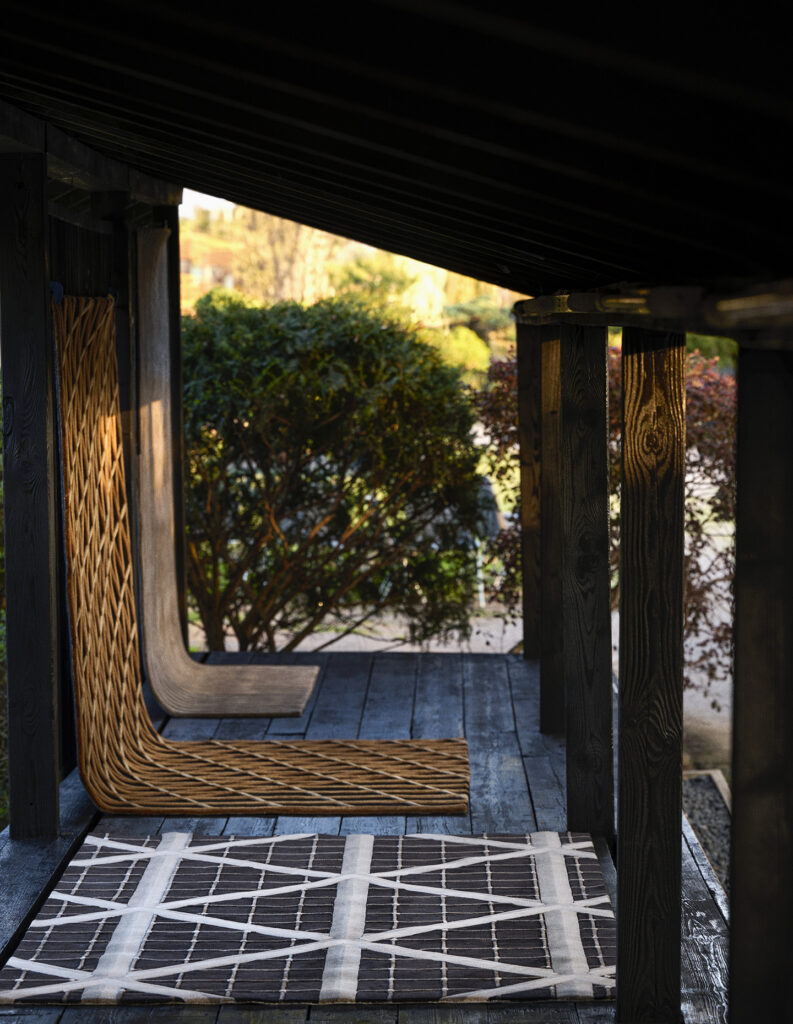
Your carpets have been exhibited at the Crespi Bonsai Museum, a very special place that holds the most important collection of bonsai trees outside of Japan. How do Japanese gardens inspire your work?
In Japan, both architecture and humans are considered subordinate to the garden, and there is a deeply ingrained perception that the garden holds a superior position. The idea is that humans should be humble in relation to nature, and I am greatly influenced by this in my design.
You have been investigating Indian craftsmanship. Aside from carpets, what other crafts have you discovered on your trips to India?
Whenever I visit India, I always feel that textiles are at the heart of Indian culture and have developed over time. Textiles, protecting the human body from harsh environments and serving as a mediating material, form the foundation of Indian life and culture. Working with Jaipur was an important opportunity for us to consider how Indian textiles can be combined with Japanese traditions.
What about Jaipur Rugs’ involvement artisan communities and the social impact of craftsmanship, from Tokyo to rural India and now Milan?
In collaboration with Jaipur Rugs, I was impressed by the strength of the impact that the artisan community has on society. In Japan, we tend to focus solely on preserving craftsmanship. Kengo Kuma & Associates considers not only the skills but also the regeneration and further development of the artisan community as important work of an architect, so the project was very inspirational in that regard.
Kengo Kuma & Associates
kkaa.co.jp
Jaipur Rugs
jaipurrugs.com
INDESIGN is on instagram
Follow @indesignlive
A searchable and comprehensive guide for specifying leading products and their suppliers
Keep up to date with the latest and greatest from our industry BFF's!
The internet never sleeps! Here's the stuff you might have missed