The home of architecture and design in the Asia-Pacific
Get the latest design news direct to your inbox!

Get the latest design news direct to your inbox!
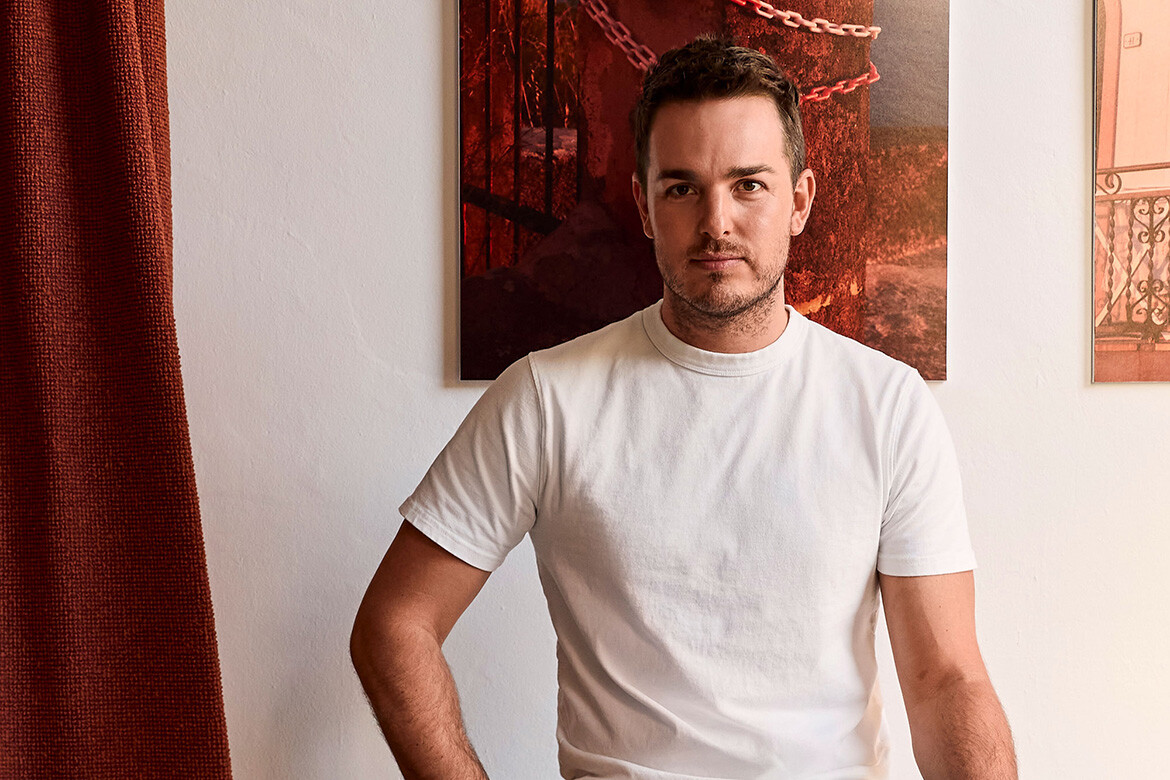
From furniture and homewares to lighting, Dirk du Toit’s Melbourne-based studio Dutoit is built on local manufacturing, material restraint and the belief that longevity is central to sustainable design.

December 18th, 2025
As a multidisciplinary design studio, Dutoit produces objects spanning furniture, homewares and lighting. Each product is designed and manufactured locally in Australia, underpinned by a commitment to longevity — design intended to endure, be lived with and, ideally, passed on.
Founder Dirk du Toit came to product design later than many. After initially training as a chef and then pursuing photography, he found that while neither path fully suited him, both instilled an appreciation for process, development and creative discipline. It was after emigrating from South Africa to Australia at the age of 22 that his interest in making objects began to take shape.
Based in Brisbane, du Toit studied Industrial Design at Queensland University of Technology before transferring to Swinburne University in Melbourne, where he completed his degree. Following graduation, he joined the studio of Alexander Lotersztain at Derlot, an opportunity that allowed him to refine his design approach and develop a practical understanding of manufacturing processes.
After almost three years at Derlot, du Toit returned to Melbourne and took on a role at Stylecraft, working with Tony Russell as product coordinator and developer. While not directly designing, the position provided valuable insight into product development, distribution and the commercial realities of design — experience that would later inform his own practice.
Related: Boronia Apartments delivers affordable housing in Waterloo by TURNER

He later joined Country Road as a senior designer in homewares, working across textiles, ceramics and timber accessories. After a year, du Toit took a brief pause before enrolling in a Master of Architecture at the University of Melbourne. Midway through the degree and during the pandemic, he established his own product studio, ultimately completing the course while returning to his original passion for product design.
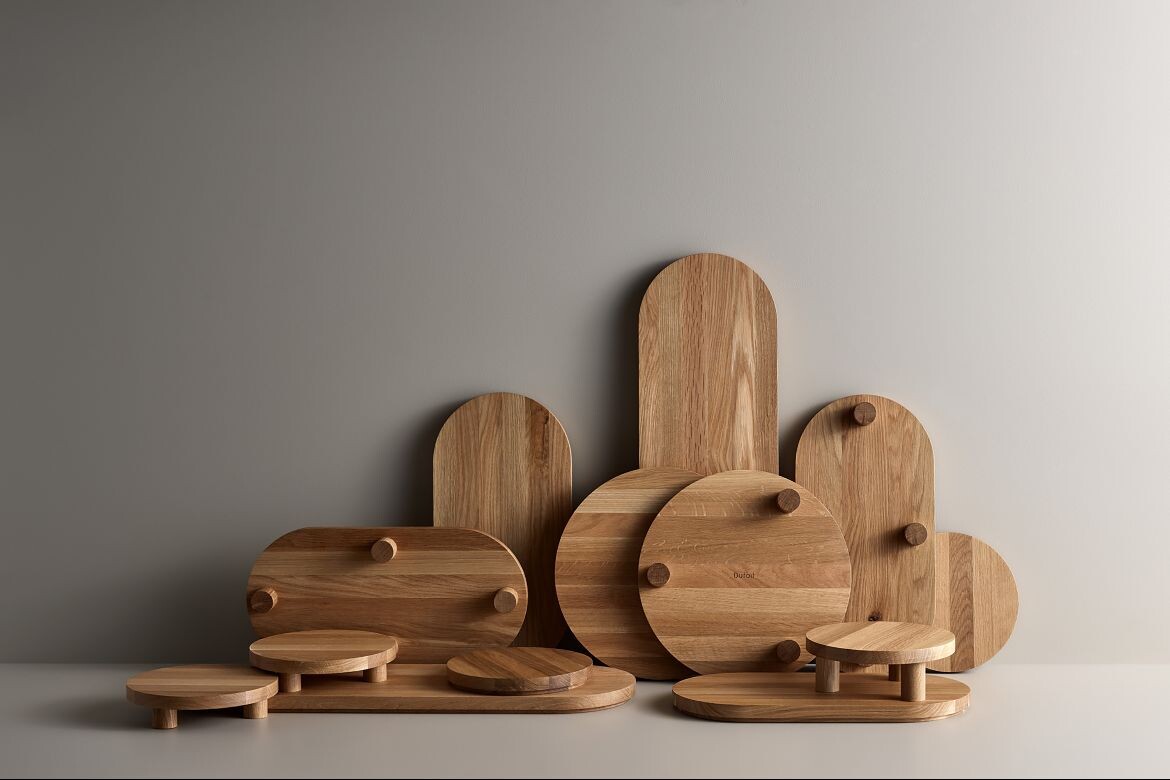
Dutoit’s first collection, TIER — a series of boards, platters and stands — marked the studio’s official launch. To introduce the range, du Toit opened a pop-up store in South Yarra, initially intended as a short-term experiment but ultimately running for 10 months. The success of the space helped establish the brand’s early momentum.
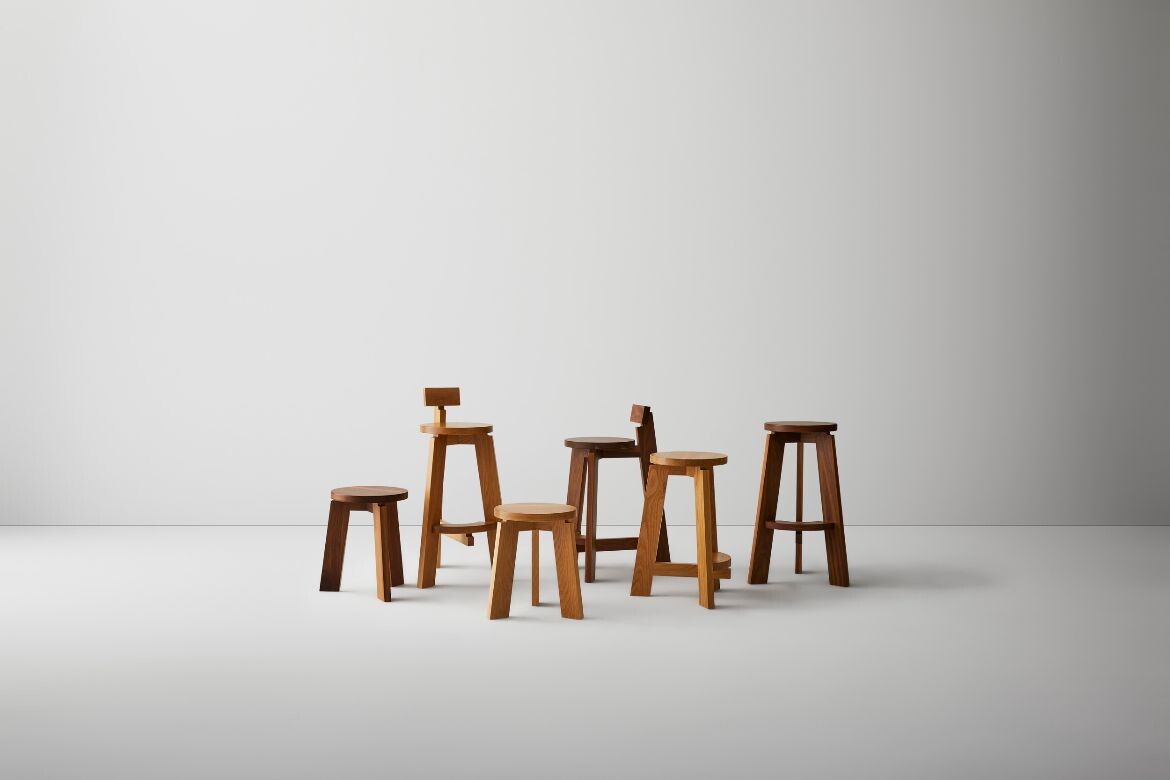
Subsequent collections followed, including BUOY, a range of timber stools and TUIN, an outdoor furniture series. Each collection is conceived as a family of objects, designed to function independently while sharing a consistent design language.
For du Toit, sustainability, that is designing and manufacturing locally, carefully choosing materials and creating for the long term, is his top priority. Across eight collections to date, du Toit explores restrained forms, proportion and balance, guided by the principle that every object must serve a clear purpose.
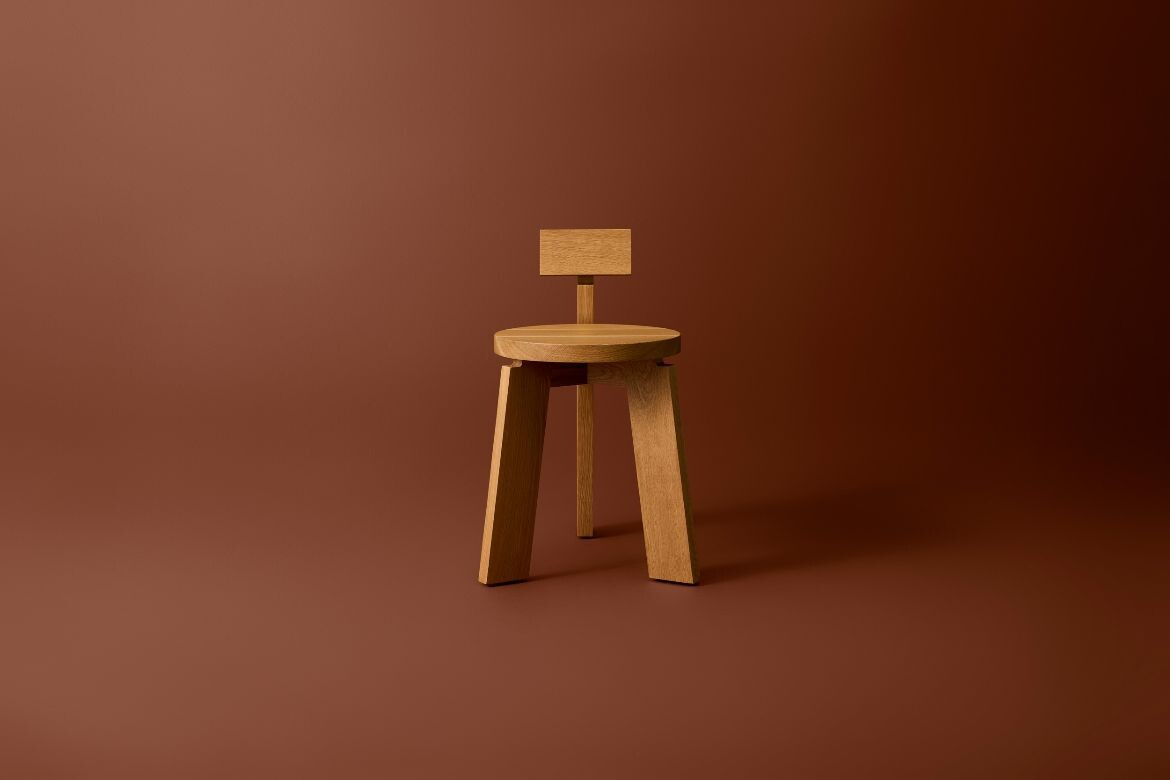
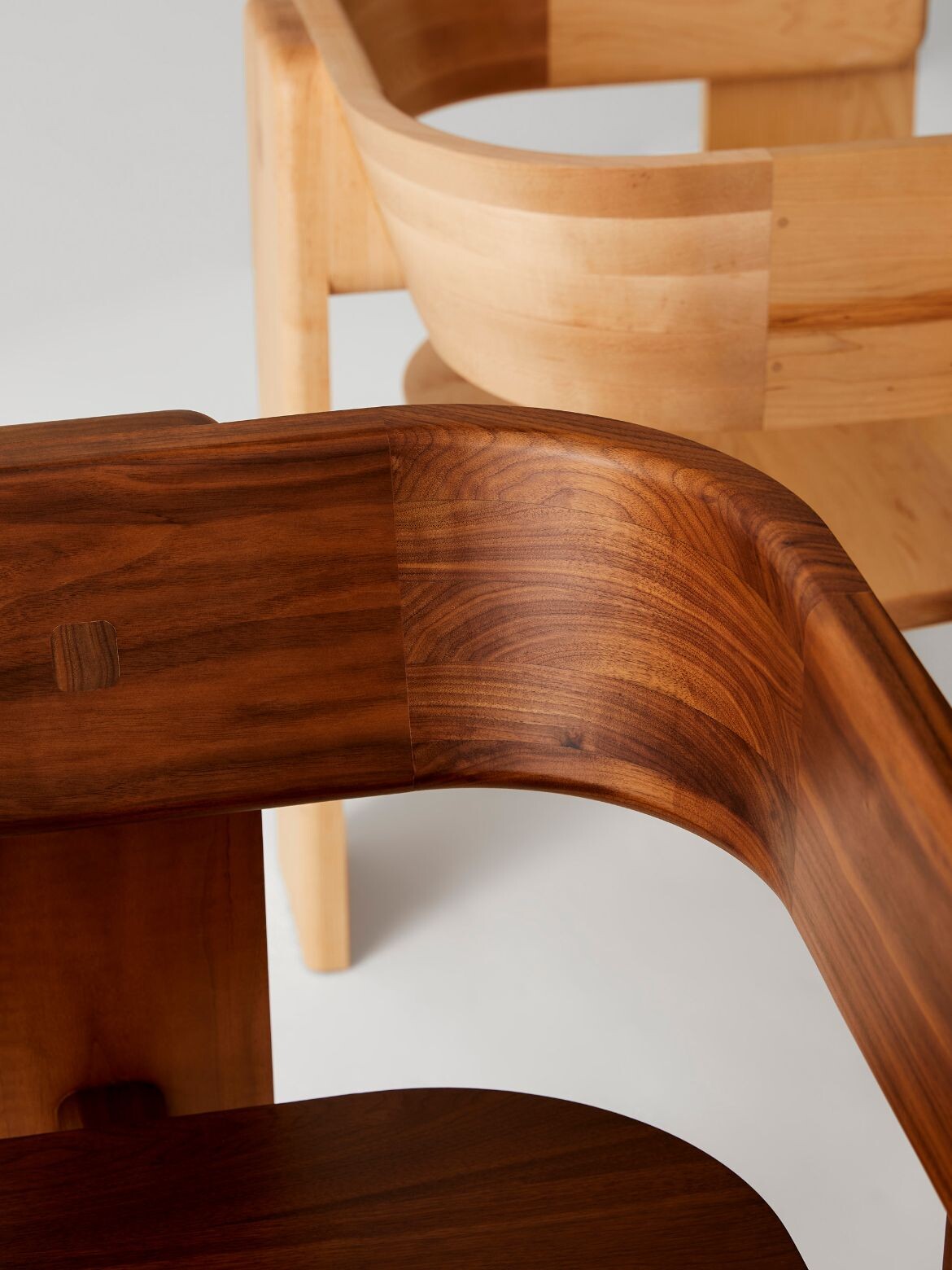
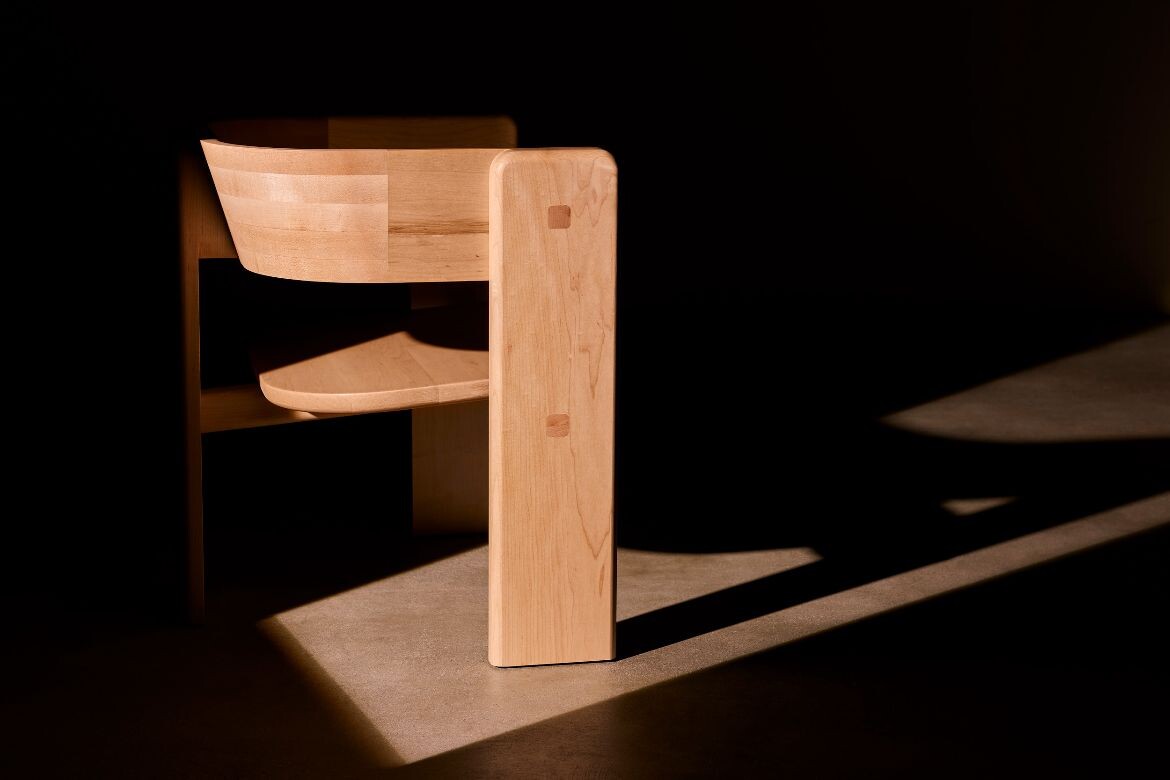
A standout example of these principles is the ELLE armchair, an opportunity to design something more sculptural and showcase local manufacturing capabilities. Conceived as a future heirloom, it reflects du Toit’s belief that longevity itself is a form of sustainability.
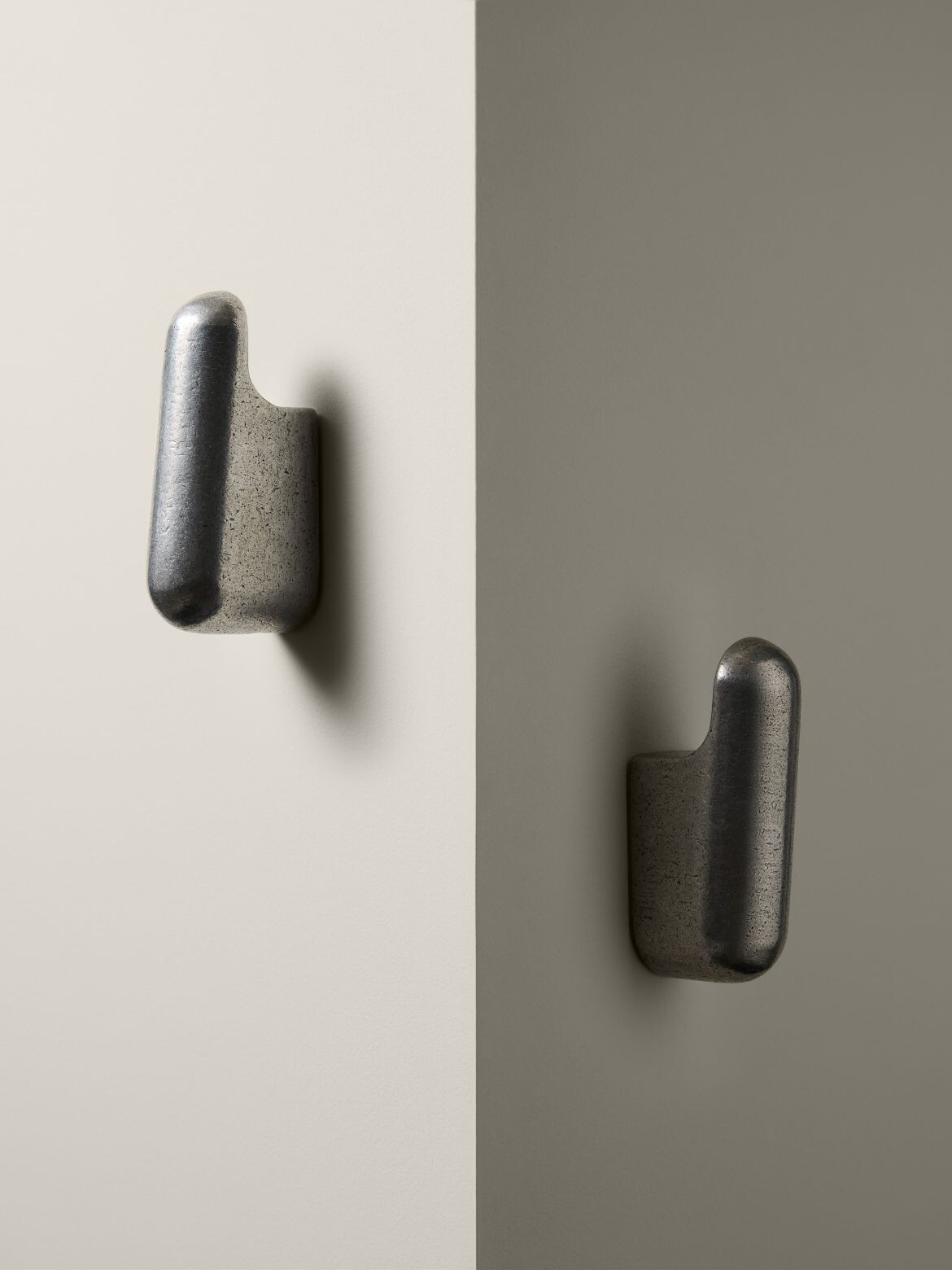
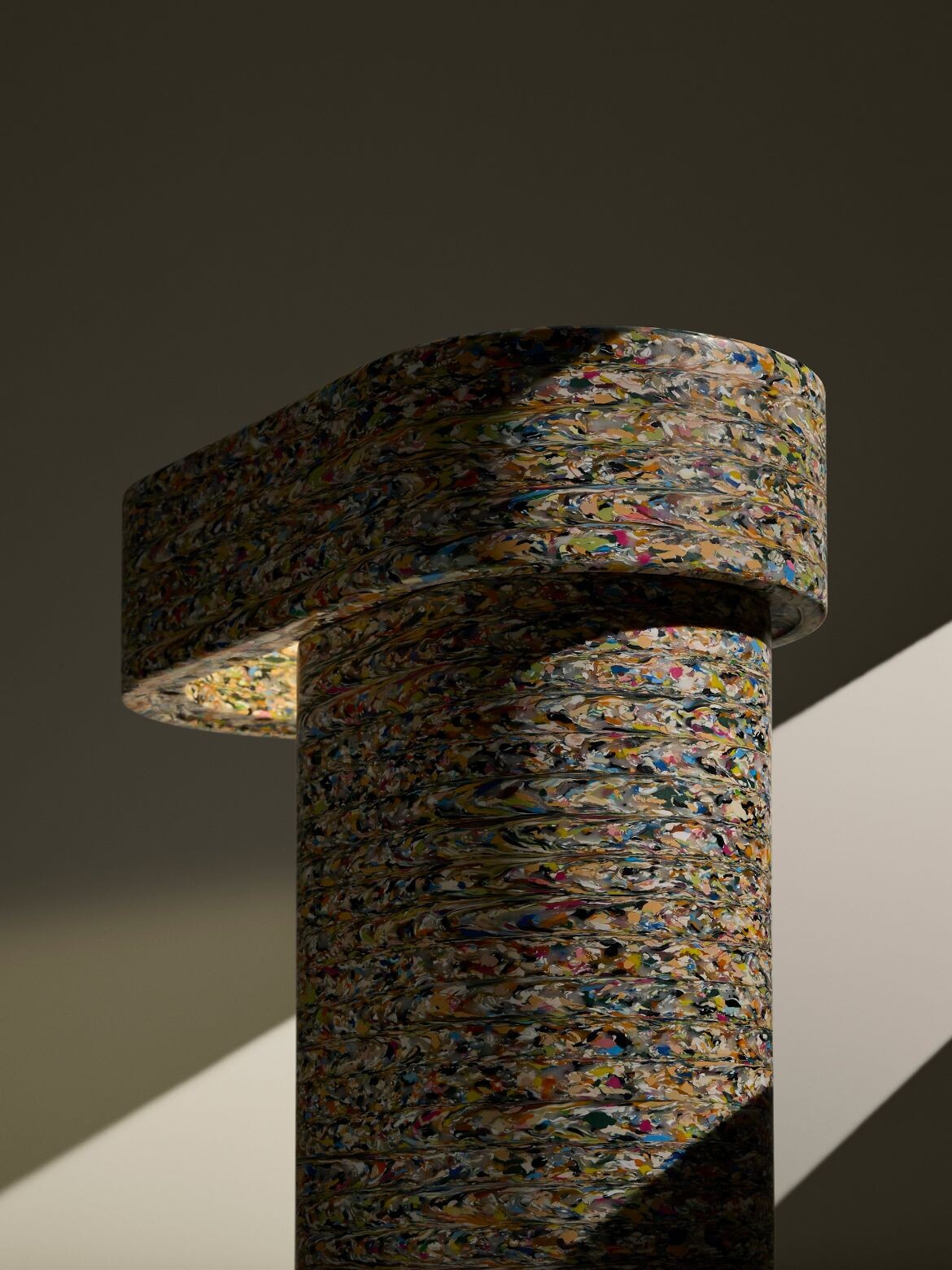
Lighting has also become an important part of the studio’s output. MASS, a table lamp originally produced in timber, was conceived as a sculptural object emitting ambient light. Seeking to extend the concept, du Toit collaborated with Defy Design to produce the lamp in recycled plastic, elevating the material through considered form and finish. Each piece remains unique, shaped by variations in the recycled material.
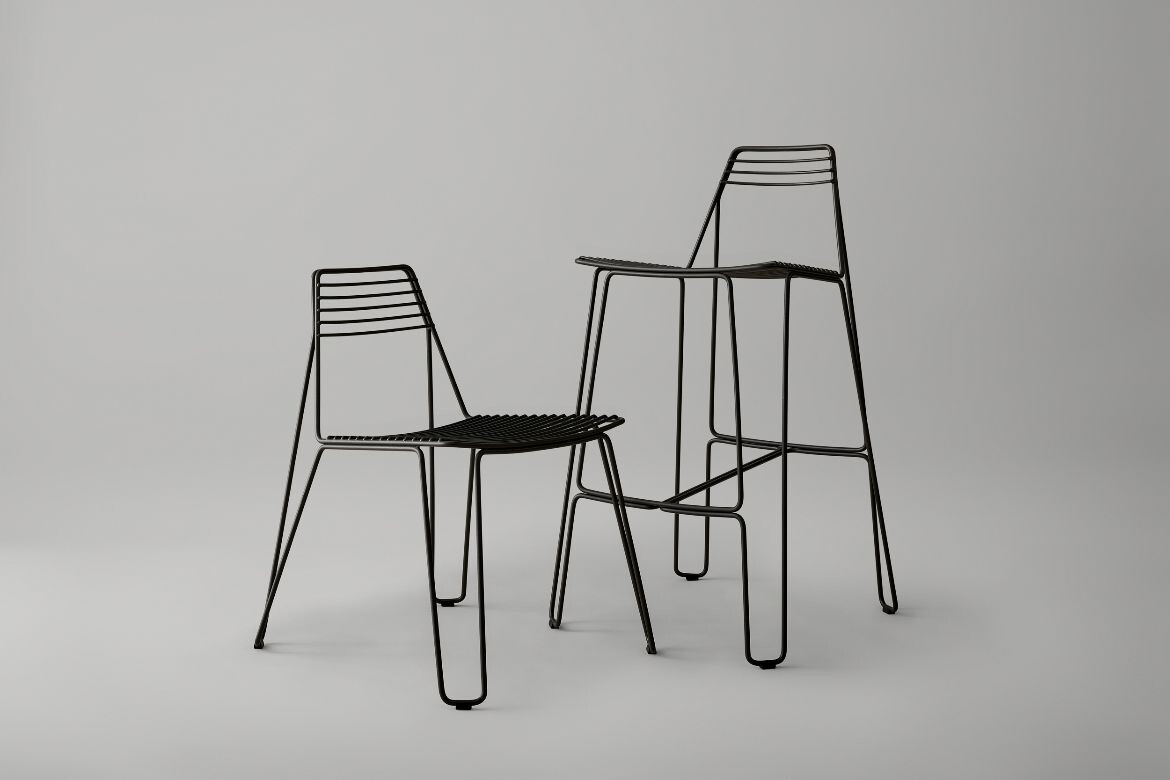
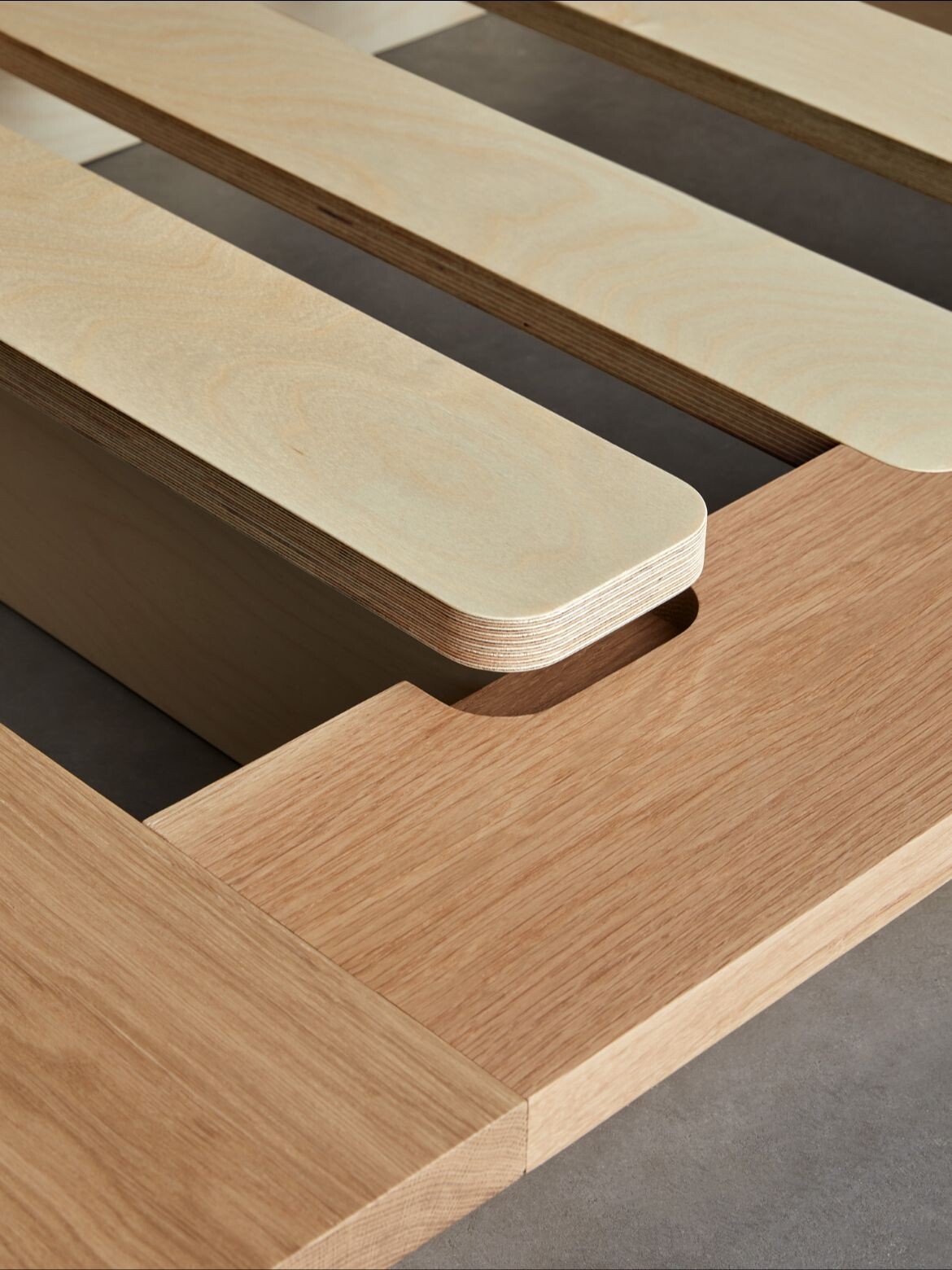
Most recently, the JOIN collection — a family of compact solid timber chairs and stools — was introduced, designed with apartments and cafés in mind.
With three Good Design Awards to his name, du Toit continues to build the studio’s presence. While the practice operates online and through distributors in Queensland and the ACT, establishing a permanent physical space remains a future ambition. Certainly, next on the agenda is to find that ideal space and establish a physical presence where people can visit, touch and see the products and understand the narrative behind each collection.
In a market saturated with objects, Dutoit’s work stands apart through restraint, material honesty and an insistence on making products not just for today, but for long-term use.
Dutoit
dutoit.studio
Photography
Adrian Grasso (TUIN, BUOY, ELLE, CUSP, MASS)
Hayden Cattach (TIER, FORM)




INDESIGN is on instagram
Follow @indesignlive
A searchable and comprehensive guide for specifying leading products and their suppliers
Keep up to date with the latest and greatest from our industry BFF's!
The internet never sleeps! Here's the stuff you might have missed