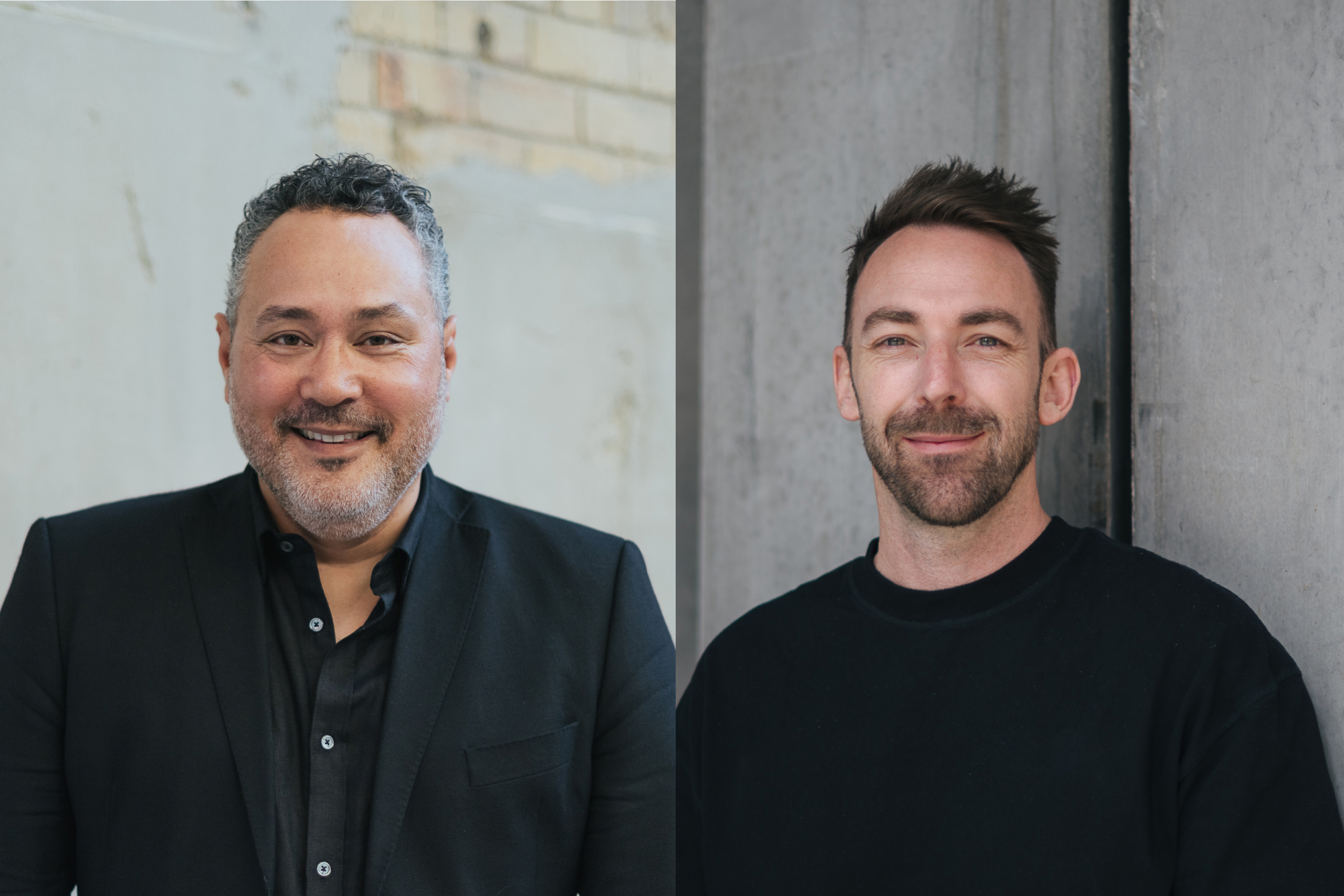
Beginning an interior design studio out of her bedroom nine years ago, Hot Black founder Sophie Safrin’s objective was to challenge and blur the lines of workplace design. A sector that, at the time, was in the infancy of its agile future.
The studio’s first major milestone project was won against the incumbent for Cancer Council Victoria. “That was a testament to our studio and the approach that we have,” says Safrin. “I guess the thinking was that we were a small team, we were hungry for the work; it wasn’t deemed to be another project that was going to run through the mill for some of the larger organisations.”
It’s clear that Safrin doesn’t believe there is a ‘one size fits all’ solution. With the tagline ‘different as usual’, Hot Black challenges the brief by understanding the user profile. Plus: “We’ve always taken the approach to be really personable in our offer,” she says.
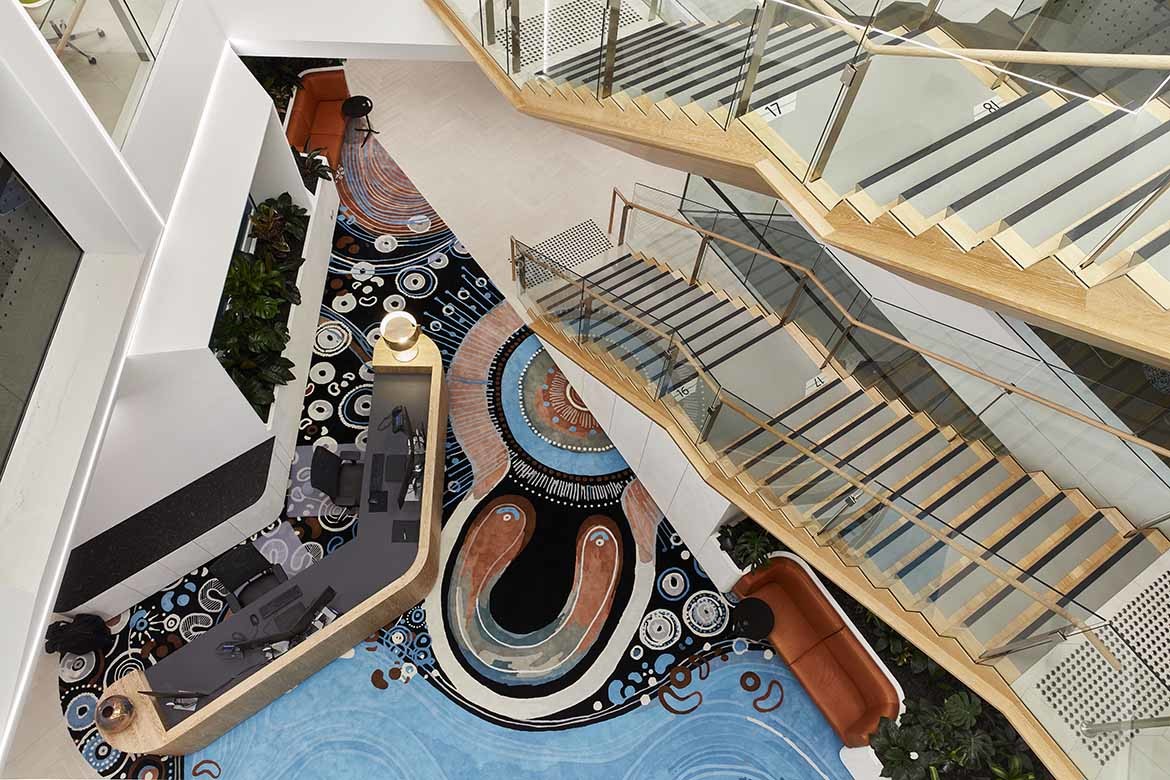
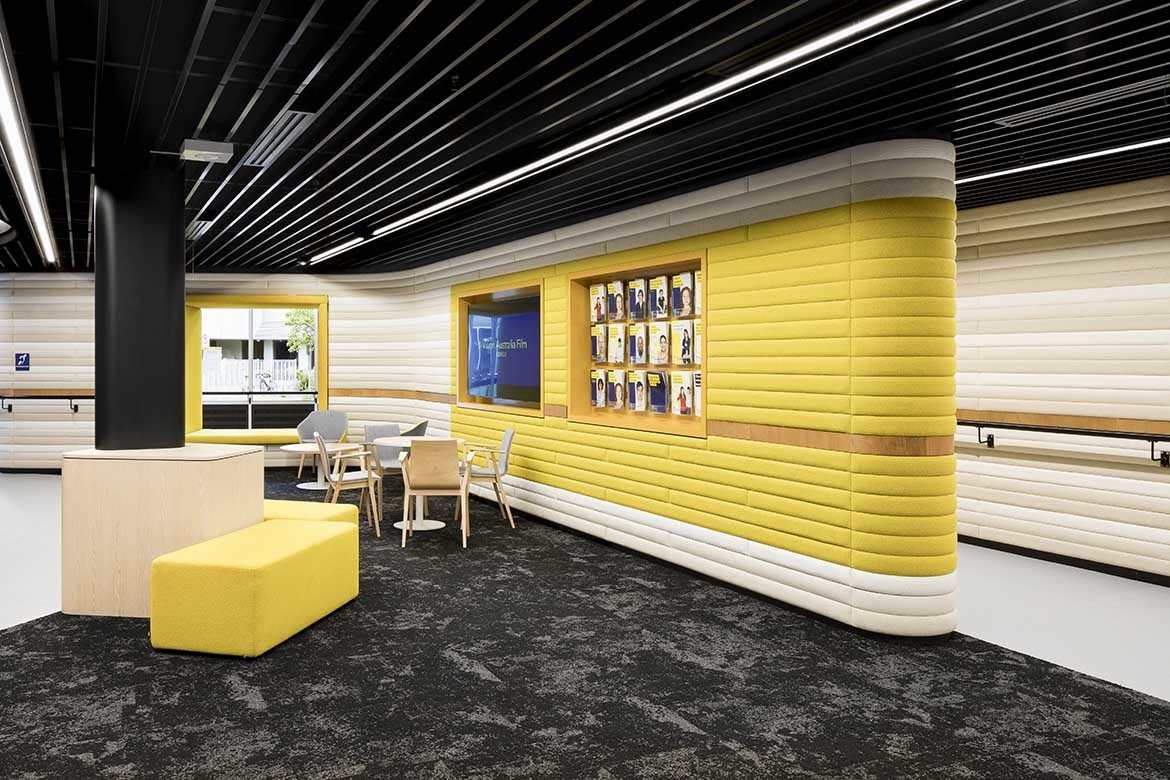
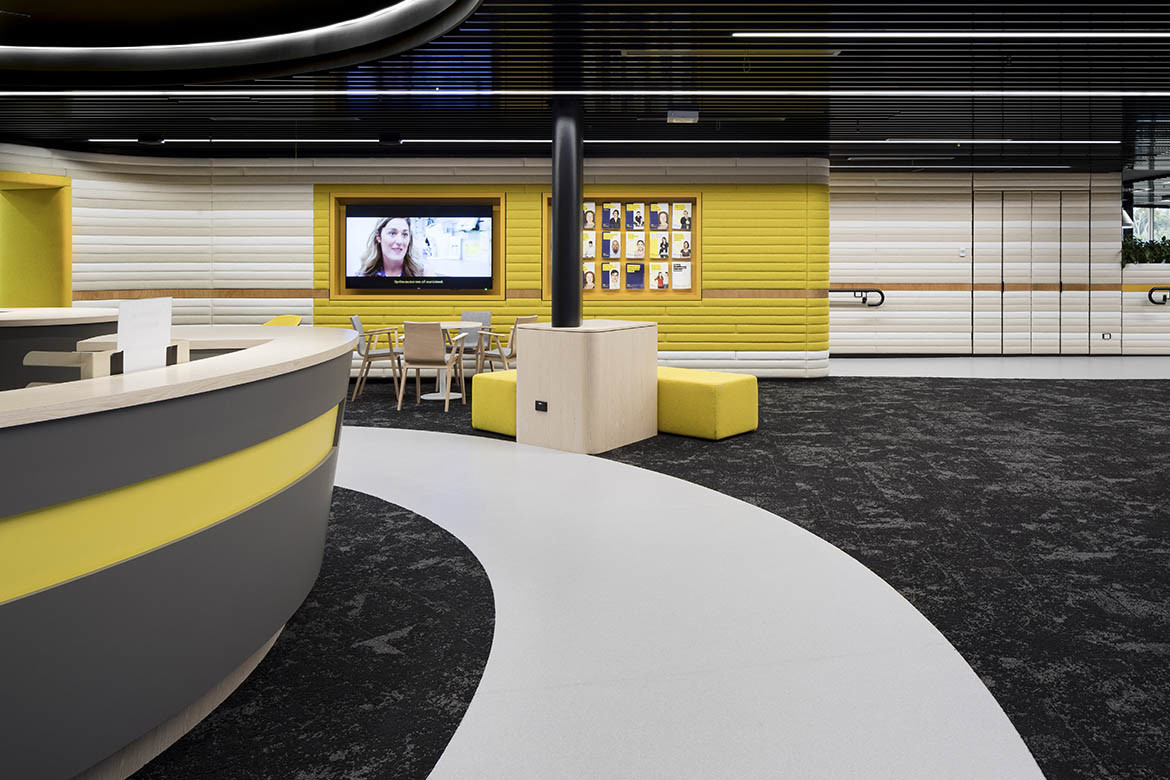
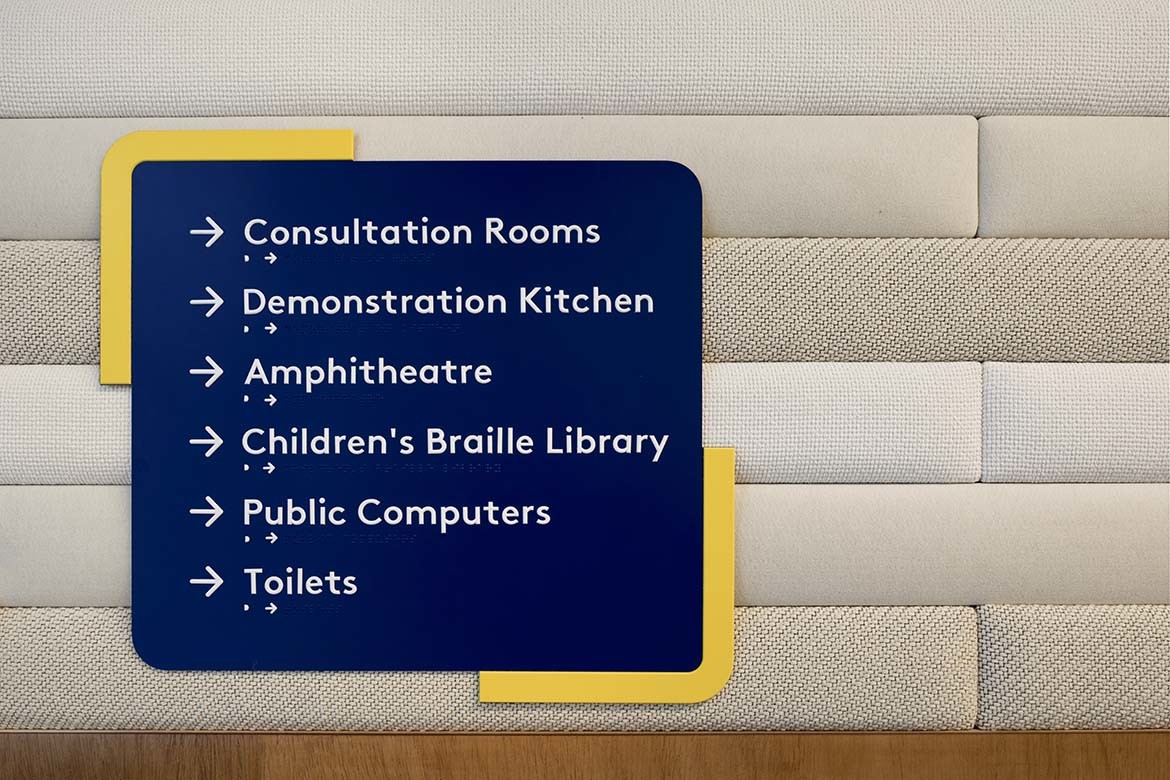
A testament to this is Hot Black’s 2018 agile workplace design for Vision Australia. This project saw the studio develop an understanding of inclusive sensory design to account for the large percentage of staff who had a level of vision impairment in its workplace. Through extensive user group research, the team realised a large part of the sensory experience came through the feet. To acknowledge this, Hot Black implemented soft floors to accompany areas that were soft to the touch – certain spaces would be delineated by the tactile flooring experience.
Related: Hot Black’s “atemporal” architectural concept for Herman Miller’s design challenge
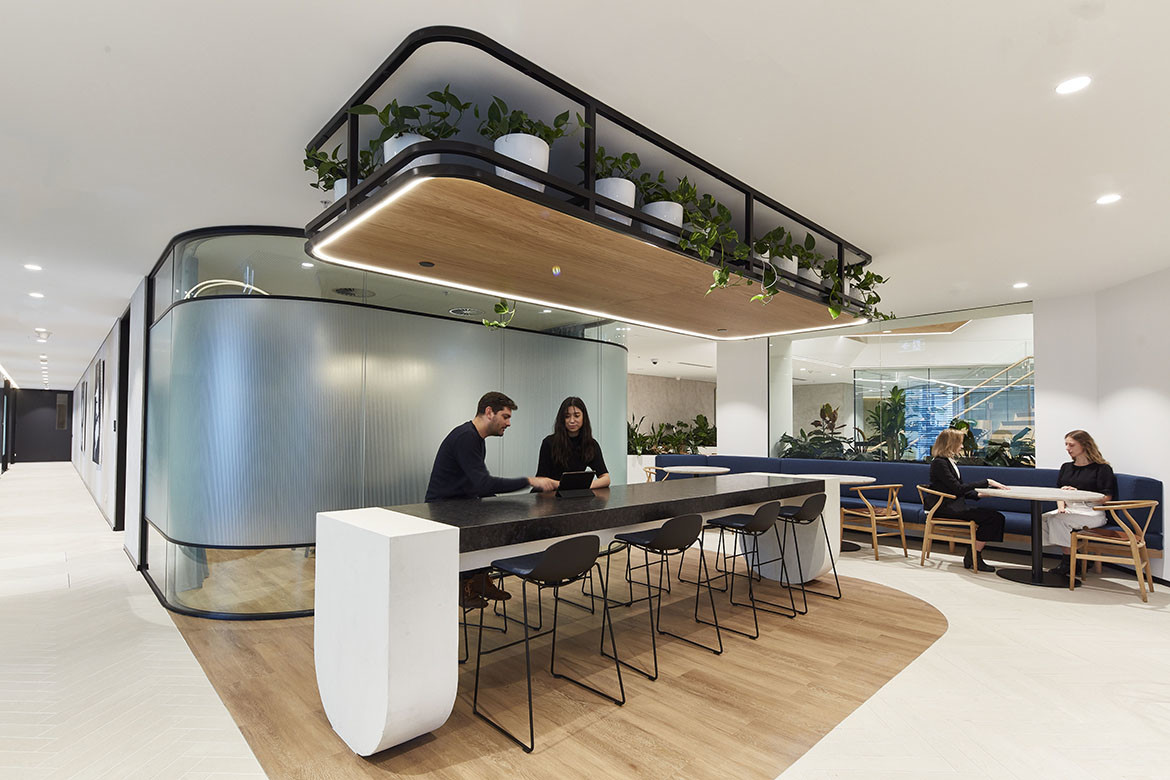
After Hot Black expanded into the Sydney market some six years ago, it shifted to a multidisciplinary outlook. Its remit now encompasses architecture, graphic design, wayfinding and building identity signage and environmental graphics for sectors including workplace, residential, retail and hospitality.
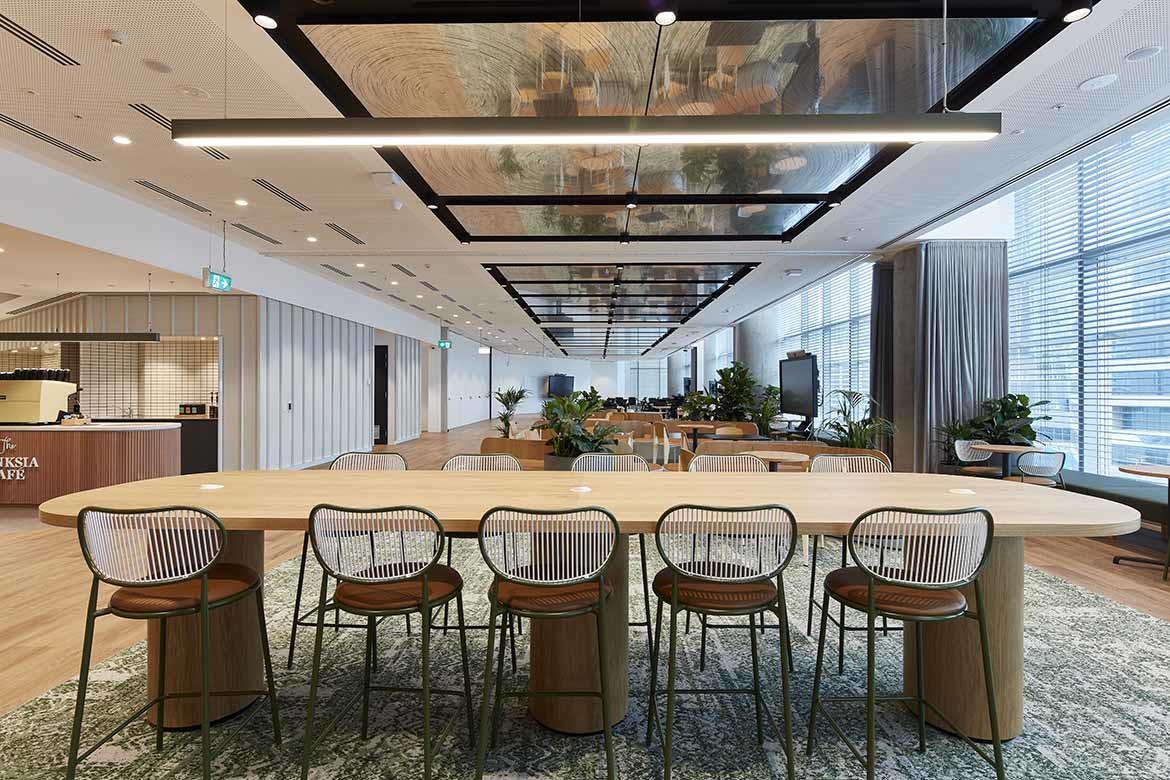
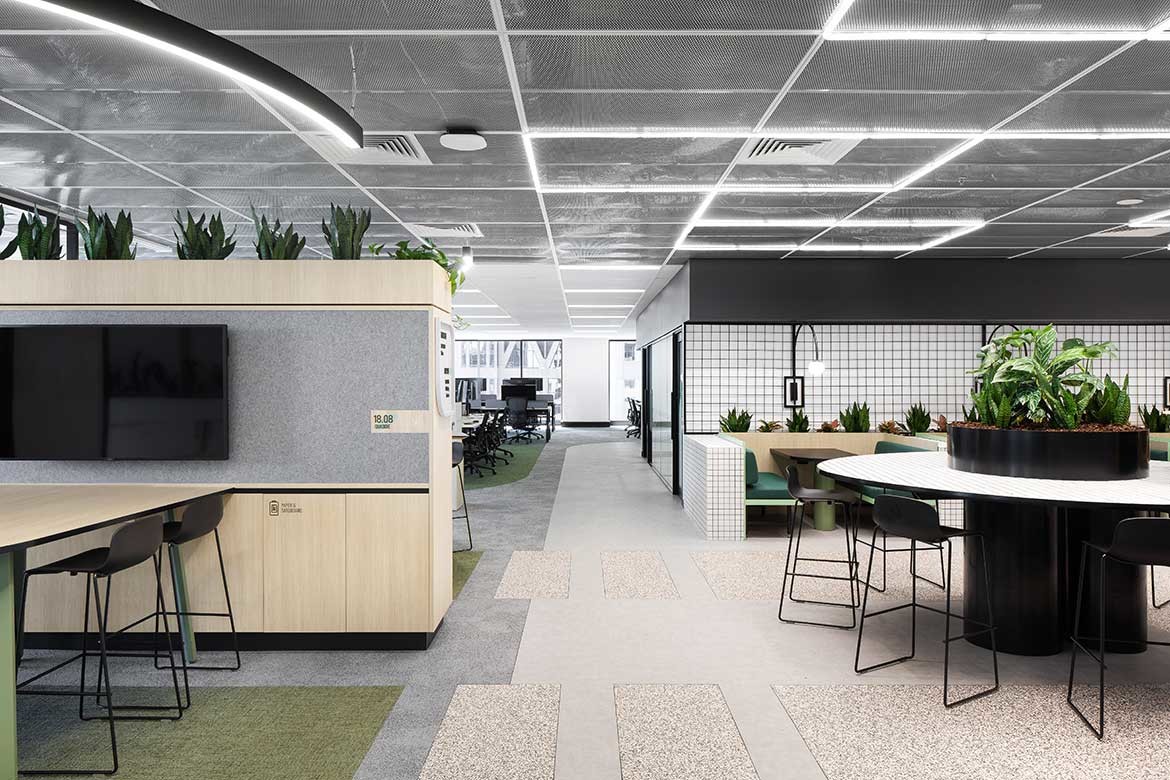
The expansion and scale that Hot Black is undertaking now rivals some of the country’s biggest workplace design firms, with the studio’s largest project to date being 28,500 square metres for ANZ, completed in 2021. The studio has also recently completed the 8500-square-metre workplace for sportsbet which involves “working quite closely with the key stakeholders to embrace what that hybrid working model might look like”, says Safrin.
The studio is also working on Scape student house in Sydney alongside a 350 Scape student development in Melbourne.
So what does the future of the workplace look like for the Hot Black team? According to Safrin, Hot Black is harnessing its multidisciplinary approach to continue to blur the lines between different sectors.
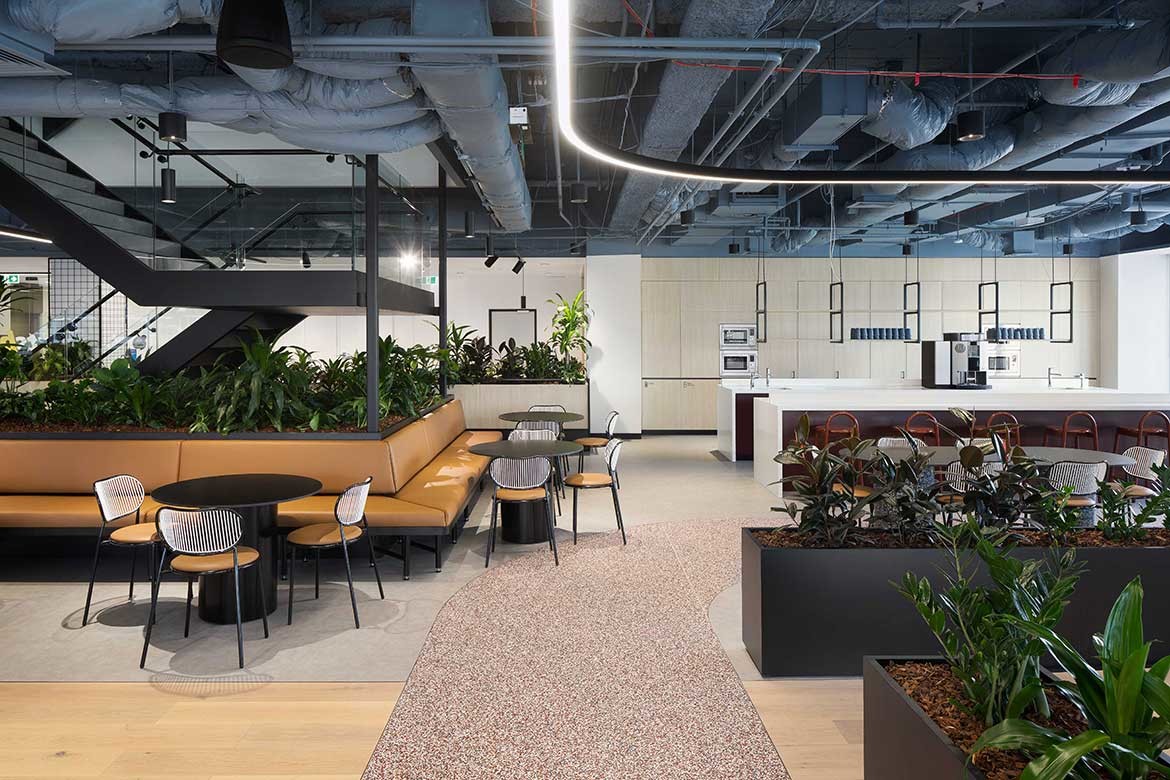
It throws up a heap of exciting propositions for the studio, as workplace design rapidly evolves to support a new hybrid style of working, and amenity becomes the value proposition for workers returning to the office.
And Hot Black is ready to serve: “We’ve started to see alignments between workplace interiors and food and beverage offer, where people are looking to blur the lines, and push and pull against the ‘vanilla’ type workplace,” confirms Safrin.
Hot Black
hotblack.design
We think you might like this article about the future of work with Herman Miller.