The home of architecture and design in the Asia-Pacific
Get the latest design news direct to your inbox!

Get the latest design news direct to your inbox!
Alexi Robinson reports for DQ Magazine on a mischievous new trend – which will no doubt benefit the modern day consumer. This is the full version of the article published in DQ’s Flirty 30 Issue, on sale July 3rd.
July 1st, 2008
When designers at the top of their field felt the need for a new challenge – no one suspected this is where they would turn their talent.
‘Forget Me Knot’ is made of precious metal. As part of a limited edition range, it has a unique pattern etched to the side of its slim, concise framework; it is waterproof, exceptionally quiet and the only one of its kind to feature a replaceable motor system making it everlasting.
‘Forget Me Knot’ may sound like a hand crafted boat or designer appliance but it is in fact a vibrator. A design-led, fully engineered, caring for the environment, art gallery inspired sex toy. And with its arrival, and the arrival of many others in its league, the sexual liberation of woman has cemented itself into history as the creator of a new market causing designers to stray from the cyclic reinvention of otherwise resolved objects.
For an object with such intimate intent, the humble vibrator has had to adopt many a guise over the years to survive the ever-changing societal beliefs and values surrounding its existence. It has been a steam-powered medical device used to treat hysteria in woman by inducing hysterical paroxysm (orgasm); as an electromechanical massage aid that has “cured all female health problems” leaving wives “young and pretty”; it has appeared in ‘30s porn films; been branded as immoral; re-emerged as a sex toy during the ‘60s; and has long been shackled by a faux-veined exterior until its emergence onto the internet in the mid-‘90s – where for first time it was considered in relation to the female anatomy and not the distorted ideas imparted by the male-dominated buyer.
So now we live in an age where sex toys are going mainstream – a sex toy party is the new Tupperware party (apparently), your ‘vibes’ is part of the urban language and a good boyfriend is one who sensitively buys you a purse-sized companion for your birthday.
So why do designers snigger with contempt when other designers depart into the realms of this multi-multi billion dollar industry which is, lets face it, devoid of any design consideration?
The launch of Michael Young’s ‘Sabar’ sex toy at 100% Design Tokyo last year was not without reproach, however as Young puts it, educating the factory in China with the use of opiate-free plastic isn’t such a thing to scathe at, especially considering the 30,000 rubbish equivalents pumped out the door each day. The fact is there is much scope for innovation here. With lifestyle brands such as Jimmyjane, whose objective it is to join the ephemera of sexiness with the substance of design, the context and perception of sexual accessories is being modernised to reach a previously under-served style and quality-conscious consumer.
The Vincent Hotel, a new boutique hotel at a seaside resort in northwest England will be offering its guests a sex toy mini bar to compliment their design orientated venue. Design consciousness from interior to furniture to object to bondage tape. A holistic approach one might say!
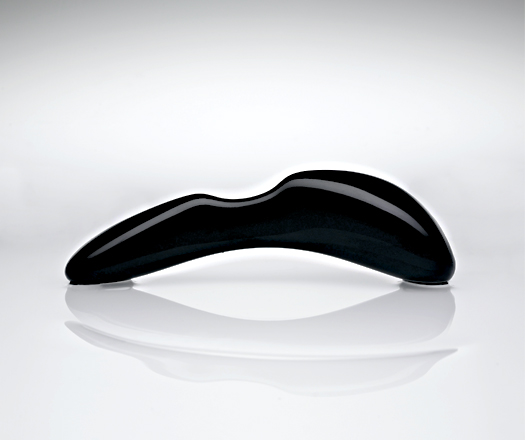
The sleek, black stimulator inspired by the sculptural forms of Barbara Hepworth remains the top seller at chic London boutique Myla and is equally telling of this curious design climate. Designed by Tom Dixon, ‘Bone’ was first conceived after a mysterious phone call from two women who later presented him with a box of the sex industry’s finest.
“With every aspect they were either cheap or ugly,” reveals Dixon, “The photography style and the graphic style on the packaging was poorly art directed by men and the engineering quality, moulding quality and material quality was appalling. And then there was the price. Coming from a retail background it didn’t seem to make a great deal of sense, because clearly if something’s going to give you that much pleasure you’d be able to charge a lot more for it and given that you’re going to hold it against your skin why not treat it more like jewellery or fashion?”
Or Facebook for that matter. Another trend infiltrating somebody’s Friday night out there is the “teledildonic” toy, a programmable sex toy able to interact directly with friends on the internet so whether it’s the advent of online community, cheeky urban parties or that limited edition gold number that speaks the sign of our times, what is clear for designers that turn their nose up at this emerging “typology” is that a phone call from Myla might be closer than they think.
Hero image above: ’Bone’ by Tom Dixon
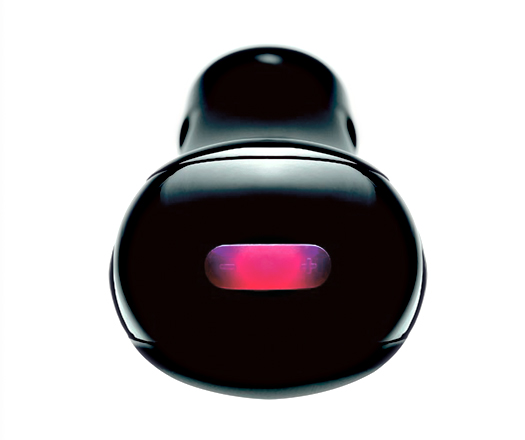
Michael Young’s ’Sabar’
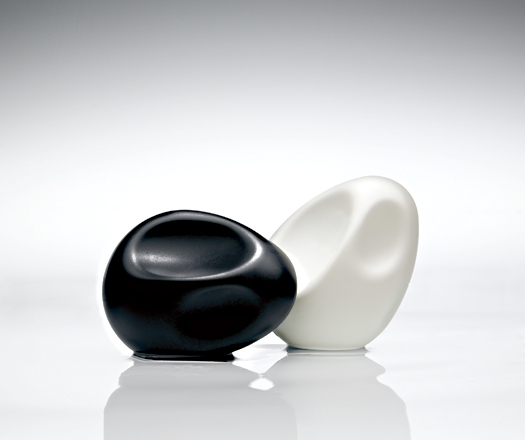
’Pebble’ by Mari-Ruth Oda
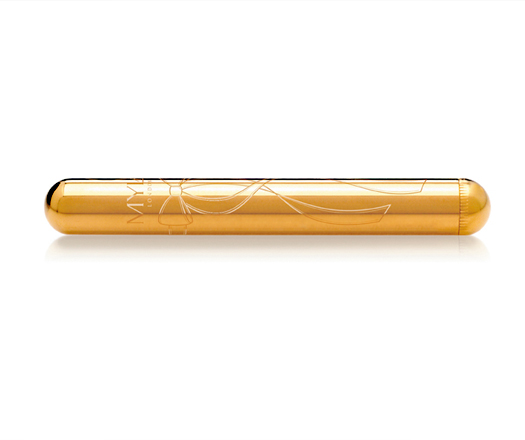
Gold ’Myla Clip’
INDESIGN is on instagram
Follow @indesignlive
A searchable and comprehensive guide for specifying leading products and their suppliers
Keep up to date with the latest and greatest from our industry BFF's!
Cast your vote in the 2010 Melbourne Design Awards!
Voting will be open until 13 February 2011, with the winners announced at an awards ceremony on 17 February.
Check out the entries at melbournedesignawards.com.au. It’s been an exciting year for design; don’t forget to show your support for our artists and industry by voting for your standout in the field of architecture, product design, graphic design, digital design, fashion and interior design.
For more information in the lead-up, follow the event’s progress on Facebook.
The internet never sleeps! Here's the stuff you might have missed