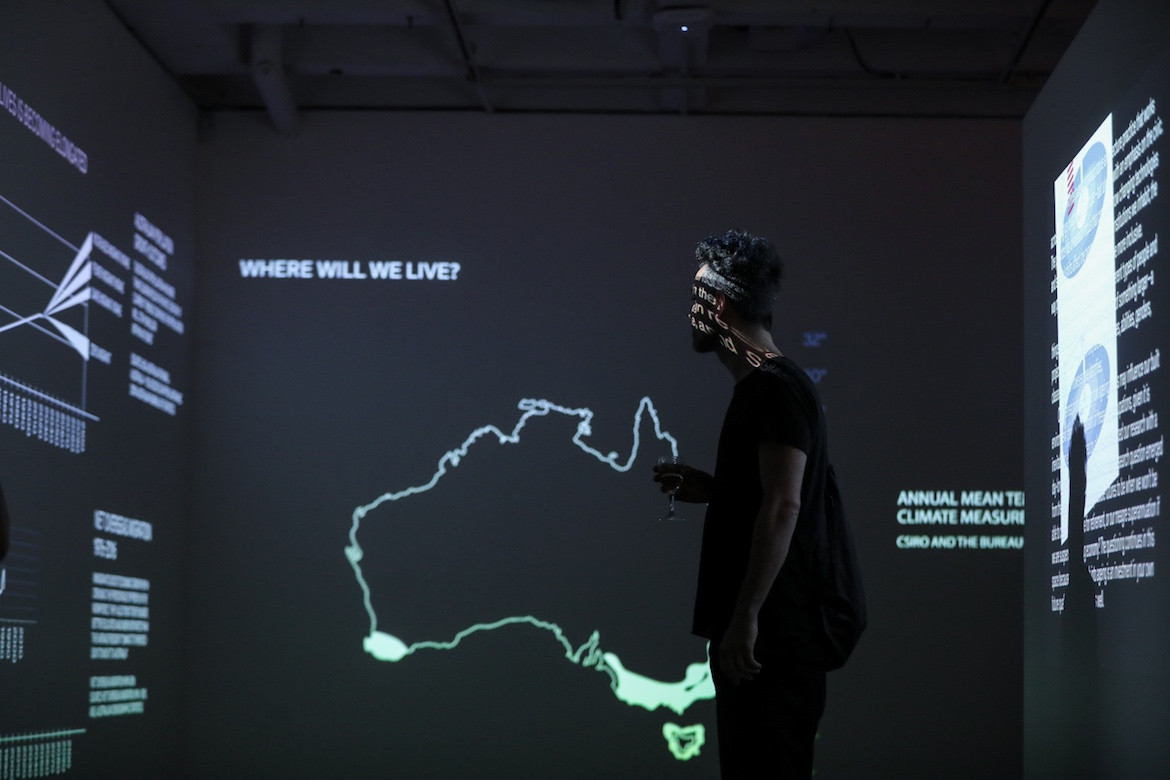
Sibling Architecture has released New Agency, a concise compendium of the housing troubles facing future generations and ageing populations in Australia, based on three years worth of research.
The research summarises the issues around ageing and dwelling in Australia, including the unrealistic amount of superannuation Australians will need as life expectancy edges higher, how climate change will affect where we can live, and housing affordability.
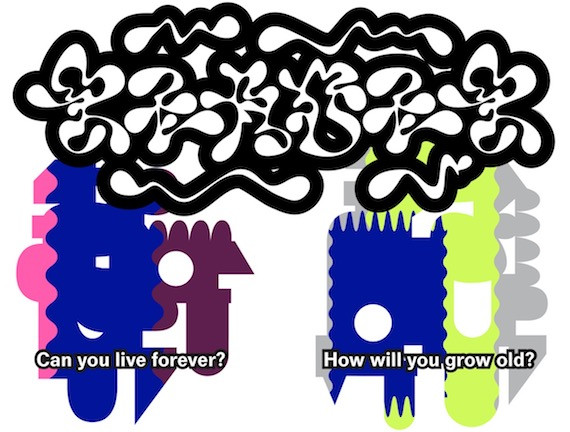
The cover of Sibling’s New Agency research.
New Agency culminates with a proposition: What if we were to look at forms of living that Australia deems “radical” and find inspiration from around the world to ensure fair, accessible housing?
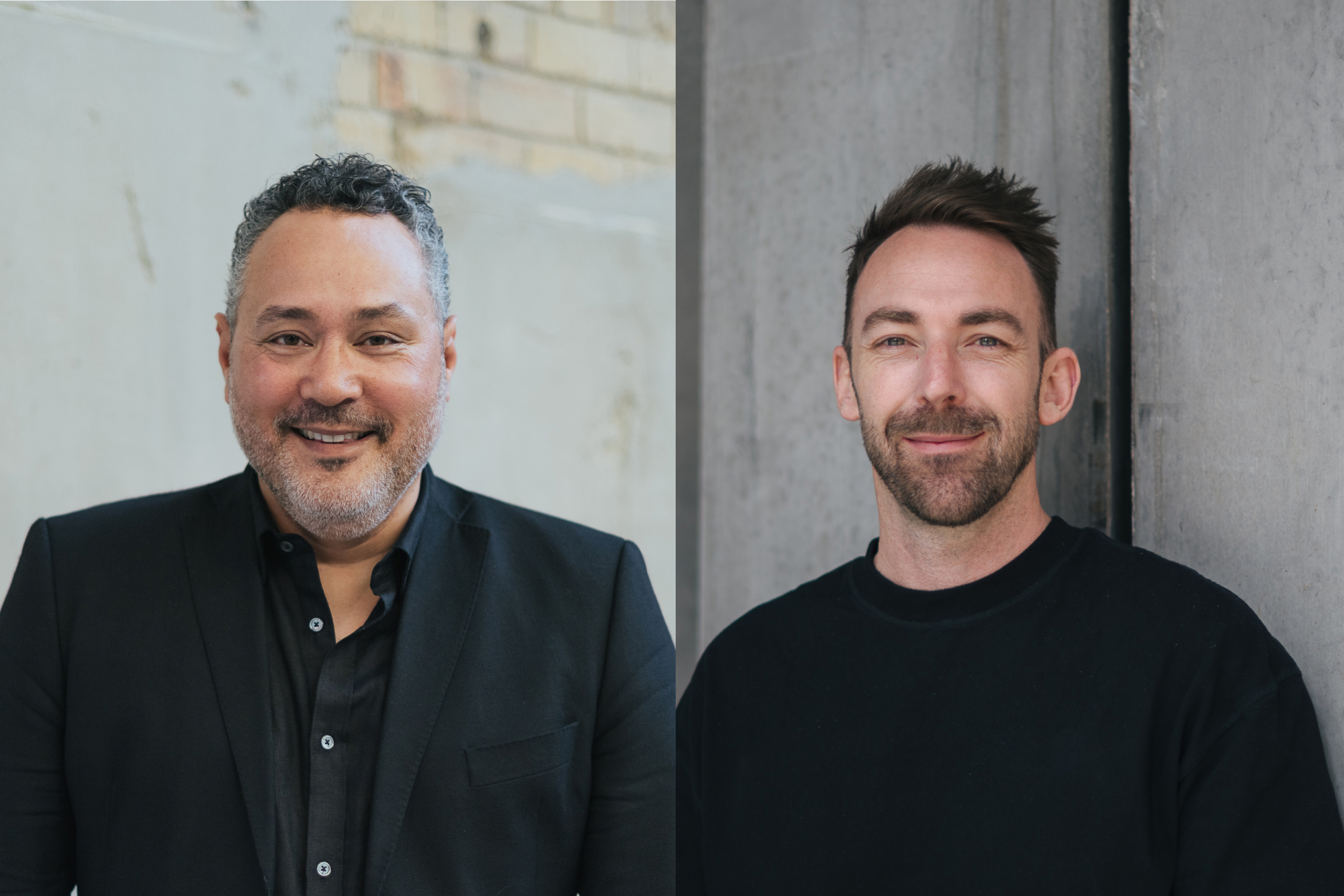
IndesignLive sat down with Sibling directors Timothy Moore and Qianyi Lim to discuss the findings from New Agency.

Timothy Moore. Photography by James Whiting.
“We were interested in what would be a collective housing model that could rethink home ownership,” says Moore.
“We’re interested in how you find finances for a nonmarket model. We’re interested in decoupling land and property value, because actually, it’s the land that’s expensive. And we’re also really interested in designing for whole of life quality,” says Moore.
A solution, Moore and Lim say, is to retain land for the public good, and for the Traditional Owners, and reduce rent through care.
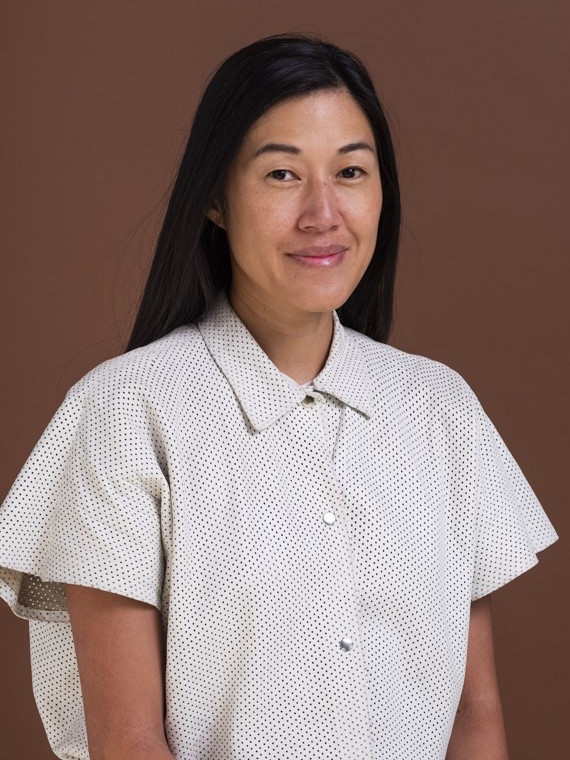
Qianyi Lim. Photography by James Whiting.
“A key, maybe radical concept with this model was this idea of sweat equity where younger people could pay for their rent through work,” says Lim. “Whether that’d be assisting their neighbours with shopping, or whether that be with maintaining the building itself.”
The inspiration for the research was manifold. Firstly, the team at Sibling had started noticing their parents getting older. Secondly, the studio wanted to challenge the misperception that older people are inert and live in aged care – when in actual fact, approximately only five percent of people over 65 are. Finally, they wanted more insight into the future of ageing. If housing isn’t affordable today, what will it look like tomorrow?
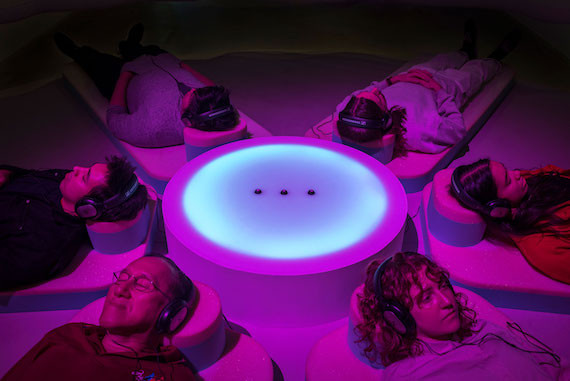
Sibling research at RMIT Design Hub Gallery, Melbourne. Photography by Tobias Titz and James Whiting.
These concerns led to data collection that Sibling undertook at RMIT Design Hub Gallery in Melbourne, at the Tin Sheds in Sydney and online through ABC Radio.
The studio found that older people wanted to live near friends and family and have services near them. They were also concerned about alterations to their dwelling, such as the adaptation of the bathroom, split-levels, and stairs at the entry.
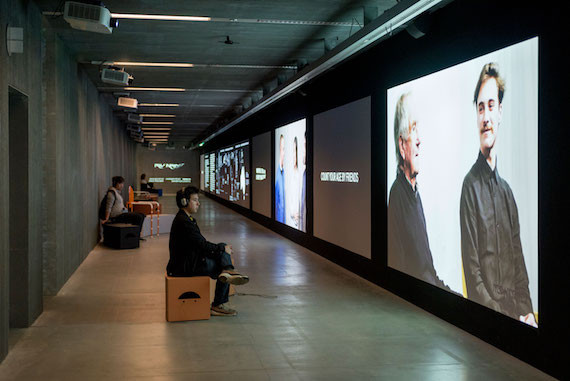
Sibling exhibition at RMIT Design Hub Gallery, Melbourne. Photography by Tobias Titz and James Whiting.
Younger people also desired to be near friends and family, but affordability and the threat of more frequent and changing weather events weighed more heavily with this cohort.
“Older people were more concerned about being near friends and neighbours not being disconnected. And younger people were concerned with socialising more generally,” says Moore. “So we found community was a really easy way to kind of talk about the issues and to connect different age groups together.”
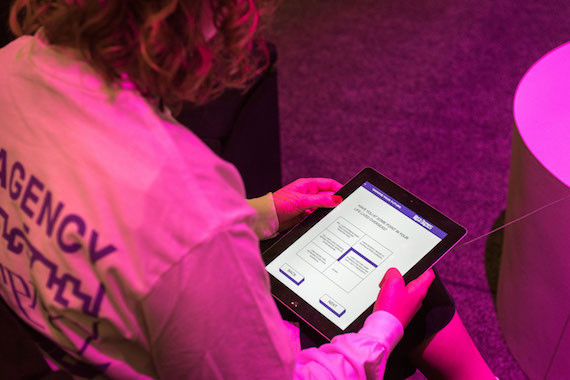
Sibling research at RMIT Design Hub Gallery, Melbourne. Photography by Tobias Titz and James Whiting.
The studio also looked at different ways ageing people are living, including grey nomads, cruise ship living and various collective forms of habitation.
Keep your eyes peeled – we’ll be covering more about intergenerational living and rethinking home ownership in the coming weeks, based on insights and commentary from Sibling.
Sibling is an architecture practice directed by Amelia Borg, Nicholas Braun, Qianyi Lim and Timothy Moore. It is driven by a research-based approach to deliver design for cultural, commercial, domestic and institutional buildings.
New Agency: The future of dwelling and ageing is available here. The research was conducted with the support of The Alastair Swayn foundation.
Sibling
Siblingarchitecture.com