The home of architecture and design in the Asia-Pacific
Get the latest design news direct to your inbox!

Get the latest design news direct to your inbox!
Now more than ever, we need things around us that work well and endure. We don’t have time for anything less.

Poul Henningsen in his home in Hørsholm, Denmark with his iconic PH 5 and the Contrast pendant in the background. Image courtesy of Louis Poulsen.

PH 5 by Poul Henningsen.

The making of a PH lamp at Louis Poulsen’s factory in Vejen, Denmark. Photo by Marie Louise Munkegaard.

Panthella (table version) by Verner Panton - original edition (left) and MINI Chrome edition (right).
Poul Henningsen set a compelling precedent for generations of Danish designers when he created the PH lamp in the 1920s. His focus on the human experience of light, rather than simply the aesthetic of the light fitting, contributed to the establishment of a new era in Danish design – one that still resonates powerfully today and has reached all corners of the globe.
Around the same time, Kaare Klint was setting the foundations for a renewal of Danish furniture design with his teaching at the Royal Academy of Fine Arts, where he emphasised function and material over the outward form of a design. What he and Henningsen had in common was an overriding concern for the quality of the experience of using their products; the objects they created – and those of the generation of Danish designers who followed them – were first and foremost about how design could make life better, rather than just how a product could look good.
Modern Danish design is rightly beloved for its optimal fusion of functionality, beauty and impeccable craftsmanship. Other Danish designers such as Finn Juhl, Hans Wegner, Arne Jacobsen, Borge Morgensen and Poul Kjaerholm encapsulated and honed the Danish approach – particularly after World War Two, when material scarcity necessitated a minimal approach to design. There was a strong sense among many post-war Danish designers that when focused truly on people, innovative design could be used to improve lives.
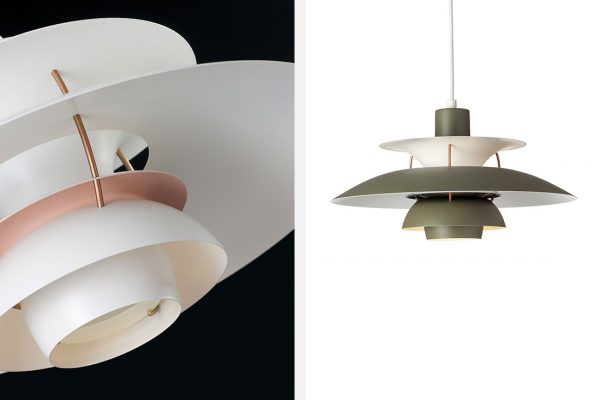
PH 5 by Poul Henningsen – contemporary editions
As the global products market expands year upon year, design for consumption and fashion also invariably gains momentum. But at a time when waste, pollution and resource depletion are at all-time highs, it is exactly smart, long-lasting, innovative and high-quality products that we need. This is why brands such as Louis Poulsen are attracting a new cohort of young, quality-sensitive consumers.
Not surprisingly, the popularity of some of Louis Poulsen’s classic lights has risen significantly in recent times. Sales of PH 5, Panthella and the AJ lamps have flourished, and Louis Poulsen has responded to the growing passion for classic objects by releasing limited editions of some of the most sought-after pieces. These are joined by a careful and consistent expansion of the Louis Poulsen catalogue by way of new designs that embody the enduring principles behind modern Danish design but express and address the imperatives of our contemporary times.
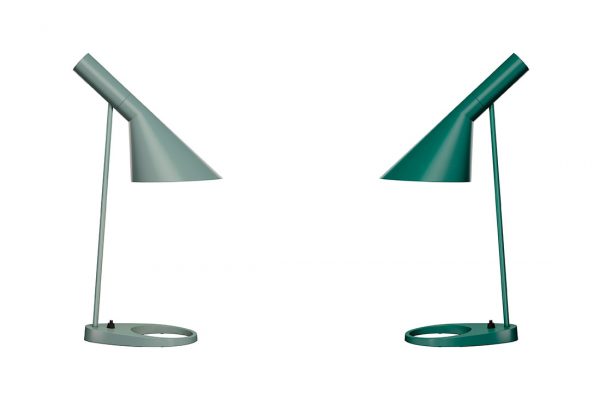
AJ table lamp by Arne Jacobsen in ‘Petroleum’ and ‘Dark Green’.
What the classic and new Louis Poulsen products have in common, of course, is a dedication to purposeful design that starts and ends with light. A Louis Poulsen product is not only impeccably crafted; it is shaped to deliver light that reflects and supports what the sun naturally provides.
When our lifestyles drive us into a state of constant distraction, and the cycles of fashion for designed objects spin to ever-shorter radii, we find most meaning in objects of high quality, true value and staying power. We need things around us that work well and endure; we don’t have time for anything less.
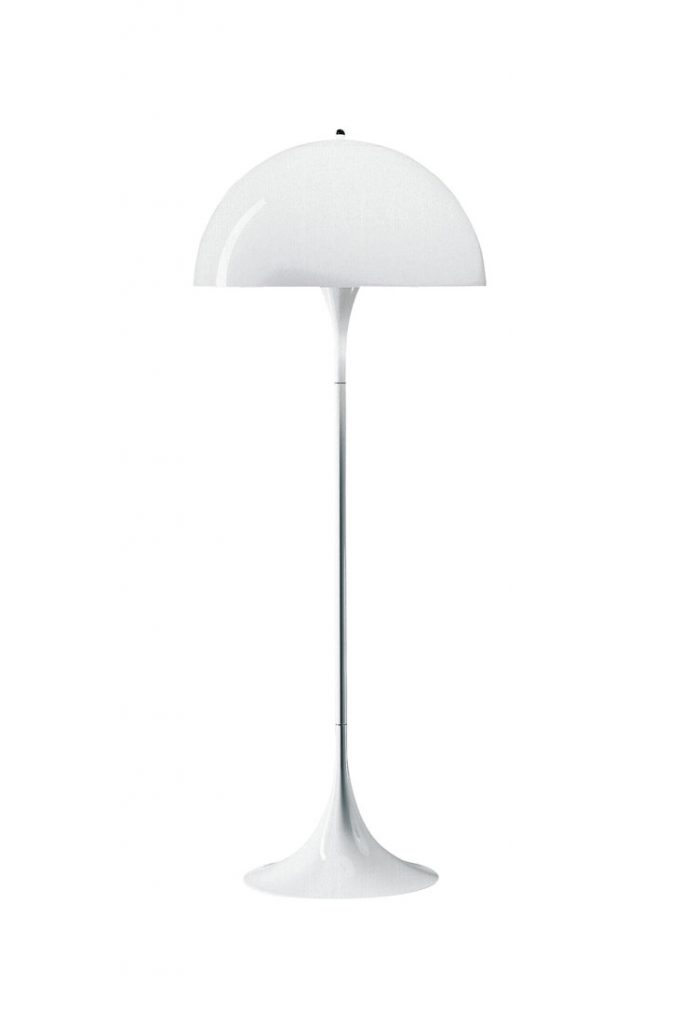
Panthella (floor version) by Verner Panton.
INDESIGN is on instagram
Follow @indesignlive
A searchable and comprehensive guide for specifying leading products and their suppliers
Keep up to date with the latest and greatest from our industry BFF's!
The internet never sleeps! Here's the stuff you might have missed