The home of architecture and design in the Asia-Pacific
Get the latest design news direct to your inbox!

Get the latest design news direct to your inbox!
In Naturalizing Architecture, Takada moves beyond biomimicry to propose a regenerative vision for the urban environment.
November 17th, 2025
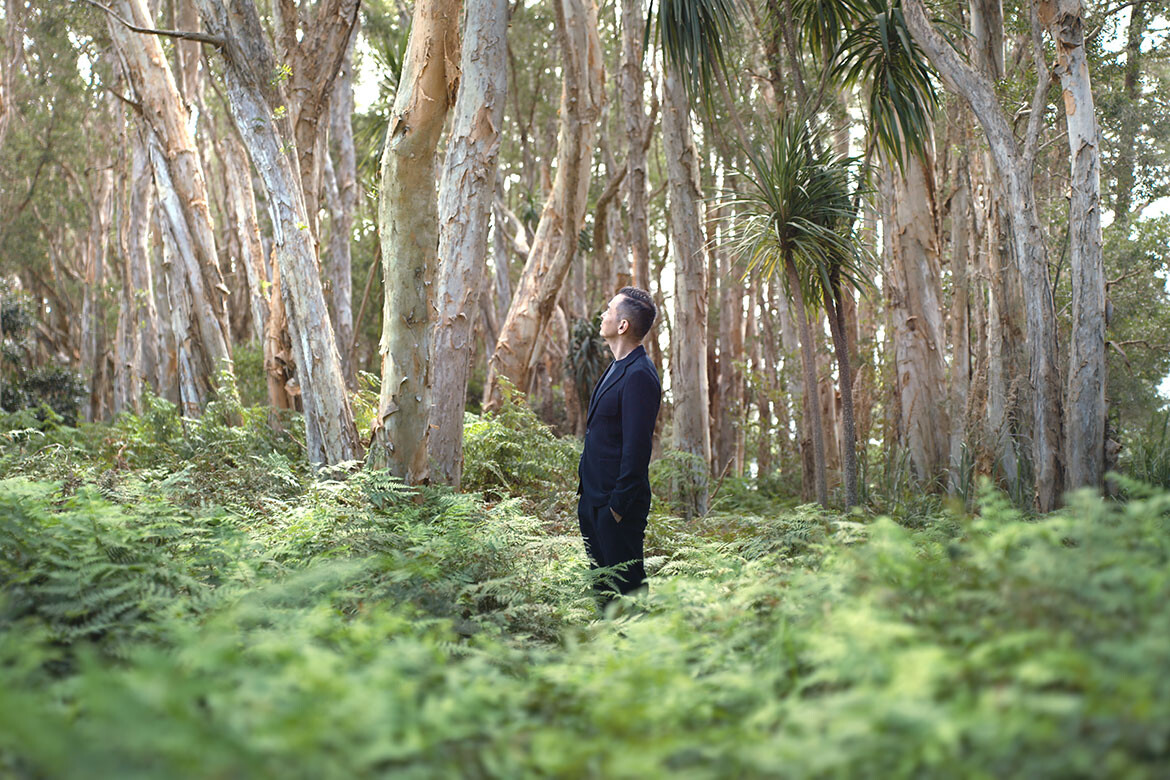
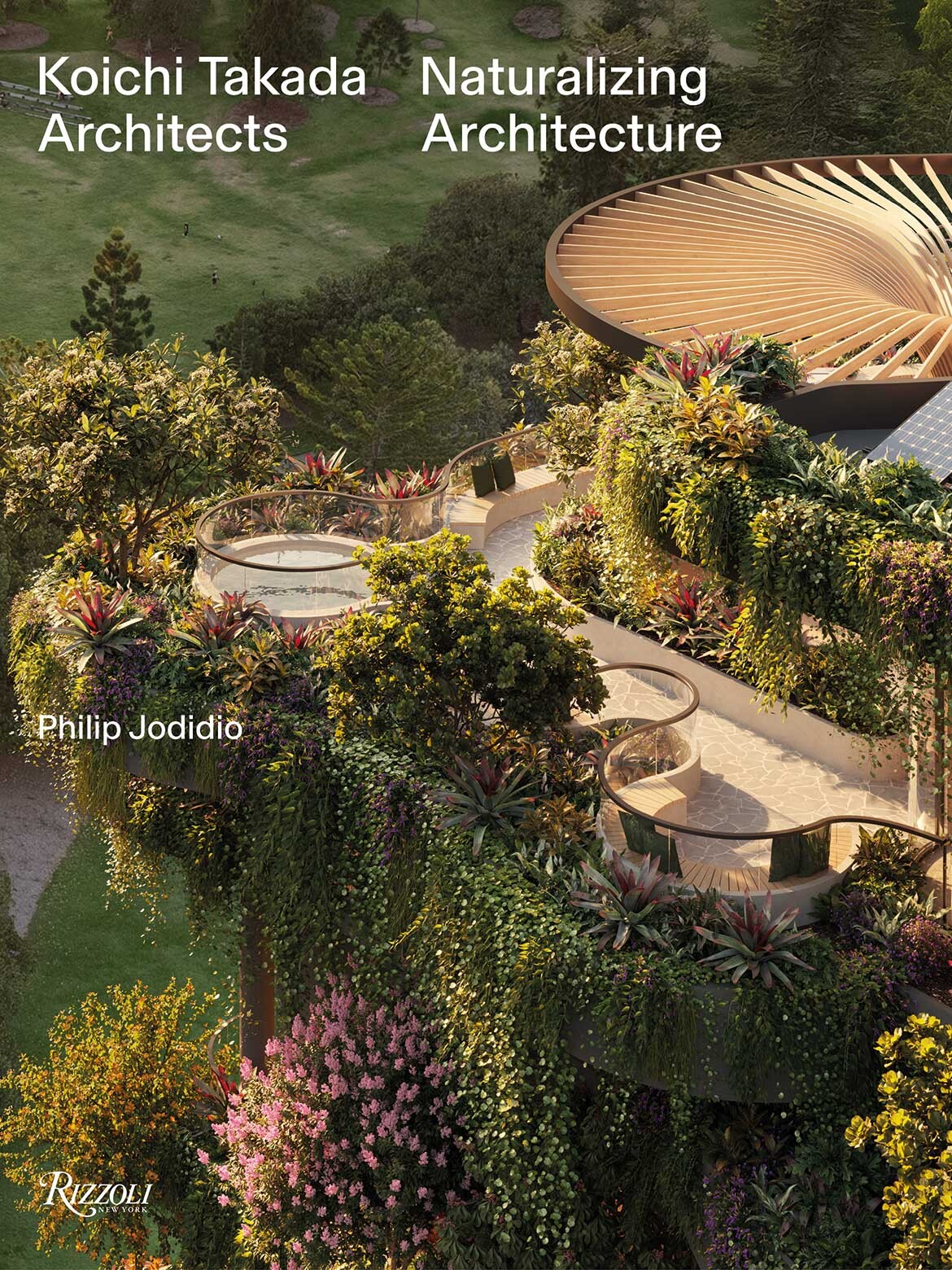
Naturalizing Architecture, the new monograph on Koichi Takada Architects written by Philip Jodidio and published by Rizzoli New York, arrives at a moment when the role of architecture in shaping human wellbeing feels more urgent than ever. Known for projects that blur the line between nature and the built environment, Takada uses this second volume to articulate a clear progression in his thinking: cities can no longer be conceived as systems that exclude nature, but as places where it must be reinvited, restored and allowed to flourish.
The book gathers Takada’s recent global projects, presenting them not as isolated design statements but as a cohesive argument for a new urban sensibility. Across 240 pages, Jodidio traces how Takada’s work pushes the idea of “mutuality and inclusion between nature, architecture and culture,” a phrase echoed in Béatrice Grenier’s foreword. Photography, sketches and nature studies sit alongside diagrams that map Takada’s evolution from biomimetic inspiration to actively regenerative outcomes.
Project after project reveals a practice deeply attuned to ecological constraints and human experience. In Italy, the climate-positive Sunflower House rotates its roof and floor plates to modulate heat and light. In Melbourne, the Landmark by Lexus pavilion incorporates more than 1,000 native plants into its façade — an architectural ecosystem that earned carbon neutral certification. Closer to home, the Palm Frond Retreat at Balmoral Beach encourages residents to occupy different parts of the house depending on season and time of day, creating a rhythm of living tied to natural patterns rather than mechanical conditioning.
Related: Australian Design Centre set to close
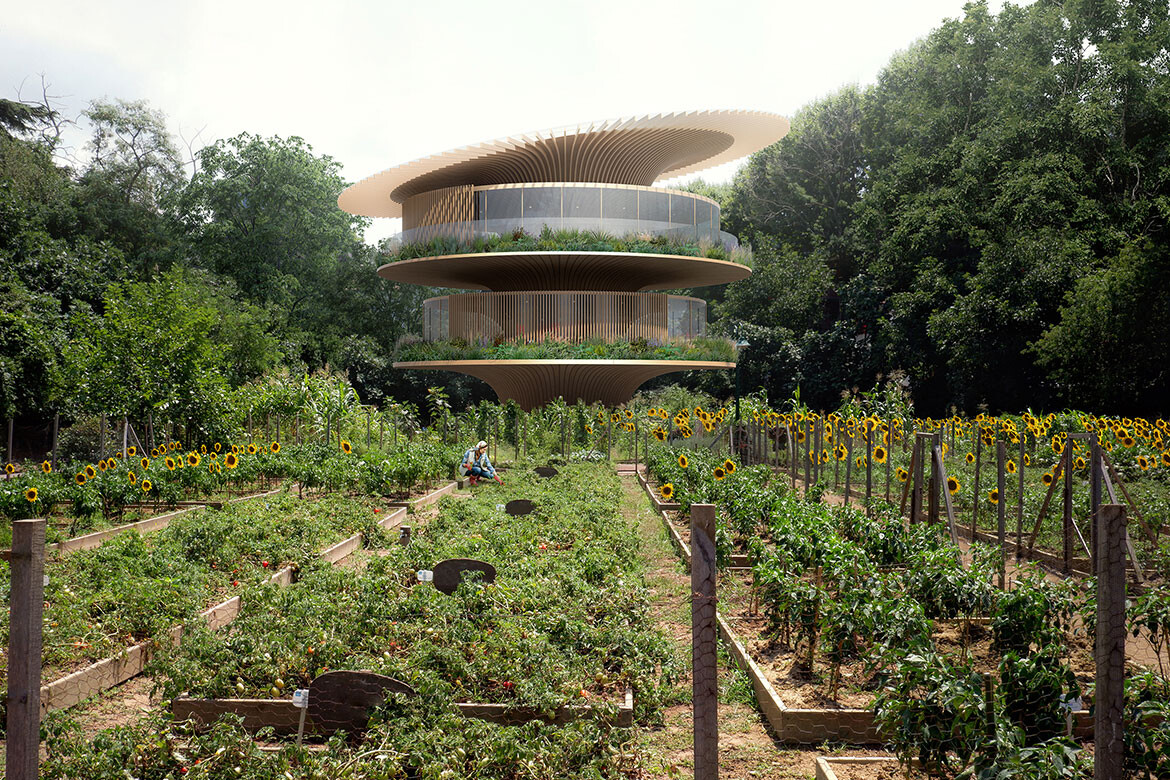
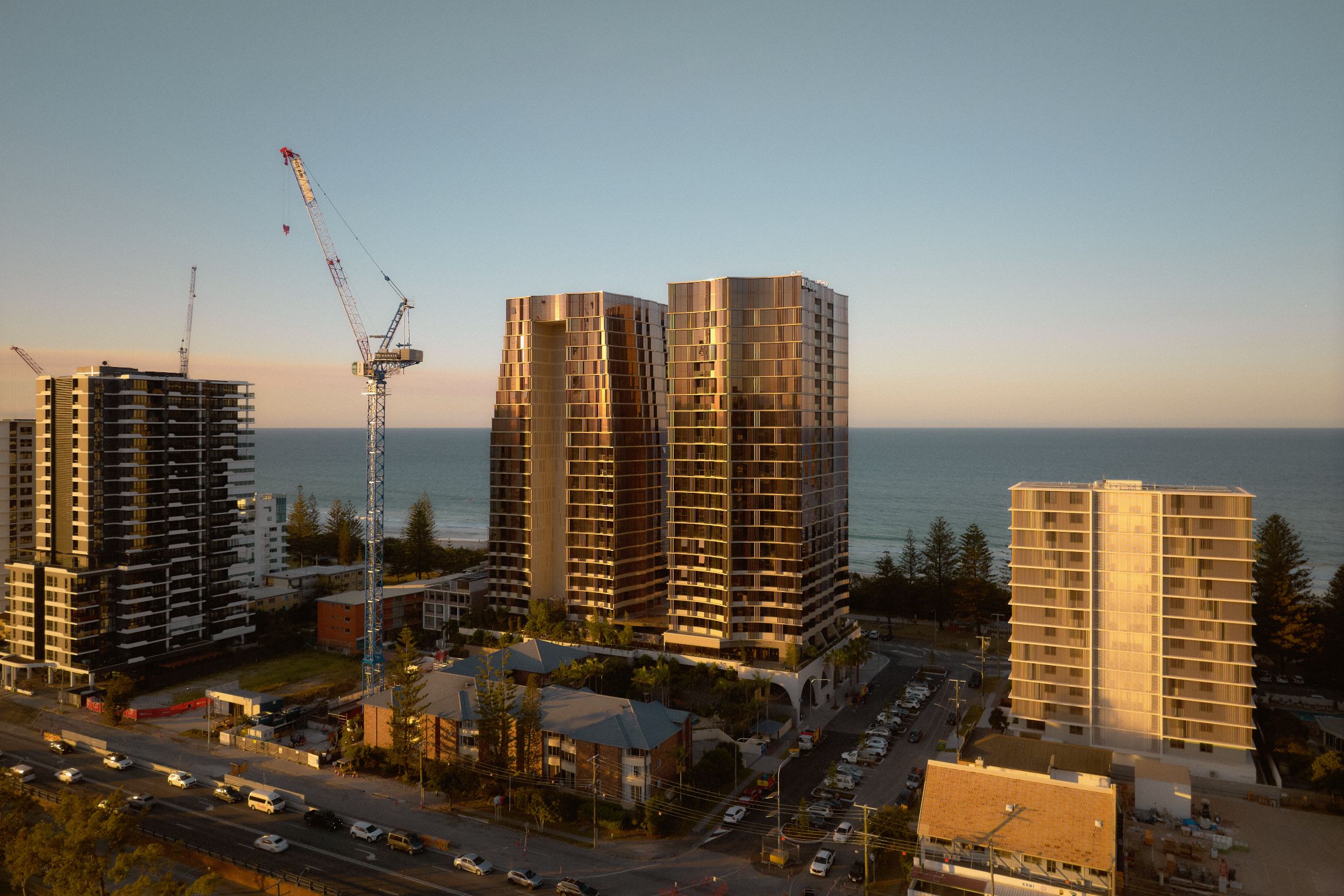
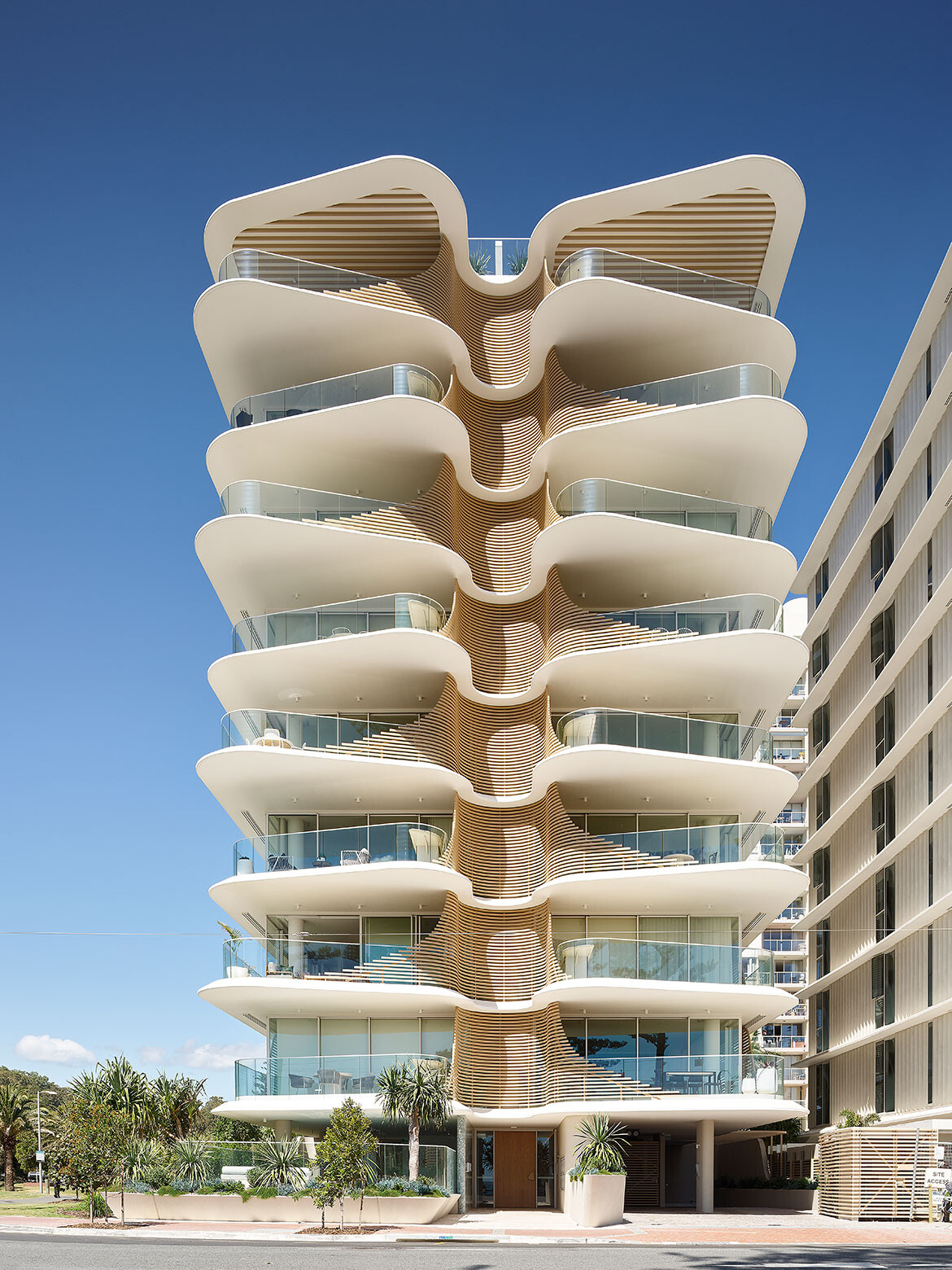
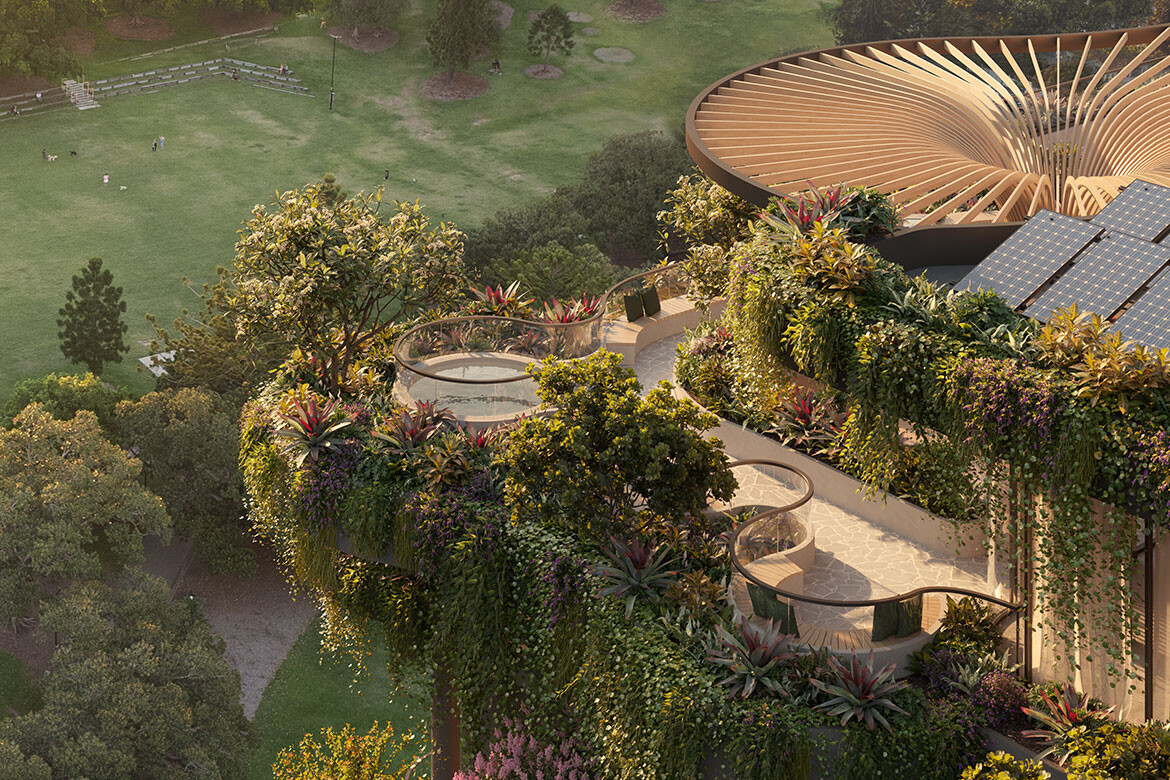
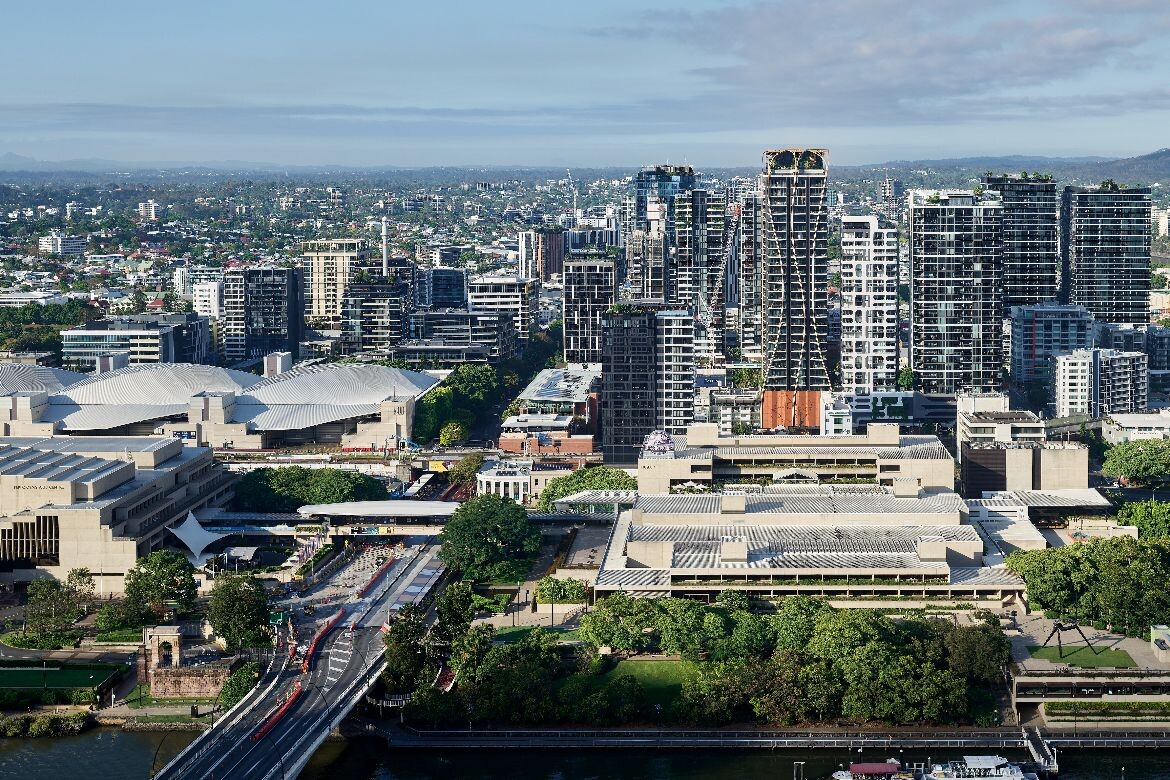
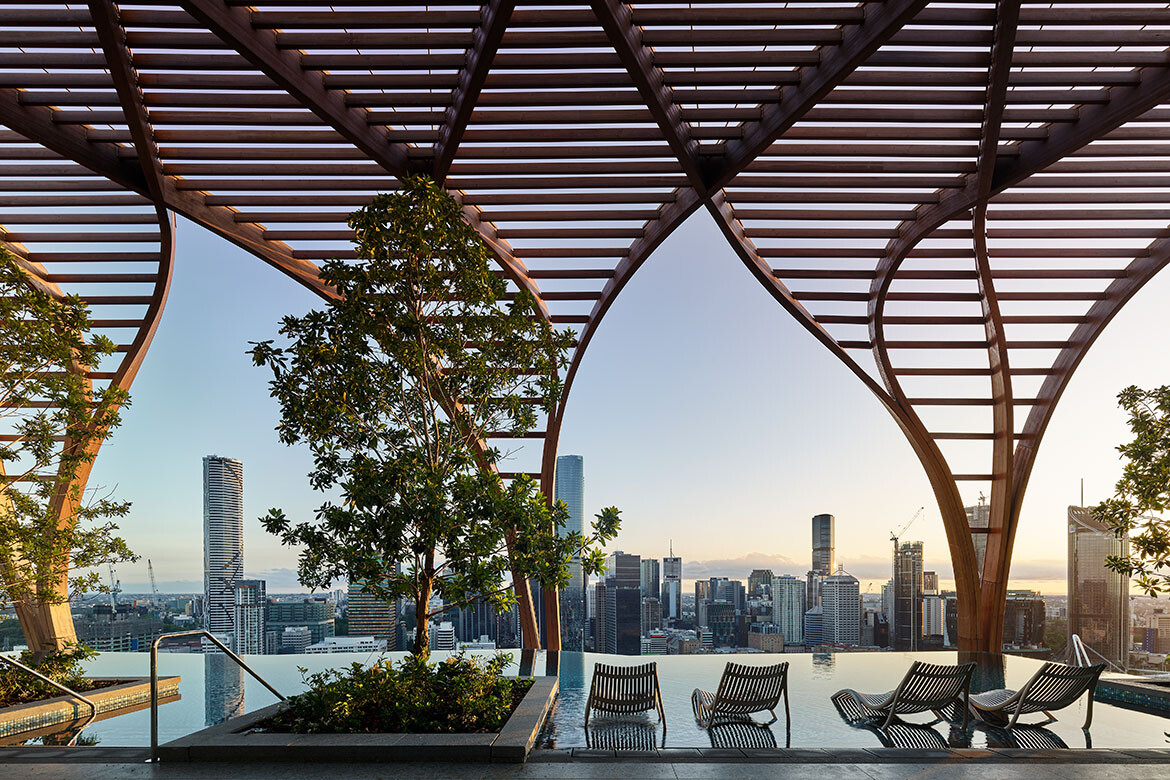
Other works, such as Upper House in Brisbane, the Solar Trees Marketplace in Shanghai and Mamsha Palm in Abu Dhabi, illustrate Takada’s ongoing study of how increasingly dense cities are reshaping our perception of buildings and public space. His long-standing fascination with organic form — from palm fronds to fig trees — is presented not as aesthetic mimicry, but as a strategy for rehumanising urban architecture.
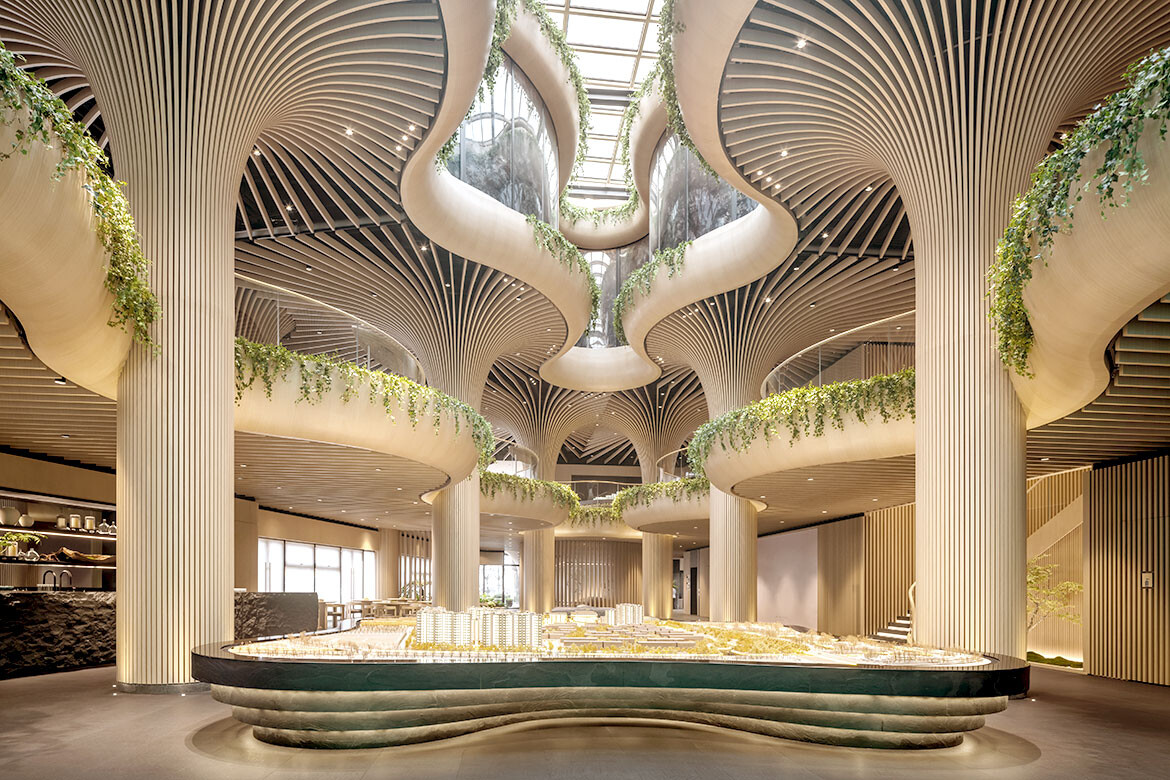
“Architecture today must respond to ecological constraints, but also offer more than utility. It should inspire, connect and restore balance with nature,” says Takada. This idea becomes the volume’s through-line, grounding Jodidio’s broader exploration of Takada’s position within contemporary architectural discourse.
Naturalizing Architecture ultimately reads as both documentation and direction: a showcase of recent work and a call for cities that rebuild their relationship with the natural world. It cements Takada as one of Australia’s most globally relevant voices — and presents a persuasive vision for architecture’s next chapter.
Koichi Takada Architects
koichitakada.com
Photography
Scott Burrows
Nic Walker

INDESIGN is on instagram
Follow @indesignlive
A searchable and comprehensive guide for specifying leading products and their suppliers
Keep up to date with the latest and greatest from our industry BFF's!
The internet never sleeps! Here's the stuff you might have missed