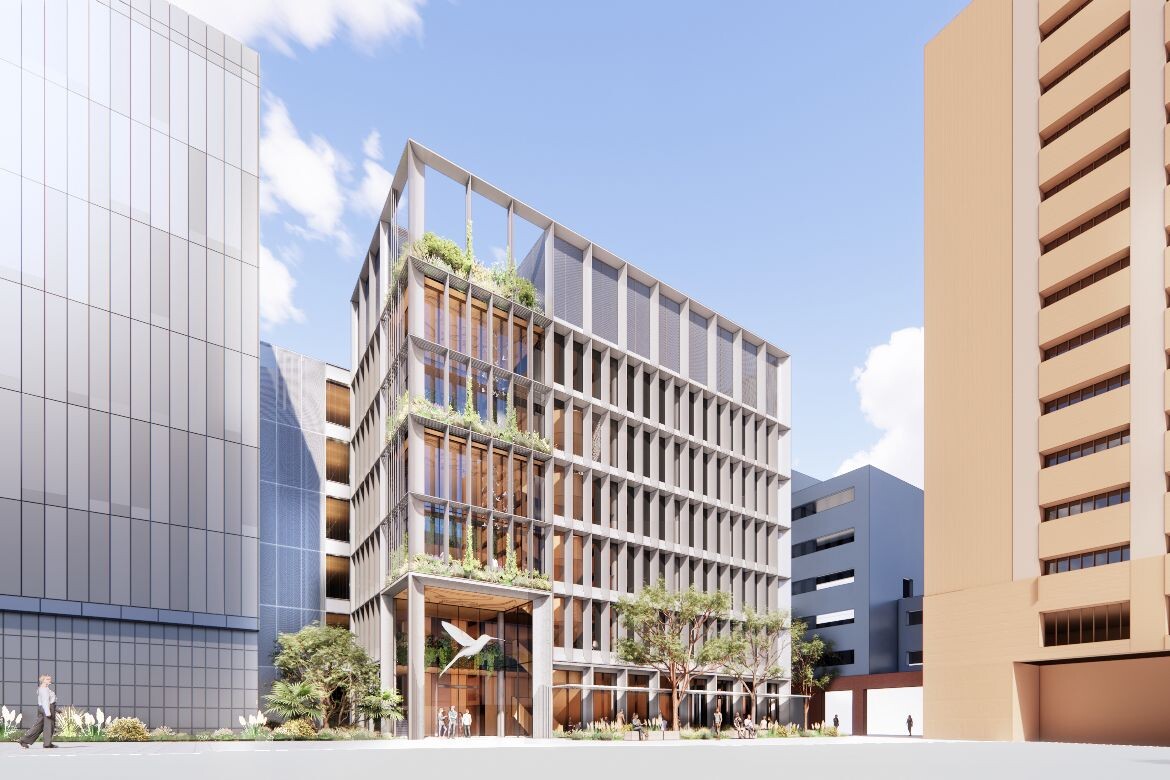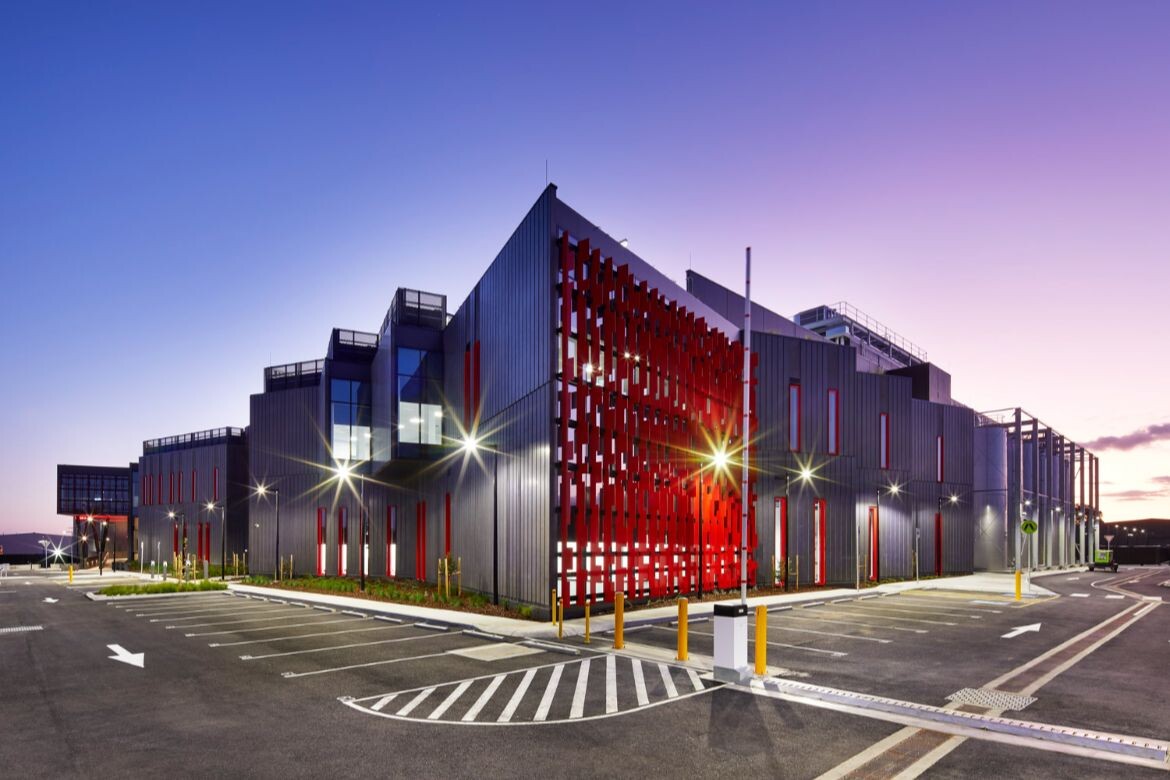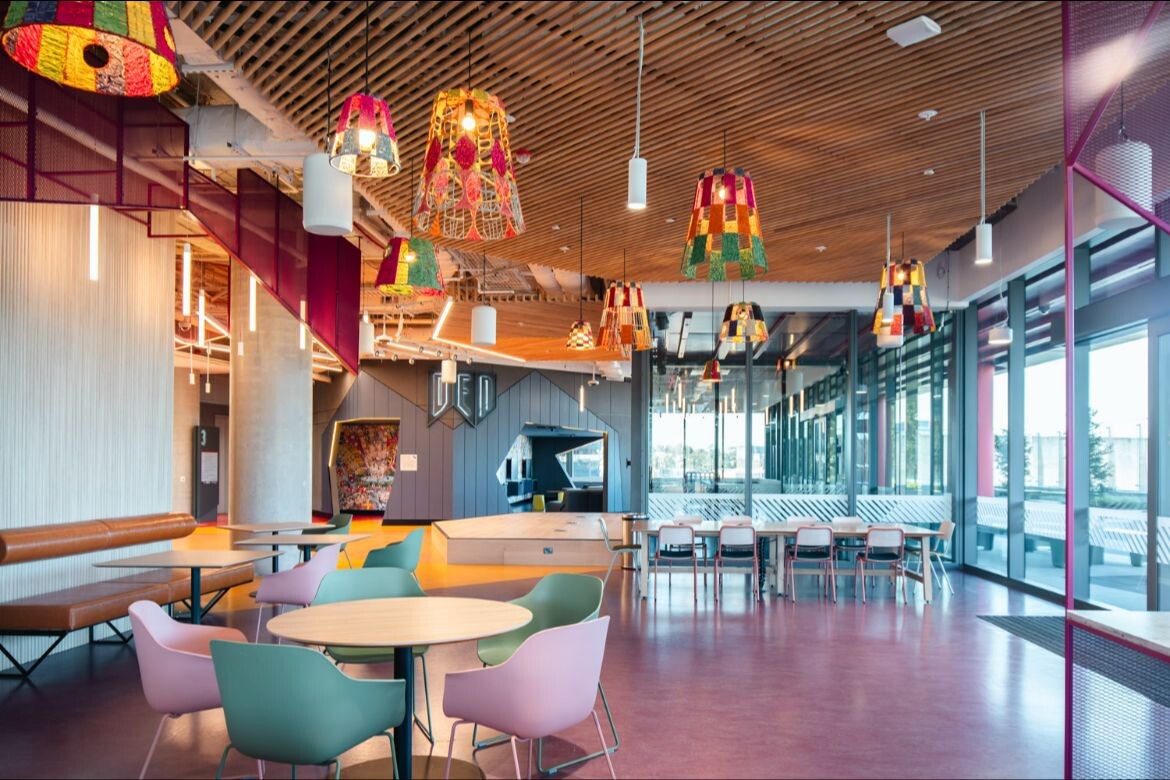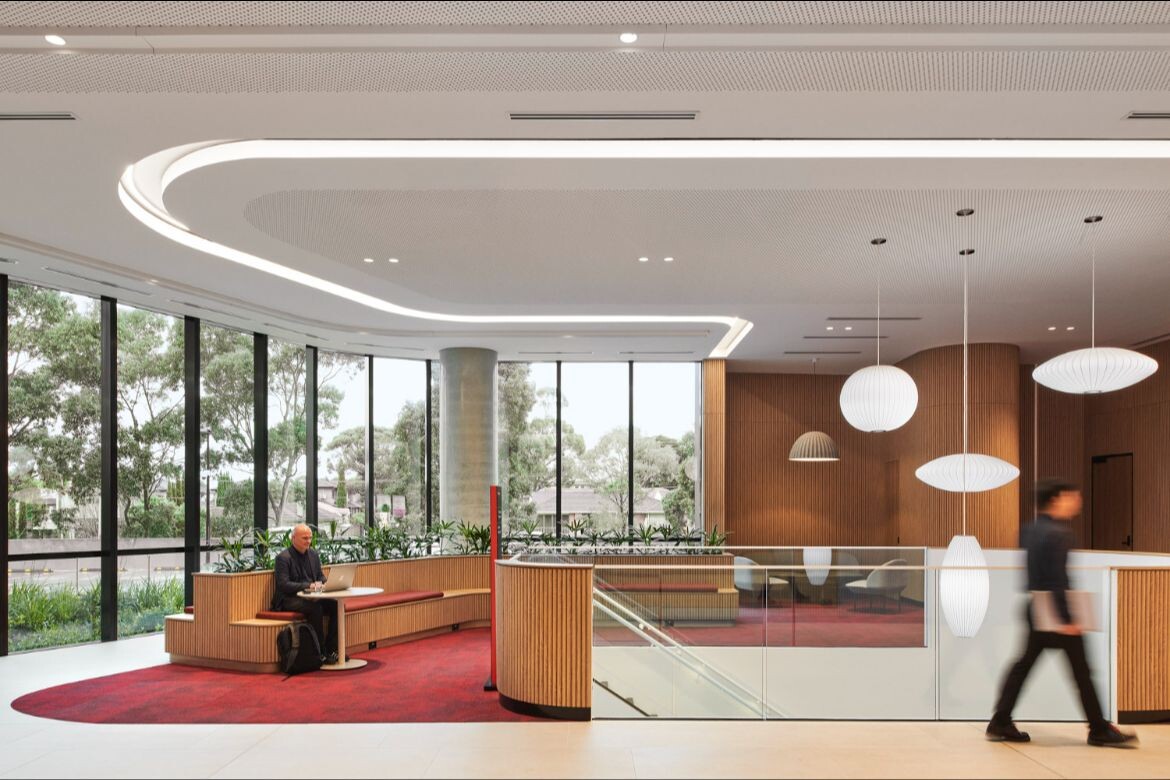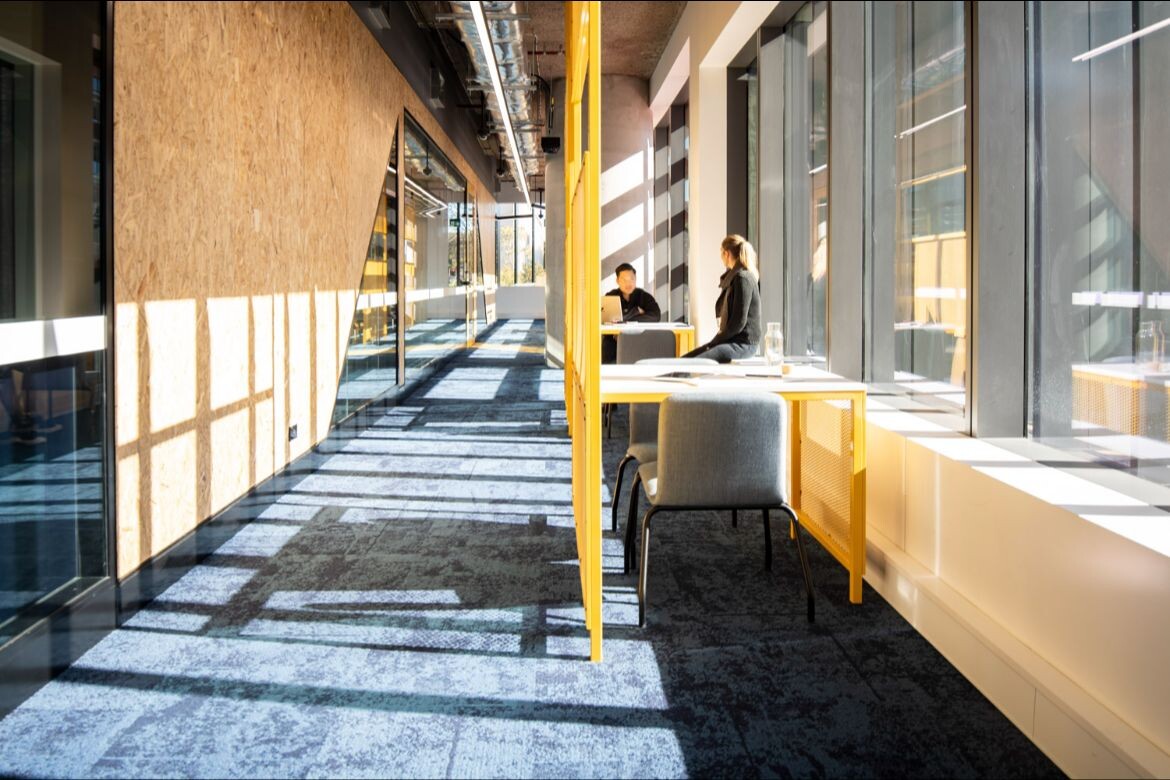
Megatrend 5 -NEXTDC M2 (Vista Media).
In the New Year, architecture will be defined by its ability to orchestrate relationships between inside and outside, public and private, humans and ecology, and data and intuition.
By HDR.
Story continues below advertisement
HDR’s architecture practice in Australia has identified seven megatrends that are increasingly shaping architectural solutions across the country and beyond. These trends signal a shift toward design that is increasingly permeable, performative, civic-minded and deeply engaged with the living systems that sustain us. The next era of design will embrace complexity with clarity, draw intelligence from across disciplines, and craft adaptive environments that open outward to communities and serve as platforms for ongoing civic renewal.
1. Architecture as a living system
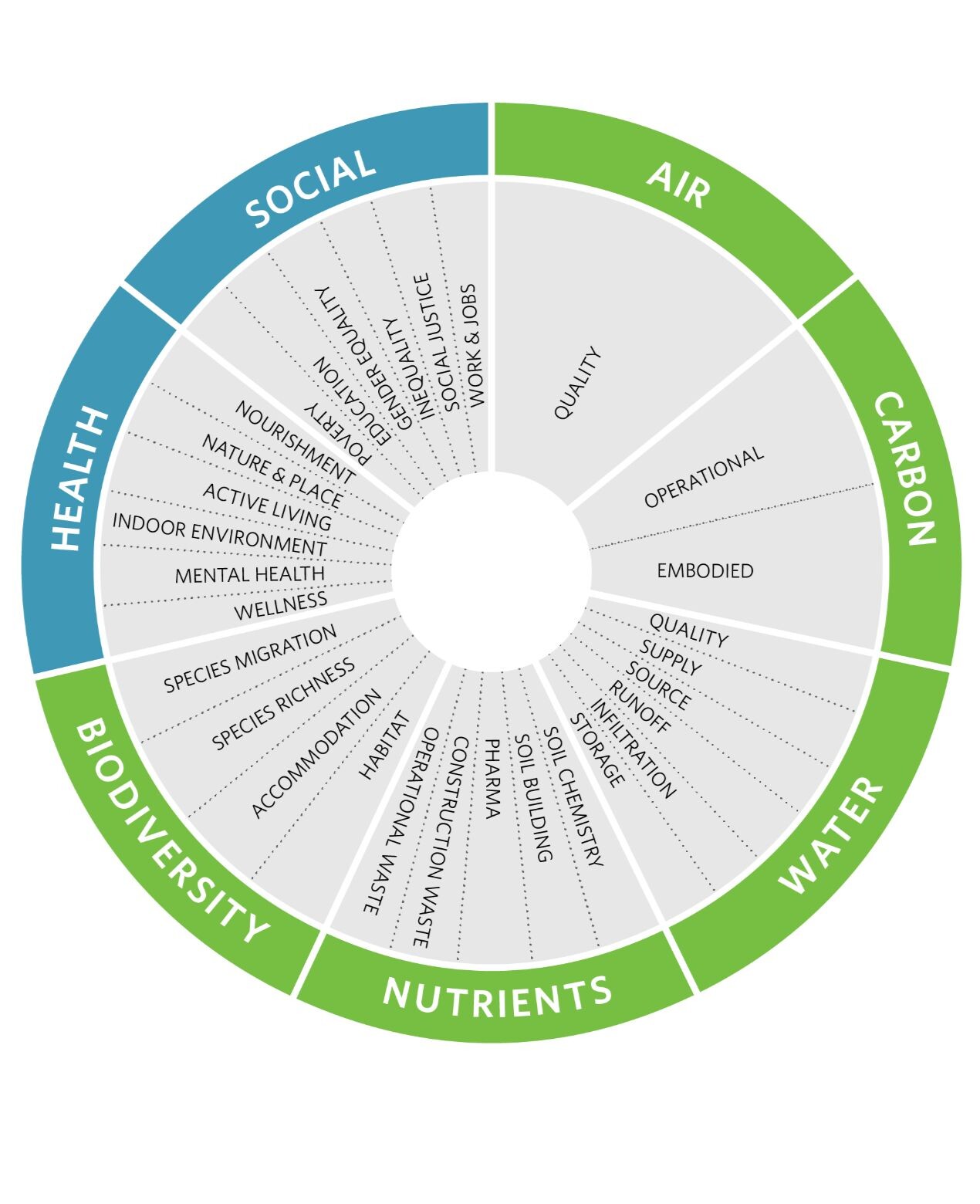
Design excellence is being redefined by architecture’s ability to operate as a living system that is responsive, regenerative and deeply attuned to place. From carbon-positive campuses to water-sensitive landscapes featuring rain gardens, constructed wetlands and permeable streetscapes, buildings are now expected to engage with and enhance the ecological systems that sustain them, including water cycles, energy flows, biodiversity networks, microclimates and habitats.
Story continues below advertisement
Looking ahead, sustainability will evolve from a checklist to a civic pact and actively contribute to Country, climate and community. Informed by First Nations knowledge systems such as seasonal calendars, custodial practices and songlines that map cultural and ecological relationships across land, this approach embraces reciprocity and continuity, positioning built environments as active participants in the stewardship of place.
2. Data-driven design as anticipatory intelligence
Story continues below advertisement
As architecture becomes more responsive to the complexities of urban life, data is emerging not just as a tool for optimisation, but as a form of civic intelligence that enables designers to anticipate change, simulate future scenarios and shape environments that evolve in real time. When meaningfully applied, it reveals patterns of movement, engagement and performance across scales, transforming architecture into a responsive system that is attuned to the flows of the city and the rhythms of its people.
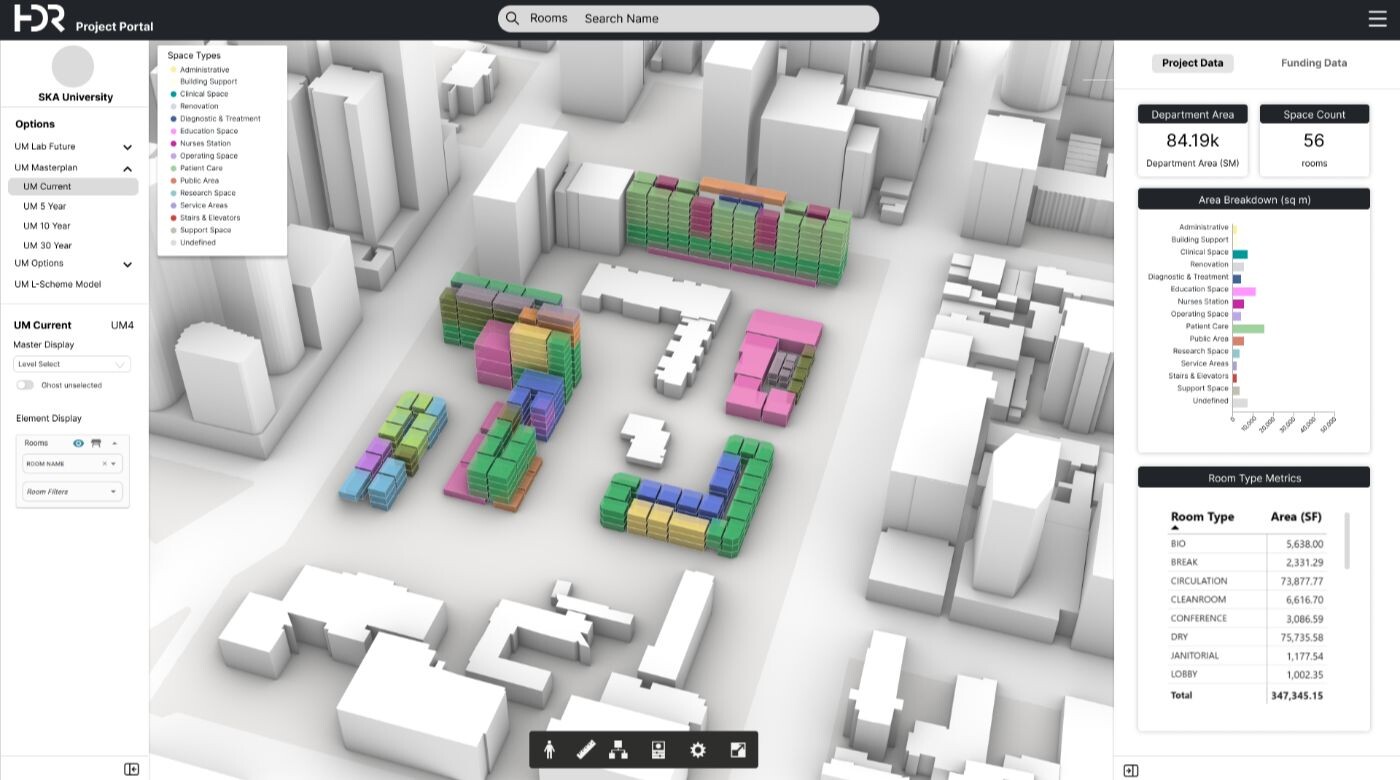
In 2026, artificial intelligence, agent-based systems, computational design and real-time analytics will converge to unlock predictive creativity. Whether modelling patient flows in hospitals or optimising daylight and microclimate in dense urban environments, data will become a strategic design partner. Static masterplans, for example, will give way to dynamic models and interactive dashboards that adapt in real time and enable spaces to evolve alongside the communities they serve.
3. Civic infrastructure as social catalyst
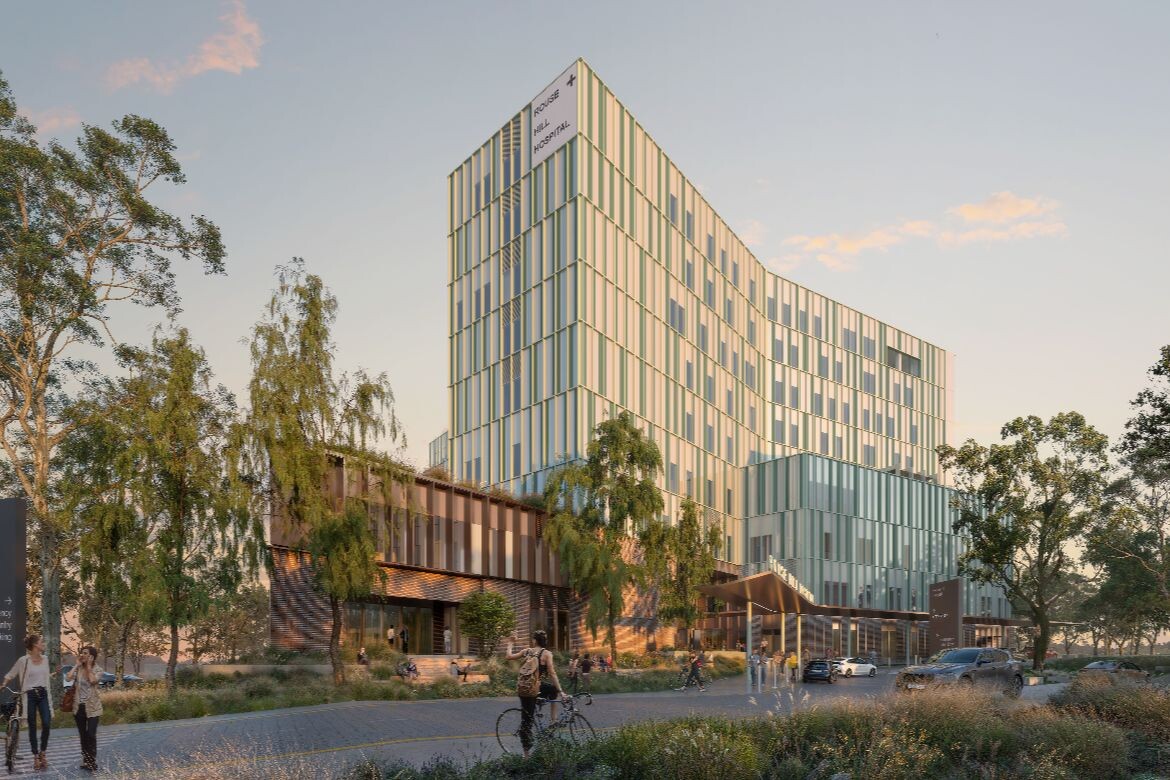
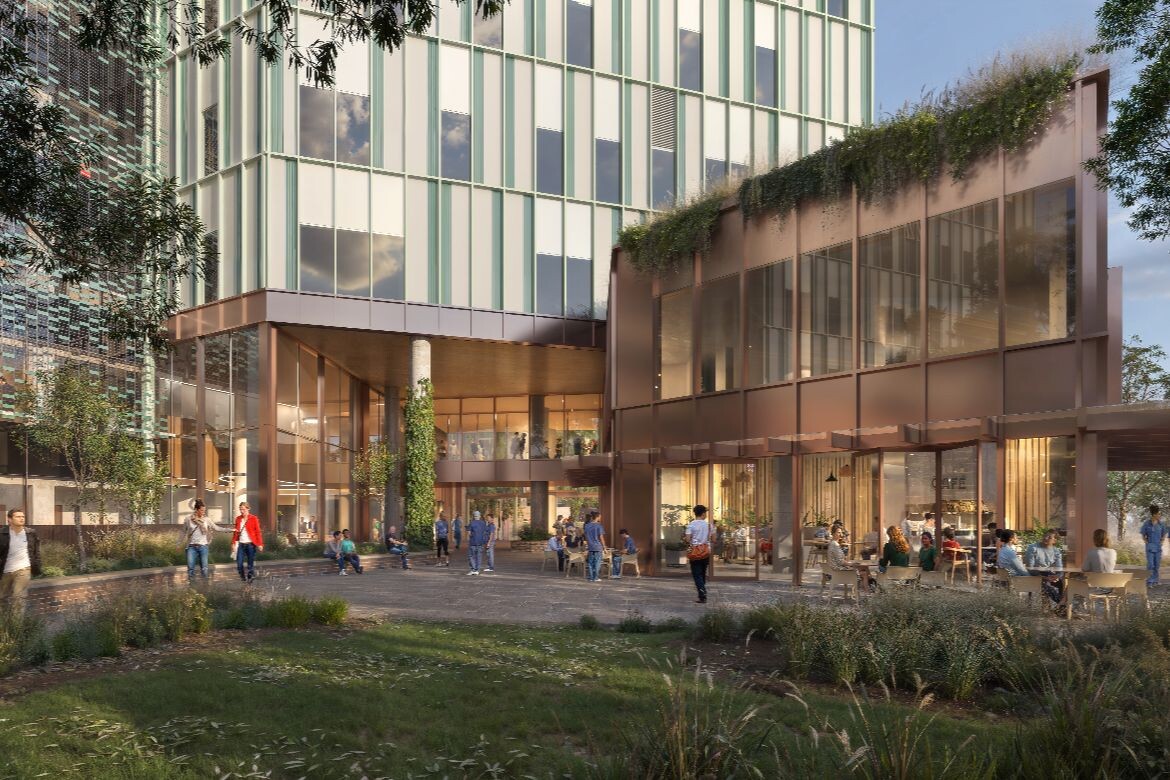
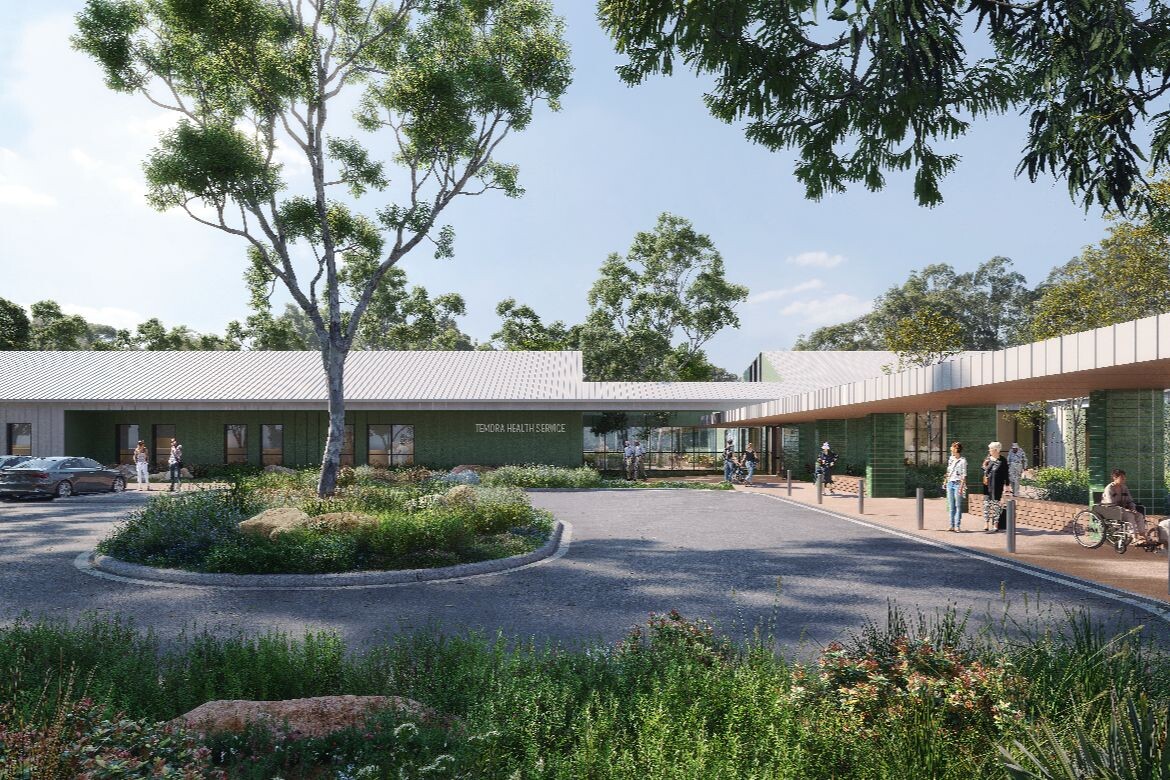
Public buildings and urban spaces across Australia are being reimagined as civic commons that dissolve boundaries between learning, health, culture and community. Universities are designing open, vertical campuses that invite public life; hospitals are extending care into gardens and courtyards to become community assets; and research centres are transforming discovery into shared experience with interactive labs, open layouts and public engagement.
In the coming year, this civic shift will accelerate through tactical urbanism in the form of temporary parks, pop-up cultural programs and Indigenous-led activations that prototype change in real time. These small-scale interventions will cultivate participation and belonging within local communities, demonstrating that the meaningful transformation of towns and cities can begin with modest, well-considered actions.
4. Adaptive reuse and circular construction
As Australia faces rising material costs and ambitious embodied carbon targets, adaptive reuse is becoming a key driver of resilient design. Architects are transforming heritage buildings, industrial shells, and underutilised assets into flexible, high-performance environments that are being reimagined as innovation hubs, commercial workplaces, research labs, university precincts, and mixed-use spaces.
This shift is not only about preserving the past but unlocking new potential through continuity and reinvention. Circular construction practices such as deconstruction mapping, material recovery, and hyperlocal supply chains are turning sustainability into a design language defined by ingenuity, resourcefulness, and long-term value creation.
In 2026 and beyond, adaptive reuse will remain a strategic tool for urban regeneration. It will enable architecture to respond to evolving social, economic, and environmental needs while reducing waste, conserving heritage, and accelerating the transition to a low-carbon future.
5. Diversification of digital infrastructure
As Australia’s digital economy accelerates, digital infrastructure is rapidly diversifying in scale, typology and geography. Data centres, AI hubs, digital exchanges and emerging cloud facilities are no longer singular, standalone assets – they are evolving into a distributed network of specialised, adaptable environments that support critical systems across healthcare, research, education, finance and smart cities.
Over the coming year, this diversification will reshape where and how these facilities take form. We’ll see digital infrastructure embedded within mixed-use precincts and innovation corridors, co-located with offices, labs and learning environments. Designed with architectural intent, these spaces will balance technical performance with experience-driven design, transforming essential infrastructure into integrated assets within their surrounding context.
6. Neuro architecture as a platform for inclusion and wellbeing
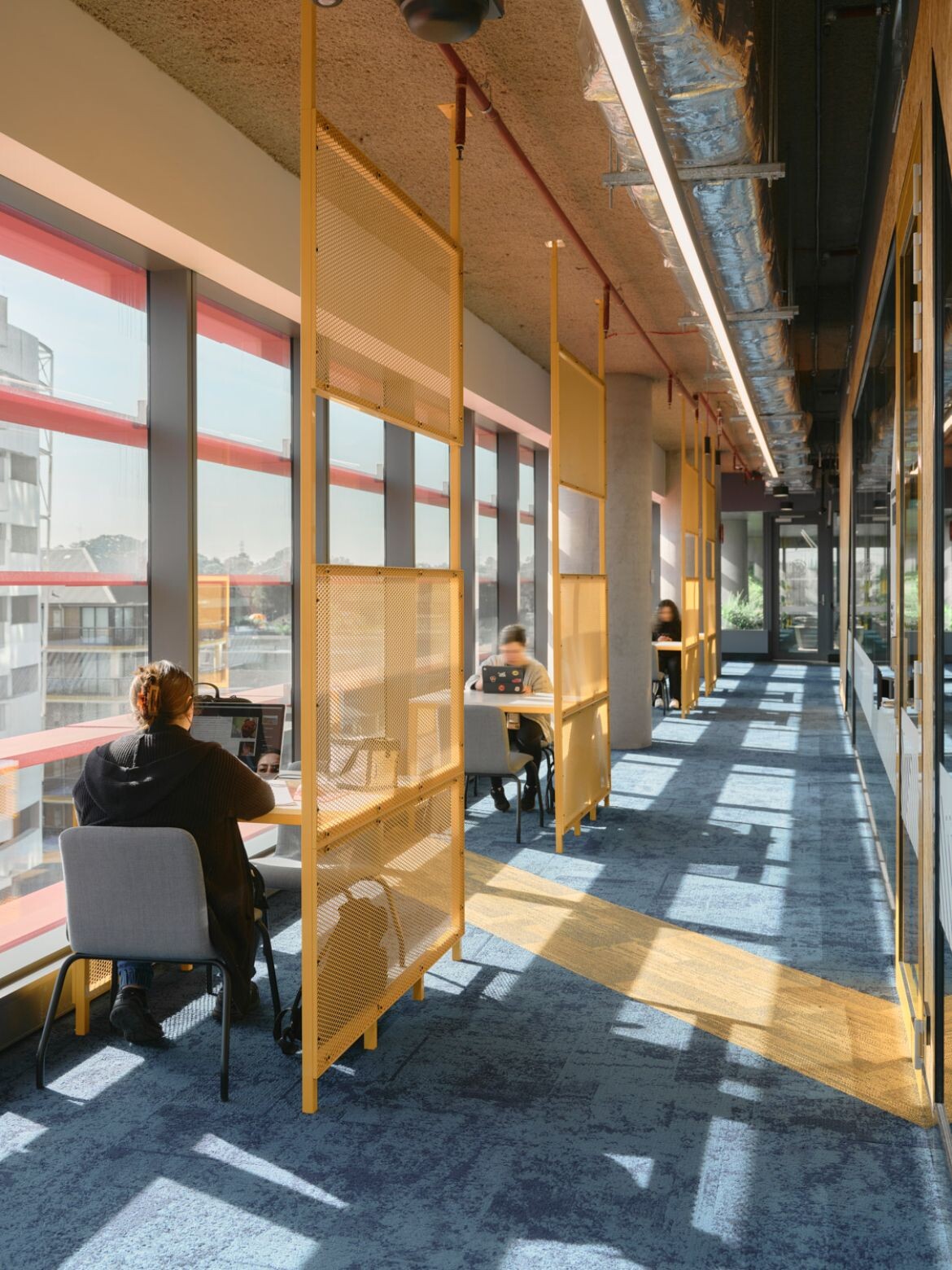
In 2026, architecture will increasingly prioritise mental, emotional and sensory wellbeing through neuroinclusive and wellness-centred design. Multi-sensory environments, circadian lighting, tactile materials and Blue Zones-inspired layouts will foster comfort, calm and connection. These principles will be especially vital in addressing behavioural health needs and supporting neurodiverse populations by balancing stimulation and serenity through acoustic softness, visual clarity and spatial zoning.
Evidence-based approaches to human experience – such as neural sensors that study neurological responses to environments – will begin to reshape design, as will tech-enabled, adaptable interfaces that empower users to modulate their environments according to their sensory and cognitive needs.
As neurodiverse considerations and expanded accessibility requirements become embedded across healthcare, research, education and civic settings, spaces will evolve into platforms for healing and inclusion, become=ing integrated into the social, cultural and ecological fabric of place.
7. Strategic Design as a whole-of-system approach
As Australia undertakes increasingly complex, city-shaping projects across health, education, science and defence, Strategic Design is emerging as a key tool in the planning process. Architects are now being asked to look beyond the immediate design challenge and consider the broader ecological, social and economic networks in which the built environment exists. This requires a whole-of-system perspective – one that understands how the parts of a system interact, collectively shape outcomes, and respond to both context and consequence.
Designers must navigate a cyclical process that translates methodology into impact. By applying multiple lenses, they can anticipate unintended consequences, envision future scenarios and drive meaningful change through incremental shifts in practice. In doing so, Strategic Design becomes a mechanism for alignment – linking policy, infrastructure and lived experience – and fosters partnerships that support responsible innovation. Looking to 2026 and beyond, this approach will be critical in shaping resilient environments and delivering civic value across scales and disciplines.
HDR
hdrinc.com