The home of architecture and design in the Asia-Pacific
Get the latest design news direct to your inbox!

Get the latest design news direct to your inbox!
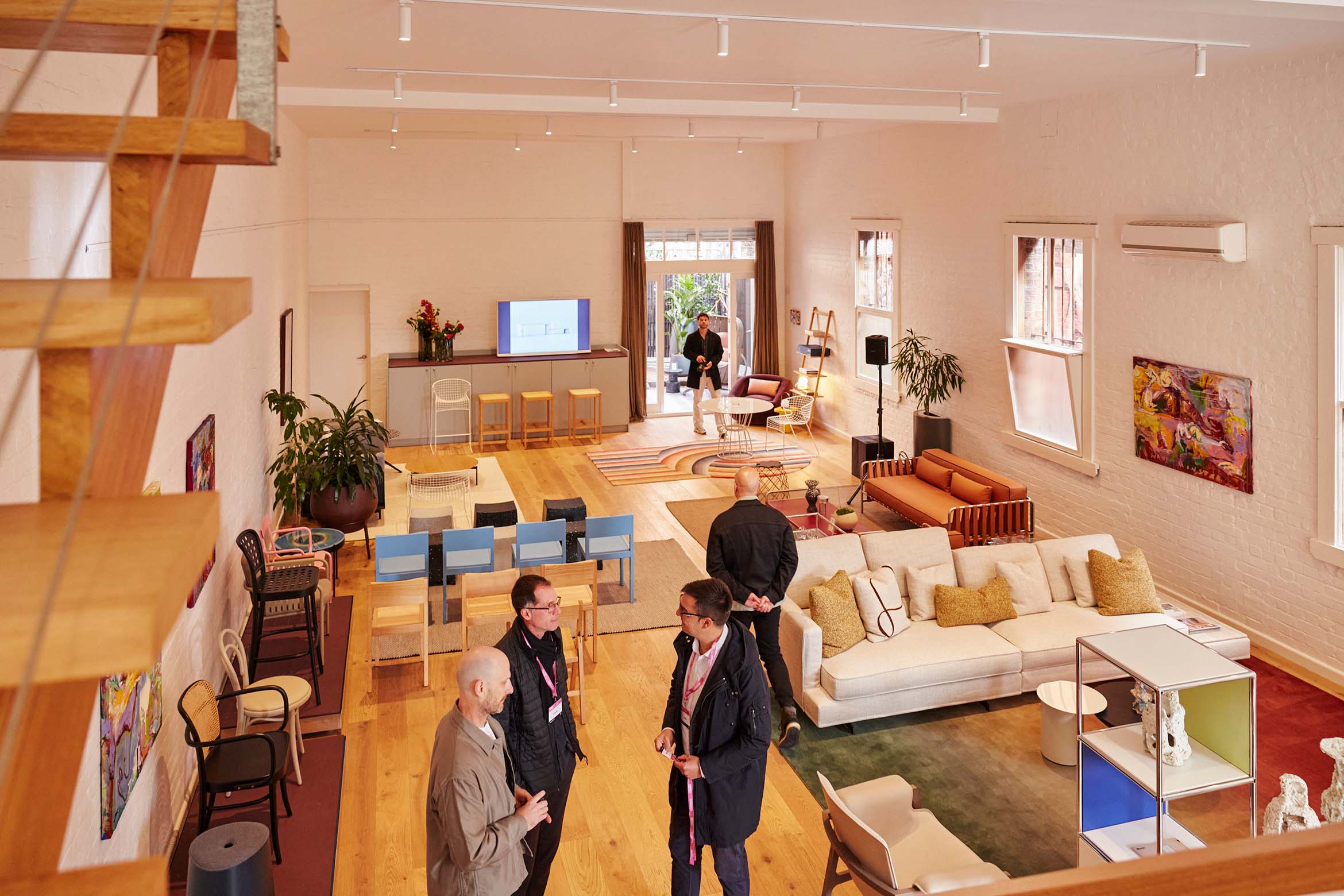
The Altro Neurodiversity Forum 2025 gathered leading architects, designers, thought-leaders and advocates in March at the Manly Pacific Hotel in Sydney.

June 19th, 2025
Focused on reimagining the built environments through the lens of neurodiversity, the Altro Neurodiversity Forum event featured keynote presentations, interactive workshops and a shared commitment to more inclusive, human-centred design.
A call to rethink design norms
In a powerful opening keynote, Patricia Falcetta, an inclusive design consultant and neurodivergent advocate, shared a compelling vision for the future of our built environments. Drawing from her own lived experience, Patricia challenged attendees to move beyond checkbox accessibility toward spaces that actively promote sensory, cognitive and emotional wellbeing. With vivid real-world examples and actionable frameworks, she illustrated how inclusive design not only supports everyone but also sparks creativity, enhances productivity and fosters a sense of belonging for all. Her keynote was both a personal reflection and a rallying cry for architects, designers and decision-makers to see neurodiversity as a design strength, not a constraint.
Related: Davenport Campbell on ‘the average man’


Designing from lived experience
Next, Jo Viney, Principal at Brinnie T Design, delivered a deeply personal and humorous presentation that traced her journey of being diagnosed with autism later in life and how it transformed her approach to design. Through heartfelt stories, client experiences and research insights, Jo emphasised the urgent need for flexible, sensory-considerate spaces that truly reflect the diverse needs of users. She highlighted how common design oversights – from overwhelming signage to one-size-fits-all calming colours – can inadvertently exclude neurodivergent individuals. With warmth and clarity, Jo made the case for universal design as a tool for empathy and empowerment, inspiring the audience to rethink familiar environments through a more inclusive lens.
Transforming schools through inclusive design
The final presentation, a case study presented by Sarah Davis, explored how inclusive design can reshape educational environments for autistic students. Drawing on extensive work with Aspect Schools across Australia, Sarah shared a transformative case study that shows how schools can move from overstimulating, rigid settings to calm, adaptive spaces that support every learner. The talk highlighted the power of co-design, where students, families, educators, and support staff inform everything from master planning to the fine-tuning of classroom furniture. With an emphasis on sensory-friendly design, visual clarity and iterative feedback, Sarah offered a practical blueprint for schools that prioritise equity, understanding, and student success. It was a poignant reminder that the right environment can profoundly impact a child’s educational experience.
The Altro Neurodiversity Forum 2025 made one thing clear: inclusive design is not a niche practice, but an urgent and necessary shift in how we shape the world around us. As we face growing demands for equity, innovation and human-centred thinking, the forum’s message resonates powerfully: when we design for neurodiversity, we design for everyone.
Presentation videos, slides and resources are now available in the Forum Content Hub here.

Designing for the range, not the average, with Dr Nigel Oseland
INDESIGN is on instagram
Follow @indesignlive
A searchable and comprehensive guide for specifying leading products and their suppliers
Keep up to date with the latest and greatest from our industry BFF's!
The internet never sleeps! Here's the stuff you might have missed