As the prominence of luxury brands continues to increase many have found it high-time to interrogate both the definition of the term and the implications of our fascination with it. So, I propose a quick history lesson.
From the Middle English denoting ‘lechery’: derived from Old French luxurie, luxure, itself derived from the Latin luxury (root: luxus [excess]), the earliest known utterance of ‘luxury’ as we understand it today dates from the mid-Seventeenth Century under the reign of Charles II. Renowned for a court of utter profligacy and self-satisfaction, the hedonism characteristic of his reign comes to fruition directly after the reinstitution of the English monarchy after the Civil War and the English Parliament’s puritanical tyranny.
It is important to note this etymological history, I believe, because it informs us quite heavily about why we still remain sceptical of ‘luxury’ even today. Arriving into the English vernacular at the crosshairs of class, commerce, regicide, mass consumption and sexual deviancy, once passing indictment from the mouths of courtiers, ‘luxury’ now passes accolade from the mouths of marketing professionals. What remains consistent across 366 years, however, is that ‘luxury’ is inextricably entwined with the haves and have-nots. And as that disparity continues to widen, isn’t it time we thought about what precisely is valuable about the luxurious?
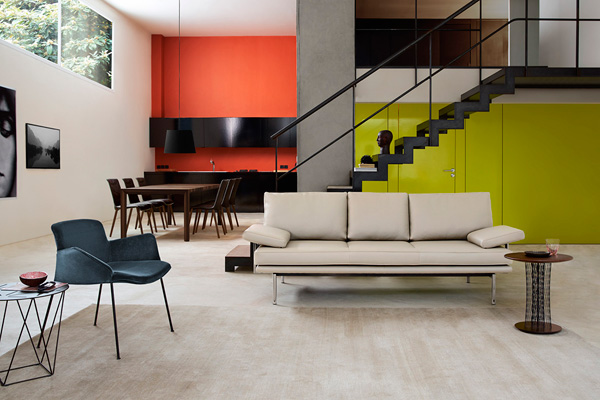
Stepping beyond mere price tags and the magnetism of labels, mainstay of top-shelf quality furnishings – Walter Knoll – provides a much-needed reinterpretation of the role luxury ought to play in our lives. Moving past the exhibitionism of material objects, the brand’s ethos is steeped in the belief that ‘luxury’ is inseparable from social responsibility. As they celebrate their 150thbirthday, the team at Walter Knoll is also celebrating 150 years of preserving the kind of craftsmanship and traditional skills that are too-swiftly disappearing from the world of design. While billions of dollars are spent annually on design products that are used, today, and discarded to landfill, tomorrow, the Walter Knoll commitment to designing objects that are proofed against the future intercedes in that psychology of unsustainable production which panders to ephemeral consumption and disposable design.
Harnessing the timeless qualities of precision, expertise, and innovation, Walter Knoll’s enormous portfolio speaks to the virtues of rigorous research and development in the production cycle. Bringing timelessness (or, the protracted lifecycle of each Walter Knoll piece) into conversation with connoisseurship radically reimagines ‘the luxurious’ from connoting conspicuous consumption and status, to instead a new conception that speaks to a system of ethics and respect. That is, our responsibility as the design community to conserve excellence of craftsmanship and ecologically conscious use of material.
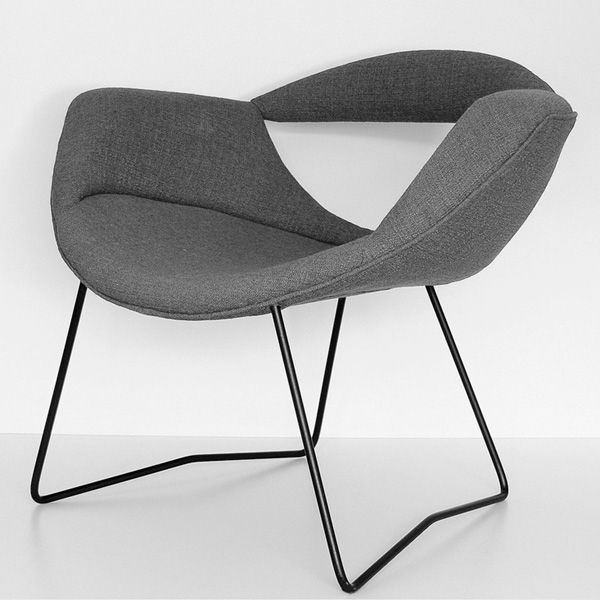
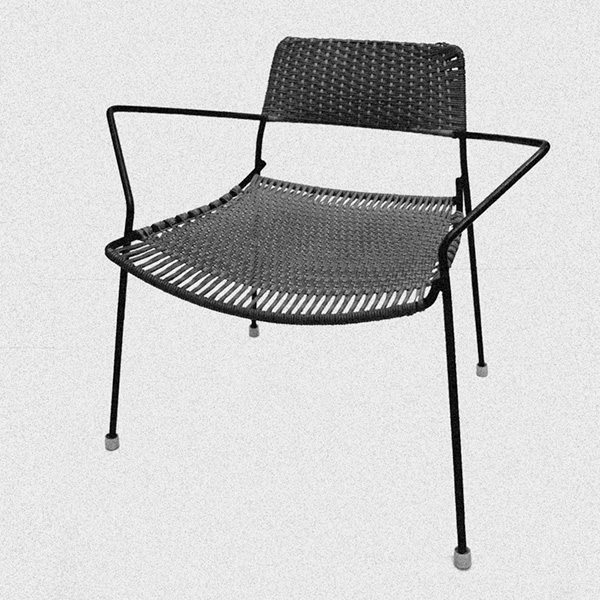
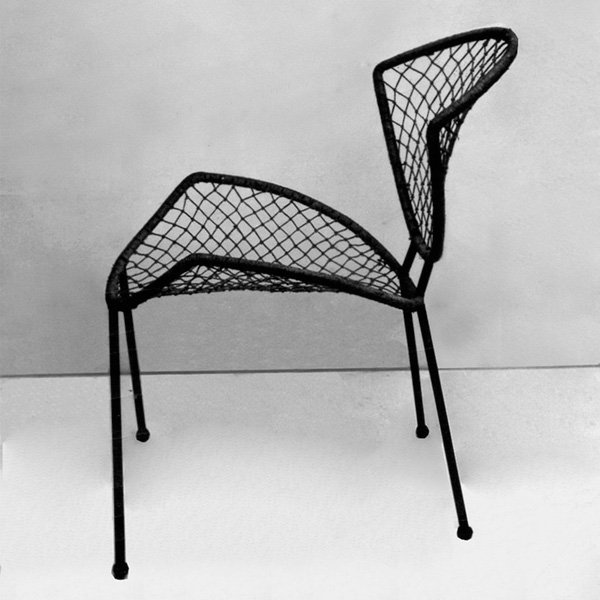
Insofar as this is the case, the recent homecoming of the Burgaz Chair to the Walter Knoll collection deserves especial mention. Designed by Sadi and Neptun Ozis in 1953 (original prototype images above), the Burgaz is a dramatic meditation on line and spatiality. While the original featured fishnet cable, its modern iteration celebrates the pinpoint accurate upholstery for which Walter Knoll’s design and production teams are notorious. Unquestionably modern and elegant, the Burgaz Chair is just one example out of hundreds that stand for capital-L Luxury: the delicacy and refinement of experience. Or, the joy and inherent value of living – to be exact.
This article is presented by Walter Knoll.
Walter Knoll
walterknoll.de/en