Following the inaugural event in 2014, the Festival of Urbanism returns with an expanded program that extends from Sydney to Parramatta. The theme of this year’s festival, ‘Urban Myth-busting’, sees expert panels, international speakers, city tours and films uncover the misnomers and real problems facing Australian cities.
The University of Sydney’s Professor Peter Phibbs, Director of the Henry Halloran Trust, the sponsor of this year’s Festival, says that facts will be separated from fiction. “There are different stakeholders in our cities pushing their own agendas, sometimes based on misinformation and untested theories. It is time to put these theories under the microscope and separate fact from fiction. When we are tackling complex city problems we need to examine the best available evidence.”
In the current, highly-competitive housing market there has been much talk since 2012 about Chinese investors driving up property prices. Researchers Professor Hans Hendrischke from the China Studies Centre and PhD student Sha Liu from the Urban Housing Lab at the University of Sydney, together with Dr Dallas Rogers from the University of Western Sydney will discuss the drivers, politics and data on Chinese investment in Australian real estate.
On the issue of the hot housing market, many commentators conclude that the only solution to housing affordability is to increase housing supply. However Sydney has seen significant increases in supply accompanied by very large house prices. A property market expert Professor Laurence Murphy from the University of Auckland will reveal the true relationship between housing supply and prices, and will provide some solutions for housing policy-makers to manage the price hikes in metropolitan markets.
International experience, especially in the UK, has shown that the not-for-profit (NFP) sector can play a key role in increasing housing supply. David Cant, CEO of BHC, Australia’s biggest NFP developer, will describe the experience of his company and issue a call for NFP developers to be seen as an important part of the affordable housing supply system.
One of the biggest transport myths ‘roads are the solution to congestion’ will be tackled head on by the University of Sydney’s infrastructure experts Professor Michiel Bliemer and Dr Matthew Beck. This event will be co-presented with Sydney Ideas.
The view that crime is out of control in Sydney will be up for scrutiny. With Sydney recording a significant drop in crime over the last ten years, the University of Sydney’s Dr Jennifer Kent and Dr Garner Clancey from the Sydney Institute of Criminology will examine what has happened and what more can be done to make cities safer.
Moving west, several events in Parramatta will contest the city’s future alongside its bigger sister, Sydney. While transport policy currently focuses on getting people into the CBD, the situation in Parramatta is very different with most workers residing in Greater Western Sydney. So what is the outlook for transport in Australia’s next biggest city, when most workers travel by car? In addition, the stigma that arises from places in Sydney’s western suburbs described as ‘Struggle Street’ will be explored at a University of Western Sydney public forum.
Lesser-known truths such as ‘mosquitoes as democratic urban planners’, looking at Darwin as a case study; China’s ‘Mousetribe’ that call Beijing’s converted air raid bunkers home; the ‘global love affair with the cable car’ that is spreading to other cities; and ‘where to get a decent cup of coffee in Parramatta’, will be revealed.
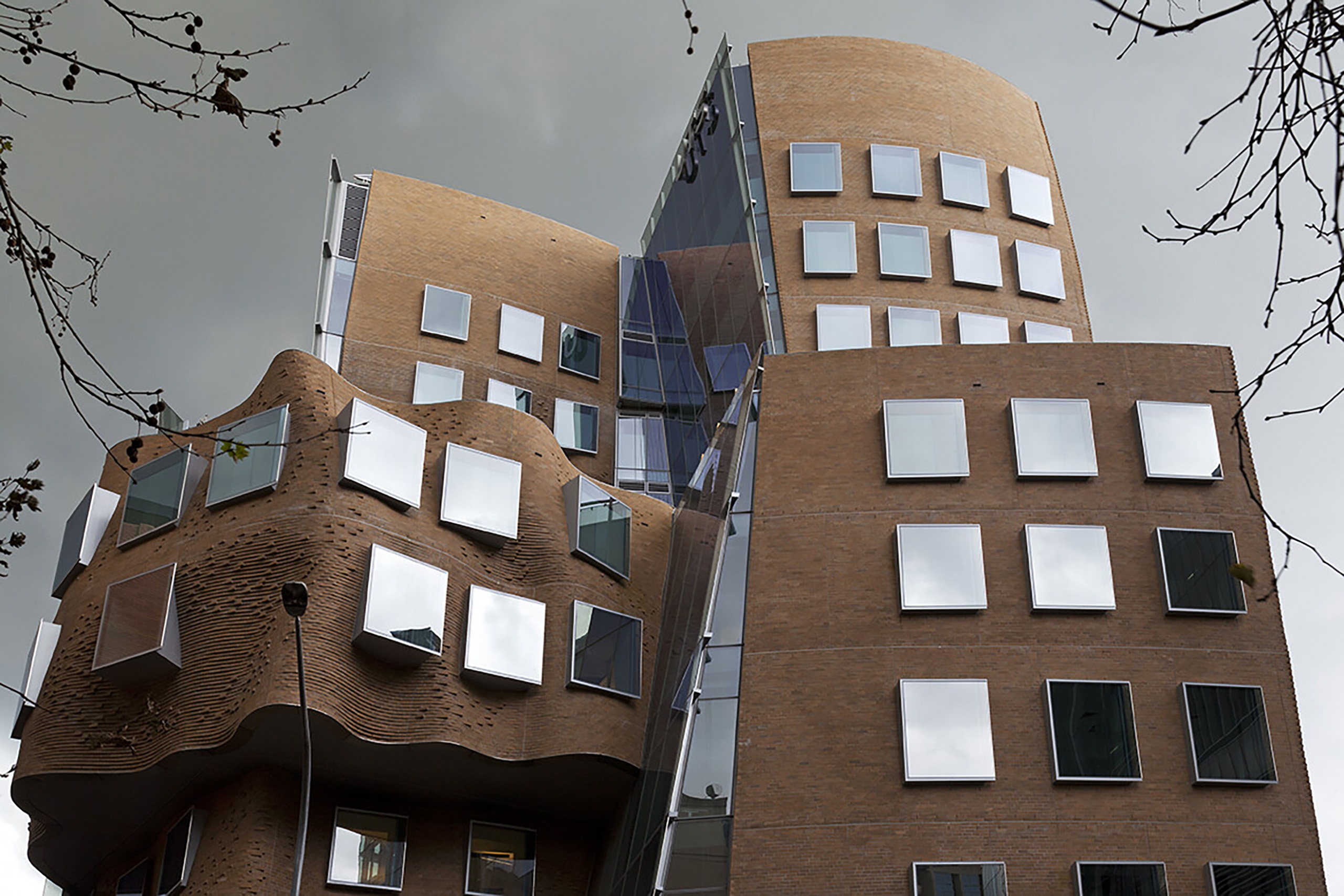
Sydney Architecture Walks will tour many of the ‘starchitect delights’ of the Sydney’s inner city suburbs of Ultimo, Chippendale, Redfern and Surry Hills, which have experienced a cultural and architectural renaissance in recent times. Former Prime Minister Paul Keating’s comments in 2011 about ‘sandal-wearing, muesli-chewing, bike-riding pedestrians’ of the inner city that have ‘no concept of a metropolitan city’ will be brought into question.
Date: September 1–10
Location: University of Sydney and other CBD and Parramatta locations
Register: sydney.edu.au/festival-urbanism