The home of architecture and design in the Asia-Pacific
Get the latest design news direct to your inbox!

Get the latest design news direct to your inbox!
Architectus Principals Simone Oliver and Patricia Bondin are set to speak at WORKTECH Sydney this year, so we asked them for some sneaky early insights on workplace design.

July 30th, 2025
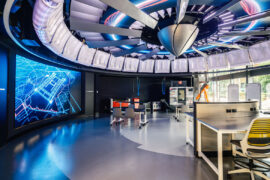
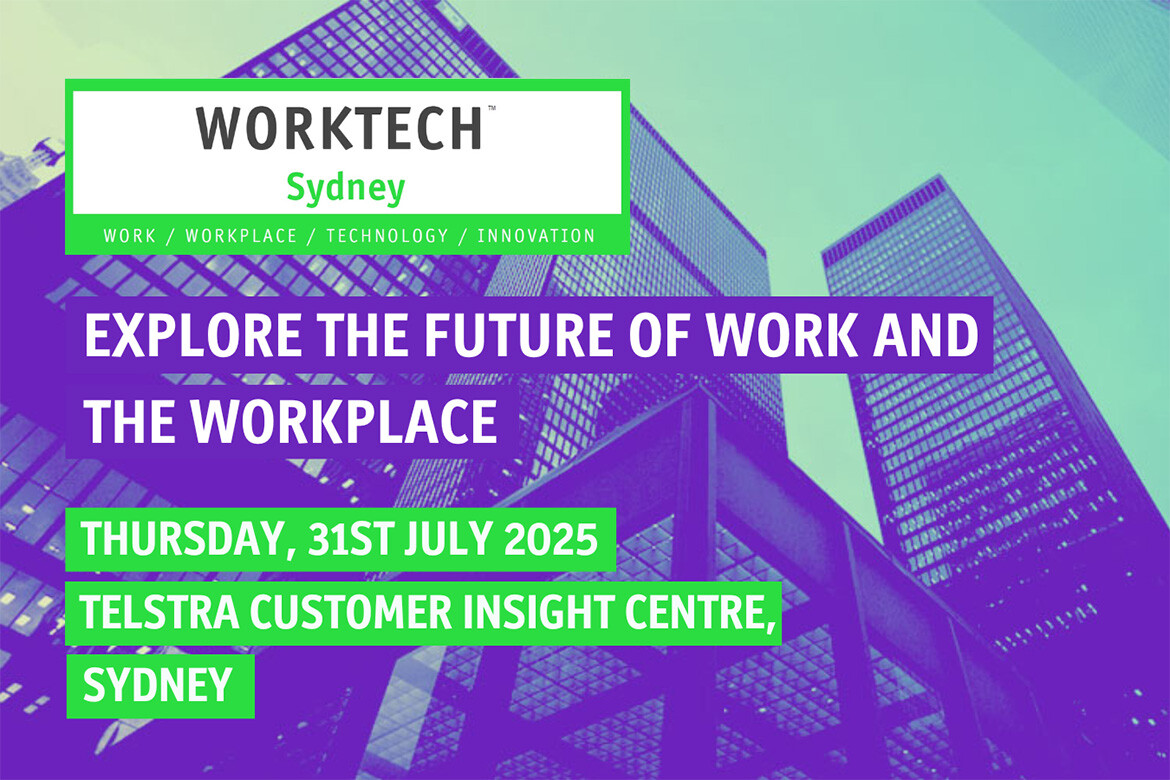
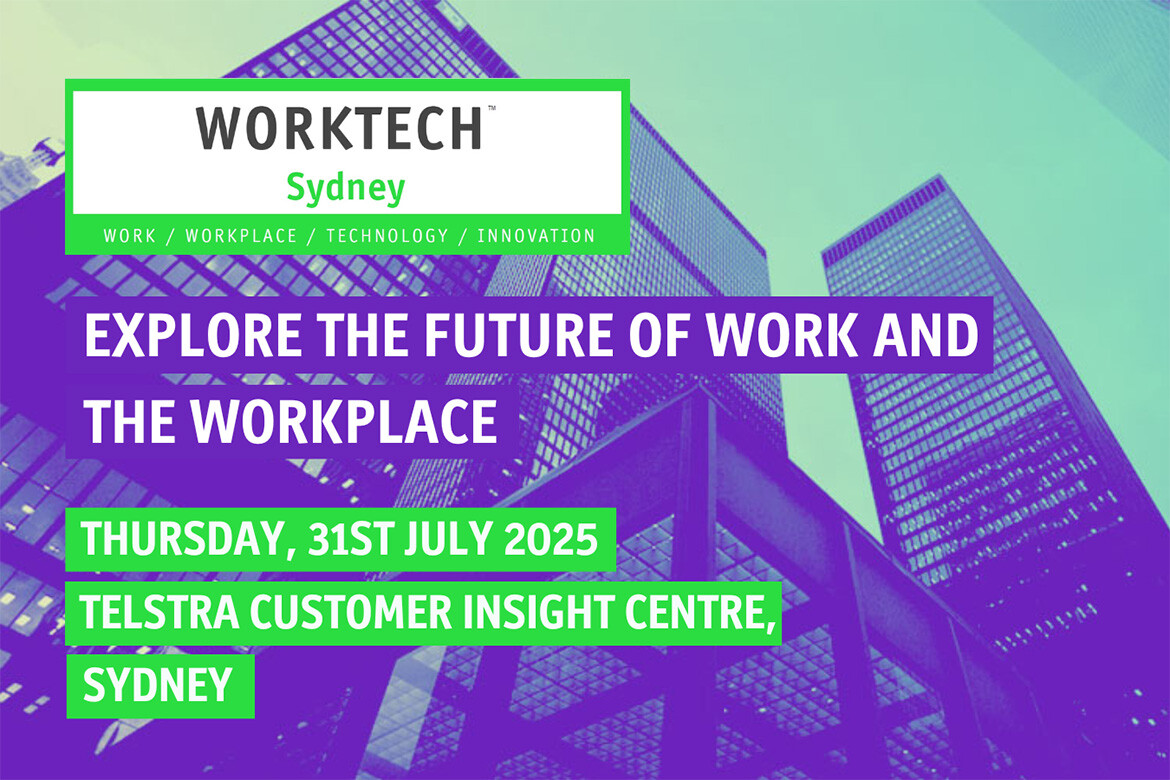
WORKTECH25 Sydney is bringing together professionals from workplace strategy, design, technology, and real estate to explore the future of work. Held at Telstra’s Customer Insight Centre, the full-day event features keynote talks, panel discussions and case studies focused on creating environments where people thrive. Key themes include hybrid work models, data-driven workplace design, community and belonging, and designing for future generations. Attendees engage with new research, practical strategies and emerging ideas on how the workplace can support creativity, collaboration wellbeing, and organisational goals.
The event offers insight into how evolving expectations and digital transformation are reshaping where and how work takes place. On the eve of WORKTECH25, we spoke to Simone Oliver, Principal and Group Director Living + Working, and Patricia Bondin, Principal and National Design Leader for Interior Architecture. Both will be representing Architectus at this year’s event.
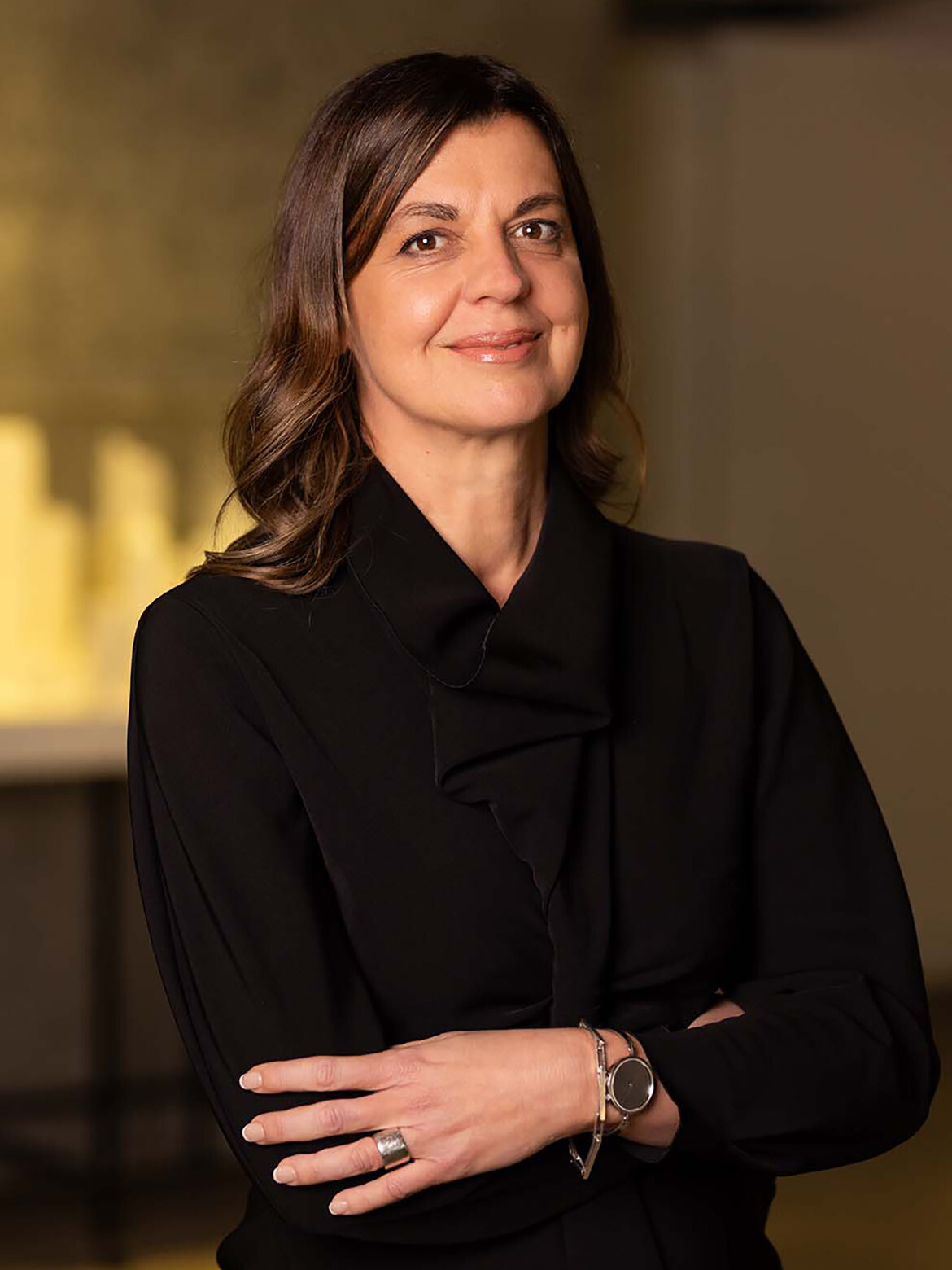
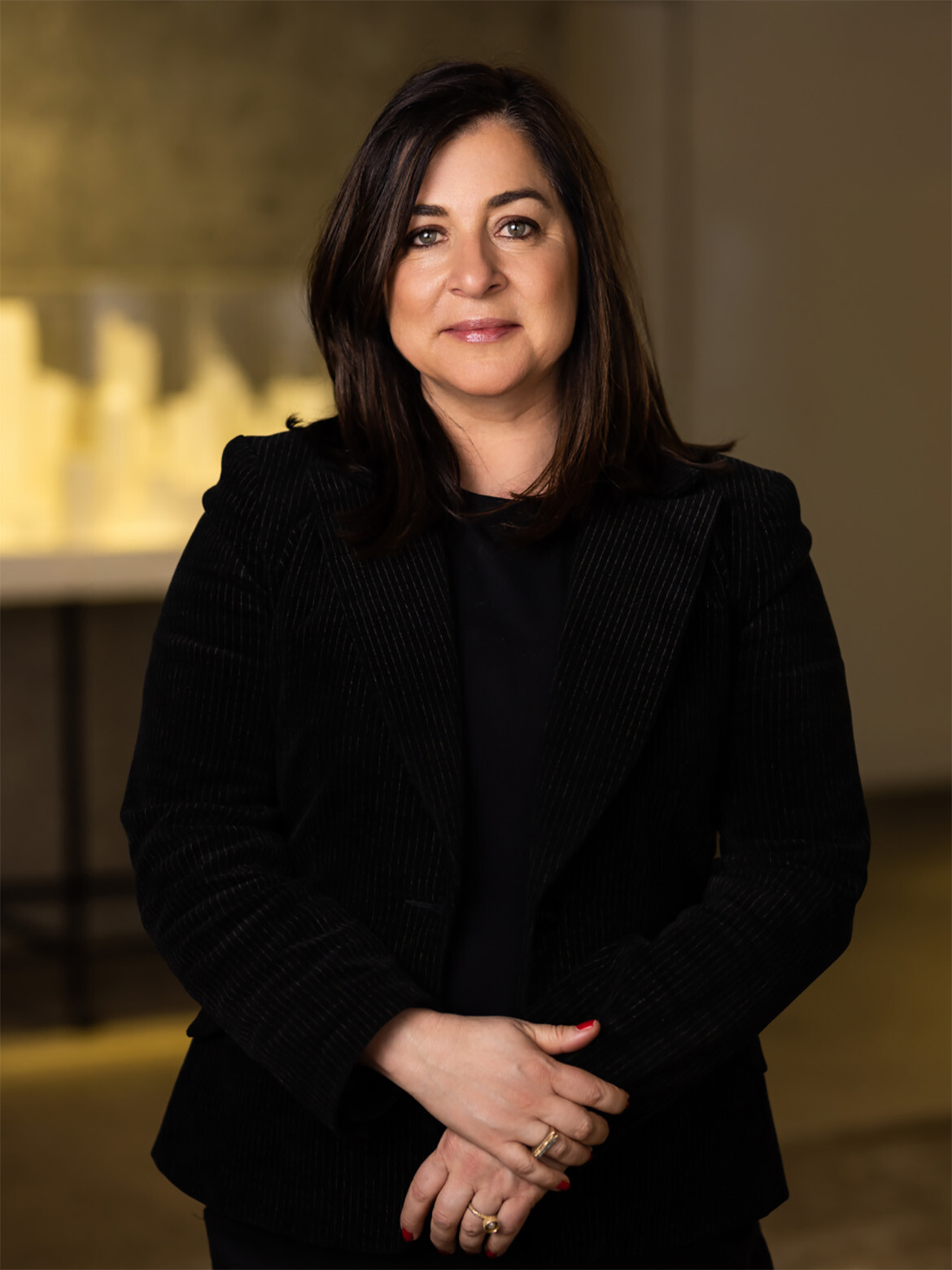
Timothy Alouani-Roby: Please tell me about your involvement at WORKTECH Sydney 2025 – what will you be speaking on?
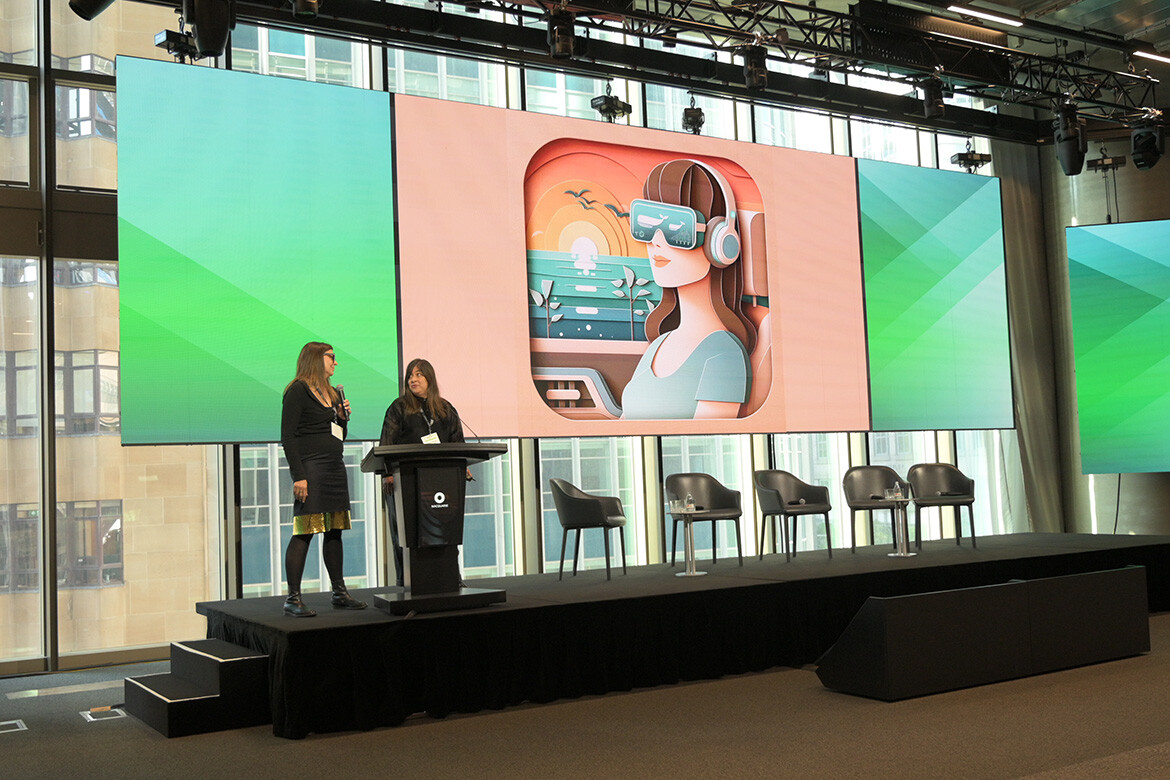
SO & PB: We are moderating the event, introducing the speakers and events of the day, as well as sharing our own workplace insights.
What’s the difference between a workplace where people thrive and one where people are held back?
We find a workplace where people thrive is purposefully designed to empower – supporting autonomy, connection and wellbeing through space, culture and technology. It’s a place where people are enriched by coming to the office. In contrast, a workplace that holds people back usually neglects these essentials, creating environments that stifle energy, limit collaboration and fail to inspire.
How important is good design in facilitating a thriving workplace?
Good design is essential to a thriving workplace – it’s the experiential engine that drives performance, culture and wellbeing. It doesn’t have to be about aesthetics – the design community often falls into this realm of projecting design prowess – but about the energy that place can create. A great place to work shapes how people connect, focus and feel, turning physical space into a catalyst for innovation and belonging. At its best, workplace design doesn’t just support work – it inspires it.
Related: Co-working design with Foolscap Studio
How does your role as designers overlap and intertwine with workplace experts from other fields, e.g. psychology?
Specialist partners are very much the norm in workplace design, and our teams are continually evolving to embrace diverse contributions to the outcome. We work in creative partnerships for most of our projects. We regularly collaborate with strategists, change managers, circularity and sustainability experts, data analysts, brand and experience designers, Indigenous advisors, and specialists in diversity and inclusion – each bringing critical perspectives that enrich the design and impact of workplace environments
How are you engaging with data in shaping your approach to workplace design?
Data is a powerful lens through which we understand how people use space, what they value, and where friction or opportunity exists. It can also back up what we intuitively know as designers. We combine occupancy insights, behavioural analytics and qualitative feedback to shape workplaces that are not only efficient, but deeply human. We love a workplace survey!
What does the future hold, and how do you expect generational attitudes to evolve?
Thats a big question! The future of work is being shaped by a five-generation workforce and rising expectations for flexibility, purpose and authenticity – especially from younger generations who see work as an extension of their values. As AI reshapes routine tasks, workplaces will need to become more inclusive, adaptive and human – supporting creativity, connection and continuous learning. As designers, we need to be nimble and far-reaching in our approach to stay ahead of the massive curve of change impacting our working lives.
How important is community and connection?
Community and connection are fundamental to a thriving workplace – they foster belonging, drive collaboration and build the trust that underpins high performance. In an increasingly hybrid and digital world, designing for meaningful human interaction has never been more critical. This is especially true for the ‘missing middle’ cohort – emerging leaders who are often least visible and hardest to engage but operate the ‘engine room’ to most organisations.
What are you hoping attendees will take away from this year’s event?
WORKTECH Sydney will be bringing out an incredible programme of some of the best and brightest minds in the industry. There will be something for everyone – so much to learn from across technology, design, workplace strategy and the evolving future of work. I hope attendees leave inspired, armed with fresh ideas and motivated to challenge the way we think about workplaces of the future.
WORKTECH25 Sydney
worktechevents.com
Architectus
architectus.com.au
INDESIGN is on instagram
Follow @indesignlive
A searchable and comprehensive guide for specifying leading products and their suppliers
Keep up to date with the latest and greatest from our industry BFF's!
The internet never sleeps! Here's the stuff you might have missed