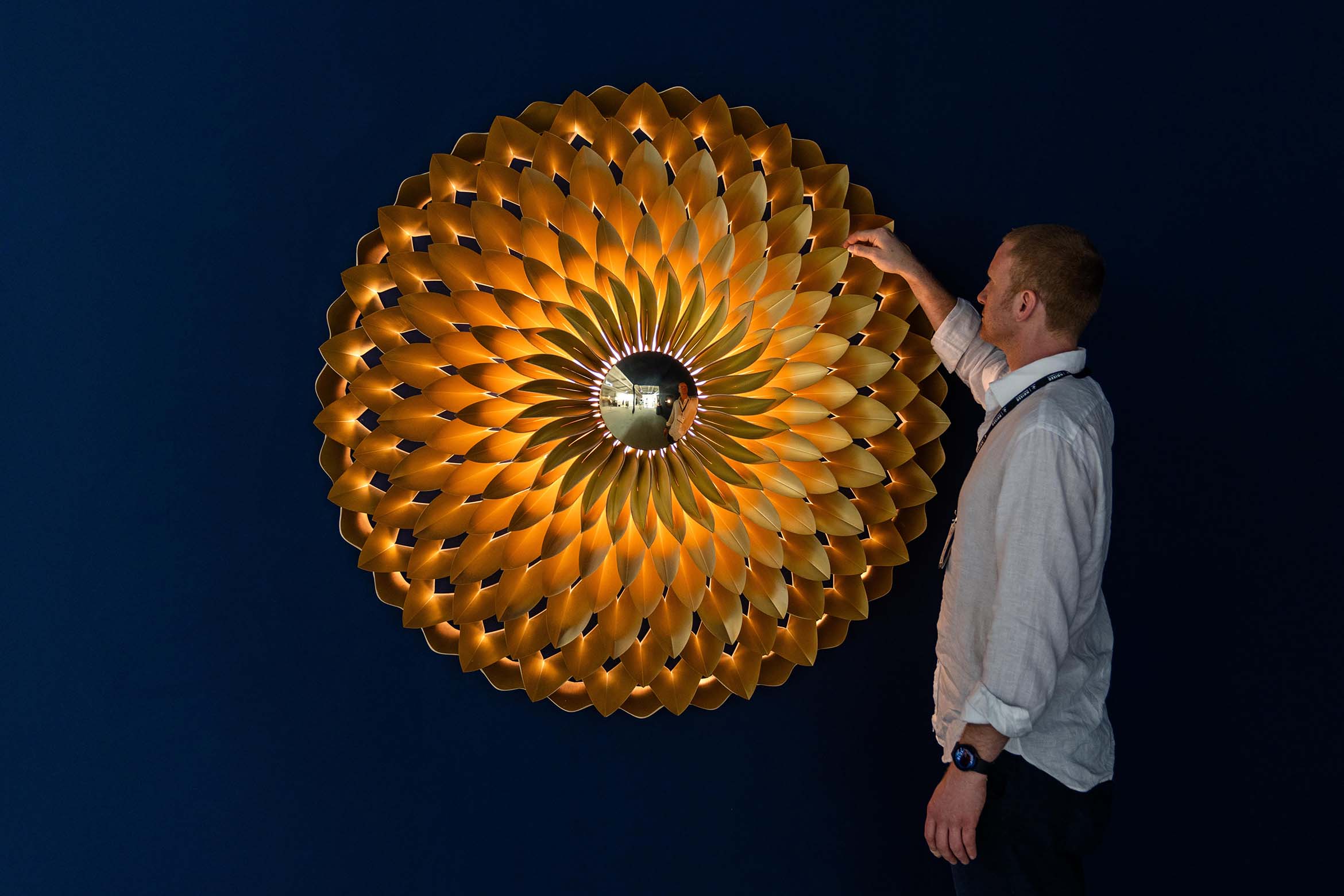
There is no doubt that Australia lays claim to many extraordinary object and industrial designers, and Edward Linacre is definitely one of the best. While he may not be a household name in the public arena, architects and designers know his work and he has made a name for himself as someone who pushes and reimagines the boundaries of sustainability and design.
Linacre comes from a family of creatives where art and music are central, and it was his grandfather who instilled the idea of sustainability and reuse, as he was a pioneer of recycling plastics in Melbourne back in the early 1970s.
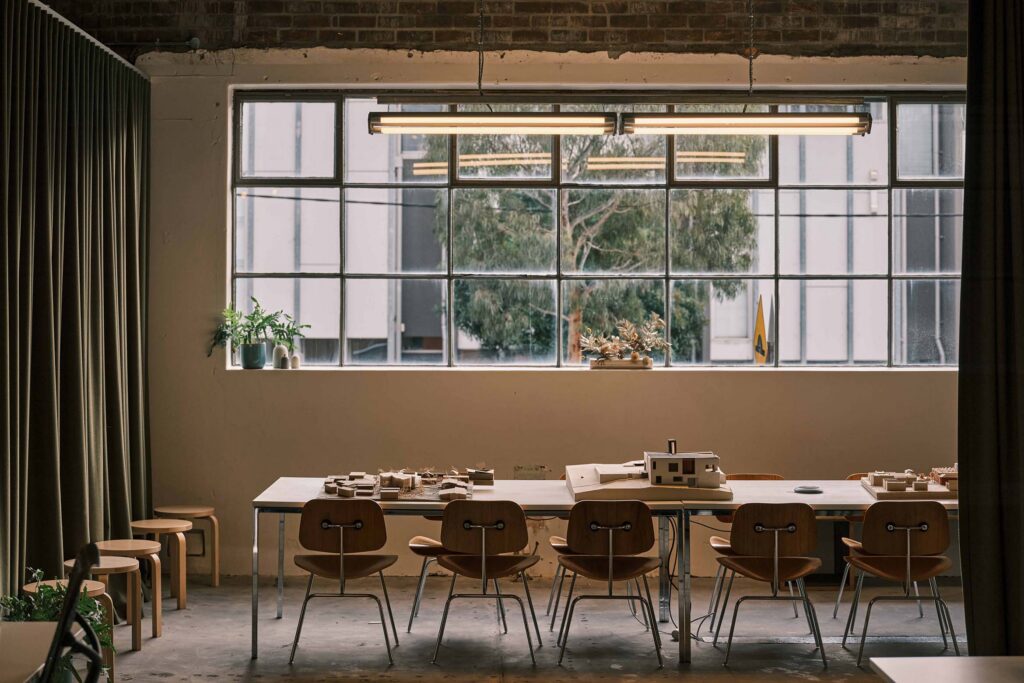
As a young student, Linacre was interested in design but unsure of exactly the right medium. He applied to the Brighton Bay Art Design & Photography Program as a candidate; however, he was advised that, from his portfolio, a career in industrial design would best suit his talents.
Following this advice, he was accepted at Swinburne University, where he was lectured by the inimitable Judith Glover. Glover is a dynamic lecturer, especially in the area of sustainable design, which made an indelible impression on Linacre, but she failed to pass him in his first year – saying he had talent but needed to apply himself. Linacre took his mentor’s words to heart and began to buckle down and study.
In his third year, he was accepted on an exchange with HAWK University of Applied Sciences and Arts in Lower Saxony, Germany, and so began the honing of his craft. He won the university’s furniture prize and was offered an internship with Wiege, the design studio at Wilkhahn. Consequently, he lived in Germany for 20 months, finally returning home to complete his Australian studies.
Related: Tzannes’ Amy Dowse on three golden rules for a viable practice
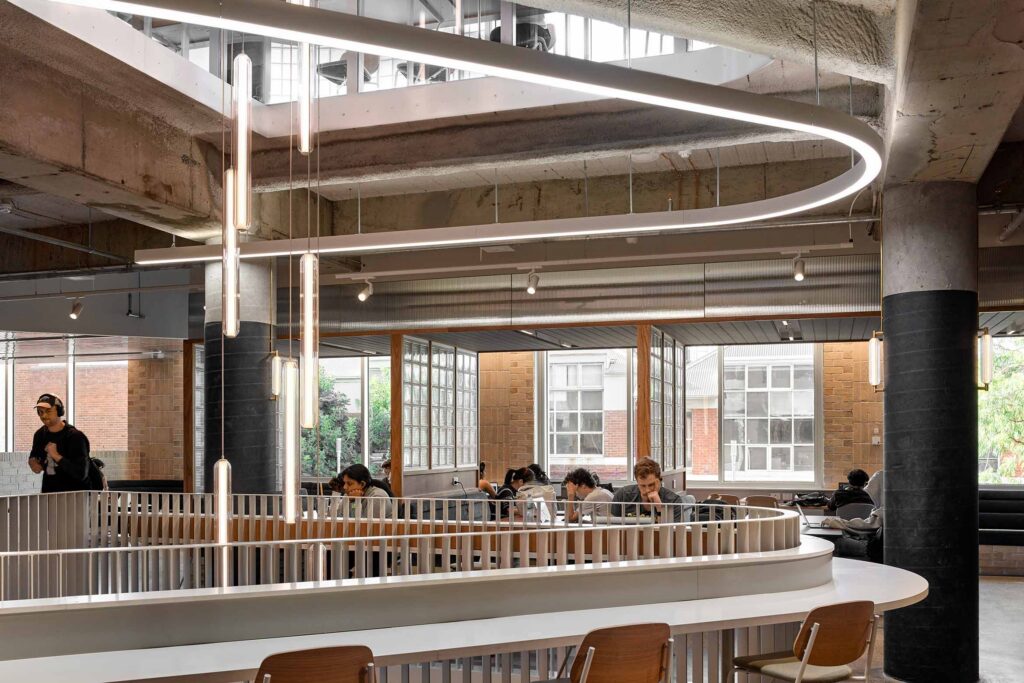
In 2009, having received First Class Honours at Swinburne, Linacre began work with Chris Peters at his eponymous industrial design studio and stayed for three and a half years. Here, he worked on Quad Lock and Medical Developments International products but, in his spare time, he was designing and making lighting at home.
In 2012, Linacre established his own practice and, using his industrial design knowledge to further his artistic endeavours, became even more fascinated with natural geometries, something that had begun when he was at Swinburne.
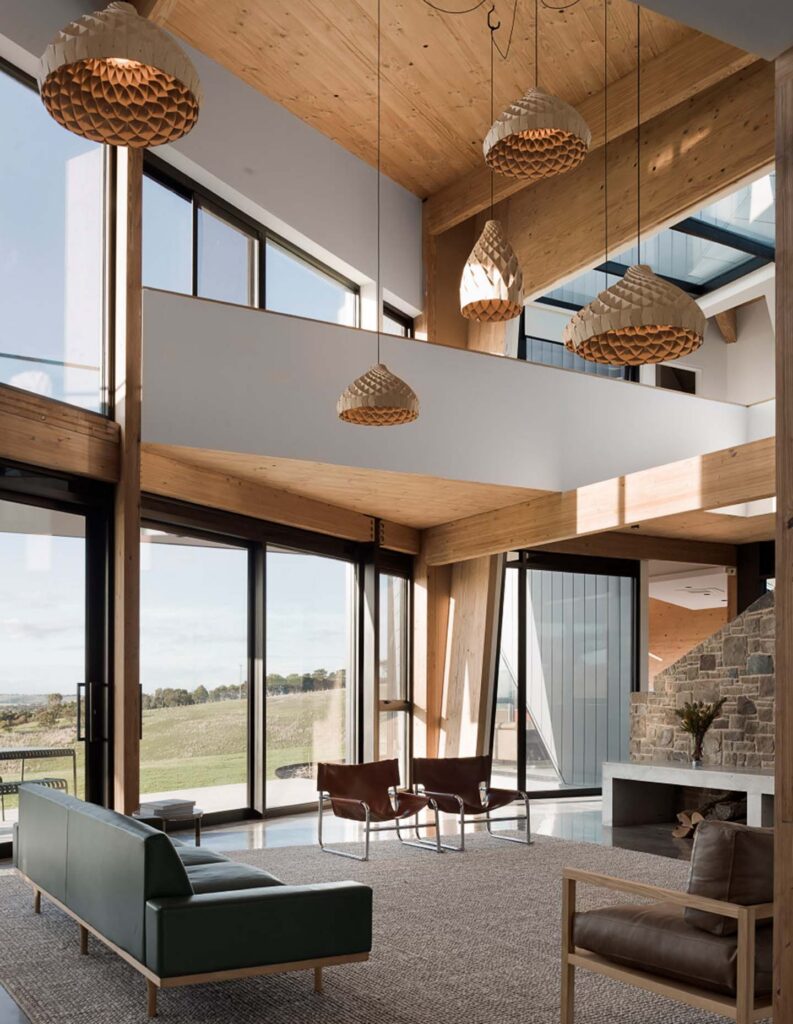
Making lighting and sculptures was his passion and the Nest pendant light was born. An early commission for a surgeon’s office helped Linacre see the potential of his work, as did an early interview with Alice Blackwood for Indesign that secured a page in the magazine and helped kickstart his career.
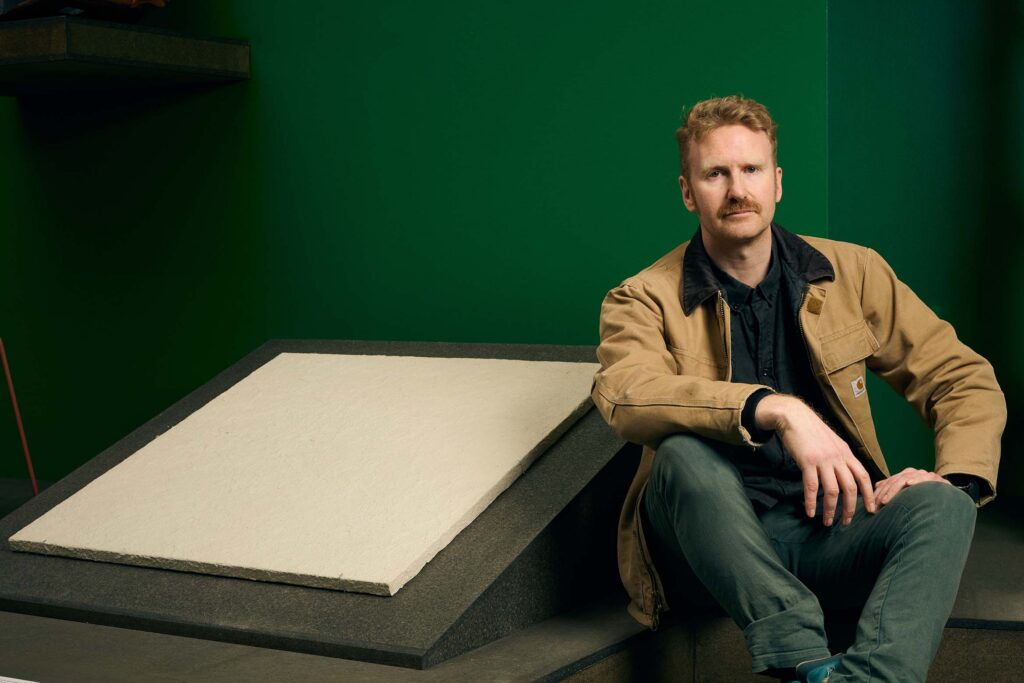
Now, as they say, the rest is history and today his business has become a behemoth, but change is in the air. Looking to the future, Edward Linacre Studio is undergoing a reconfiguration, as the designer streamlines his love of artistic installation, lighting design and sustainable research and development into three separate entities – all under the studio’s mantle.
The first design stream is lighting, where his products are ever popular and always in demand.
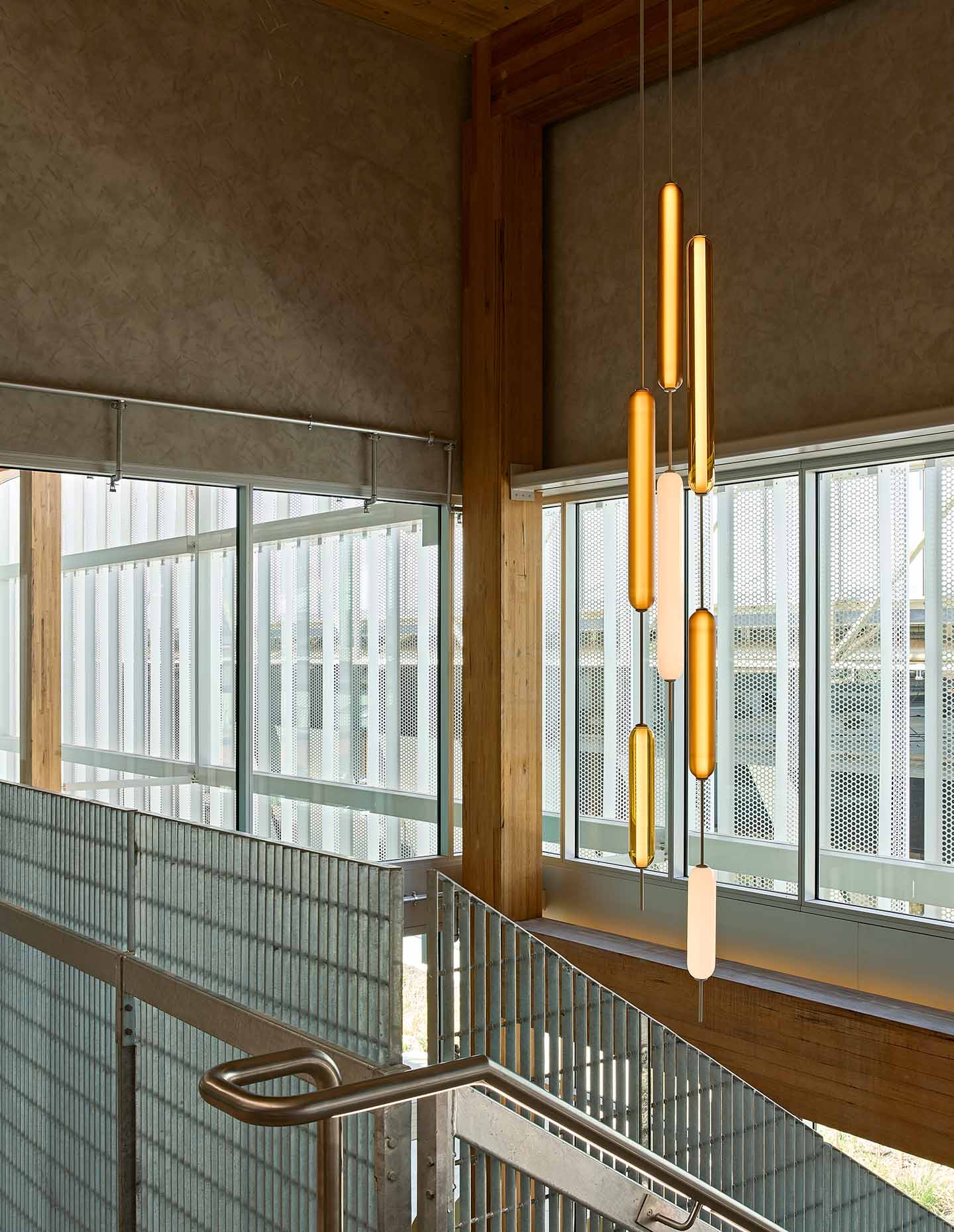
The internationally award-winning Flask System, designed for customisation and collaboration, has been the most successful product to date and continues to engage new collaborations that result in unique installations and pieces.
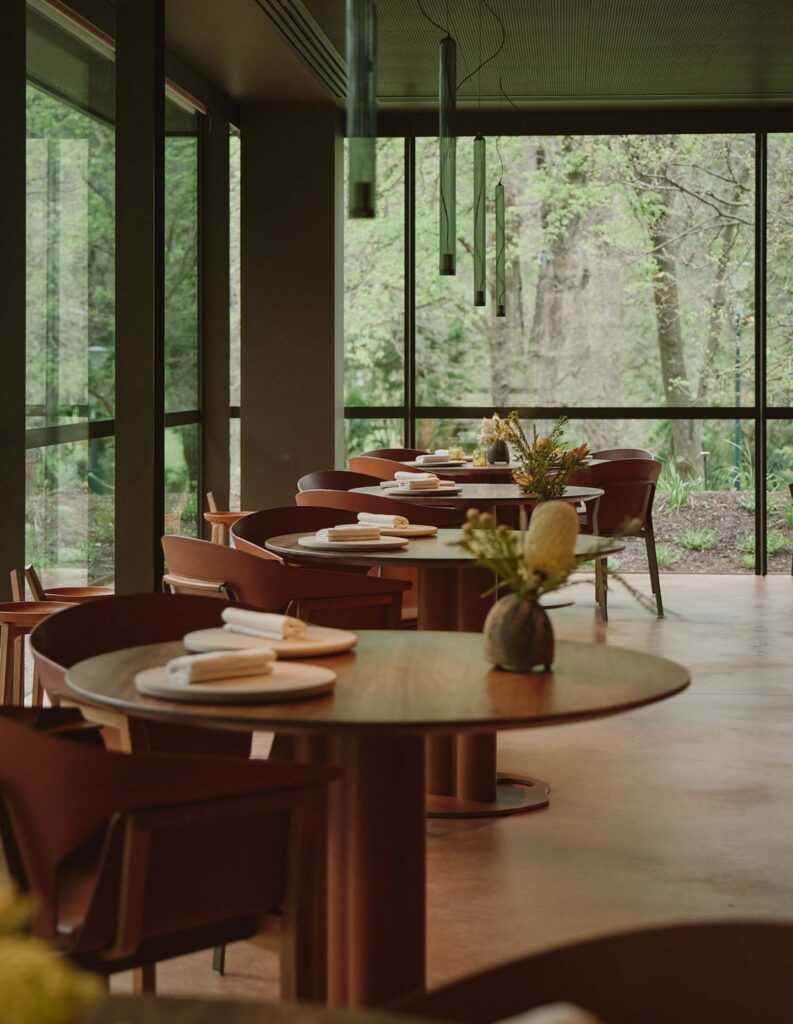
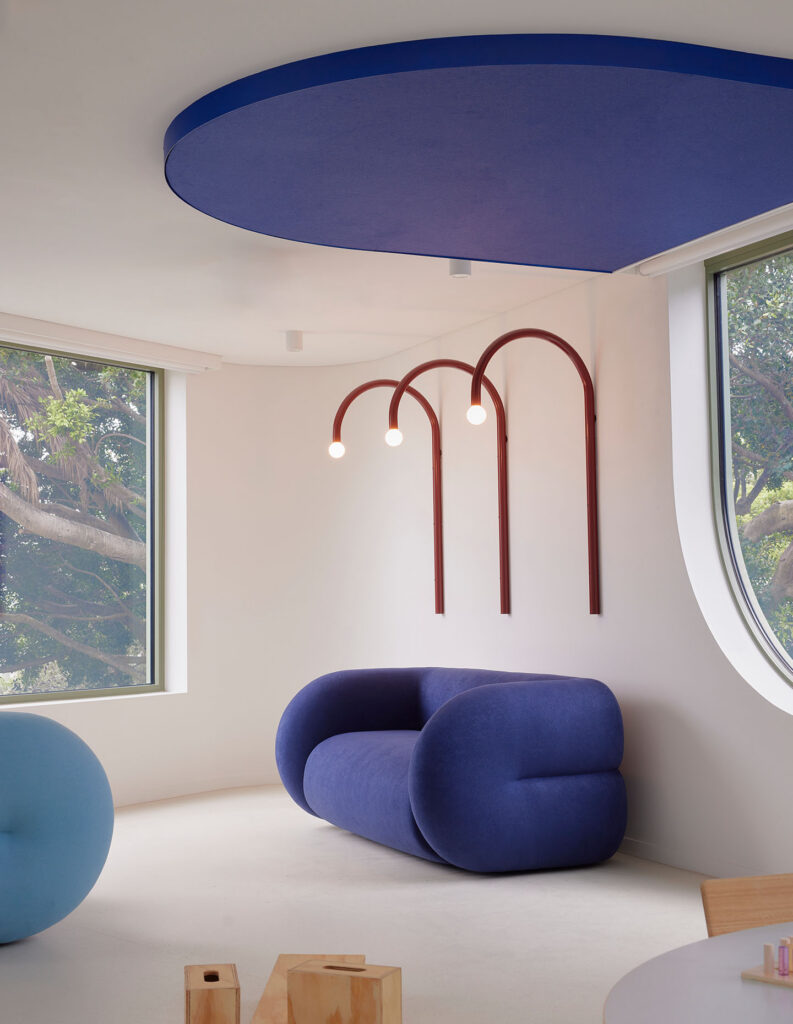
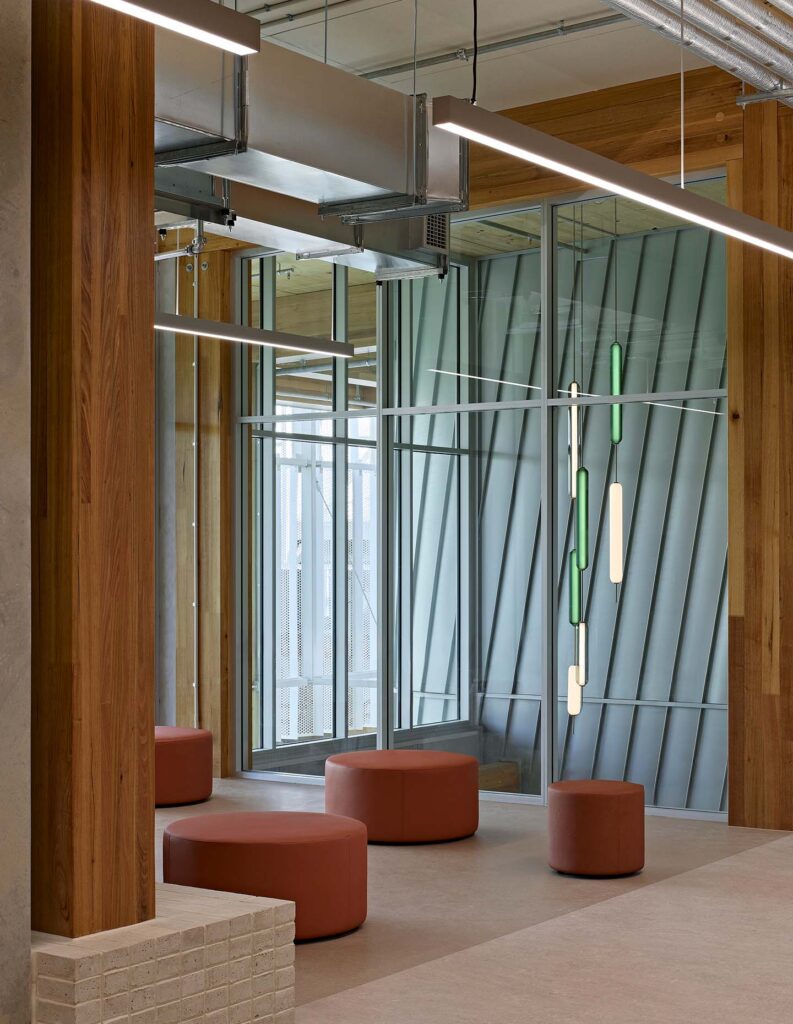
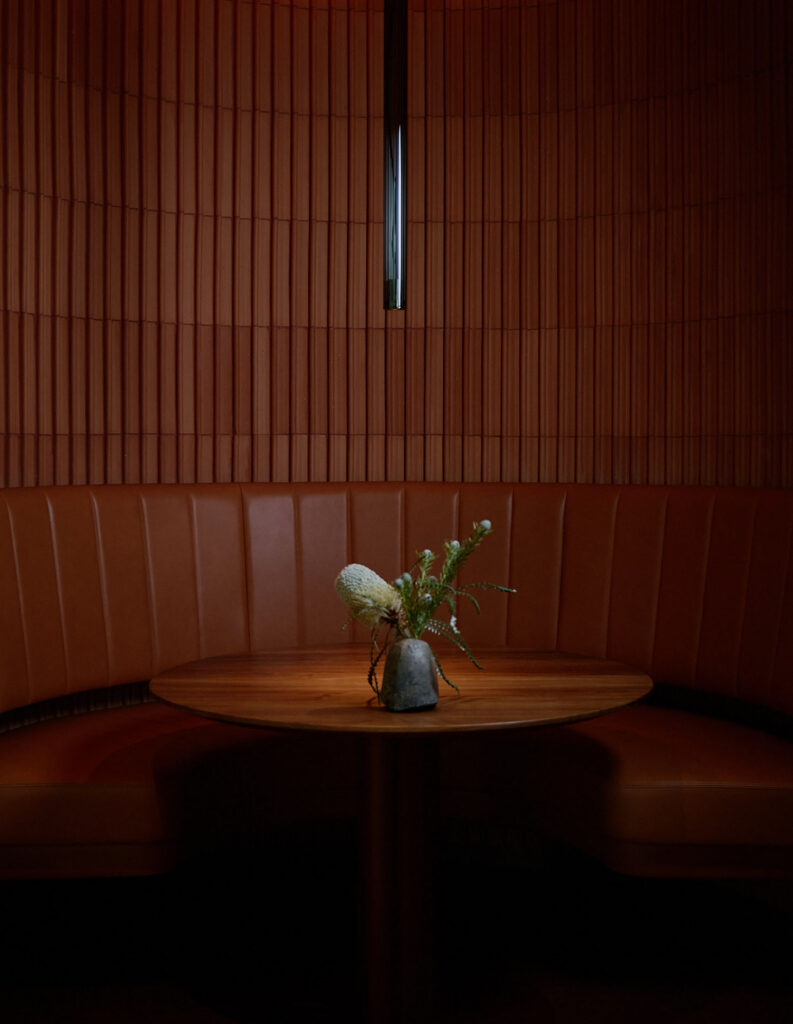
Other recent commissions include bespoke glass pendant lights at Yiaga Restaurant for Wardle, designed in collaboration with Wardle and Electrolight; custom Flask lighting throughout Watermans, made in collaboration with Pascale Gomes-McNabb; custom lighting across all levels and rooms of the Harbour Early Learning Centre with Danielle Brustman; and 100 custom pendants for Hassell and the new Studio 55 offices, among many other projects.
The second stream is bespoke art installations, where commissions have grown exponentially. Until a few years ago, this side of the business was to be scaled down; however, a fortuitous conversation with a friend changed everything. He was advised to attend Dubai Design Week in 2023 and, after attending and exhibiting Brass Sun and Moon, he saw incredible success. So much so that his work is now represented in Dubai by the renowned gallery Collectional.
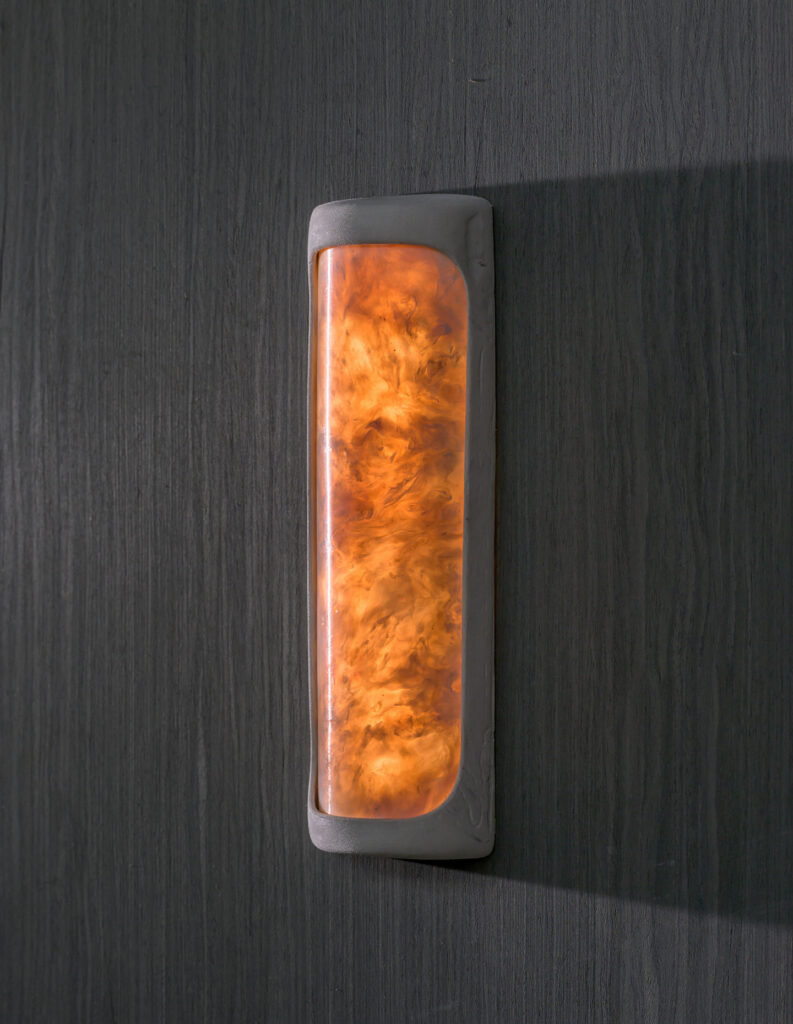
Another major commission, in collaboration with Danielle Brustman, is a 4.2-metre Meteorite sculpture for Duplex in Dubai by Nakkash Design Studio, alongside commissions for both a custom Meteorite sculpture and a custom Sun wall sculpture for Louis Vuitton Paris.
The third aspect of the studio is sustainable research and development, which informs so many of the practice’s products and ideas. Linacre is especially interested in recycled paper for architectural projects, which has led to a new product, RCP100, being included in the latest National Gallery of Victoria exhibition, Plant Life. RCP100 is an architectural surface panel/tile made from 100 per cent recycled paper.
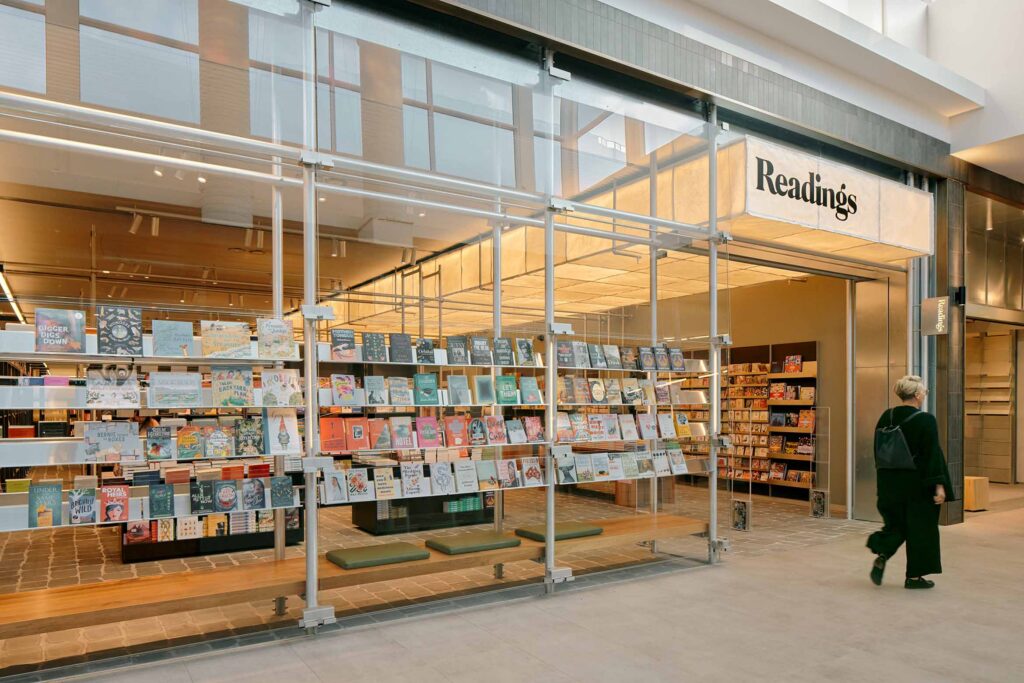
Also this year, Linacre, with Kerstin Thompson Architects, was shortlisted in The Object category at the 2026 INDE.Awards. The entry, a massive ceiling lantern for Readings in Chadstone Shopping Centre, Melbourne, is made entirely from pulped, unsellable misprinted books.
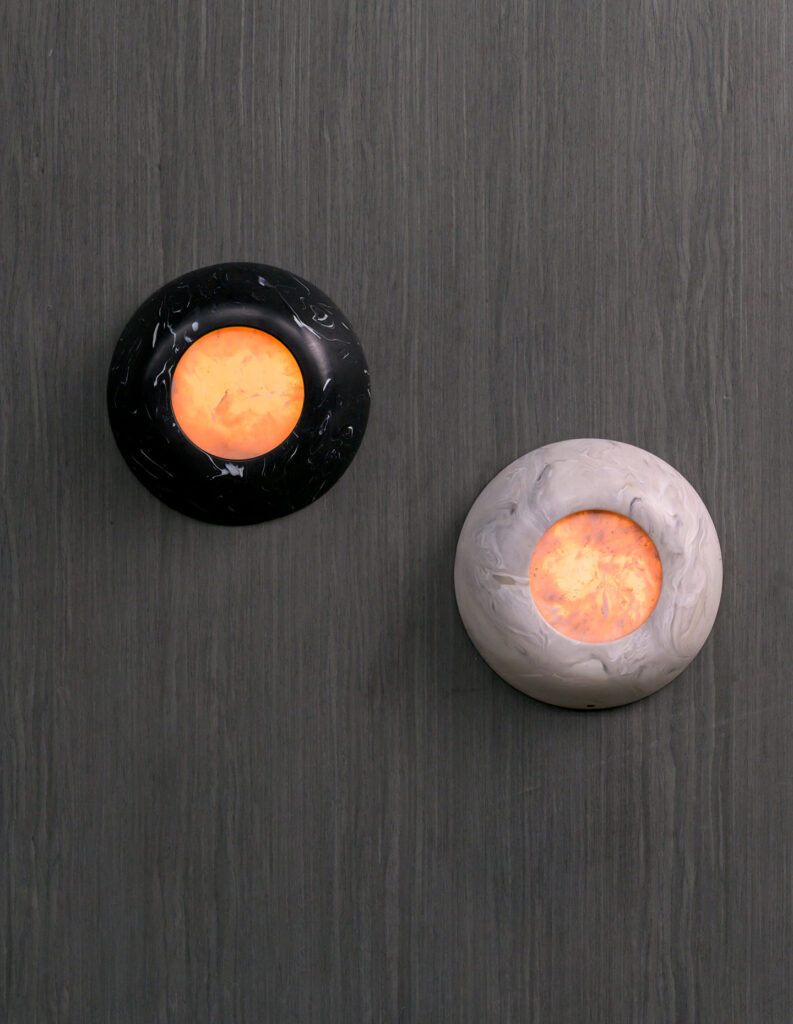
Another initiative is PolyOnyx, a collaboration with Maxwell Carr launched at Salone del Mobile in April this year as part of the Isola exhibition, No Space For Waste. Lighting and materials were crafted to resemble rare stones and marble, but all are made from recycled plastics. The mission was to change the perceived value of waste.
Linacre has also spent much time investigating the use of mycelium, or fungi, in products and co-founded Mycelium Studios in 2013, a space that is home to many creatives, with fungi grown in the basement.
As is evident, there is much crossover between the streams, as the art is informed by lighting and research and development underpins everything.
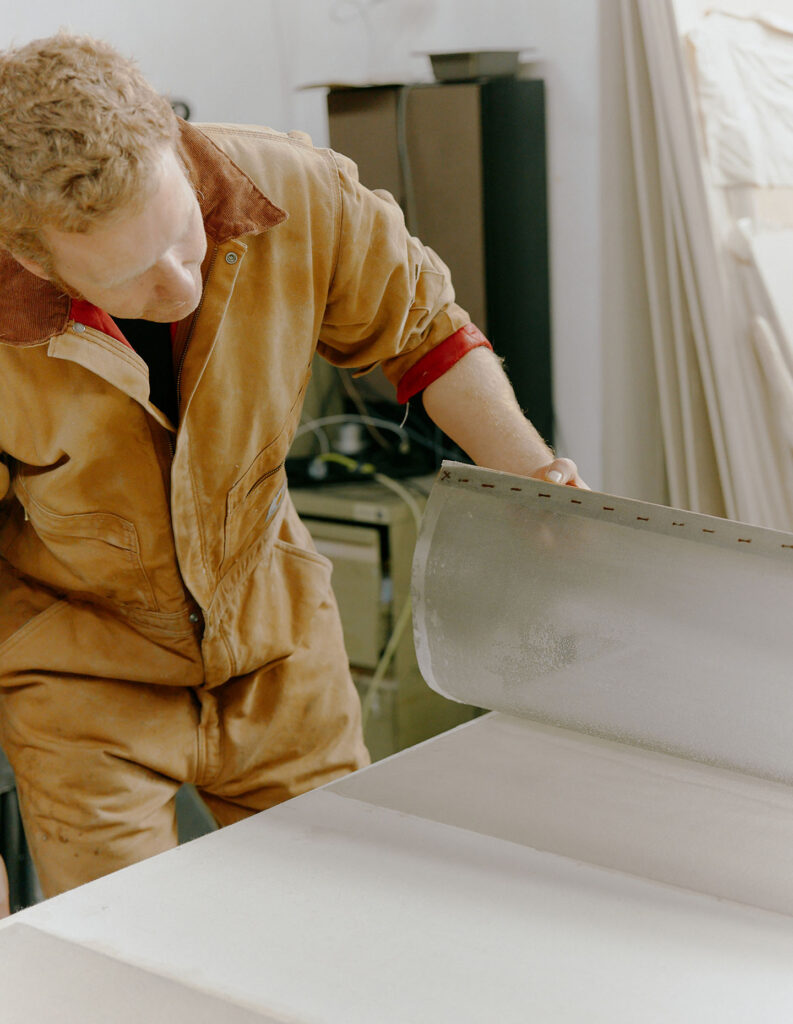
Edward Linacre is a titan of design, where reimagining and reuse, coupled with striving for a sustainable environment, underpin all his endeavours.
“I truly believe the future of achieving true sustainability for all of us on this planet is through a bio-partnership with nature. Not biomimicry – but a symbiosis with the systems and processes of nature that have helped support life on this planet for billions of years. We need to stop working against these systems and start working with them. This is why I make art that celebrates the geometries of nature, why I develop products from biomaterials and waste, why I believe in the importance of light and why I am obsessed with bio/waste materiality,” Linacre comments.
The future is incredibly bright for Edward Linacre and his team as they traverse the many disciplines of design, break rules and invent others. His reach is unrestrained and his energy boundless, and the next iteration of the studio will be a powerful voice for design without borders.
Edward Linacre Studio is at the vanguard of a design expression that truly makes a difference. It’s an exciting time for the studio as it navigates the next decade through a new and more streamlined approach but, if the last years are any indication, the next will be filled with even more creativity and success.
Edward Linacre Studio
edwardlinacre.com.au