Running any business is challenging and, for architects, the challenges are many. Surveys often paint a negative picture of the industry, citing fluctuating markets, undervalued services, increased responsibility and overworked teams as common issues.
Nevertheless, architecture is a highly satisfying profession when conditions are right. As a practice, how do you navigate the challenges and ensure your people and portfolio thrive, while remaining financially stable?
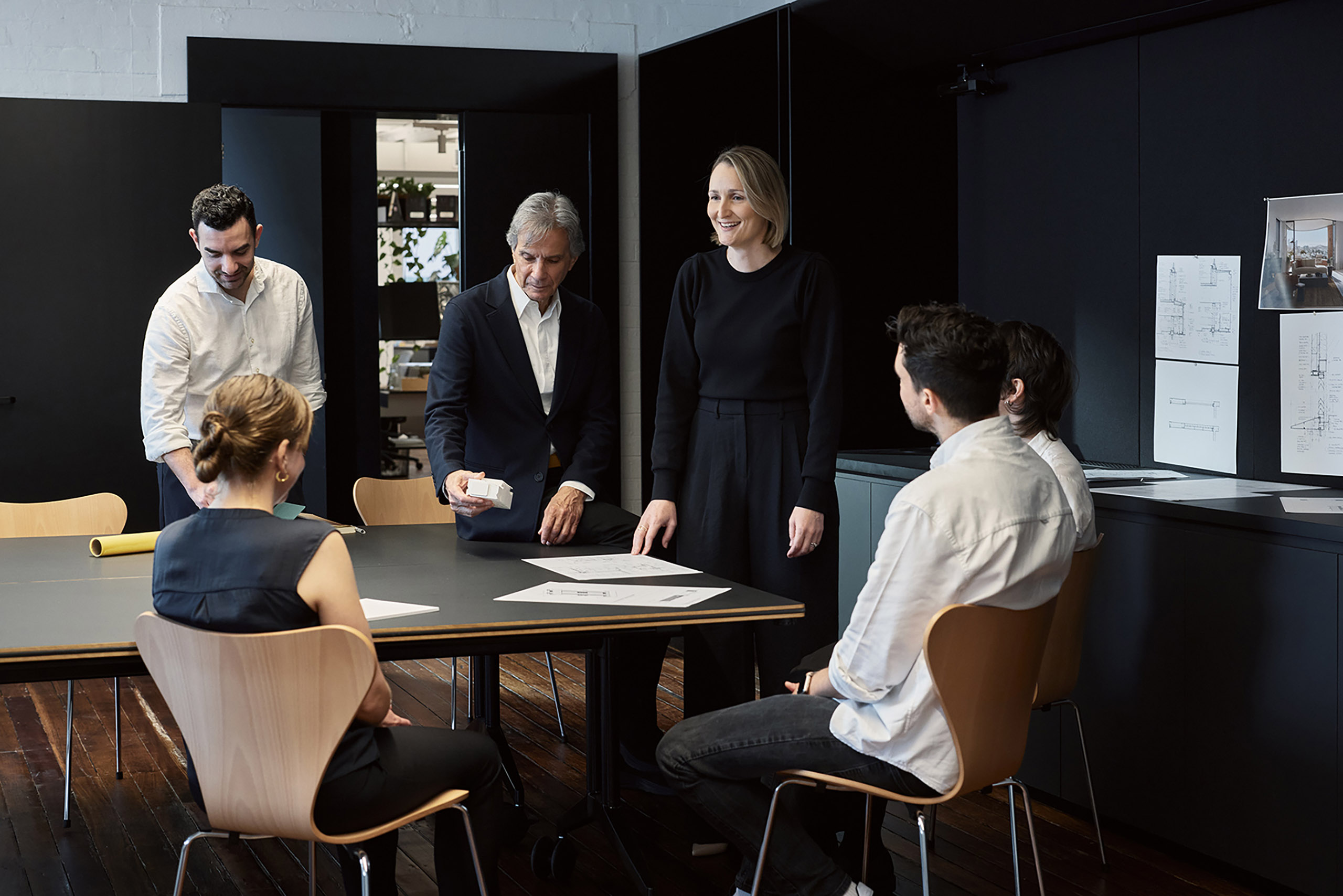
Amy Dowse is a director at Tzannes, a Sydney-based practice with a 40-year history and a long list of awarded projects. With a team of just over 30, the practice works at every scale, from furniture and single harbourside homes to CBD commercial towers and urban design.
Dowse says a triangle of three golden rules – leadership, rigour and respect – supports the practice to do great work and provide a healthy studio environment while staying commercially viable.
Dowse says modelling good leadership is the cornerstone of a successful design practice: “As practice leaders, we have to lead by example. We encourage our team to share ideas and take ownership of their work, but ultimately, responsibility rests with the leadership team. We don’t just sit back and expect the staff to carry the load.
“We want to keep creating great work, so we put effort into investing our knowledge back into our people. Whether one-on-one or in group settings, continual learning keeps the team interested and engaged. It’s this that connection preserves the high standards of design and delivery that are the reason we go to work every day.”
Dowse observes that as the next generation of the practice evolves, the modelled values of thoughtfulness, care and integrity become evident in the work itself.

From design and documentation through to finances and administration, Tzannes maintains rigorous systems to support efficiency and productivity – “making sure the practice runs smoothly supports our architectural team to do their best work and make every hour productive,” says Dowse. “Our systems ensure every part of the business is properly resourced, whether internally or externally. We contract out specialist skills so we’re not asking graduates to do graphic design or admin staff to do marketing.”
Likewise, the leadership team stays immersed in the design process to maintain oversight and optimise knowledge sharing. It’s this rigour that allows a relatively small practice to be agile and deliver both boutique and very large projects.
Dowse says it’s an investment that pays for itself: “We are acutely aware of how long it takes to do good work and what it costs. Good clients also understand that. They know the value we bring in terms of a great design outcome or a more certain approval.”
Dowse notes that the practice is not afraid to refer potential clients to other practices when values or expectations don’t align.
Related: Durbach Block Jaggers and the AIA Gold Medal
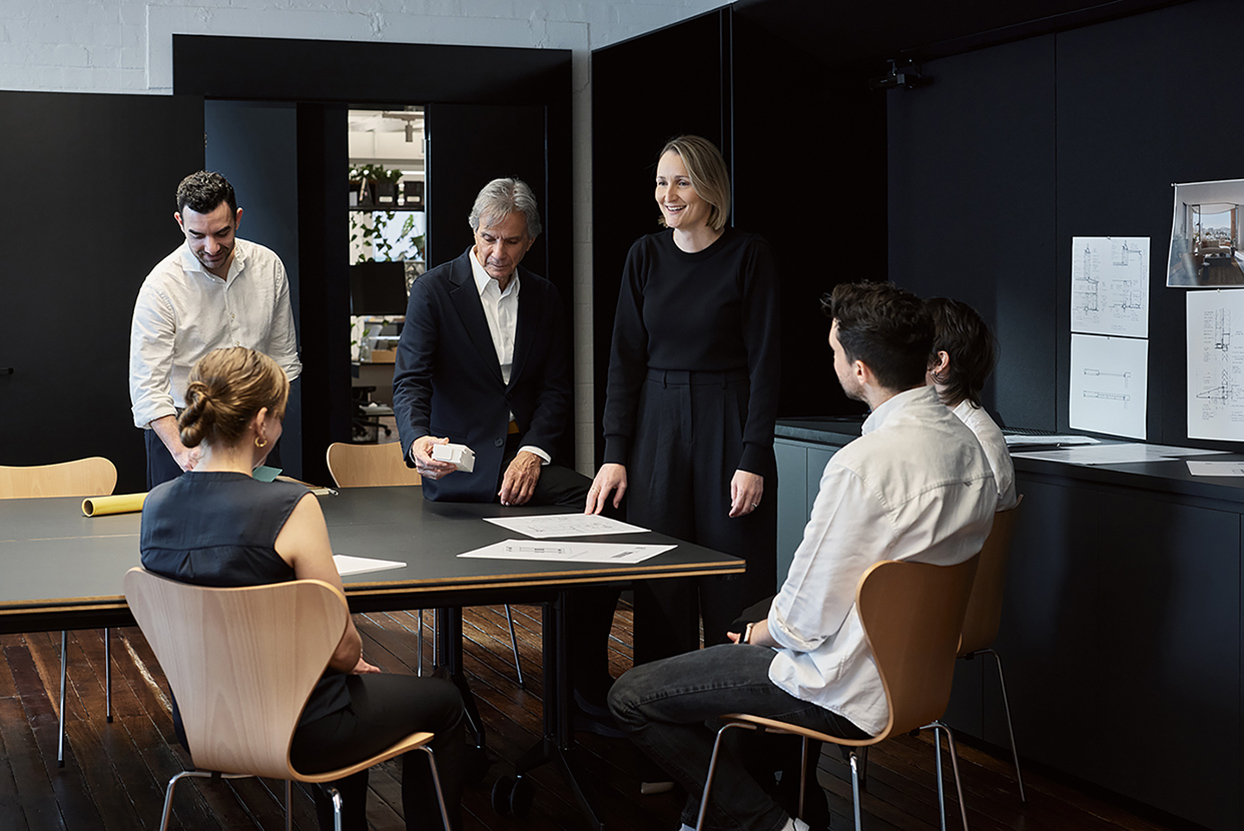
Respect is a recurring theme at Tzannes. A genuine concern is ensuring the practice walks the talk on a healthy workplace where everyone feels valued and work-life balance is taken seriously. Trust, kindness and transparency are key.
“Employing a dedicated People and Culture Manager has been one of our best decisions,” Dowse affirms. The part-time role supports regular, individual ‘pulse checks’ to ensure everyone can give and receive feedback, and feel seen, heard and appreciated. Staff have someone they feel comfortable going to if they need to raise an issue or flag concerns confidentially.
Dowse says direct access to the directors is also part of the culture: “Everyone on our team can come to us to discuss design, career development or share an idea.”
Meanwhile, Tzannes is not immune to the cyclical nature of the industry. Dowse says it is managed by flexing the team: “We have a 37.5-hour working week, and that’s it. Not a contract that mentions ‘reasonable additional hours’. Overtime is rare, but secondments or contractors cover temporary resourcing shortages. Staff can opt in or out.
“Overtime is entirely voluntary and pays time-and-a-half with the option of time in lieu. By the same token, during quiet periods, staff are asked if they would like to reduce hours for a time, which is voluntary and often taken up.”
Other staff benefits include 16 weeks’ parental leave for mums and dads, and the option of a compressed, nine-day-fortnight or part-time working schedule – flexibility that team members tailor to their needs.

Dowse is at pains to point out that Tzannes is not perfect: “Sometimes we ask staff questions and get answers that challenge our assumptions. We listen, and make sure we address all feedback as well as implement staff-led ideas. It’s a two-way street.
“The most rewarding feedback is hearing our people say they are proud to work at Tzannes. It’s really not so difficult to put design first and also make the industry better.”
Amy Dowse also joins the Habitus House of the Year Jury in 2026.
Tzannes
tzannes.com.au
Photography
Toby Burrows