In the aftermath of Cyclone Gabrielle, which devastated parts of Aotearoa New Zealand in 2023, the relationship between water, land and human settlement became an increasingly urgent architectural question. For Jordan Knight of Victoria University of Wellington, this shifting environmental context provided the foundation for a compelling research project that challenges conventional approaches to designing within vulnerable landscapes.
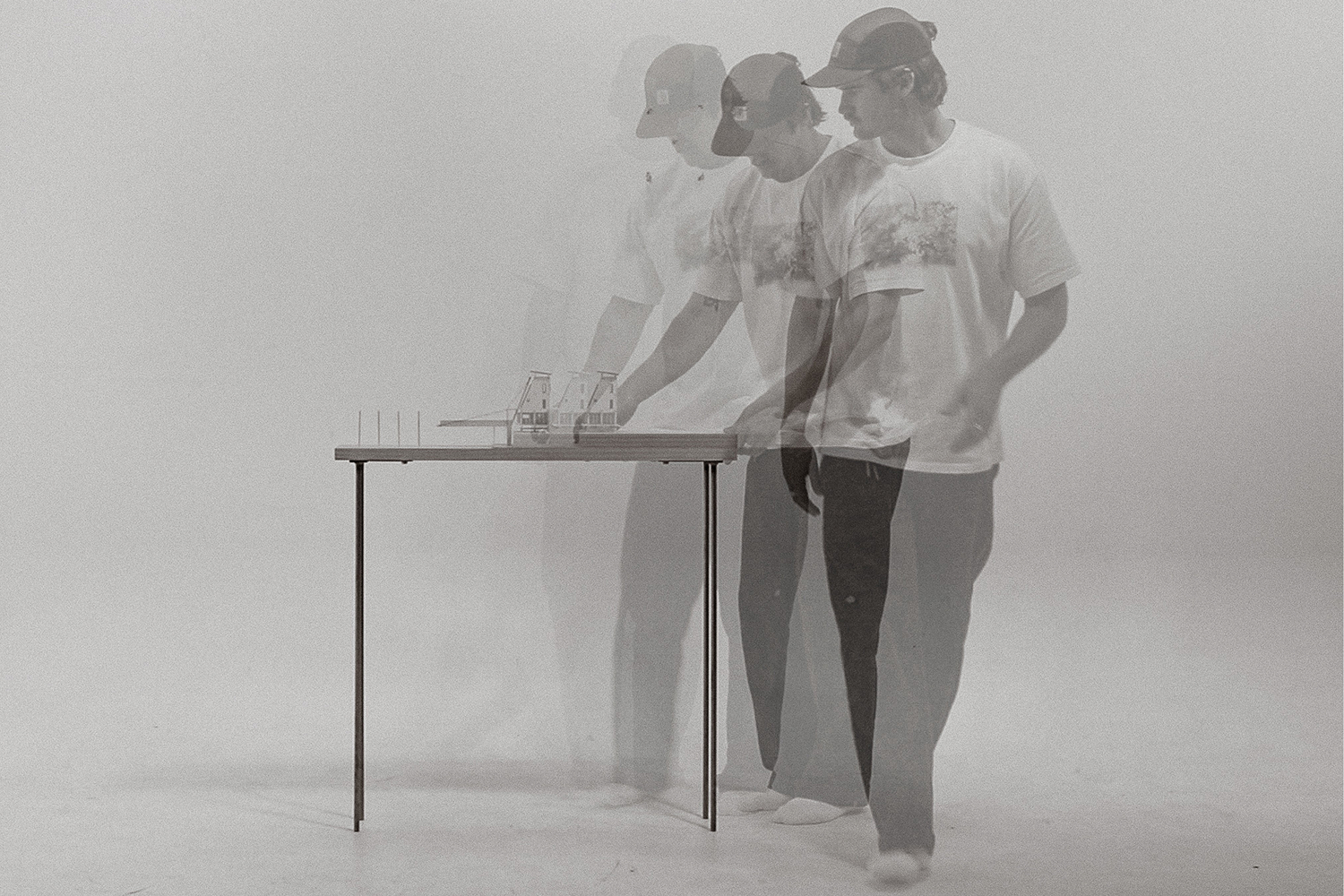
Recognised as The Graduate Winner at the INDE.Awards 2026, Knight’s work examines how architecture might engage with landscapes continually reshaped by human-influenced water systems. Rather than proposing definitive solutions to complex environmental challenges, the research uses speculative design to question established relationships between architecture, territory and the natural world.
Centred on the flood-affected Hawke’s Bay region, the project unfolds through three interconnected design experiments, each increasing in scale and architectural complexity. Together, they explore the potential for architecture to respond to environmental change not as a fixed condition to overcome, but as an ongoing process to understand and negotiate.
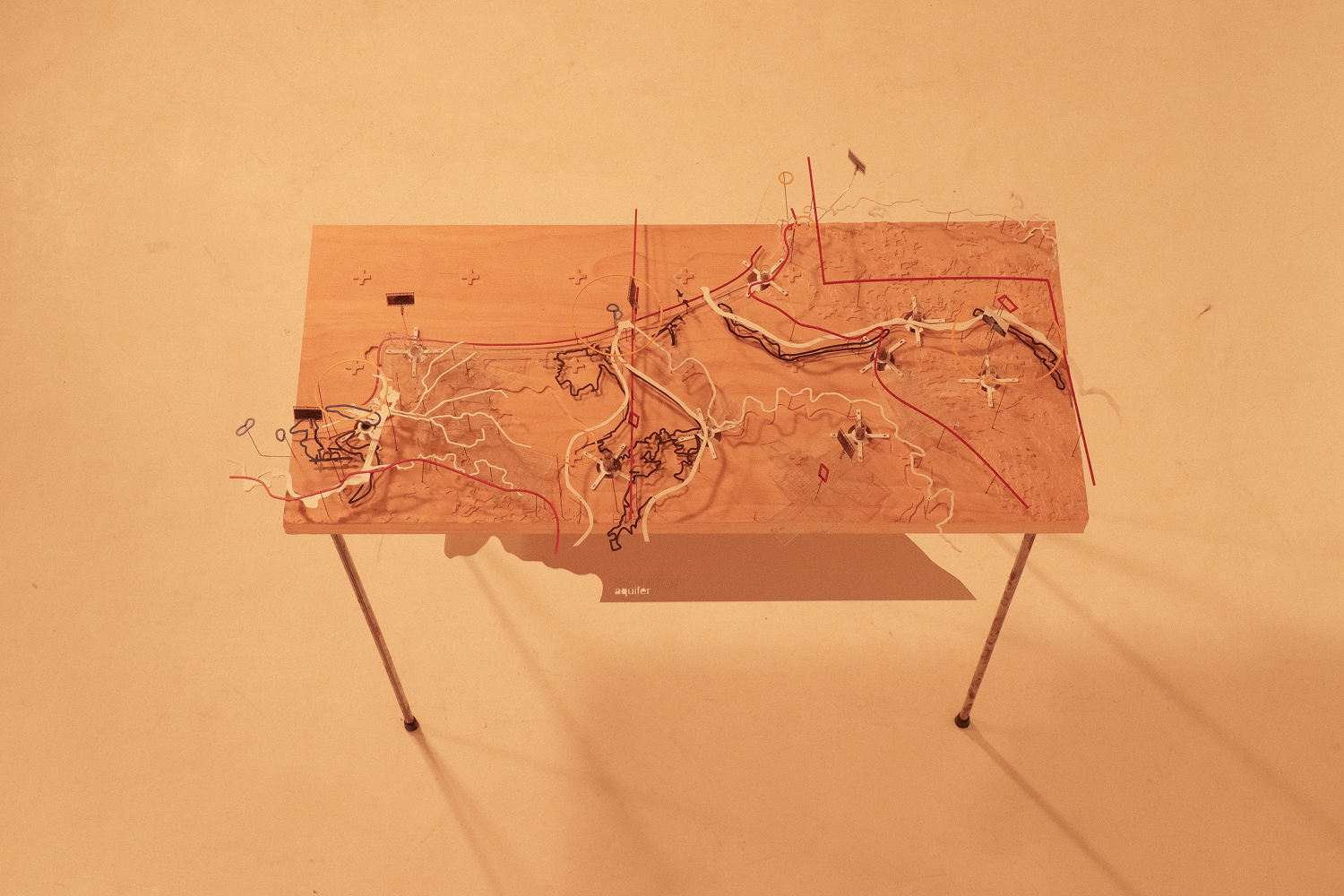
The first experiment, Tensions in a Temporal Landscape, employs cartographic mapping to investigate the relationship between human activity, natural systems and water across Hawke’s Bay. Through layered representations of the landscape over time, Knight identifies tensions and emerging spatial opportunities, establishing a foundation for the architectural explorations that follow.
The second, Inhabiting the Edge, shifts the investigation to the scale of an individual dwelling. Responding to coastal erosion, the proposal considers what it means to inhabit a landscape where boundaries are neither stable nor permanent. Here, architecture becomes a means of engaging with environmental uncertainty rather than attempting to eliminate it.
The final experiment, Fertilising Pakowhai, expands the research into a speculative landscape intervention responding directly to Cyclone Gabrielle. Imagining a wetland re-farming project, Knight explores how architecture and landscape design might prompt alternative relationships with water, opening possibilities for future adaptation and ecological change.
What distinguishes Knight’s research is its willingness to embrace uncertainty. Across the three experiments, architecture is positioned not simply as a means of protection or recovery, but as a tool for questioning how people occupy and interact with landscapes in transition.
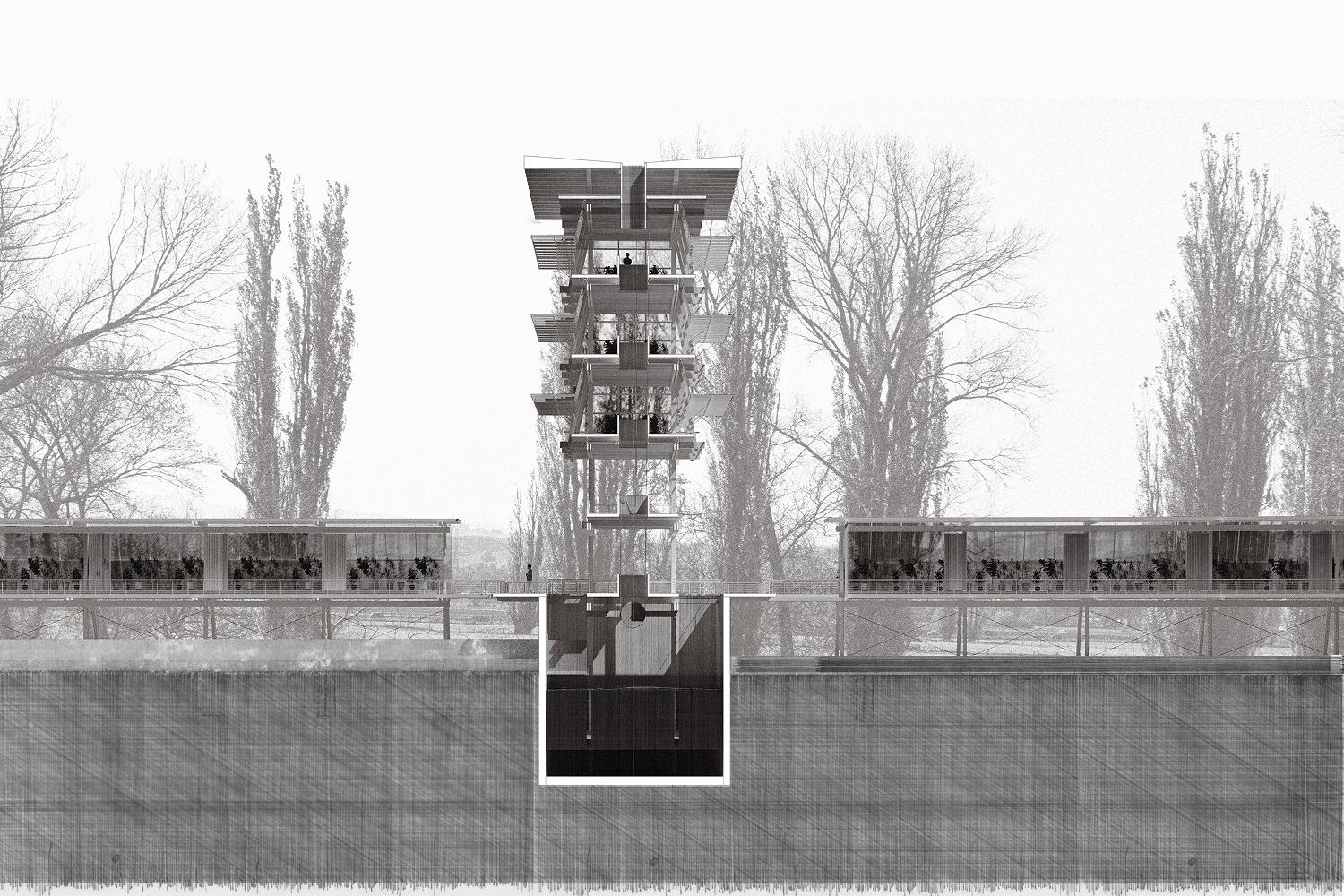
Celebrating emerging voices shaping the future of architecture and design across the Indo-Pacific, the INDE.Awards 2026 recognised Jordan Knight in The Graduate category, partnered by CPD Live. His work represents a thoughtful contribution to contemporary conversations around climate, landscape and architectural responsibility, demonstrating the potential of speculative design to reconsider how we build within an unpredictable environment.
Entries for the INDE.Awards 2027 will open in the coming months, inviting the next generation of architecture and design talent to share their ideas with the region.