The home of architecture and design in the Asia-Pacific
Get the latest design news direct to your inbox!

Get the latest design news direct to your inbox!
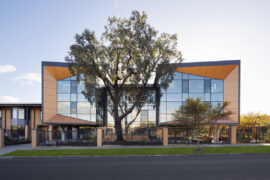
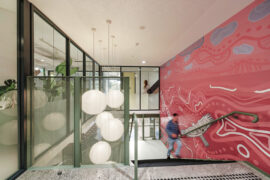
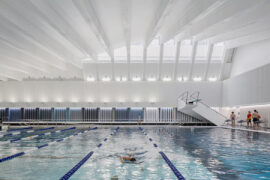
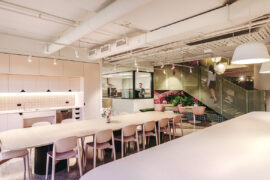
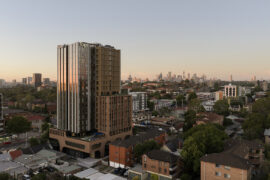
Wattyl worked on the Charles Perkins Centre at Sydney University to use its revolutionary building materials to support, enhance and elevate the research centre’s approach to improving global health.

It’s that first moment of arrival in a space that defines your direction – the transcendent moment of breaking through the threshold and soaking in the artistry, design and craftsmanship embedded within a building’s walls and ceilings. Powerful, considered and thoughtful design comes down to more than just aesthetics – it has the ability to make you feel good and positively affect your physical, mental and emotional state.
Revolutionary architect, Luis Barragán once said: “Architecture is an art when one consciously or unconsciously creates aesthetic emotion in the atmosphere and when this environment produces wellbeing.” This speaks to design as a medium and a response to the present state of design. That shift towards health and wellbeing within the built environment continues to be paramount, and the ability to engender change through design comes in the most intelligent of forms.
Architecture is a shelter – a design of space that is created to elevate the way we experience our environments. In search of an artful balance of promoting wellbeing and providing an aesthetic sanctuary, Australian-based company, Wattyl is committed to creating the best products and materials that achieve this.
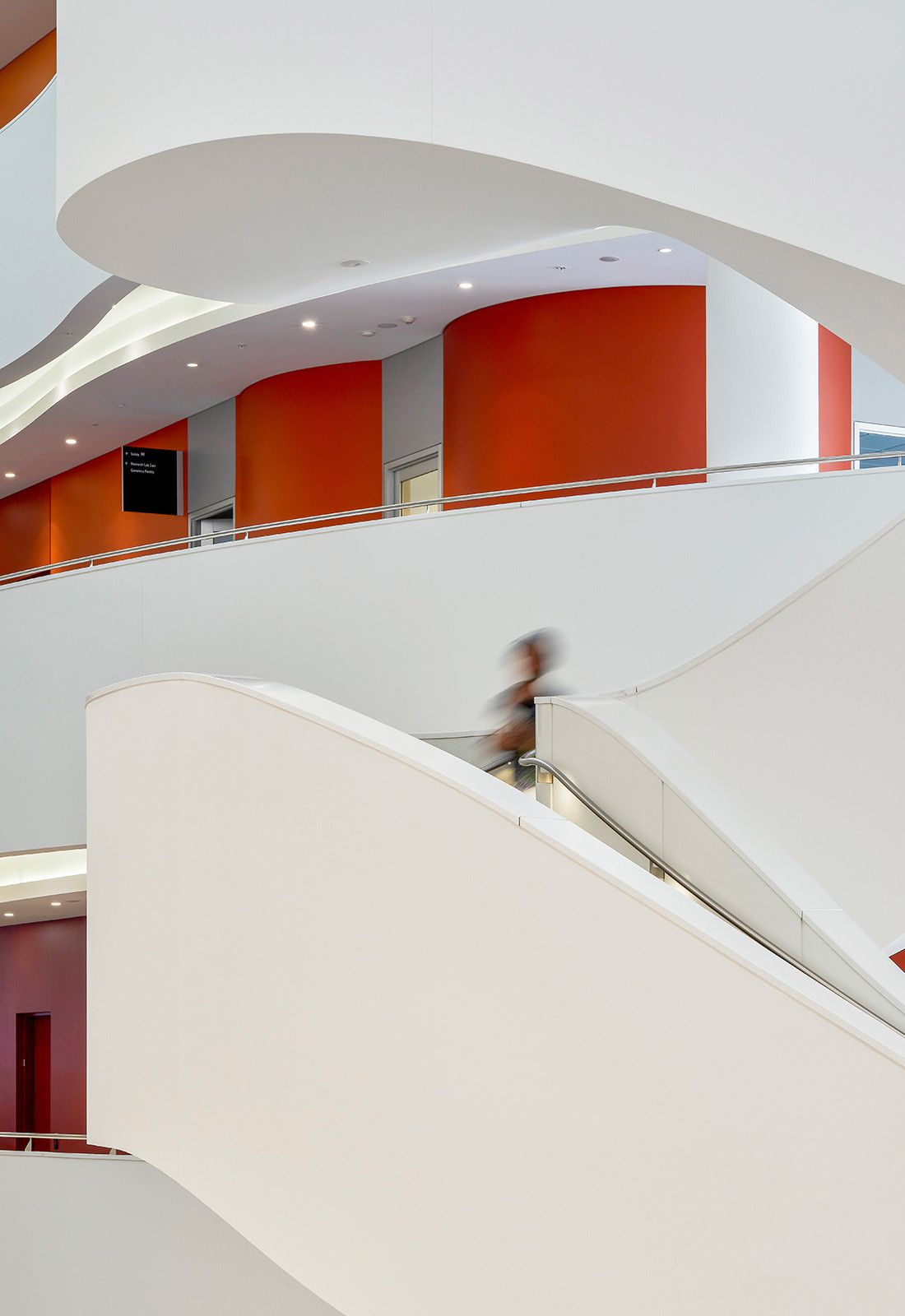
An advocate of good design, healthy spaces and product innovation, Wattyl is proud to introduce I.D Advanced. Paint is a key consideration in human health – it is a material that promotes a nurturing atmosphere within a space that extends to the future-forward thinking for wellness spaces of tomorrow. The instinctual and sensorial response to a newly finished space needs to have a welcoming and comforting feeling that eliminates the toxicity of paint smells.
“Our inspiration was to build on the platform of the previous Wattyl I.D range to have a further positive effect on the indoor environment and the health of inhabitants,” says technical director at Wattyl, Matthew Fitzgerald. Determined to mitigate toxins and enhance air quality, Wattyl’s most advanced paint has an impressively low VOC formula that surpasses the Green Star requirements of the Green Building Council Australia. I.D Advanced is the latest in Wattyl’s centennial company history in protecting and enhancing high performance coatings of Australian buildings.

Wattyl offers a paint that eliminates the shock of ingesting the chemical smell and toxins within a new finished project. It is a product that genuinely cares about the people inside the space. Durable, versatile and dynamic, the product’s Total Protection Technology™ delivers a new level of protection offering advanced cleanability, washability and stain resistance. Designed for tactile experience, the interior paint formula elevates any space with its extensive and contemporary range.
“The benefits of low emissions from I.D Advanced, containing VOC<1g/L minimises impact on Indoor Air Quality. I.D Advanced has been formulated and tested to meet globally recognised antimicrobial standards, improving environments such as hospitals, healthcare, educational and institutional spaces and meets the requirements of long service life,” Fitzgerald adds.
Environmentally sound and refined, Wattyl I.D Advanced boasts architectural and ethical advancements all in one product. The application of this superior paint sets the tone for other commercial spaces throughout Australia. It offers technical innovation with a touch of sophisticated elegance that celebrates building materials that enhance the way people live and use spaces.
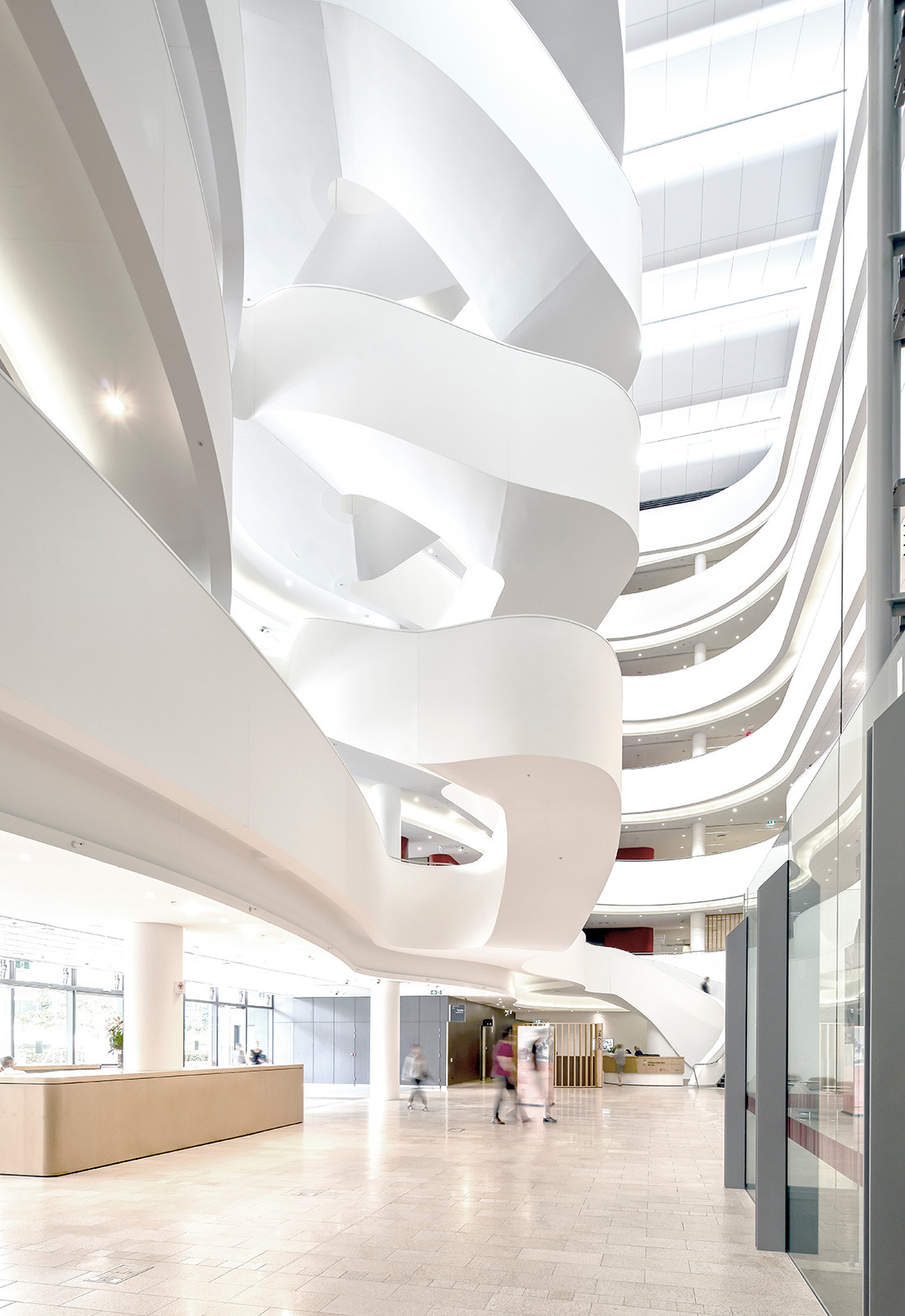
With health and wellbeing at the forefront of the product and brand’s philosophy, it recognises that healthy, human-centric spaces are a right and in this contemporary context, it should be at the start of every conversation. The finished product of I.D Advanced is designed for the present married with an exceptional awareness for a better, cleaner and healthier future.
INDESIGN is on instagram
Follow @indesignlive
A searchable and comprehensive guide for specifying leading products and their suppliers
Keep up to date with the latest and greatest from our industry BFF's!
The internet never sleeps! Here's the stuff you might have missed