The home of architecture and design in the Asia-Pacific
Get the latest design news direct to your inbox!

Get the latest design news direct to your inbox!
Interface is actively making a difference – and here’s why the world of design should pay attention.
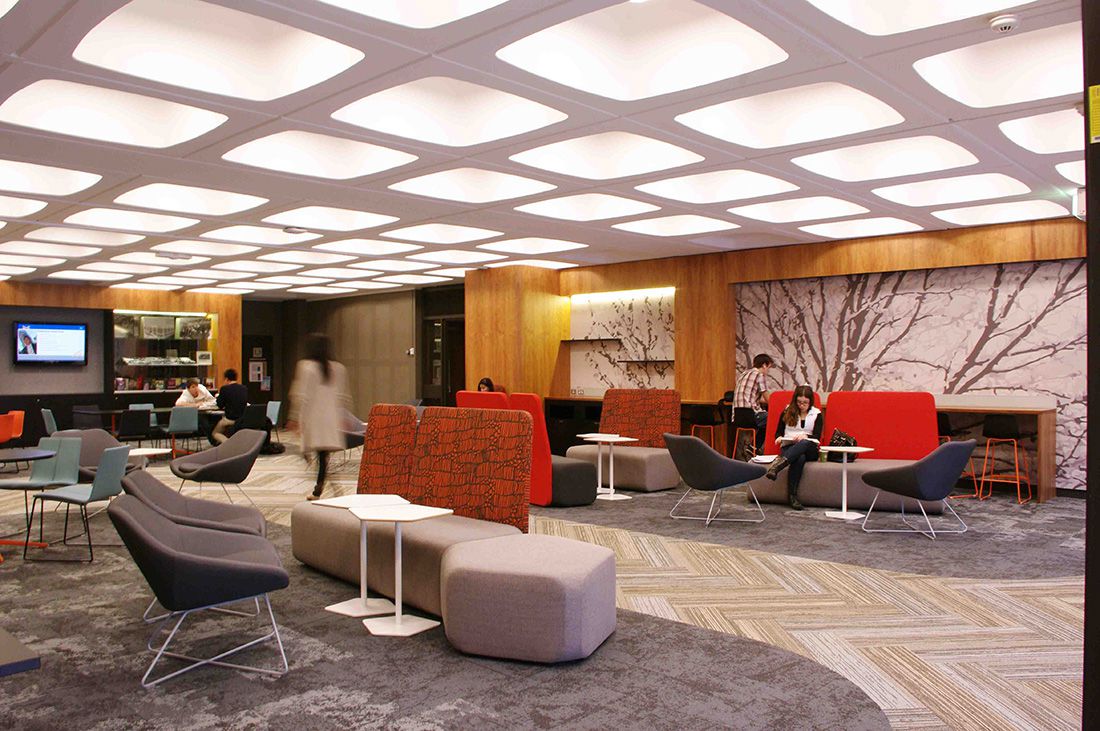
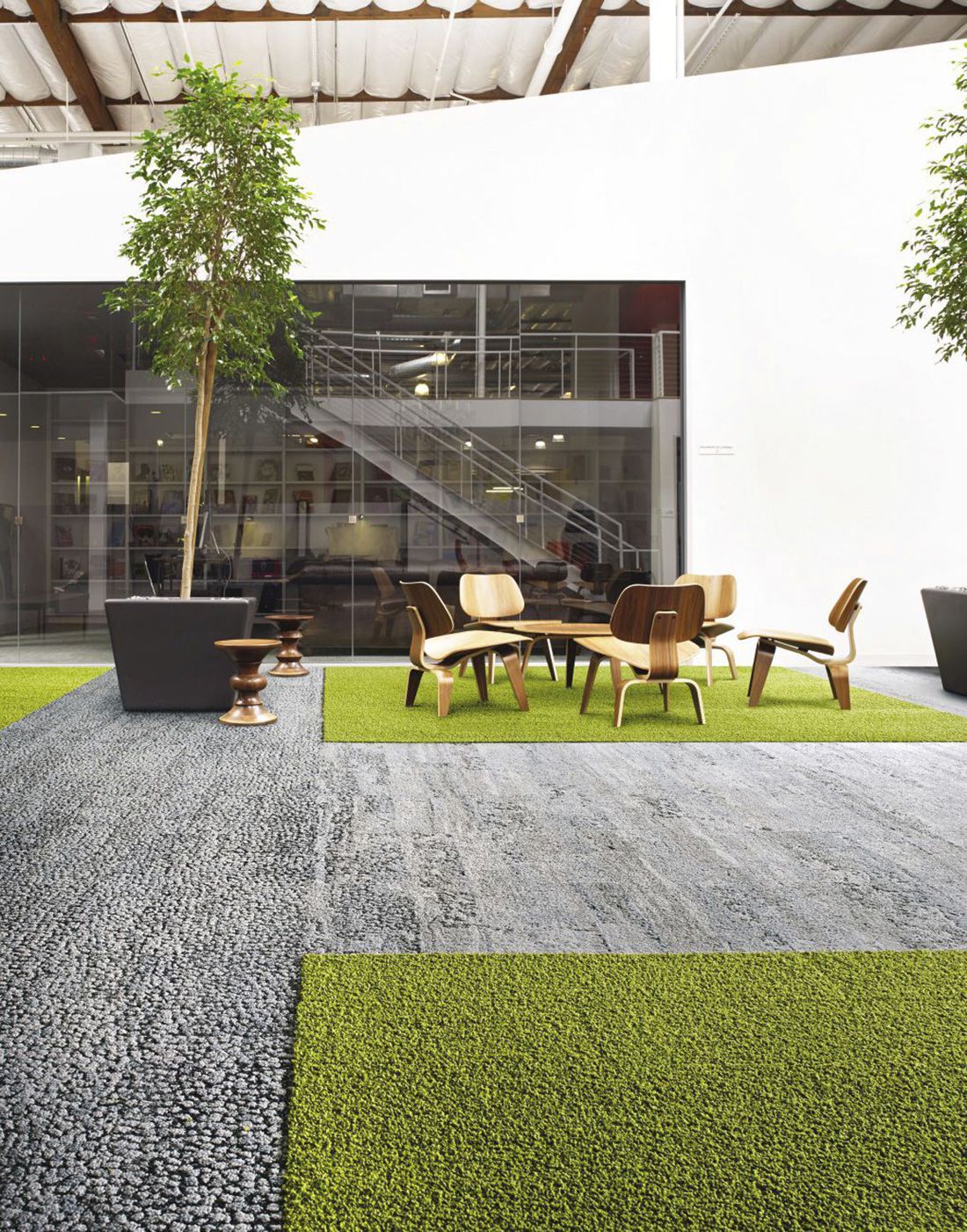
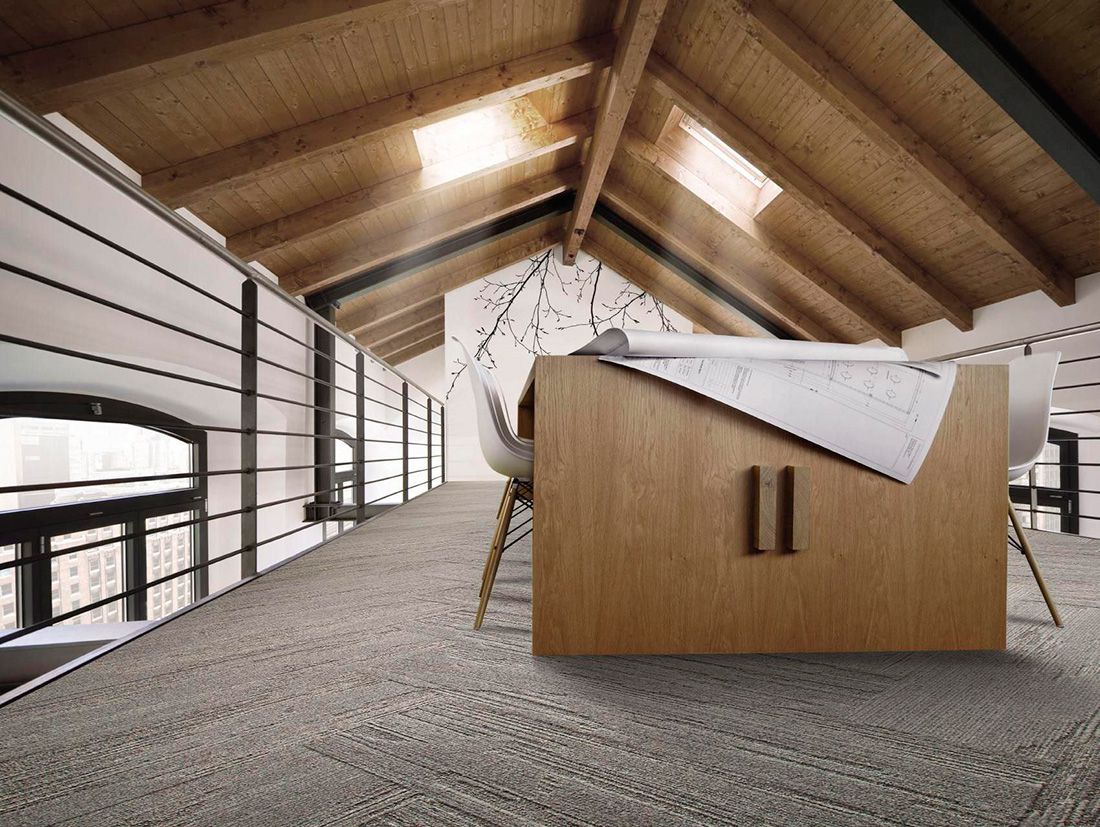
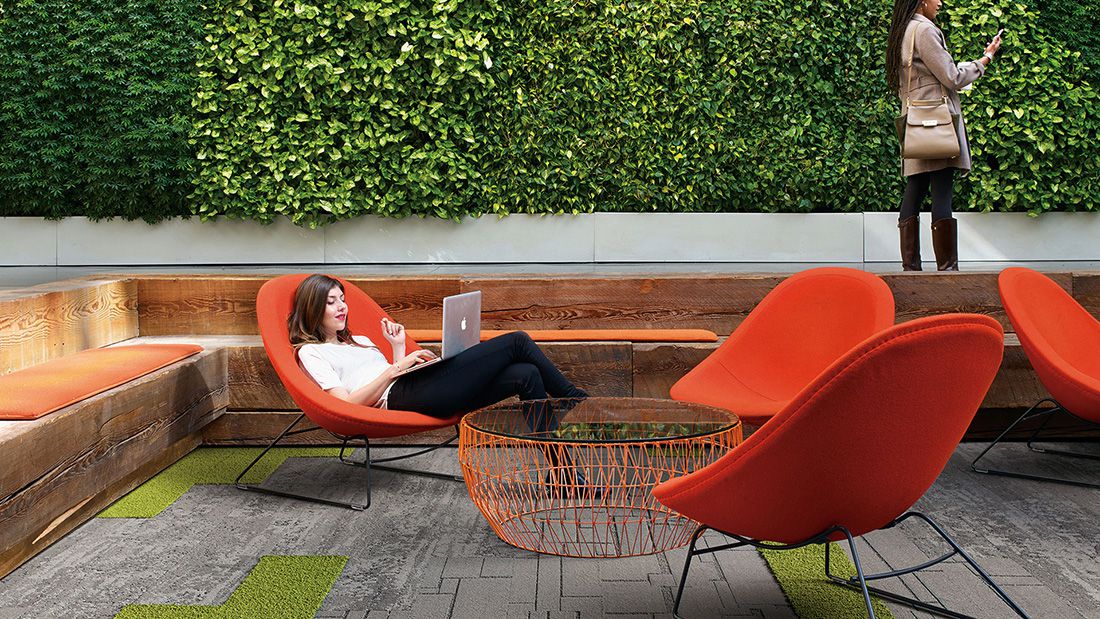
Well-known within the world of architecture and design, Interface is the world’s largest designer and maker of architectural modular carpet tile – but there is so much more to the design-centred company. Interface is on a mission to make a truly positive impact on the world. More than 20 years ago, Interface set an audacious goal – the company wanted to have no negative impact on the planet by 2020, a goal they called ‘Mission Zero’.
In 1994, Interface founder Ray Anderson had a kind of business epiphany, shaking the foundations of the petroleum-intensive carpet manufacturing industry by declaring that Interface was now committed to becoming the world’s first environmentally sustainable, and ultimately restorative company. At that time, there was no precedent, or road map to follow – Interface held a collective optimism, an entrepreneurial hunger, and a willingness to test, tumble and try again.
In 2016, Interface is poised to reach that goal – but has set their sights a little higher, aiming to go beyond just reducing their negative impact, and to create a positive one. Put simply, Interface’s aim is to go from negative impact to a consistent positive influence. Interface believes design can affect change, and that sustainability and profitability can be congruent – rather than disparate challenges for any business.
In its effort to reach ‘Mission Zero’, Interface has reduced the average carbon footprint of its carpet by 50% since 1996. Interface’s manufacturing sites operate using 84% renewable energy, and green house gas emissions have been reduced by 92%. The company’s overall water intake has been reduced by 87%, and 50% of all raw materials used are drawn from recycled bio-based materials.
While Interface’s macro vision is to design a ‘better way’ for the world at large, the company also believes beautiful design is vital to introducing a ‘better way’ with interior spaces. Interface’s collection of products contributes to spaces that move and inspire the people that inhabit them.
Interface brings positive thinking to Melbourne Indesign. Showcasing their latest collection World Woven; students from the Academy of Design weave a story of transformation.
Meet Interface at Melbourne Indesign 2016, and find out more about the company’s Mission Zero and beyond.
INDESIGN is on instagram
Follow @indesignlive
A searchable and comprehensive guide for specifying leading products and their suppliers
Keep up to date with the latest and greatest from our industry BFF's!
The internet never sleeps! Here's the stuff you might have missed