The home of architecture and design in the Asia-Pacific
Get the latest design news direct to your inbox!

Get the latest design news direct to your inbox!
Can 3D printing change our lives? What impact could it have on the way we live in the future? Rebecca Gross reports.
May 16th, 2016
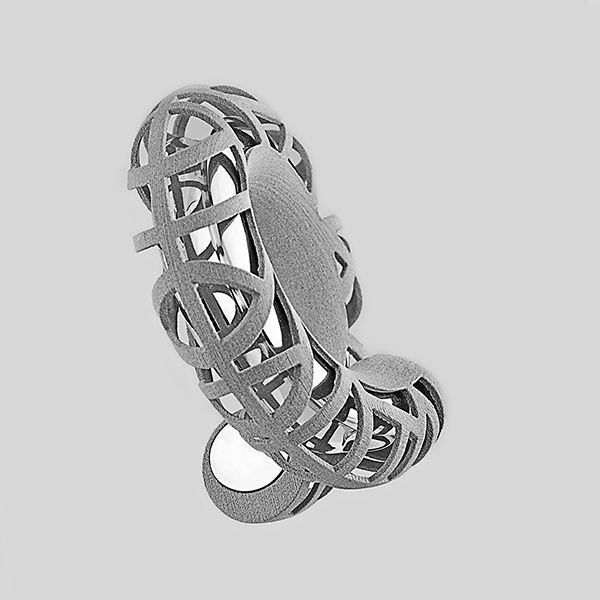
The Australian Design Centre (ADC) in collaboration with Western Plains Cultural Centre has opened it’s latest exhibition Shapeshifters: 3D Printing the Future in Sydney, the second venue on a two-year national tour. The exhibition showcases the work of artists, designers and practitioners using this rapidly evolving technology and their broad application of 3D printing to jewellery, architecture, sculpture and prosthetics.
The exhibition not only explores the effect of digital technology on their practice and profession, but it encourages visitors to think about how they could use 3D printing in their own lives. 3D printing is an additive manufacturing process in which material is layered to form a three-dimensional object, effectively turning a line of code, CAD model, or as digital artist Lukasz Karluk demonstrates, a verse of music into tangible form. Designer and craftsperson Cinnamon Lee says that this additive rather than subtractive process of fabrication has “completely changed the parameters.”
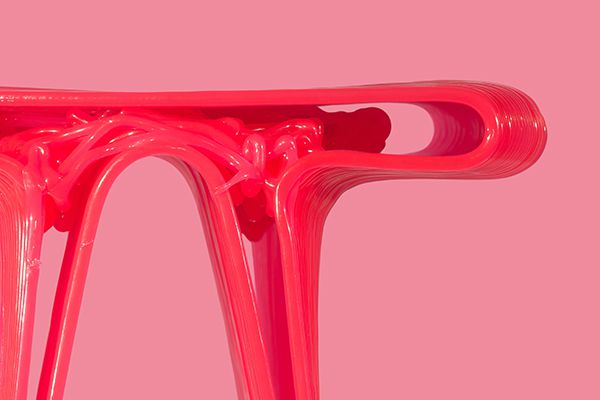
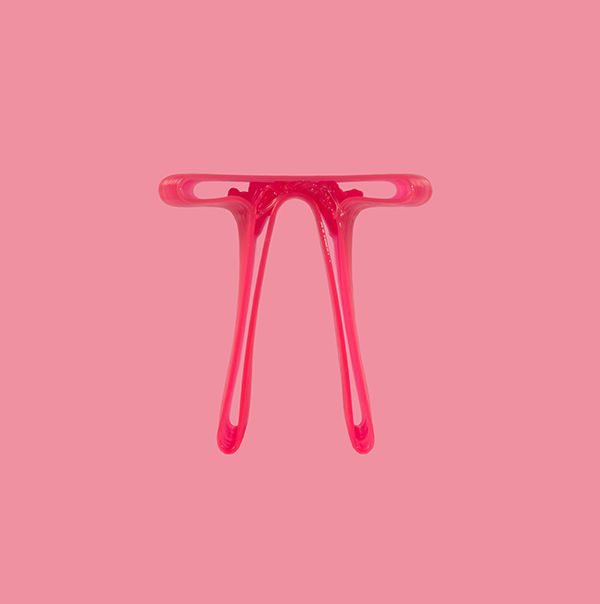
On display is furniture and industrial designer Ryan Penning’s Percy Stool, which demonstrates the reality of 3D-printed furniture and his exploration of algorithmic design and robotic fabrication; the world’s first 3D-printed prosthetic jaw led by bioengineer and senior lecturer Dr David Ackland, which has changed the lives of more than 20 patients; Louis Pratt’s King Coal sculpture with a mould that took 2000 hours of printing; and XYZ Workshops’ inBloom, of the world’s longest 3D-printed dresses made from desktop manufacturing.
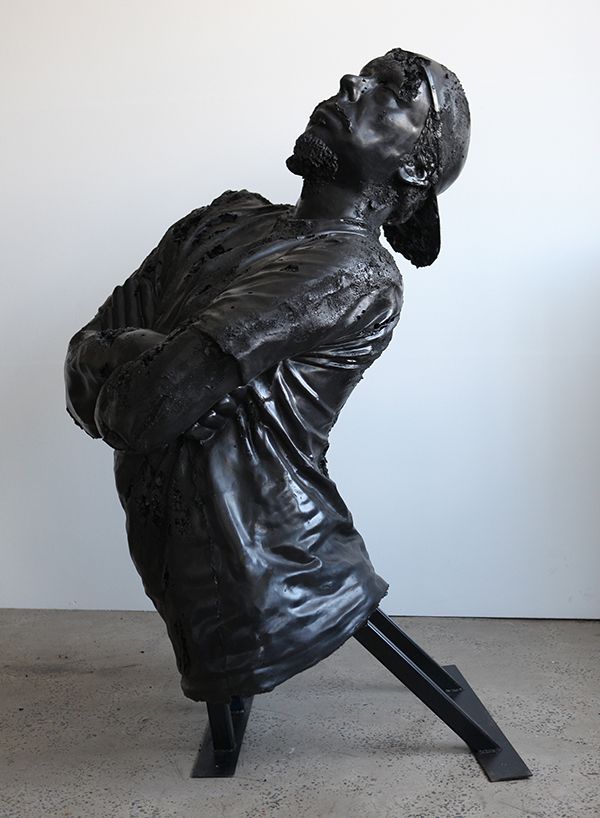
Louis Pratt’s King Coal sculpture.
3D printing allows makers to be more experimental and has been likened to a third-wave industrial revolution in which mass customisation will replace mass production. “3D printing enables the customisation of objects,” says ADC director Lisa Cahill. “There will be the opportunity to design for yourself exactly what you want, although more likely to order customised furniture than to print it at home.” Pennings agrees that shared and distributed systems are a realistic future, however, “there will be a difference in how 3D printing is realised in the future because the technology is advancing at such a fast rate,” he says. Next semester the designer will be teaching at RMIT and encouraging students to explore how to design products for robotic fabrication, including 3D printing systems.
Shapeshifters is on display in Sydney until 20 July 2016 before it moves to metropolitan and rural centres around Australia. A selection of digital examples are presented in addition to the physical works, as well as a series of public workshops run by Modfab for those interested in learning more about 3D printing. “It’s certainly becoming a technology that’s available and anyone can use,” says Cahill. “Australia has a high take-up of new technology so 3D printing will likely follow the trend.”
Australian Design Centre
australiandesigncentre.com

INDESIGN is on instagram
Follow @indesignlive
A searchable and comprehensive guide for specifying leading products and their suppliers
Keep up to date with the latest and greatest from our industry BFF's!
The internet never sleeps! Here's the stuff you might have missed