The home of architecture and design in the Asia-Pacific
Get the latest design news direct to your inbox!

Get the latest design news direct to your inbox!
Protecting the vanishing honeybee population through design? This Melbourne designer has it covered.
June 23rd, 2011
The work of Melbourne-based designer Justin Hutchinson operates on 3 levels: designing to solve a problem, raising public awareness of said problem, and restoring craftsmanship to the modern world.
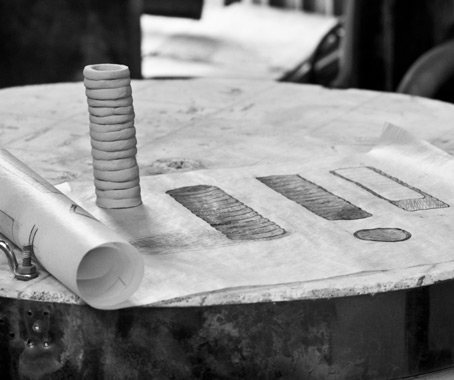
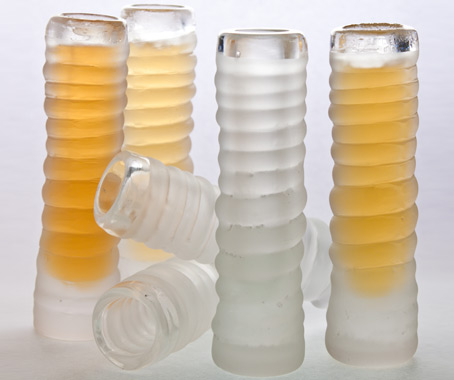
His recent project Bee Brave is a perfect example. Recently on show as part of the Ketel One Commission – where it received a high commendation – it represents the plight of bees, raises awareness and encourages people to support the craft of beekeeping.
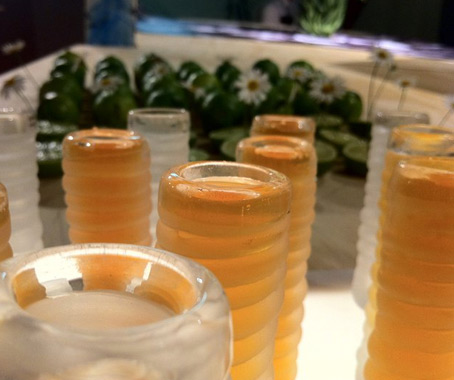
Bee Brave was created in collaboration with Andrea Santarossa, Philip Stokes and Melbourne City Rooftop Honey.
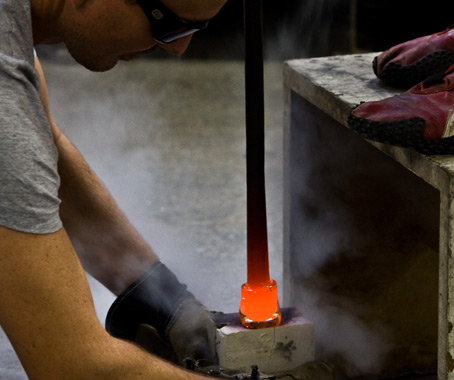
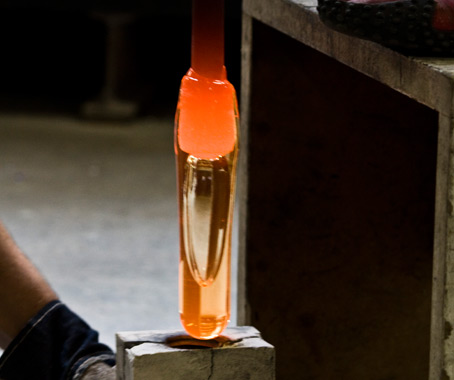
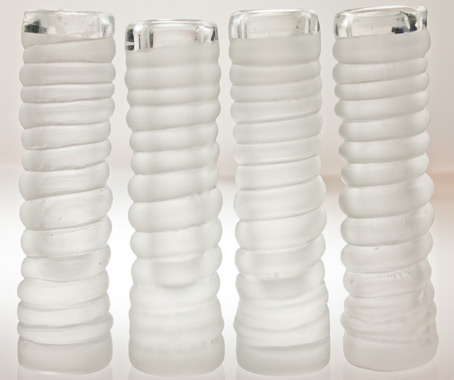
They crafted a vessel symbolic of “awareness and hope” and worked with mixologists to develop a drink – nectar for the vessel – made using local Heidelberg honey.
“I’m interested in creating products that are a symbol of information about a story, so that people can then ask questions and look into it more themselves,” Hutchinson says.
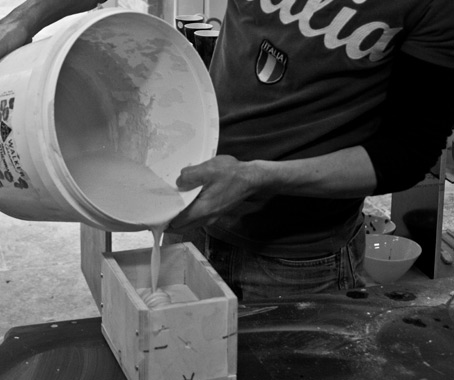
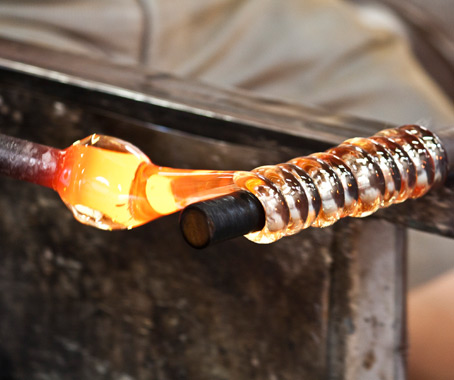
The simple glass vessels are an expression of solidarity for traditional beekeepers, whose craft is under threat as the bee population worldwide drops.
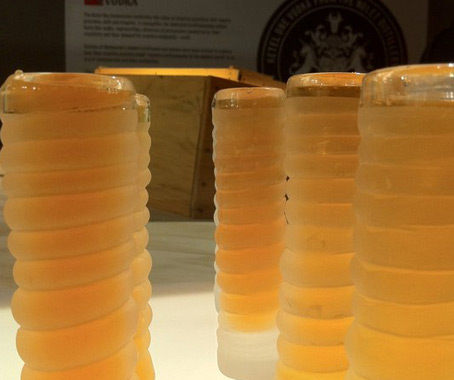
It’s also part of a larger project that involves working with local beekeepers and Melbourne City Rooftop Honey to install beehives on Melbourne rooftops.
A rooftop pop-up space in the Spring will encourage city dwellers to congregate and socialise, reflecting on the possibilities of growing food locally and why bees are vital in agriculture as pollinators.
The diminishing bee population worldwide poses a very real threat to the ability to grow crops that require pollination.
The next stage in spreading the Bee Brave message will be to create hand-blown glassware to be sold with honey, “to tell the story about where the honey has come from,” says Hutchinson.
Justin Hutchinson Design
justinhutchinson.com
INDESIGN is on instagram
Follow @indesignlive
A searchable and comprehensive guide for specifying leading products and their suppliers
Keep up to date with the latest and greatest from our industry BFF's!
Next Tuesday, 24 February 2015, IAPA brings its exhibition Revival: A Journey of Design to Sydney’s Museum of Contemporary Art.
Stylecraft is offering tables, chairs, task chairs, lounging and more at heavily reduced prices on new stock, discontinued stock and ex-showroom samples. Visit the Sydney Showroom at Suite 4, lower ground floor 223-225 Liverpool Street, Darlinghurst (level above Sydney Stylecraft showroom). Open 9am – 5pm. Sale ends 4pm Saturday 5th September 2009. stylecraft.com.au
The internet never sleeps! Here's the stuff you might have missed