The home of architecture and design in the Asia-Pacific
Get the latest design news direct to your inbox!

Get the latest design news direct to your inbox!
What exactly does a theatre consultant do, and why are they an important part of designing the spaces in which we tell the most dramatic stories? Charcoalblue’s Erin Shepherd tells us more.
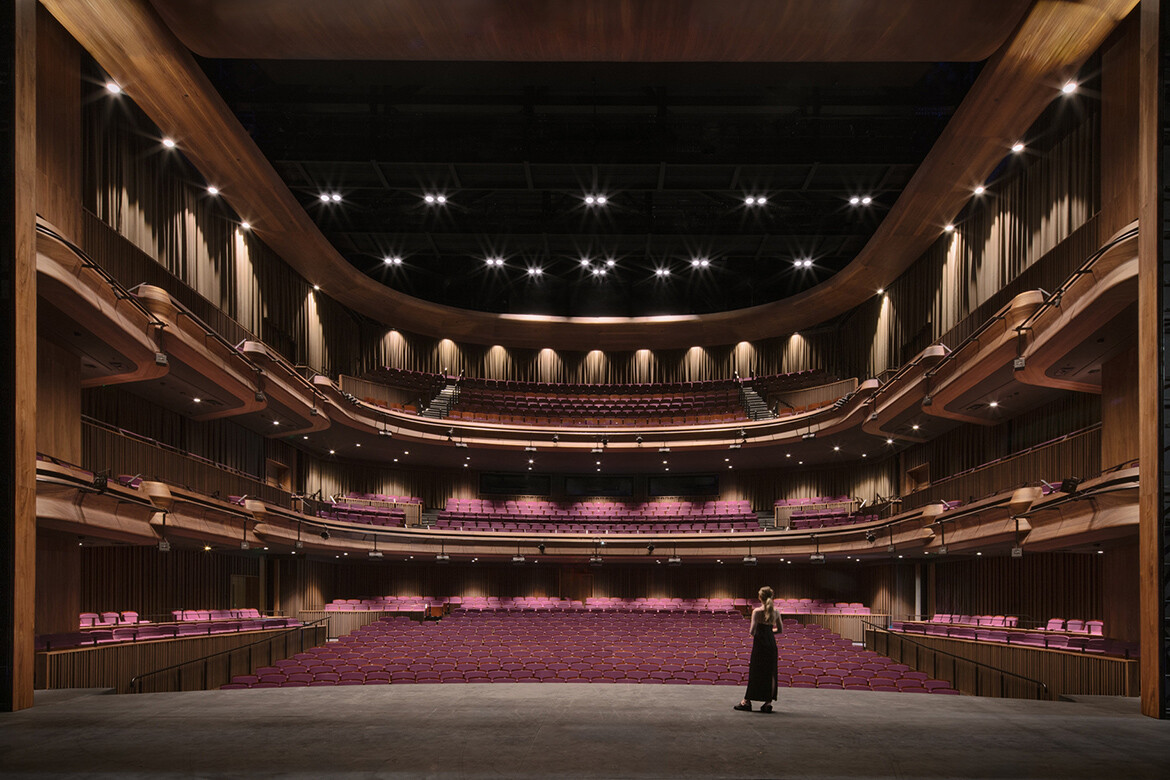
BNZ Theatre, photo by Jasmax.
May 28th, 2026
By Erin Shepherd, director at Charcoalblue.
As a theatre consultant at Charcoalblue, I’ve collaborated with some of the region’s best architects to deliver incredible projects in Australia and New Zealand.
Yet many architects are unfamiliar with what a theatre consultant does. Finding a good consultant to partner with on a performance space project is critical. By the end, most architects value the collaboration so much that they often check in before moving a light switch!
So, what exactly does a theatre consultant do? And how does a top-notch theatre consultant make your project sing?

Designing spaces for storytelling
In a nutshell, a theatre consultant designs spaces for storytelling. From a large auditorium to a small community performance space, they ensure that venues provide the best experience for everyone who uses them.
Those people include the storytellers (actors, musicians, dancers, performers), production crew, sound and lighting technicians, set designers and builders, and the audience. That’s a lot of people with a lot of different needs, and a lot of moving parts. A space that looks good is worth nothing if the back-of-house doesn’t work and the audience experience is sub-par — which is why the best theatre consultants have hands-on production experience.
If you’ve never worked back-of-house at a theatre, it’s a foreign land. The technical infrastructure is never used the same way twice, and this is where practical experience comes to the fore.
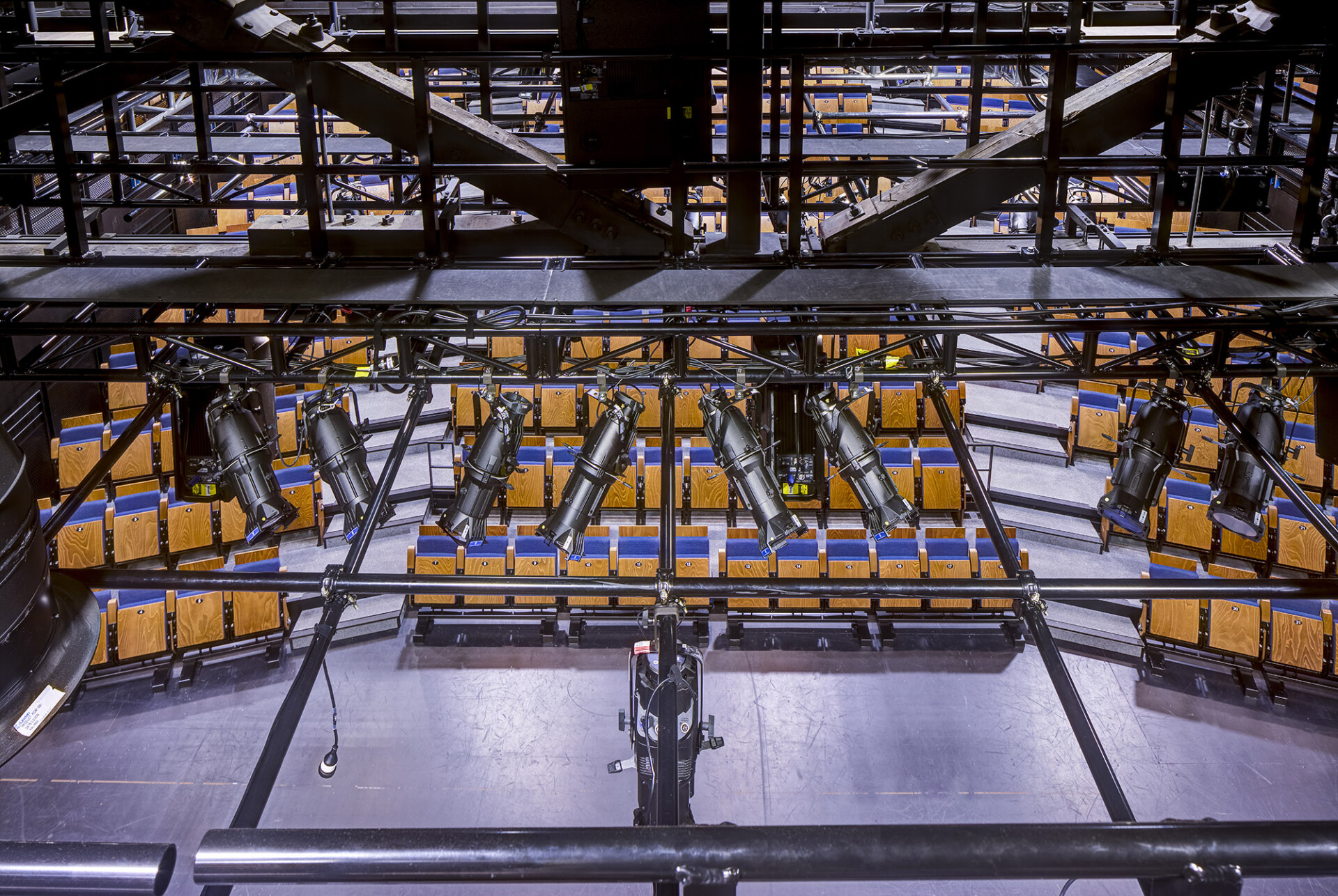
I started life as a performer, then spent many years as a touring stage and production manager, working in performance spaces around the world. Theatres were my home, day and night, for weeks on end. From ballet to opera, orchestras to rock bands, I’ve learned the very specific needs of different performance types.
Working in theatre buildings of all shapes and sizes builds a deep understanding of the pain points and failures, from big things down to the tiniest detail. To get it right, you first need to know who and what you are designing for.
Related: Project feature on BNZ Theatre
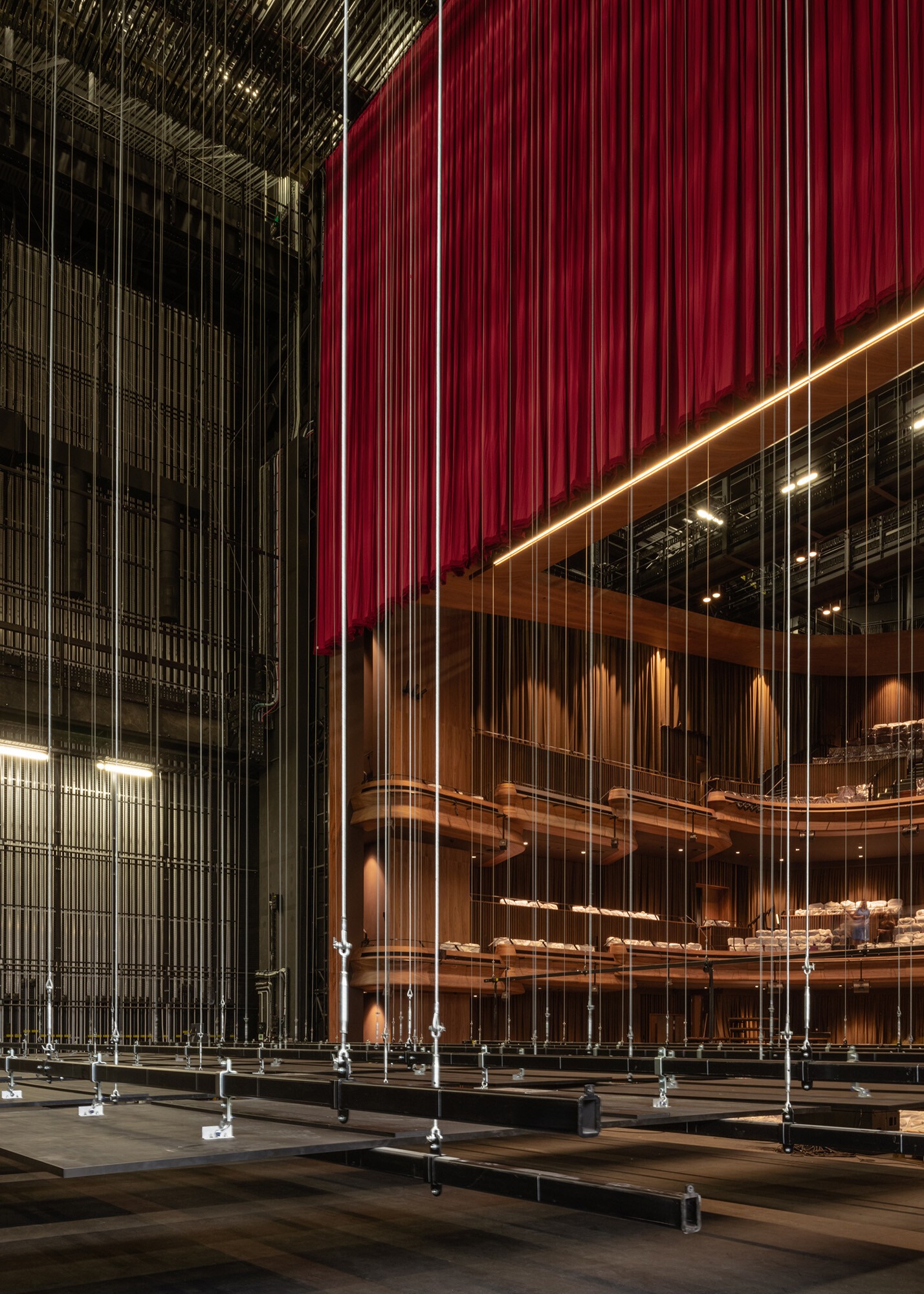
The two most important questions are: ‘What stories will be told in this space?’ and ‘what experience do you want people to have?’
The answers spark a design conversation that explores every aspect of how the space will be used. Who will be on stage? How will people move through the space, from the foyer to the toilets (how many?) and into the performance area? These interrogations must be deep and rigorous before moving into the design phase.
Once the brief is defined, the nuts and bolts of a theatre consultant’s work begins, collaborating with the architect on theatre planning and auditorium design, which includes sightlines, seating configurations and acoustics. Stage engineering — loosely, the things that go up and down — includes flying systems and lifts. Also in the mix are stage lighting and associated infrastructure, as well as audio-visual. A storytelling space needs to be like a finely tuned instrument that can adapt to different performance types.
The architect and theatre consultant work closely to meld function and form into a seamless environment for the performers and technical team and a memorable experience for the audience.
Sometimes, clients are unsure what they want to do in the space. A theatre consultant can help to define what the space can be, now and into the future. These rewarding conversations go beyond the technical to consider people and place.
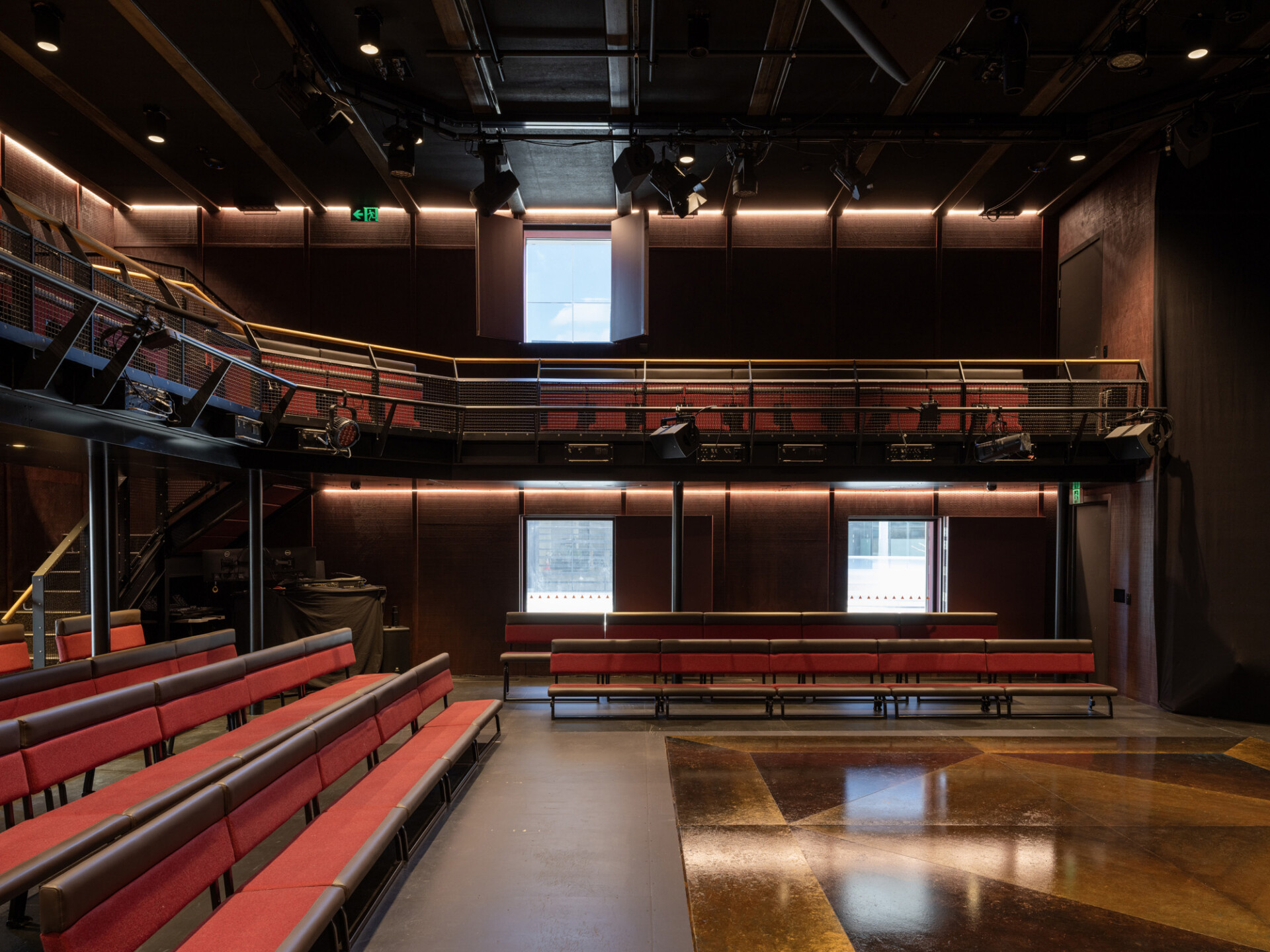
New stories need new spaces
Storytelling happens the world over, but the nuances are regional, cultural and historical. The UK and Europe have a long history of theatre buildings dating back hundreds of years. The US has its own historical evolution of storytelling. With so much tradition, there is a tendency to look backwards.
Australia has a unique cultural context, with a short European history and a long Indigenous one. We look forward. In contemporary Australia, tricky conversations are happening, but we approach tensions more freely.
Storytelling spaces should be for everyone, not just the privileged few. How do we reflect our communities, particularly Indigenous ones?
It is exciting to be at the forefront, working with architects and communities who want to imagine what a uniquely Australian gathering space could look like. In this creative space, a good theatre consultant is invaluable.
Charcoalblue
charcoalblue.com
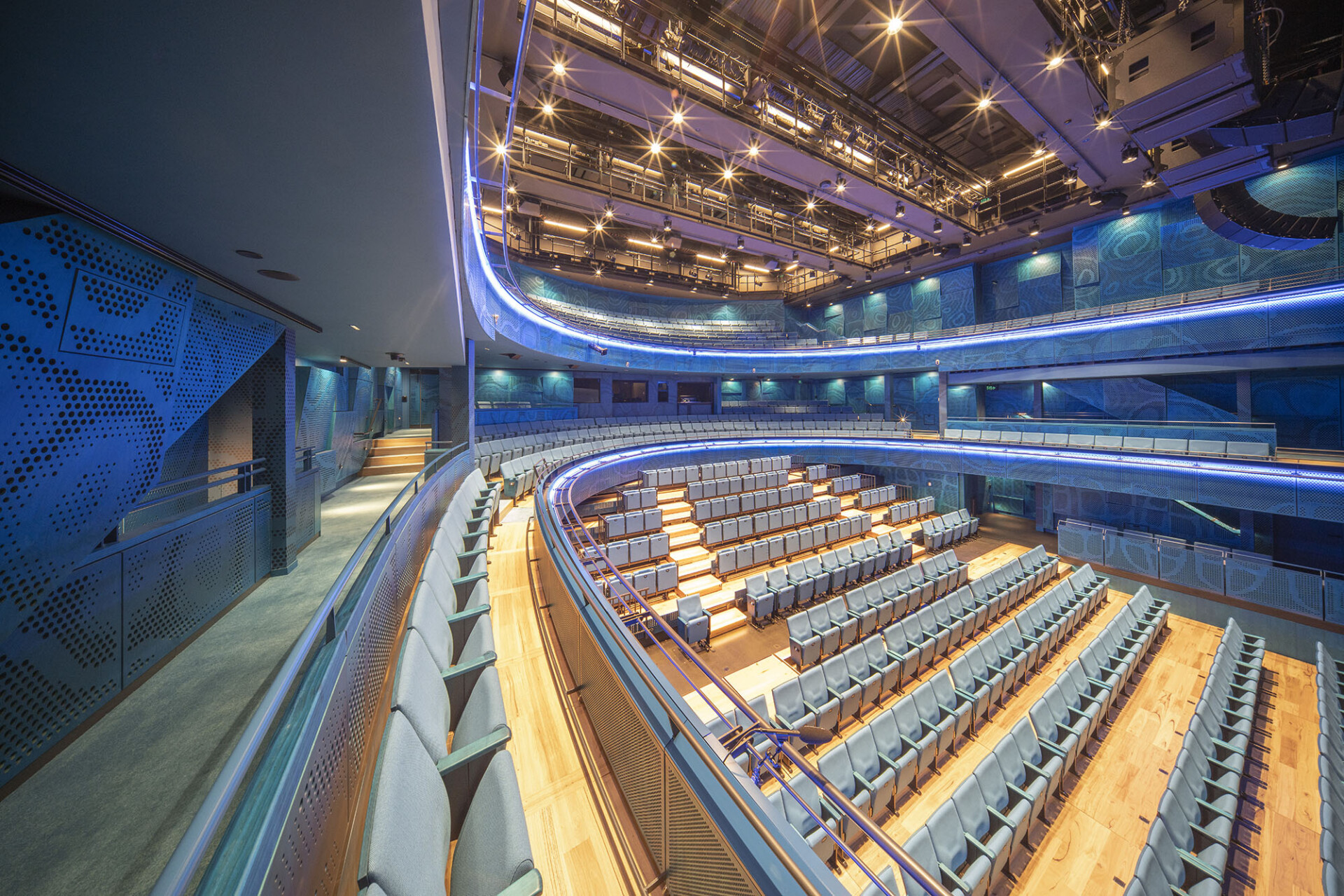
INDESIGN is on instagram
Follow @indesignlive
A searchable and comprehensive guide for specifying leading products and their suppliers
Keep up to date with the latest and greatest from our industry BFF's!
The internet never sleeps! Here's the stuff you might have missed