The home of architecture and design in the Asia-Pacific
Get the latest design news direct to your inbox!

Get the latest design news direct to your inbox!
From robotics and Blak design to food, furniture and climate-responsive sportswear, Australia’s largest design event will return in May with more than 400 events across Melbourne.
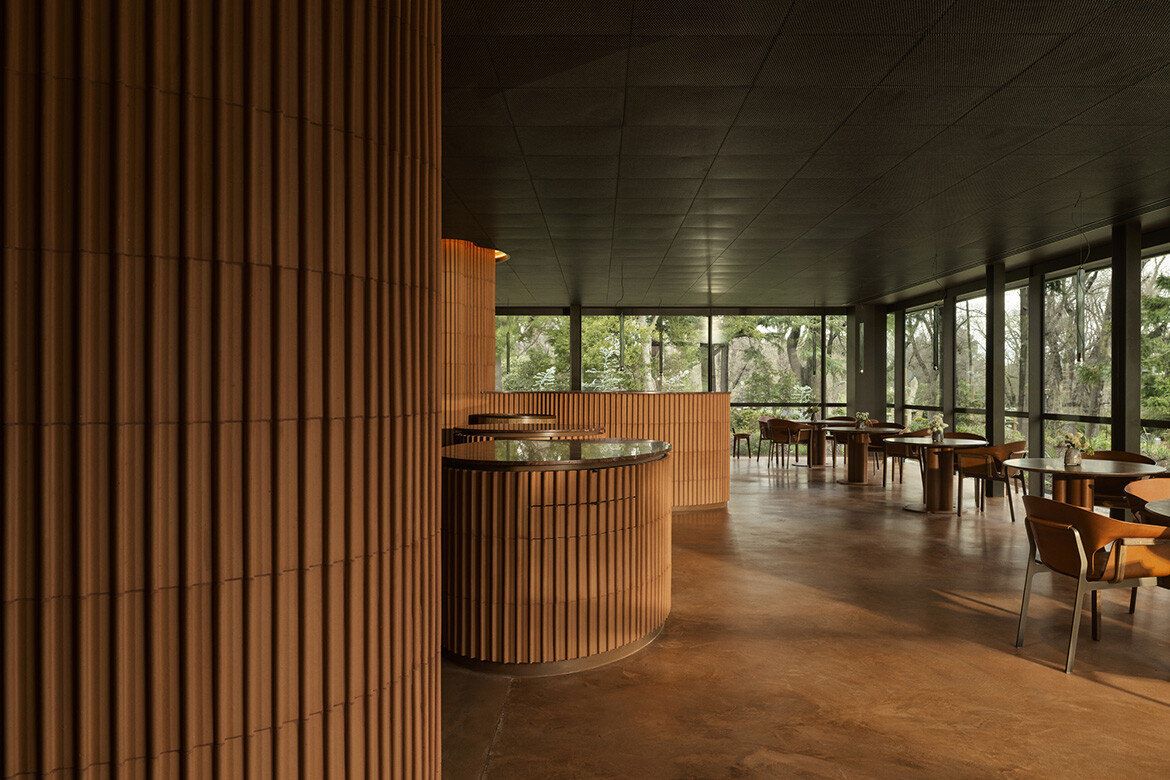
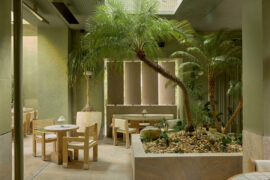
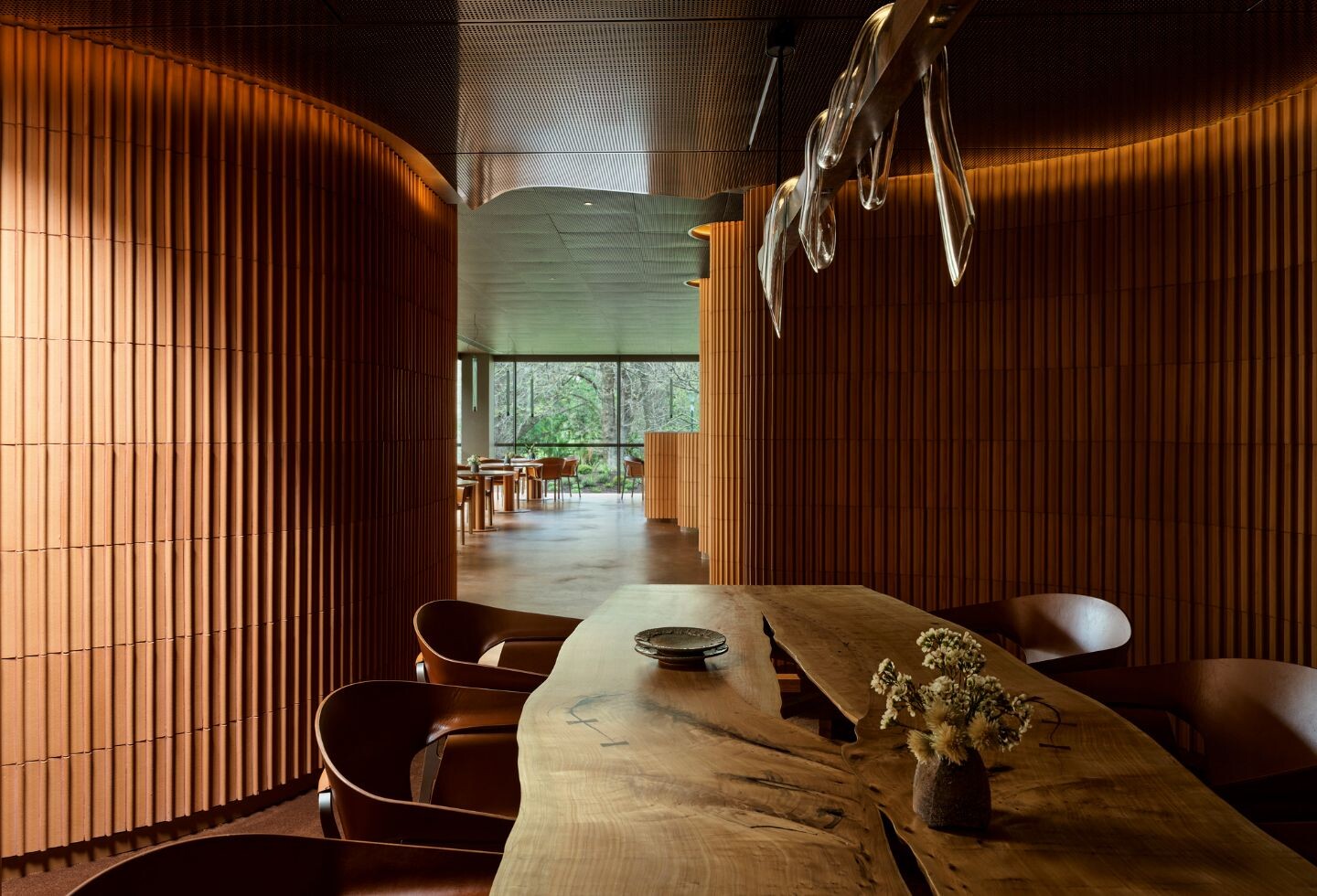
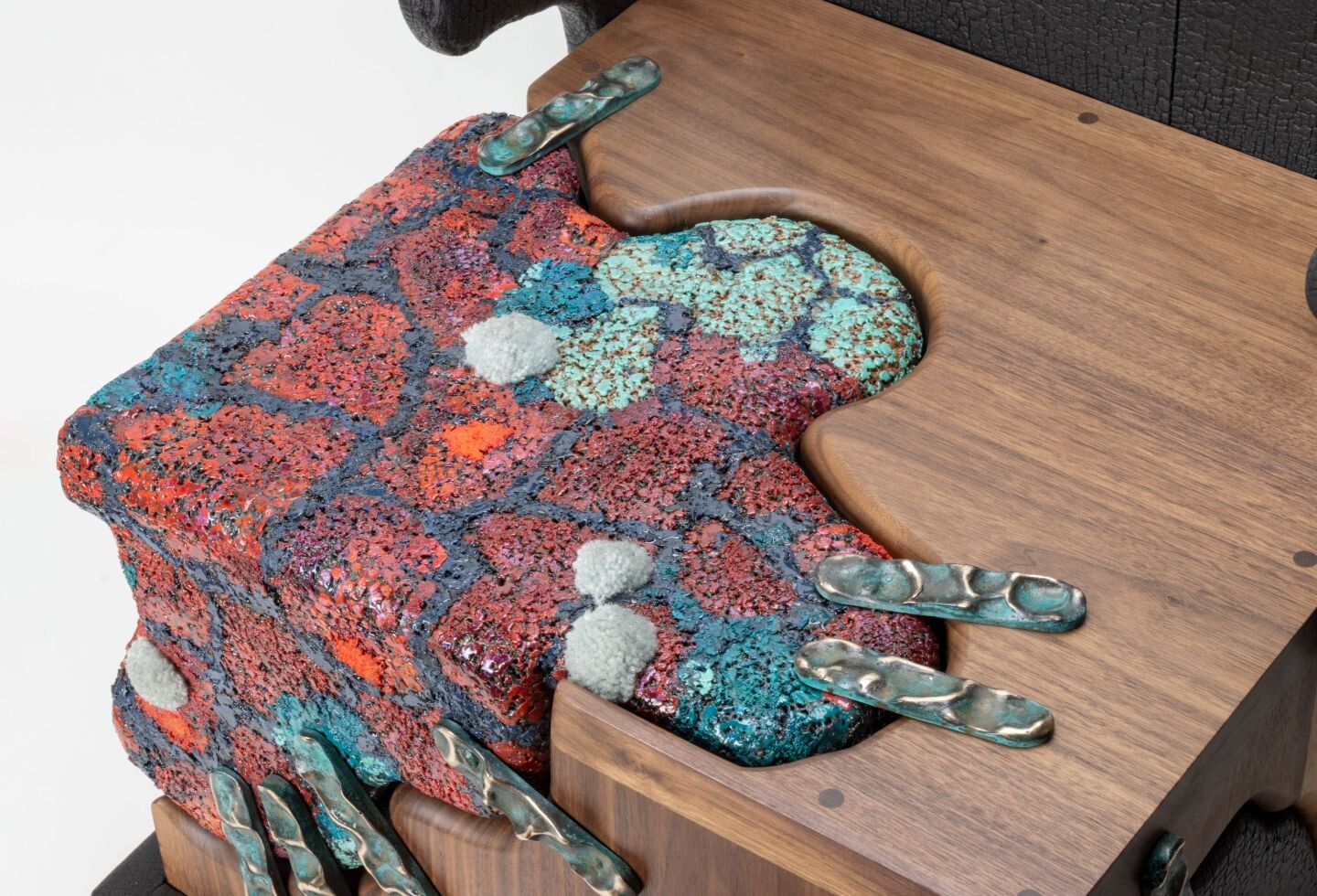
Yiaga by Wardle. Photo by Anson Smart.
March 23rd, 2026
Running from 14th to 24th March across National Gallery of Victoria, Abbotsford Convent and venues citywide, Melbourne Design Week 2026 consolidates its position as Australia’s largest design event, with more than 400 events spanning food, fashion, technology and the built environment.
Now in its tenth year, the program foregrounds design’s expanding role in shaping contemporary life. From robotics and prosthetics to hospitality and climate-responsive sportswear, this year’s edition draws together an international and local line-up including Shunji Yamanaka, Tom Kundig and Alison Page, alongside Australian figures such as Mary Featherston and David Flack.
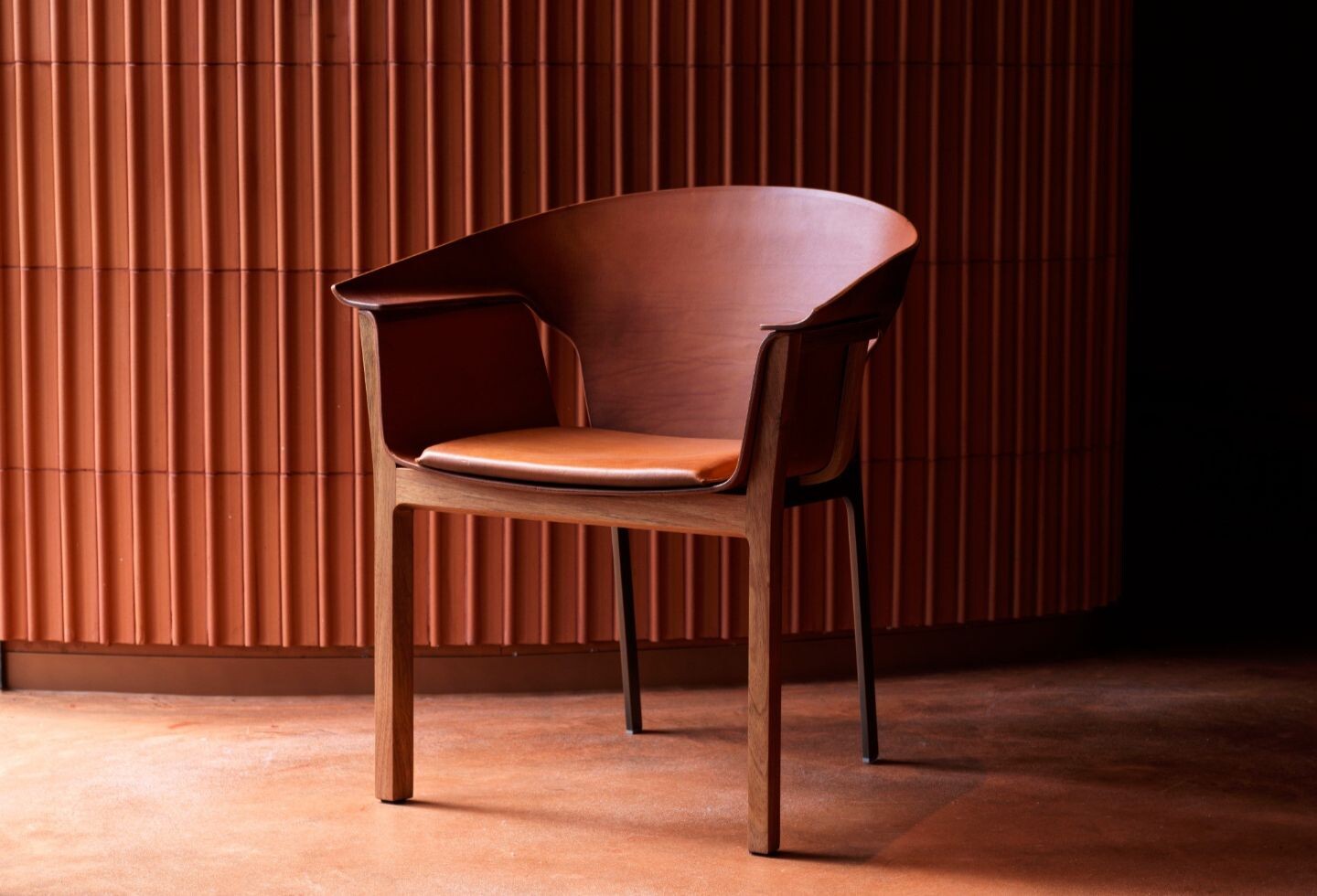
Highlights include Yamanaka’s keynote on human-machine design, while Page’s exhibition at Melbourne School of Design reflects on 25 years of practice exploring Blak design. At NGV International, a series of talks brings interior design into focus, with conversations led by Anthony Burke and David Flack, alongside a dedicated Interior Design Day.
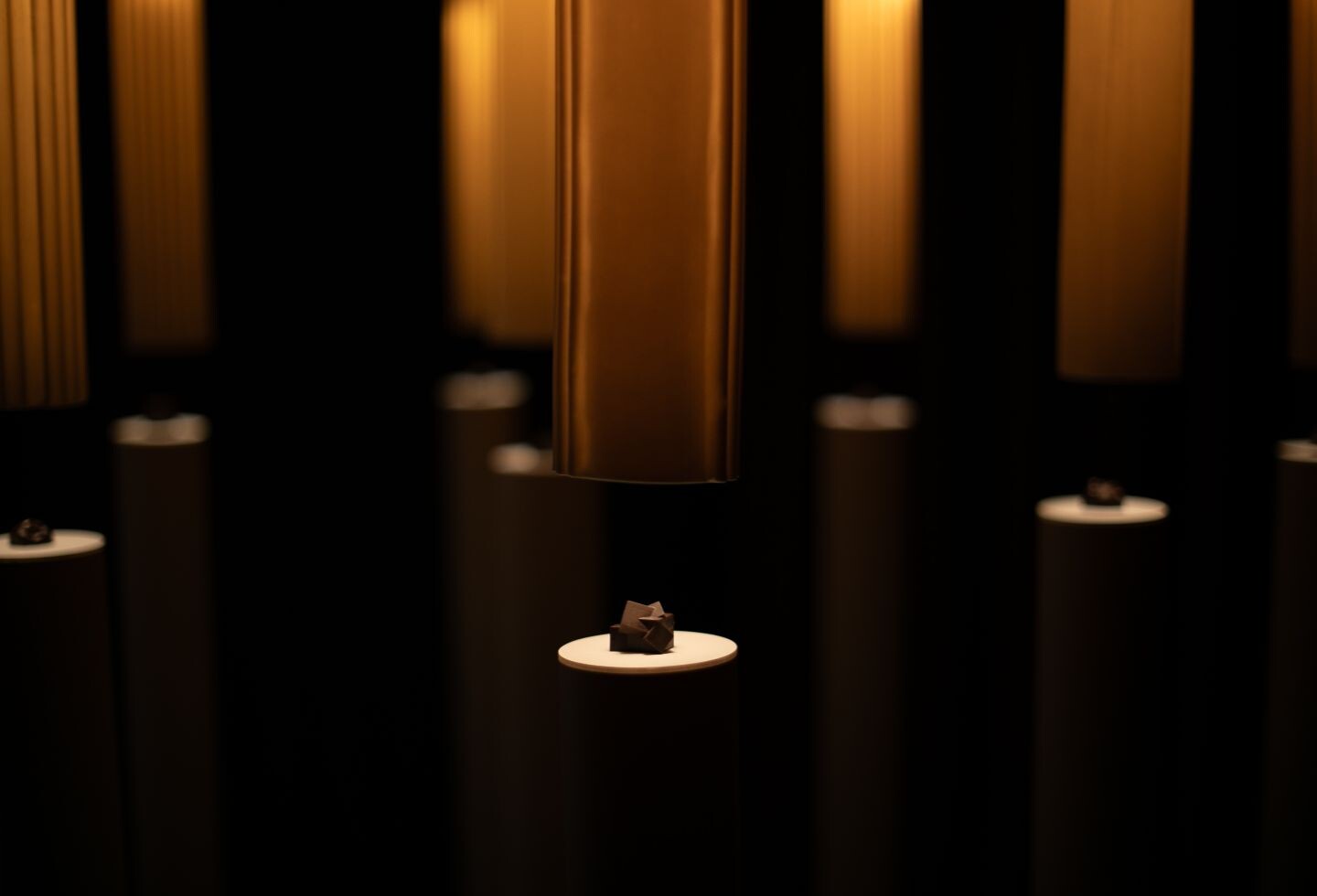
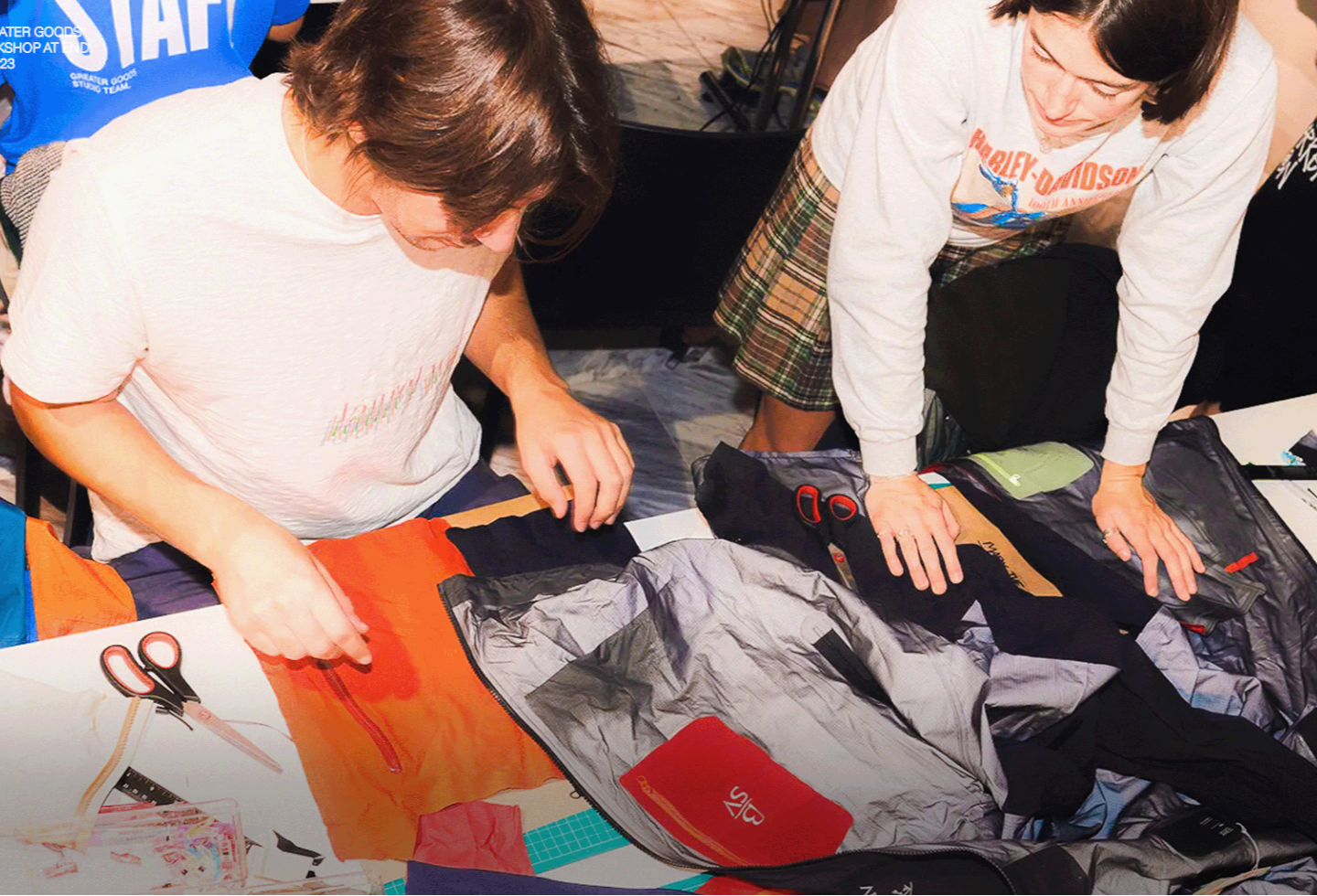
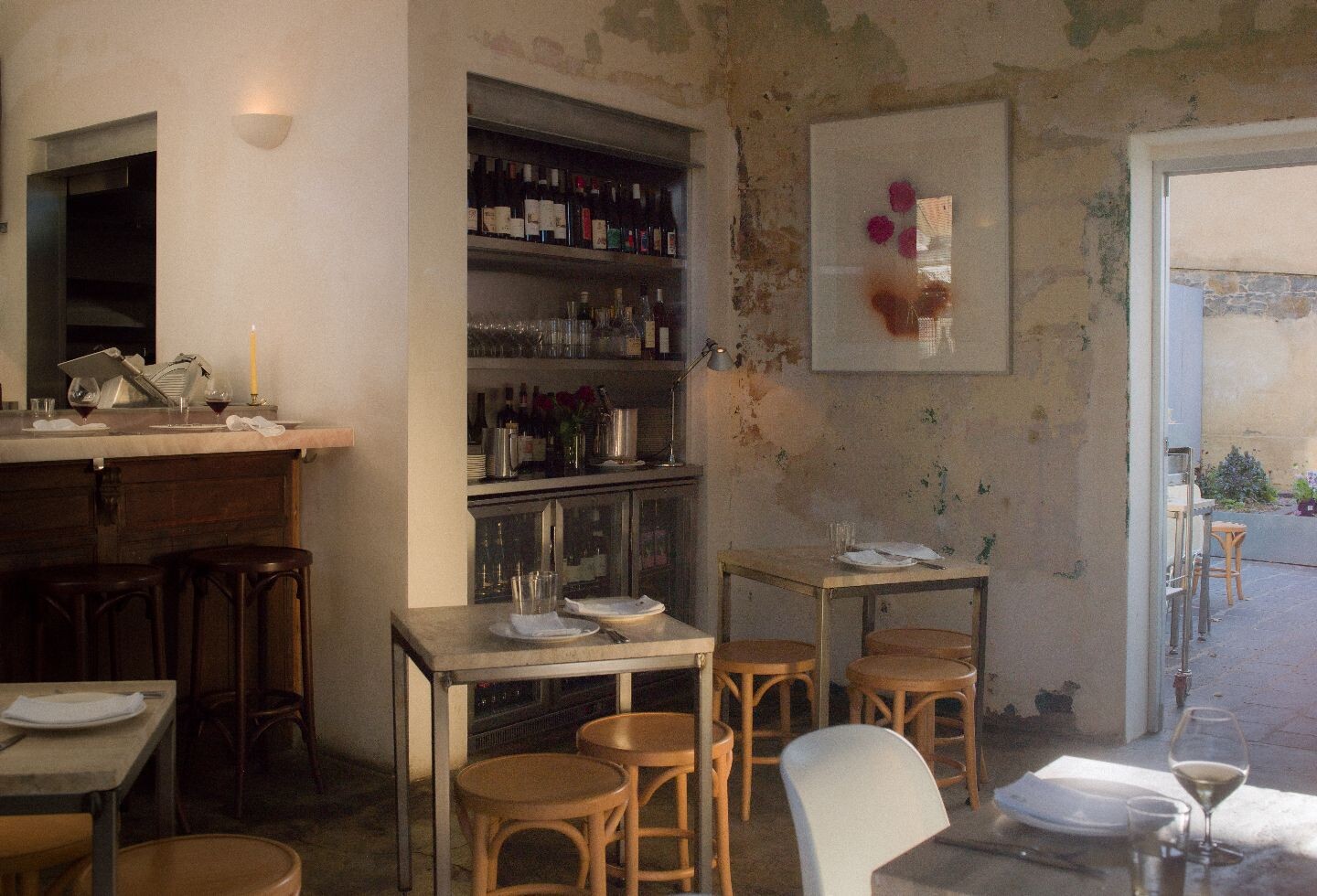
Food and design intersect through events such as Yiaga: The Craft of Place, pairing chef Hugh Allen with architect John Wardle, and exhibitions exploring tableware and edible design. Elsewhere, sport and performance take centre stage, from a recycled-materials soccer tournament to exhibitions examining outdoor gear for a changing climate.
Related: Found in translation
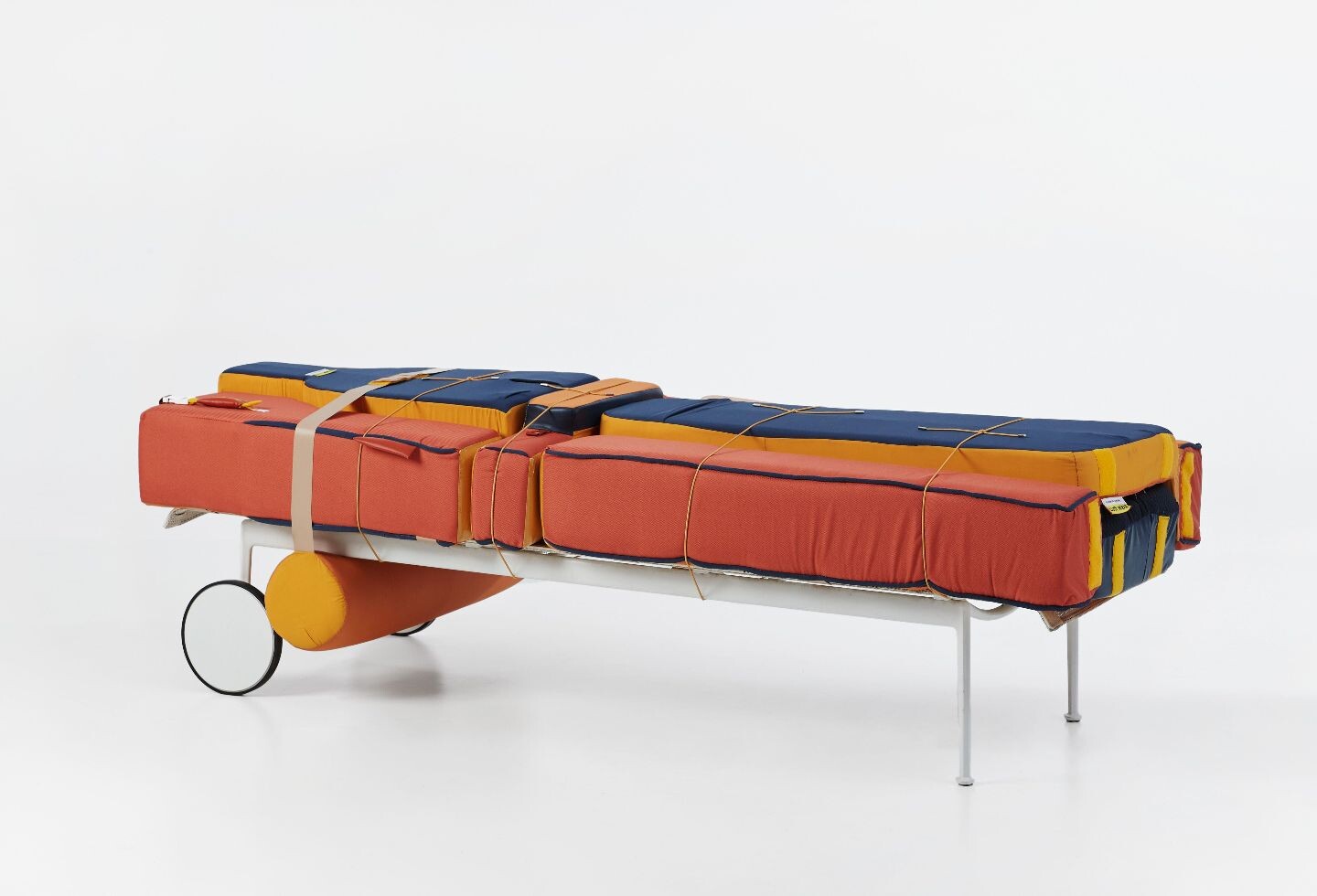
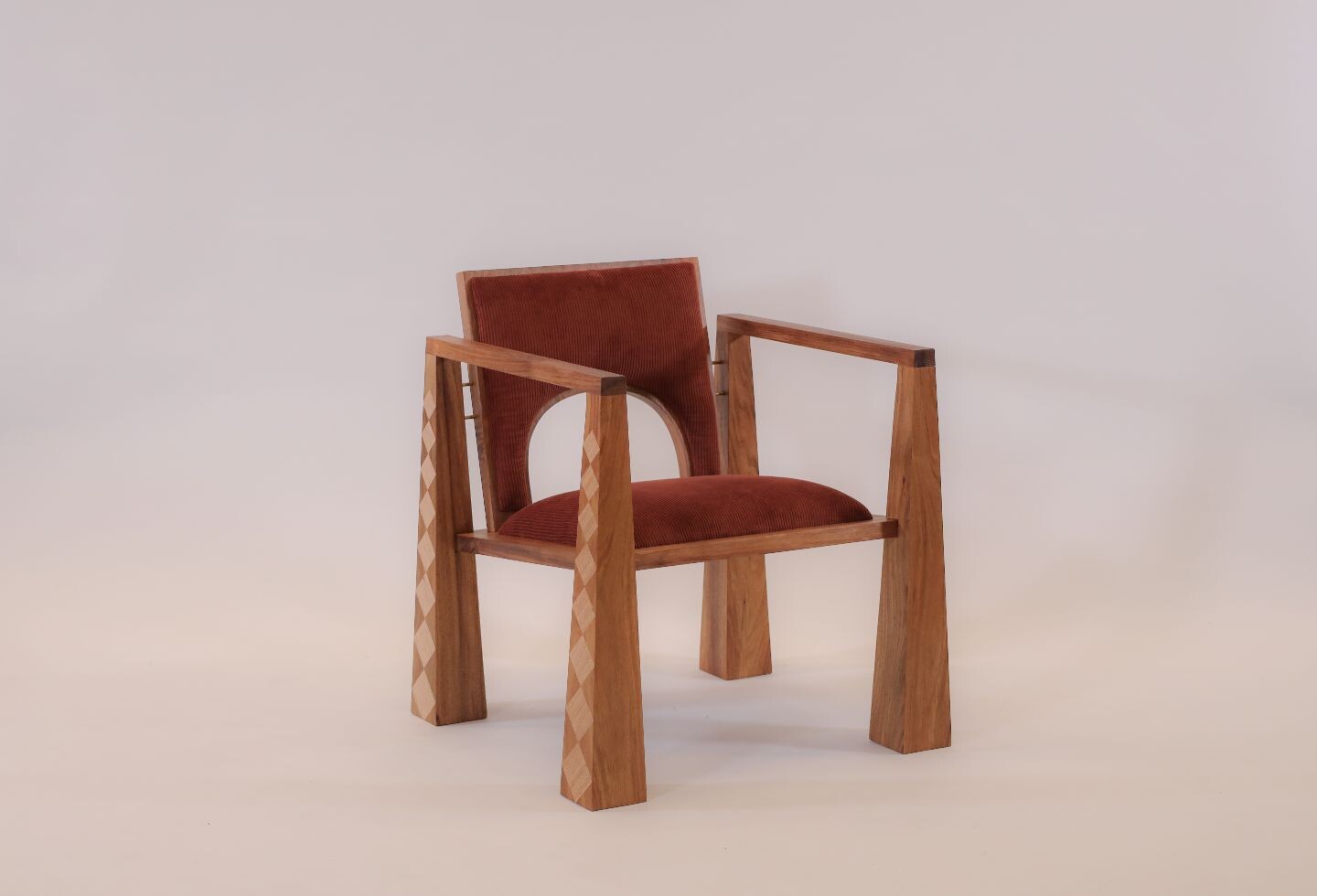
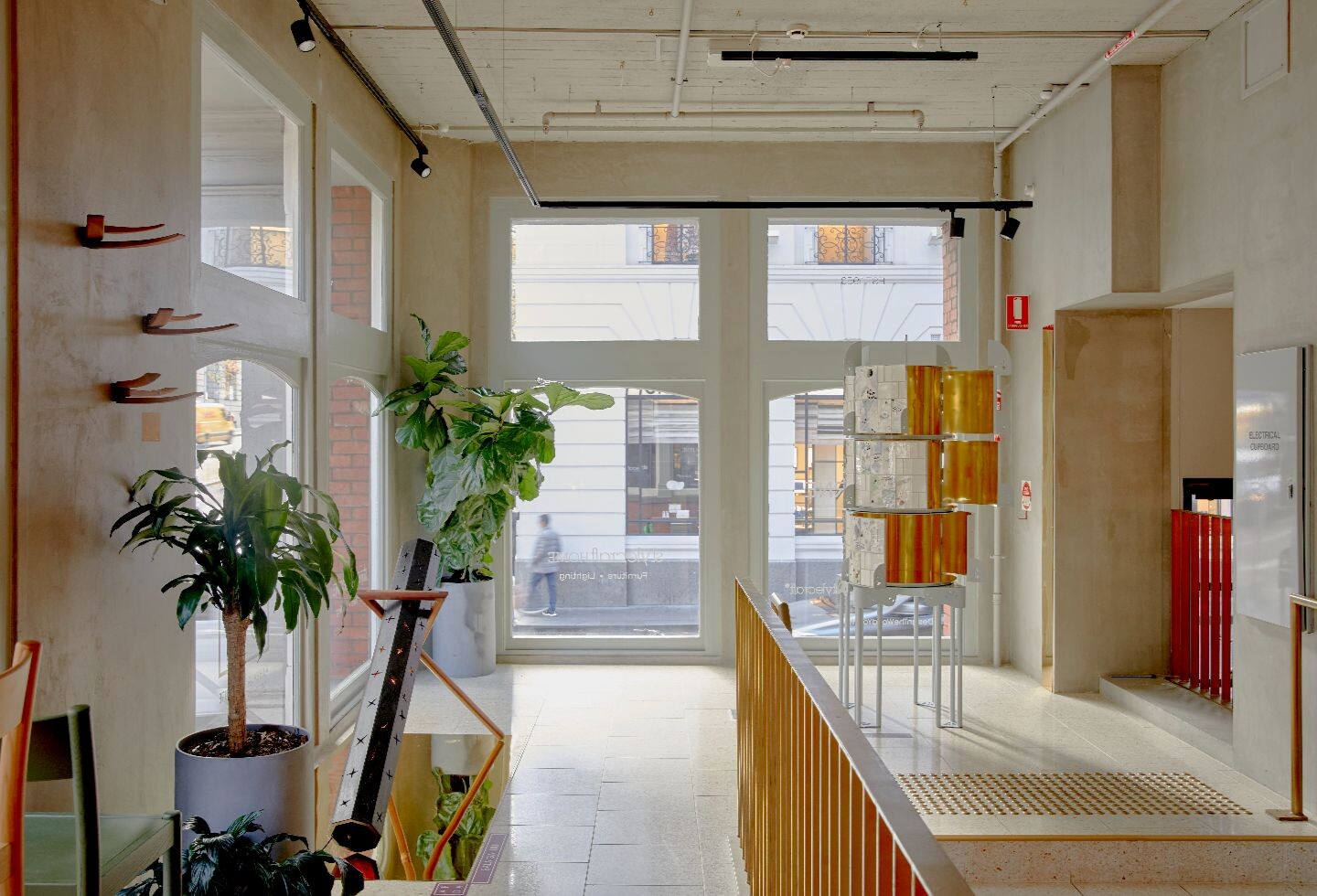
Across the city, galleries and showrooms including Muji and Aesop host exhibitions that connect industry and public audiences. Meanwhile, the Australian Furniture Design Award returns with the theme “Living Well Living Small,” spotlighting new directions in compact living.
With attendance exceeding 100,000 in 2025, Melbourne Design Week continues to expand in both scale and ambition — positioning design not as a discipline in isolation, but as a framework for navigating the cultural and environmental challenges ahead.
Melbourne Design Week
designweek.melbourne


INDESIGN is on instagram
Follow @indesignlive
A searchable and comprehensive guide for specifying leading products and their suppliers
Keep up to date with the latest and greatest from our industry BFF's!
The internet never sleeps! Here's the stuff you might have missed