The home of architecture and design in the Asia-Pacific
Get the latest design news direct to your inbox!

Get the latest design news direct to your inbox!
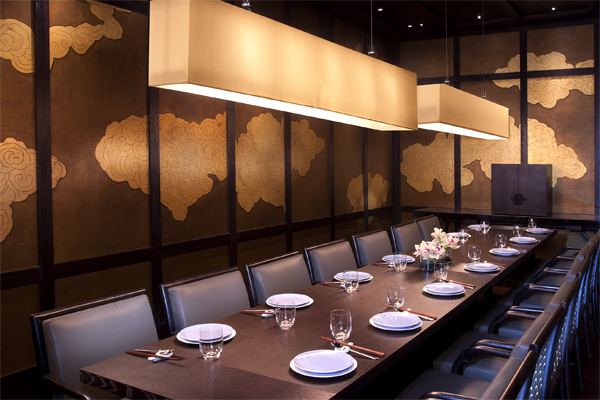
It is almost impossible to find a review of modern Chinese restaurant Hakkasan, which does not mention its distinctive and opulent décor.
April 5th, 2013
Hakkasan’s design partner, Paris based Gilles and Boissier, took the chic ambiance of the original London restaurant and re-invented it for Hakkasan Dubai as a blend of Chinese culture and Arabian mystique. The result is a modern and inspirational take on Eastern Chinese design.
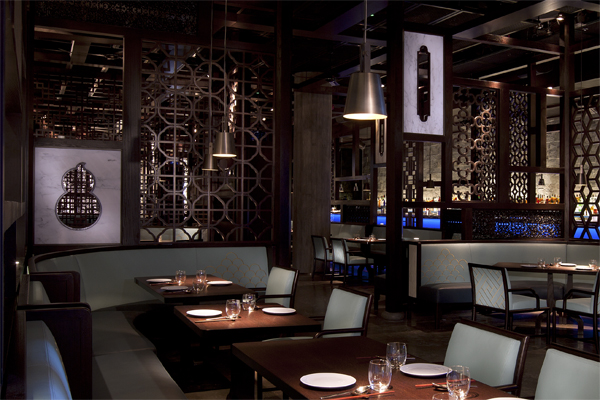
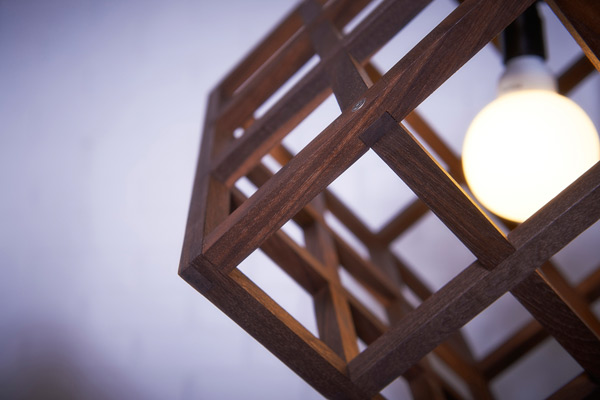
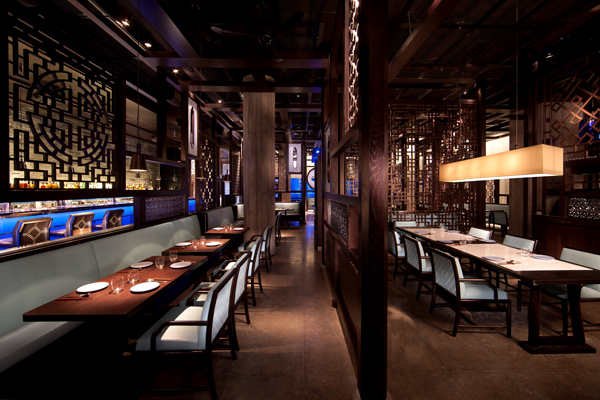
A Hakkasan trademark, the restaurant is divided into three distinct areas: dining, lounge and bar, where each section is creatively separated by carved wooden lattice screens made from rich American red oak. These unique wood panels have been stained a very dark shade that innovatively combines with the depth of its grain to create an overwhelming sense of sumptuous warmth.
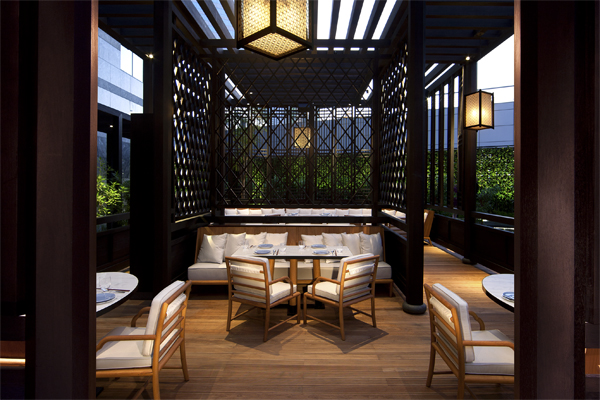
The dark wood of these screens further contrasts with the lighter tones of the backlit blue glass and white latticing that fringe the Ling Ling Lounge, reminiscent of that old school decadence of Chinoiserie. Punctuated with black and gold traditionally drawn panels, the dark American hardwood screens are a spectacular, eye-catching finish, making this room fit for even the most discerning of Chinese Emperors
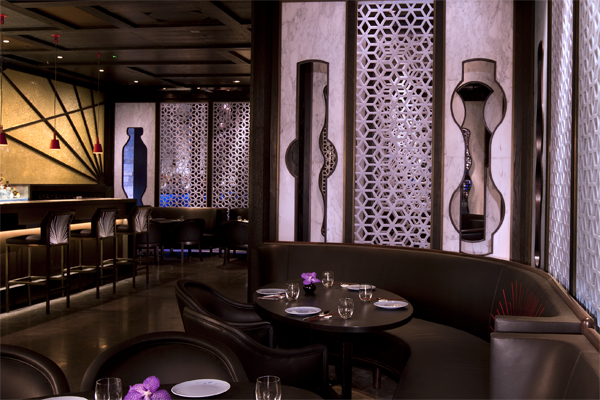
“In the Dubai restaurant, the interior design is an evolution of the Abu Dhabi [Hakkasan restaurant],” speaks the project’s executive architect, Steven Velegrinis from Woods Bagot, “and it also includes large amounts of sustainable American red oak.” “The oak and marble cages” he continues, “are still the signature element of the design”.
Indeed, American red oak is an increasingly popular choice for architects in the Middle East, and in 2012 it gained strong recognition in Australia as a unique and innovative choice for internal finishes. “Hakkasan in Dubai is breathtaking,” says Rod Wiles, Director for the American Hardwood Export Council Oceania, “and the dark stained red oak has a huge impact the second you step over the threshold.” “With Woods Bagot working on all Hakkasan global projects,” continues Wiles, “I’m intrigued to see how the design evolves as new restaurants open around the world”.
And with the support of The American Hardwood Export Council (AHEC), the leading international trade association for the U.S. hardwood industry, the future of this product looks bright. Representing the committed exporters among U.S. hardwood companies, and all the major U.S. hardwood production trade associations, AHEC is well positioned to bathe this amazing finish in the opulence it deserves.
American Hardwood
INDESIGN is on instagram
Follow @indesignlive
A searchable and comprehensive guide for specifying leading products and their suppliers
Keep up to date with the latest and greatest from our industry BFF's!
The internet never sleeps! Here's the stuff you might have missed