The home of architecture and design in the Asia-Pacific
Get the latest design news direct to your inbox!

Get the latest design news direct to your inbox!
Lighting, from the architects who brought us SawMill House.
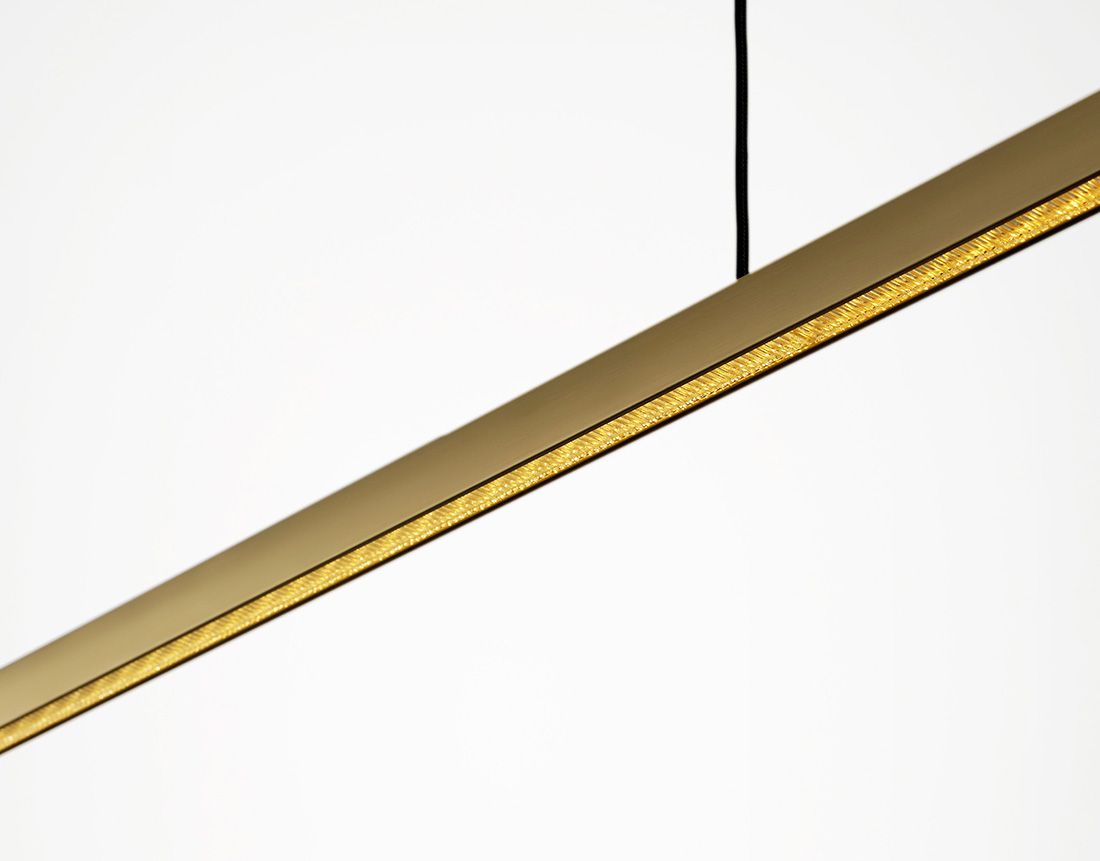
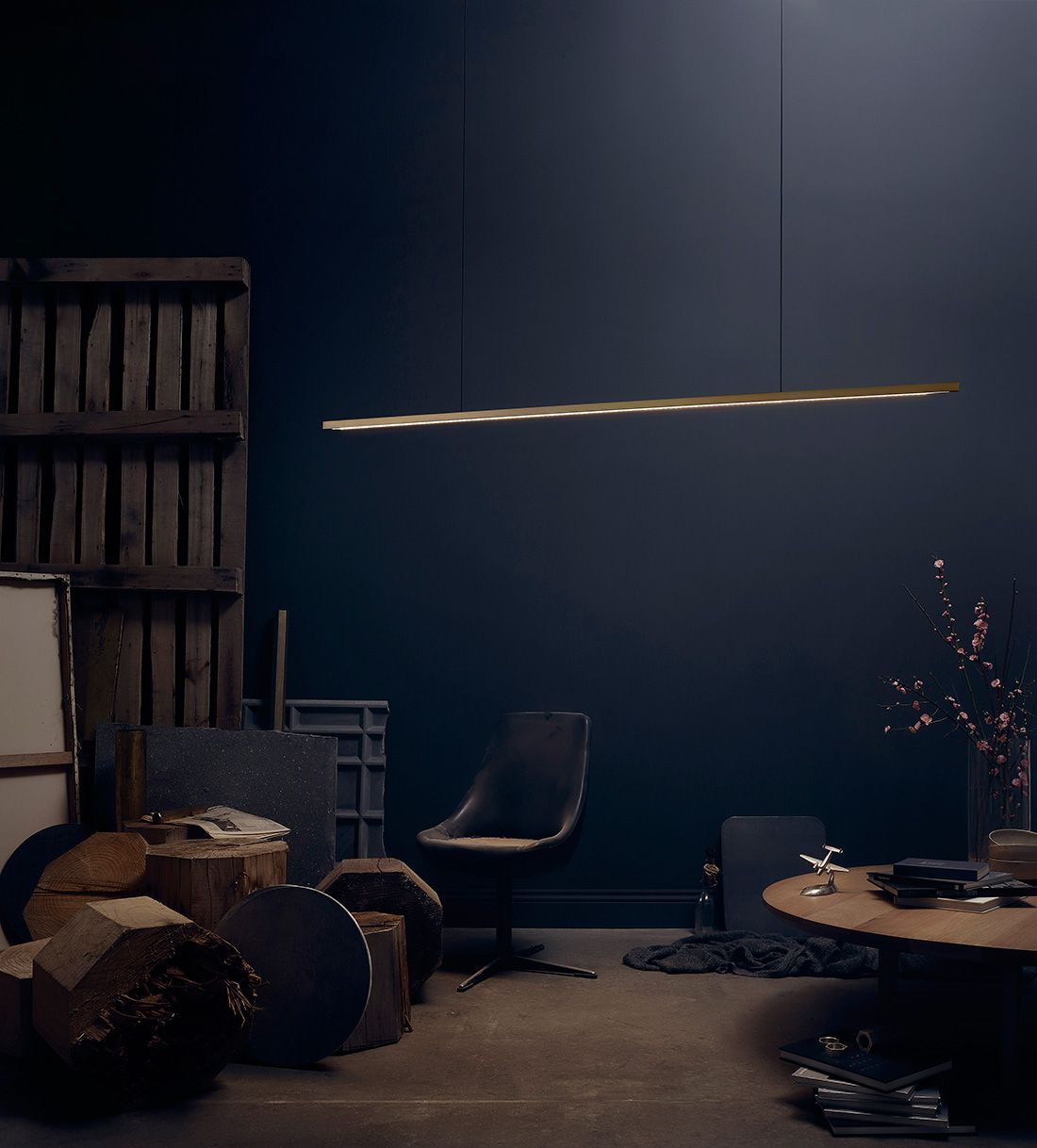
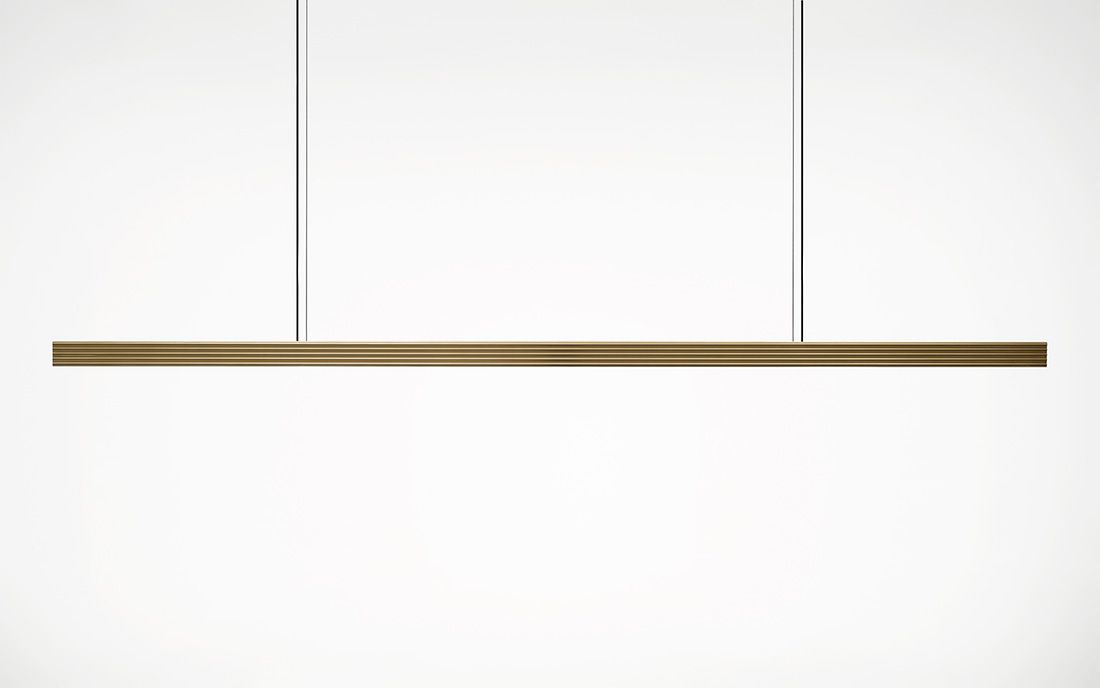
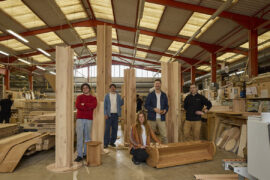
Recently taking home a slew of industry awards for their debut Sawmill House – an incredibly imaginative and sustainable use of the tonnes of concrete wasted to landfill annually – Melbourne and Hobart-based firm Archier has just released a line of lighting designs observing their trademark minimal and elegant aesthetic.
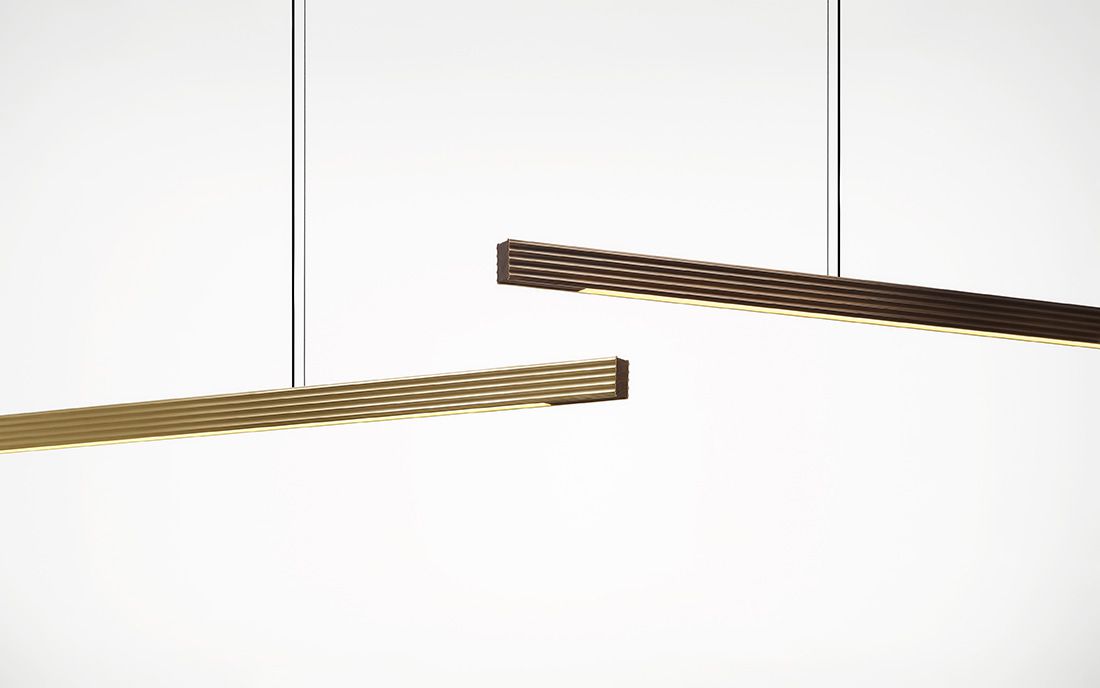
Archier’s directors Josh Fitzgerald, Chris Gilbert, Chris Haddad and Jon Kaitler found that the impetus to design their new architectural pendant lights, The Highline and The Capital, sprung from their own frustrations when sourcing appropriate and sophisticated lighting options for their Sawmill House project. Understanding that lighting is a vital player in the experience and sensation of spaces, Archier’s new Highline and Capital pendant lights aim fill the gap in the marketplace for high quality, elegant lighting that has a strong sense of materiality.
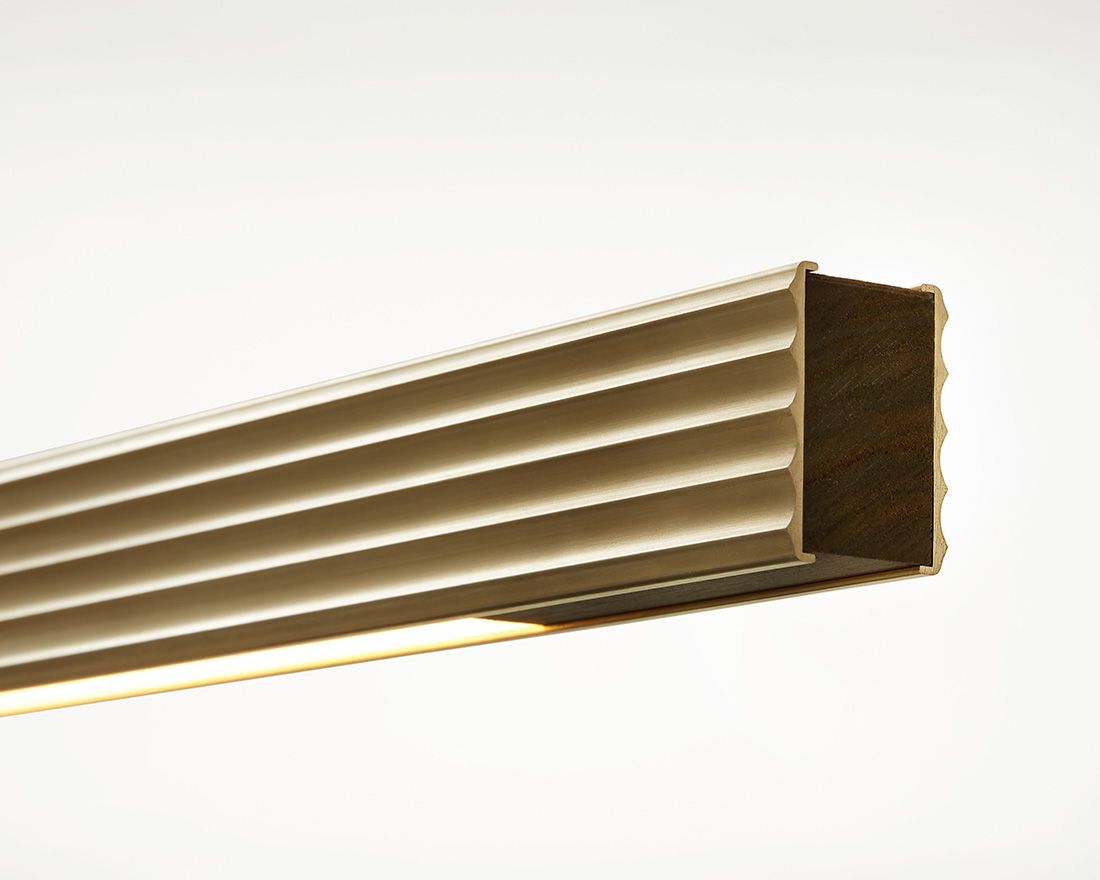
Surviving the rigorous design and development process during the build of Sawmill House, the first prototype of the Highline is still installed proudly in situ. This solid brass pendant uses a fluted glass diffuser with American walnut timber end caps. Combined with high quality LED technology, the Highline is an ecologically considerate lighting solution that’s also graceful, contemporary and striking.
Equally attractive and practical, the Capital pendant’s design cuts above just its aesthetic appeal by marrying the functionality of architectural lighting with the visual history of decorative luminaires. Once again, the contemporary refinement of satin or antique patina waxed brass is paired with American walnut timber detailing for a warm and inviting tonal palette. A fluted glass diffuser and ultra-fine black braided textile flex gives a dramatic impression.
With their studio encircled by the workshop where ideas can be drawn, discussed and prototyped in the same space on the same day, Archier are forerunners in flexible, groundbreaking design that celebrates materiality. “We believe in taking risks and embracing both state-of-the-art manufacturing techniques as well as traditional craftwork in our design realisation,” explains Chris Gilbert. “We find designing within context, rather than a void, results in a more rigorous and refined outcome”.
INDESIGN is on instagram
Follow @indesignlive
A searchable and comprehensive guide for specifying leading products and their suppliers
Keep up to date with the latest and greatest from our industry BFF's!
The internet never sleeps! Here's the stuff you might have missed