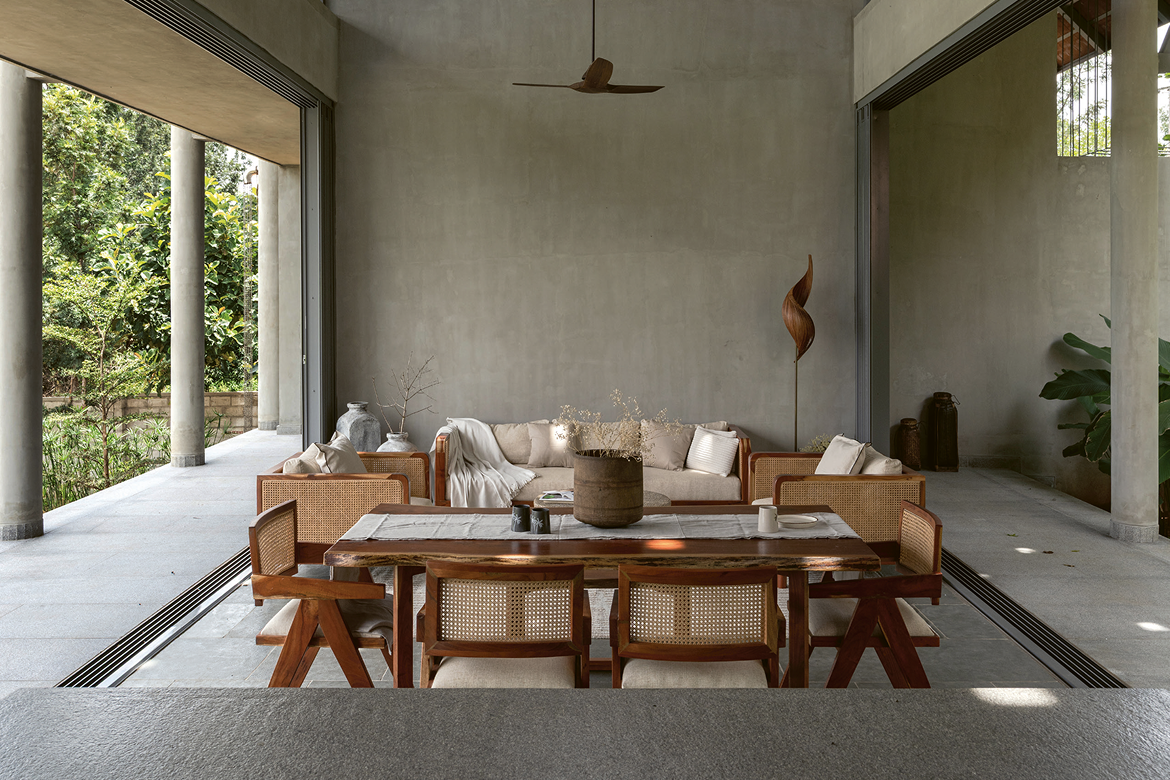
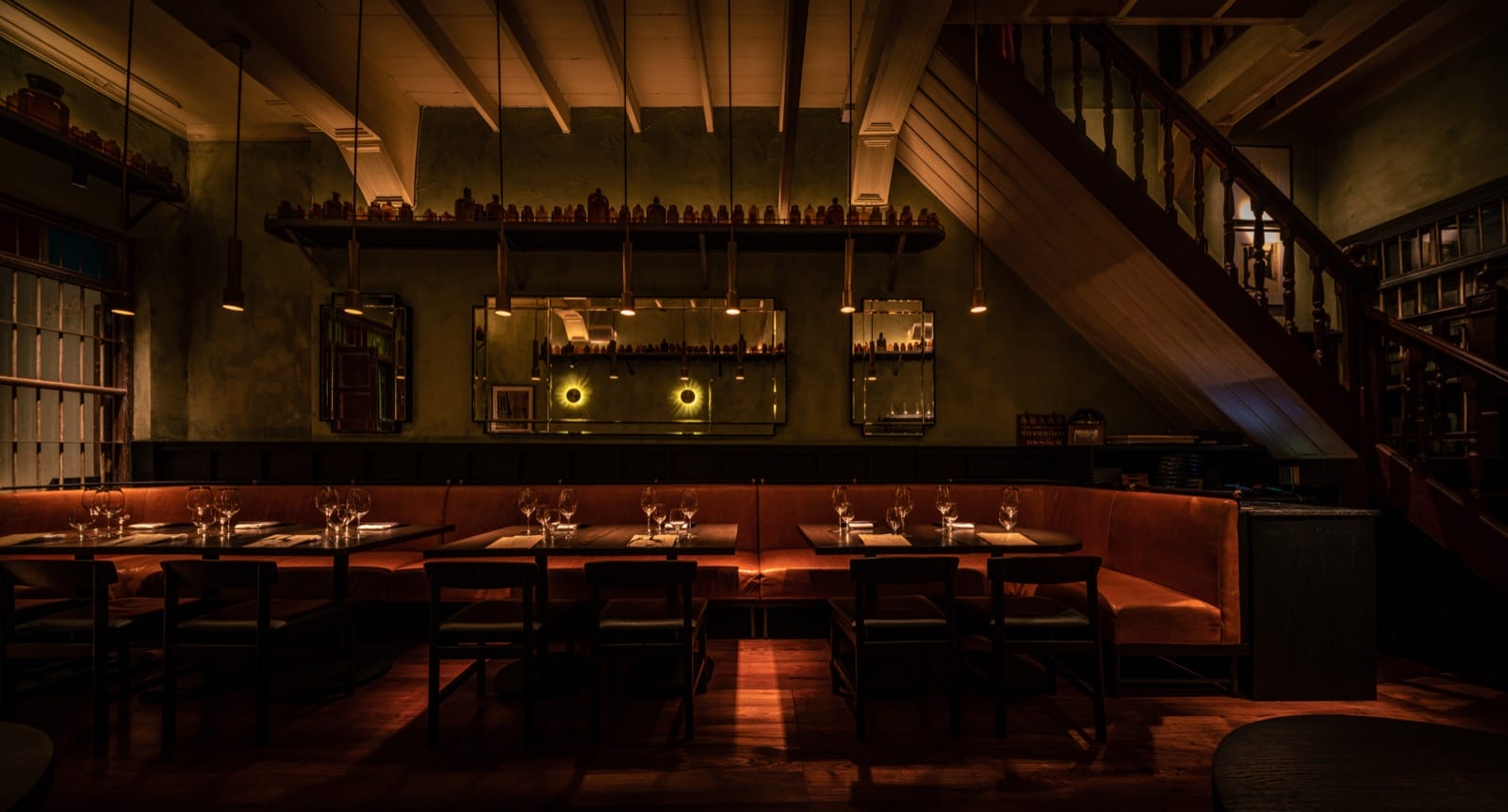
The home of architecture and design in the Asia-Pacific
Get the latest design news direct to your inbox!

Get the latest design news direct to your inbox!
As CEO of the Living Future Institute of Australia (LFIA), Laura Hamilton-O’Hara is concerned with how various factors come together to produce our built environment. Initiatives such as the Living Building Challenge are pushing towards a sustainable status quo.


July 12th, 2023
The journey taken by Laura Hamilton-O’Hara, CEO of the LFIA, mirrors the kind of varied, big-picture knowledge that is required to effectively think about and act upon sustainability in the built environment. With family roots tied to coal-mining in Wigan, a northern English town that was a crucible of the industrial revolution, she instinctively balances a deep understanding of both the opportunities and damages that have accompanied the modern age of energy use.
Having grown up in South Africa and studied social ecology, Hamilton-O’Hara is now based in New South Wales. From there, she heads up the LFIA, Australian affiliate to the International Future Living Institute based in Seattle.

An approach based on systems thinking informs the LFIA’s work: “It became obvious to me that when you just focus on conservation and ignore the social issues that are going on alongside it, you’re missing so many parts of the problem – and the solution too,” says Hamilton-O’Hara.
“It broadened my perspective in terms of sustainability,” she adds. “Sustainability leadership became the through-line – how do you grow your own and others’ capabilities?”

With a varied professional background spanning experience at Sydney’s Taronga Zoo and Macquarie University, Hamilton-O’Hara explains the nature of the current role: “This role is about how you can leverage whatever skills, tools, community knowledge and so on to make the biggest impact. There are plenty of people with technical skills in the team and my role is to lead the organisation, give it a voice and help move the capacity of the entire industry towards regenerative design.”
So, what exactly is regenerative design? To regenerate means to bring new life to something and, in the context of architecture and the wider built environment, it means designing with principles of circular economy, sustainable material use and meaningful biophilia.
Related: AKIN announced as Barangaroo Harbour Park winner
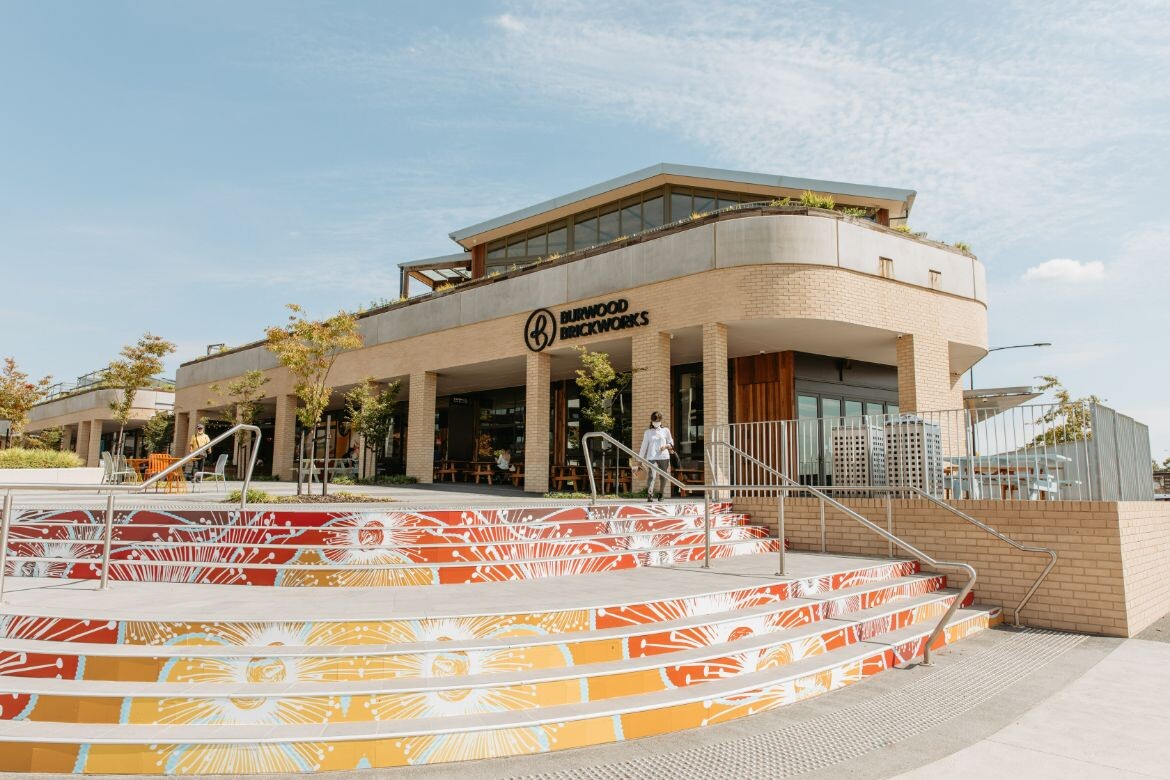
“At its heart, regenerative design means leaving things altogether better than you found them,” explains Hamilton-O’Hara. The LFIA acts as an advocacy and educational body; its impact can perhaps be felt most notably in schemes such as the Living Building Challenge. As a tool that sets, in Hamilton-O’Hara’s words, the “most stringent” sustainability certification standards in the world, the challenge seeks to push the boundaries of what is possible in terms of regenerative design.

The Brickworks Living Building Challenge design competition is an example of where this initiative has played out in Australia. The LFIA thus acts as a force for advocacy and education but also, as Hamilton-O’Hara notes, to prove that pushing the boundaries is possible, with 24 projects currently registered in Australia. Other aspects include a ‘Red List’ representing a worst class of materials, and the Declare initiative which seeks to promote transparency in terms of the sourcing of materials in building products.
“No matter what you choose to build with, the social and the environmental are completely interwoven,” says Hamilton-O’Hara in summary. Sustainability in the built environment is an enormous – and enormously complex – issue; if we are to get anywhere towards truly regenerative design, it’s a certainty that this kind of socially informed, big-picture systems thinking will be necessary.
Living Future Institute of Australia
living-future.org.au
Photography
Dianna Snape, Kate Shanasy, Frasers Property Australia


INDESIGN is on instagram
Follow @indesignlive
A searchable and comprehensive guide for specifying leading products and their suppliers
Keep up to date with the latest and greatest from our industry BFF's!
The internet never sleeps! Here's the stuff you might have missed