The home of architecture and design in the Asia-Pacific
Get the latest design news direct to your inbox!

Get the latest design news direct to your inbox!
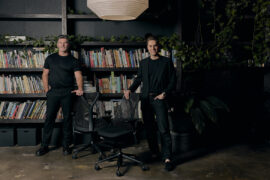
Elana Castle sits down with modern workplace pioneer Clive Wilkinson to talk about the impact of COVID-19 on the uber-office.

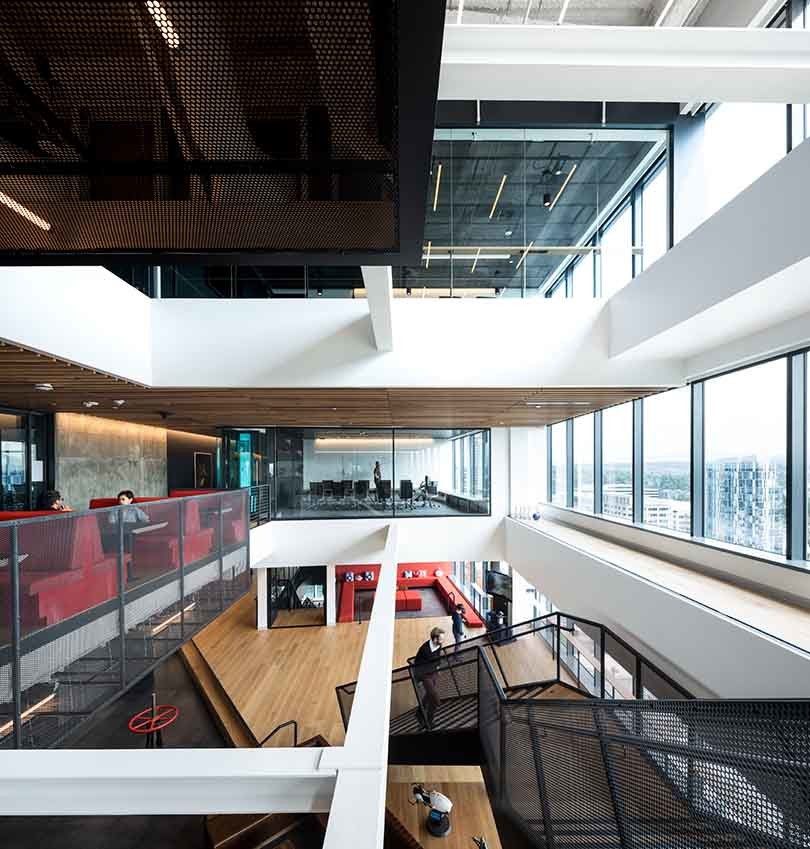
Microsoft Pebble Beach, photo by Ema Peter.
March 31st, 2022
In the early part of 2022, Clive Wilkinson was interviewed by NPR about the current state of the workplace in a world completely upended by a virus that had office workers in various forms of lockdown or isolation for over two years.
An LA- based architect, Wilkinson has spent the last 20 years investigating the way we work and developing design strategies to engender improved productivity in the workplace. He is the brainchild behind some of the most talked about office interiors of the last decade, including new environments for Google, Intuit and Microsoft.

Wilkinson most recently made waves with a statement made in an interview with NPR. The clickbait headline, “Architect behind Googleplex now says it’s ‘dangerous’ to work at such a posh office”, caused a stir, sparking debate about the value and impact of the uber-office, almost 20 years after Googleplex dramatically altered the nature of the workplace.
“Firstly, that statement was taken completely out of context,” says Wilkinson. “There are many positive aspects to Googleplex-type office environments, like efficient and collaborative working and creative environments that foster creative thinking.”
However, Wilkinson harbours great concerns around the effect that the ‘Googleplex’s’ of the world are having on their workers and immediate communities.
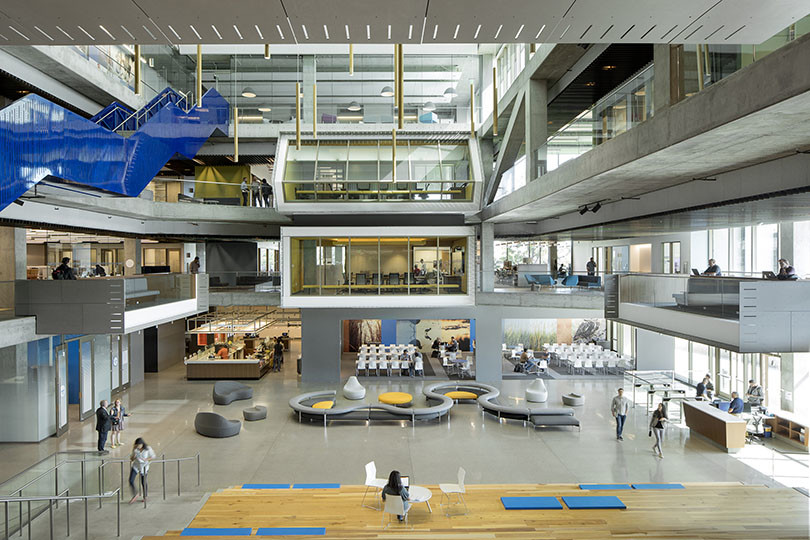
“Campuses like Googleplex offer a multitude of lifestyle amenities like bars, gym, laundry, hairdressers, spas, childcare facilities, and cafeterias (with some offering up to 12 types of cuisine),” says Wilkinson.
“People simply don’t need to leave the office. It’s the unintended consequence of both company benevolence and their desire to attract and retain the best staff. The result of having people work in this essentially fortress-like environment is that you isolate them from other lifestyle experiences and you lose any semblance of a work-life balance. It creates commercially impoverished communities around these isolated campuses.”
Wilkinson is referring to regular office-worker tendencies, like grabbing a meal in a local restaurant or getting a haircut after work. “You amputate their abilities over protracted periods of time,” he adds. “The danger is that these companies set the bar and are emulated.”
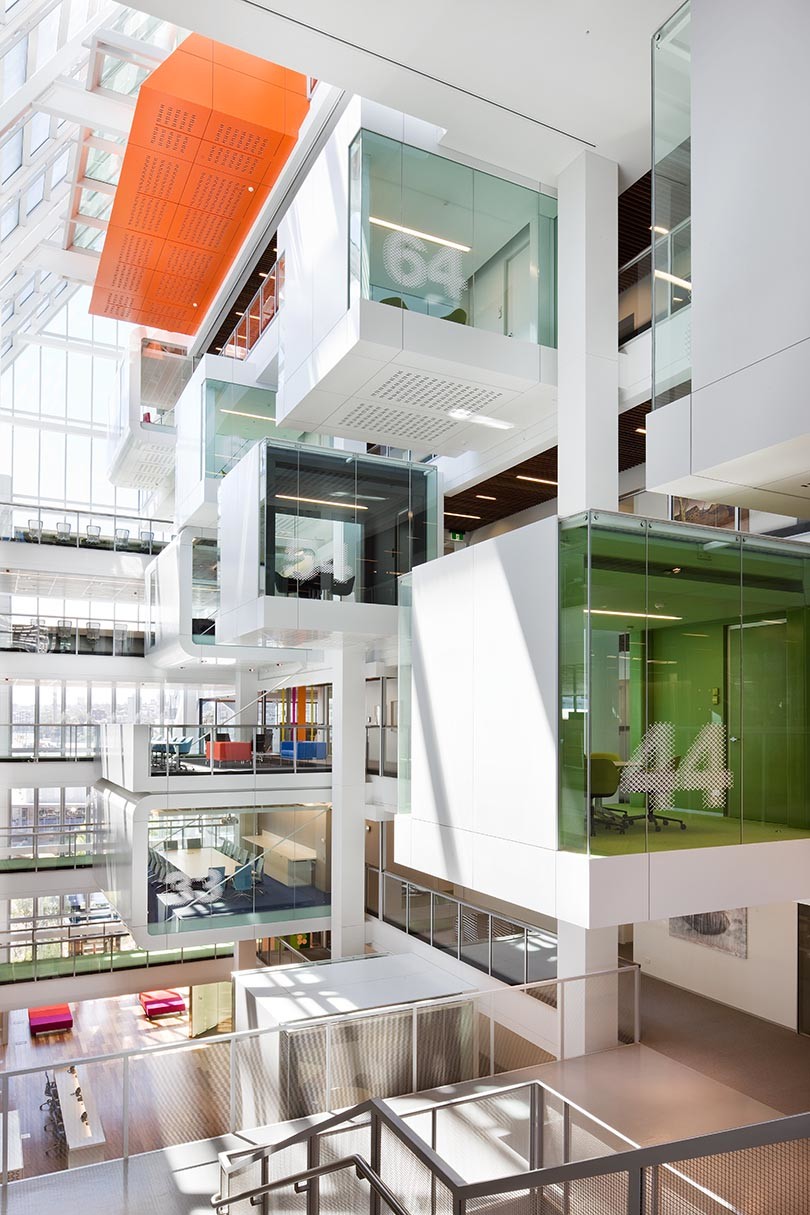
Wilkinson’s response begs the question about the need to offer opportunities for communities to access these campuses.
“We tried to make them open to all, especially to create opportunities for people to walk through, but the security issues are just so great. It’s simply impossible,” he explains. “The fact that there is no offering to the community except employment opportunities, is a big problem. It’s the same in city campuses. Think of Google in Chelsea in New York. It’s impenetrable.”
And how does Wilkinson see as the corporate landscape of the future? How will companies entice their remote staff to return to the office?
“I think that the value of the workplace has been underestimated and under-appreciated,” he says.
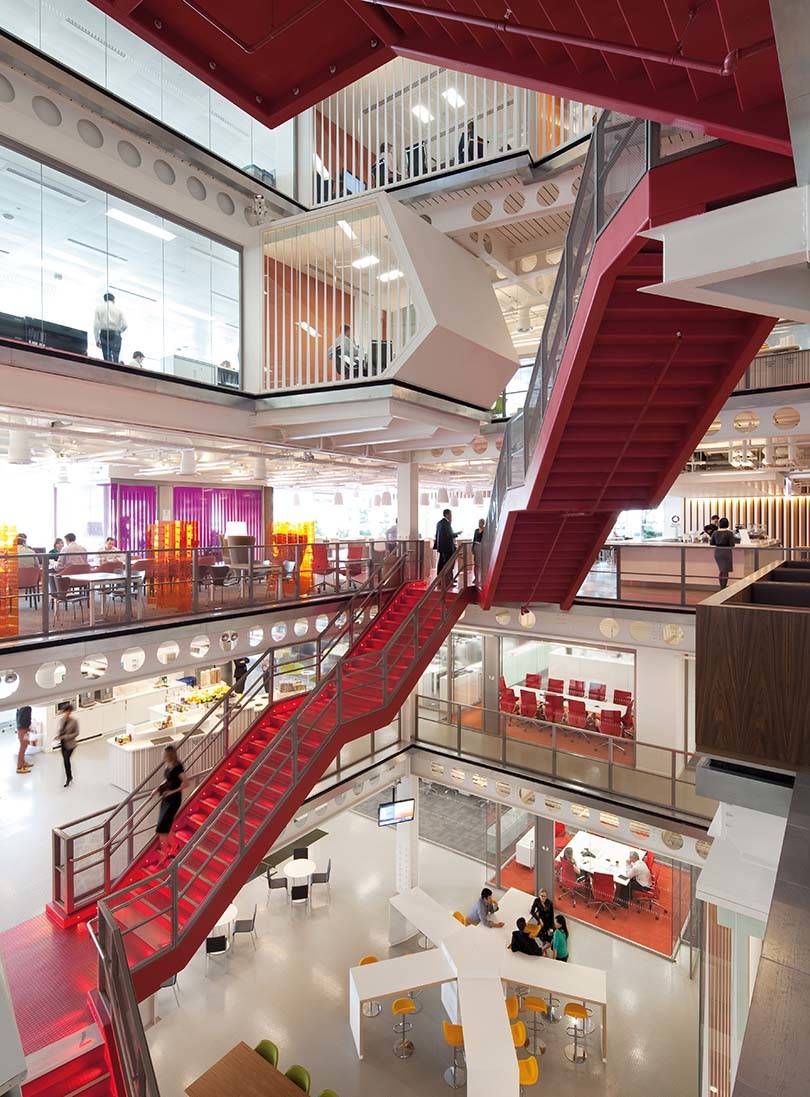
“Working in an office has meaning on multiple levels. It helps the growth and identity of employees, especially in the 20-40 age group. Their office lives mesh with their personal lives. They find life partners and benchmark their performance against their co-workers through healthy competition. They learn through the tacit overhearing of conversations. It’s a very special space.
“Early versions of offices were very factory-like and socialising was not encouraged. That has changed. We can be social and creative in equal measure at work.”
Wilkinson agrees that remote work has its place, particularly in the realm of what he terms ‘focus work,’ where people can be more efficient when given a quiet, uninterrupted place to work and he foresees a great deal of hybrid style working but also a much more aggressive return to the office than predicted.
“There will be more choices in the ways people work and lots less burnout with flexibility and more benefits,” he adds.
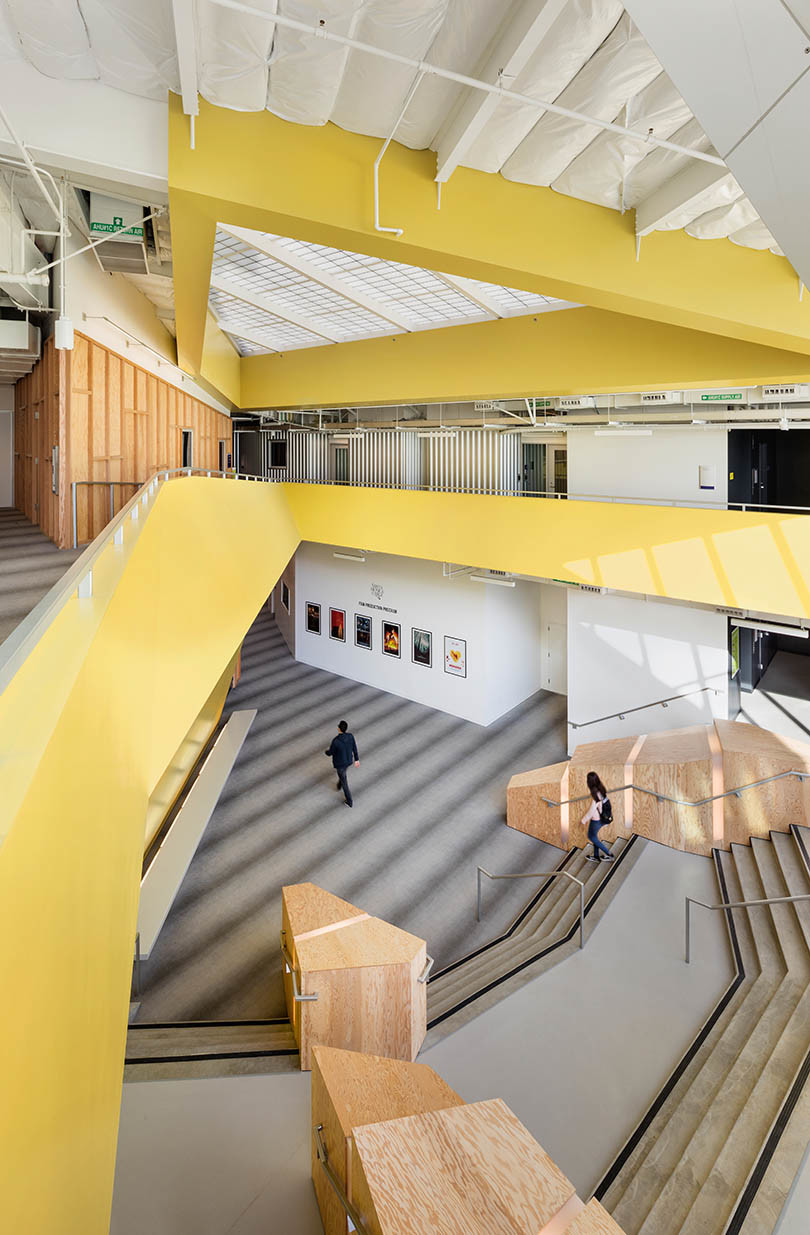
And what about the physical nature of the workplace? We shall certainly never see the return of impersonal office cubicles, endless corridors and contract furniture but how has COVID-19 revolutionised our established notions about the modern workplace?
Wilkinson sees a reverse model likely to occur in modern workplaces. Where we were seeing a 70/30 – desk to open meeting space – ratio, we will likely see more of a 30 desk / 70 open space ratio.
“There will be a wide range of meeting and collaborative spaces,” he says, “and far less unused desks.”
Wilkinson also seems the increase of outdoor space in office design, in the form of office parks, balconies, courtyards and terraces.
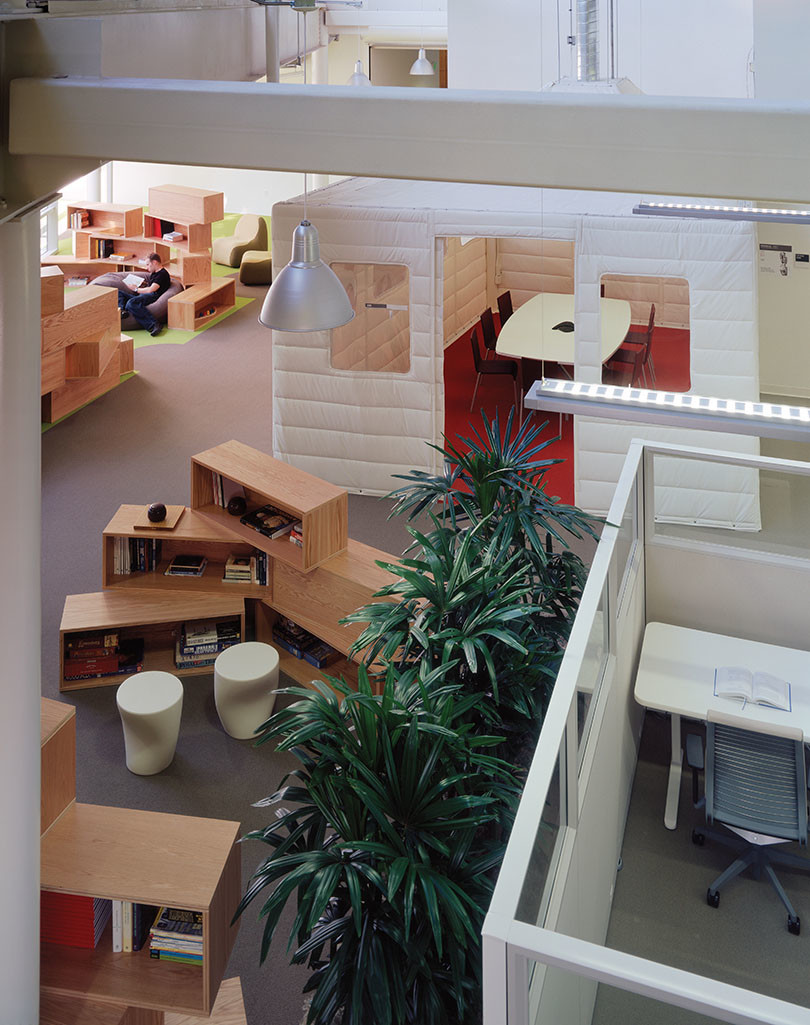
And will we see some of companies maintain their pledge to offer 100 per cent remote working?
“I think these companies may ultimately lose talent to competitors,” shares Wilkinson. “Because jobs need to be attractive and offer a level of fun. The office really has to be an attractive place. The idea that office are only about efficiency has gone out the window. You can’t expect creativity from an office that is dull and uninspiring.”
Suffice to say, Wilkinson is having many conversations with his clients about their next moves, with many sitting on the fence, waiting for their competitors to make a move.
“It’s a very interesting time,” he concludes. “The big questions remains – how much space do we actually need? It’s not an easy question to answer anymore. Never in history have been people been allowed to choose their own work schedule. The pandemic was in some respects, an accelerator for a better quality of life for many people.”
Clive Wilkinson
clivewilkinson.com
We think you might like this article about how architecture shapes employment.
INDESIGN is on instagram
Follow @indesignlive
A searchable and comprehensive guide for specifying leading products and their suppliers
Keep up to date with the latest and greatest from our industry BFF's!
The internet never sleeps! Here's the stuff you might have missed